
 Save
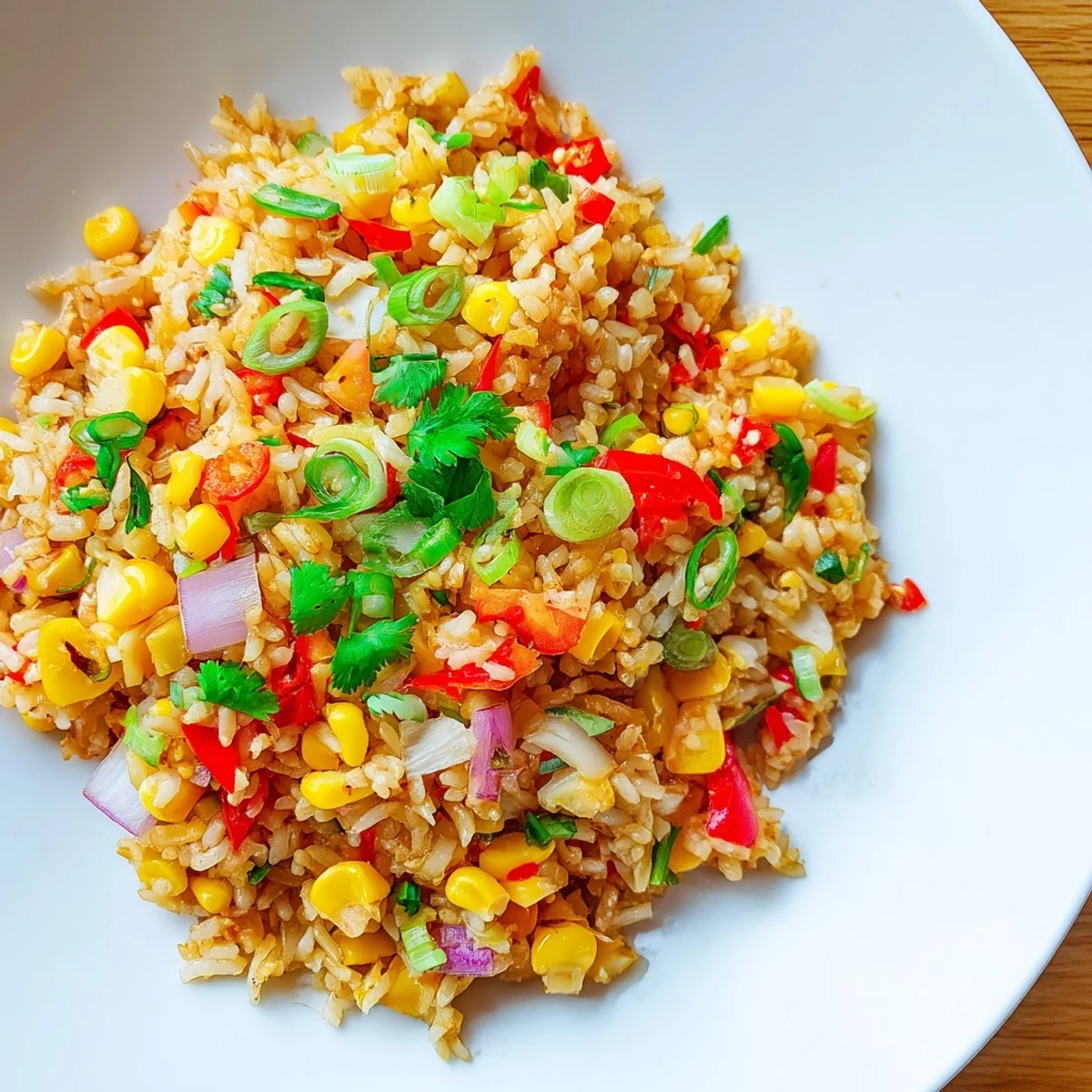
Save This chili lime corn fried rice brings together the best of Asian and Latin flavors in one quick, satisfying dish. Day-old jasmine rice gets stir-fried with sweet corn, bell peppers, and a bold seasoning blend of cumin, smoked paprika, and fresh chilies.
Fresh lime zest and juice add a bright, tangy finish, while chopped cilantro ties everything together with a burst of herbal freshness. The entire dish comes together in just 30 minutes, making it perfect for busy weeknight dinners.
It's naturally vegetarian and dairy-free, and can easily be made gluten-free by swapping soy sauce for tamari. Add tofu, scrambled eggs, or shrimp if you want extra protein.
My wok was still hot from a failed attempt at pad thai when I spotted the leftover jasmine rice and a bag of frozen corn staring back at me from the fridge. Something about combining cumin and lime on a Tuesday evening felt reckless in the best way. The kitchen filled with a smoky, citrus scent that made my neighbor knock on the door and ask what I was cooking. That bowl of chili lime corn fried rice has been in my weekly rotation ever since.
I brought a massive batch to a rooftop potluck last August and watched three people argue over who got to take the last scoop home. My friend Elena stood quietly in the corner going back for her fourth small helping without saying a word, which told me everything I needed to know. Dishes that silence a chatty crowd are the ones worth holding onto.
Ingredients
- 3 cups cooked jasmine rice, preferably day-old and cold: Fresh rice will turn gummy and stick together, so spread it on a tray and refrigerate overnight for the best texture.
- 1 cup sweet corn kernels: Fresh cut from the cob tastes brightest, but frozen works beautifully and canned in a pinch, just drain it well.
- 1 red bell pepper, diced: The sweetness balances the chili heat and adds a welcome crunch in every bite.
- 1 small red onion, finely chopped: Red onion gives a sharper bite than white, which holds its own against the bold seasonings.
- 2 cloves garlic, minced: Fresh garlic makes a difference here, so skip the jarred version if you can.
- 2 scallions, sliced: Save the dark green tops for garnish and use the white and light green parts in the cook.
- 1/2 cup fresh cilantro leaves, chopped: Add it at the very end so the vibrant flavor stays bright and does not cook into nothing.
- 2 tablespoons vegetable oil: A neutral oil with a high smoke point keeps things from sticking without competing on flavor.
- 1 to 2 fresh red chilies, finely sliced: Start with one and taste before adding more, because chili heat can sneak up on you fast.
- Zest and juice of 2 limes: Zest goes in during cooking for depth, and the juice finishes it with a sharp citrus kick.
- 2 tablespoons soy sauce or tamari: Tamari keeps it gluten-free and actually has a richer, rounder flavor than standard soy sauce.
- 1 teaspoon ground cumin: This is what bridges the gap between Asian fried rice technique and Latin flavor profile.
- 1/2 teaspoon smoked paprika: A tiny amount adds a campfire warmth without overpowering the lime and cilantro.
- Salt and black pepper, to taste: Season gradually and taste as you go because the soy sauce already brings significant salt.
- Extra lime wedges, cilantro, and sliced chili for garnish: Entirely optional but they make the bowl look as good as it tastes.
Instructions
- Get your wok screaming hot:
- Pour the vegetable oil into a large wok or heavy skillet set over medium-high heat and let it shimmer until you see the first faint wisp of smoke. A hot pan is the single most important factor in fried rice that tastes like it came from a restaurant rather than a soggy kitchen experiment.
- Build the aromatic base:
- Toss in the chopped red onion and stir it around for two to three minutes until the edges soften and turn translucent. Add the minced garlic and sliced chilies, then keep everything moving for another minute until your kitchen smells absolutely incredible.
- Cook the vegetables:
- Slide in the diced bell pepper and corn kernels, stirring frequently for two to three minutes. You want the vegetables slightly tender but still possessing a satisfying snap when you bite into them.
- Fry the rice:
- Add the cold rice and use your spatula to break apart any stubborn clumps, tossing vigorously for three to four minutes. Each grain should be separate, warmed through, and just beginning to pick up a faint golden color on the edges.
- Season everything:
- Sprinkle in the ground cumin, smoked paprika, and lime zest, then pour the soy sauce over the top. Stir with purpose until every grain is evenly coated and the spices have bloomed into the hot oil, releasing their fragrance.
- Finish with lime and scallions:
- Kill the heat and immediately squeeze in the fresh lime juice, then scatter the sliced scallions across the top. Toss once more and season with salt and pepper, tasting carefully before you commit.
- Fold in the cilantro:
- Gently mix most of the chopped cilantro into the rice, saving a small handful for the final presentation. The residual heat will release just enough of the herbal oils without destroying the fresh flavor.
- Serve it up:
- Mound the rice into bowls and crown each portion with reserved cilantro, a lime wedge or two, and a few extra slices of fresh chili. Eat it immediately while the contrast between the warm rice and bright garnishes is at its peak.
 Save
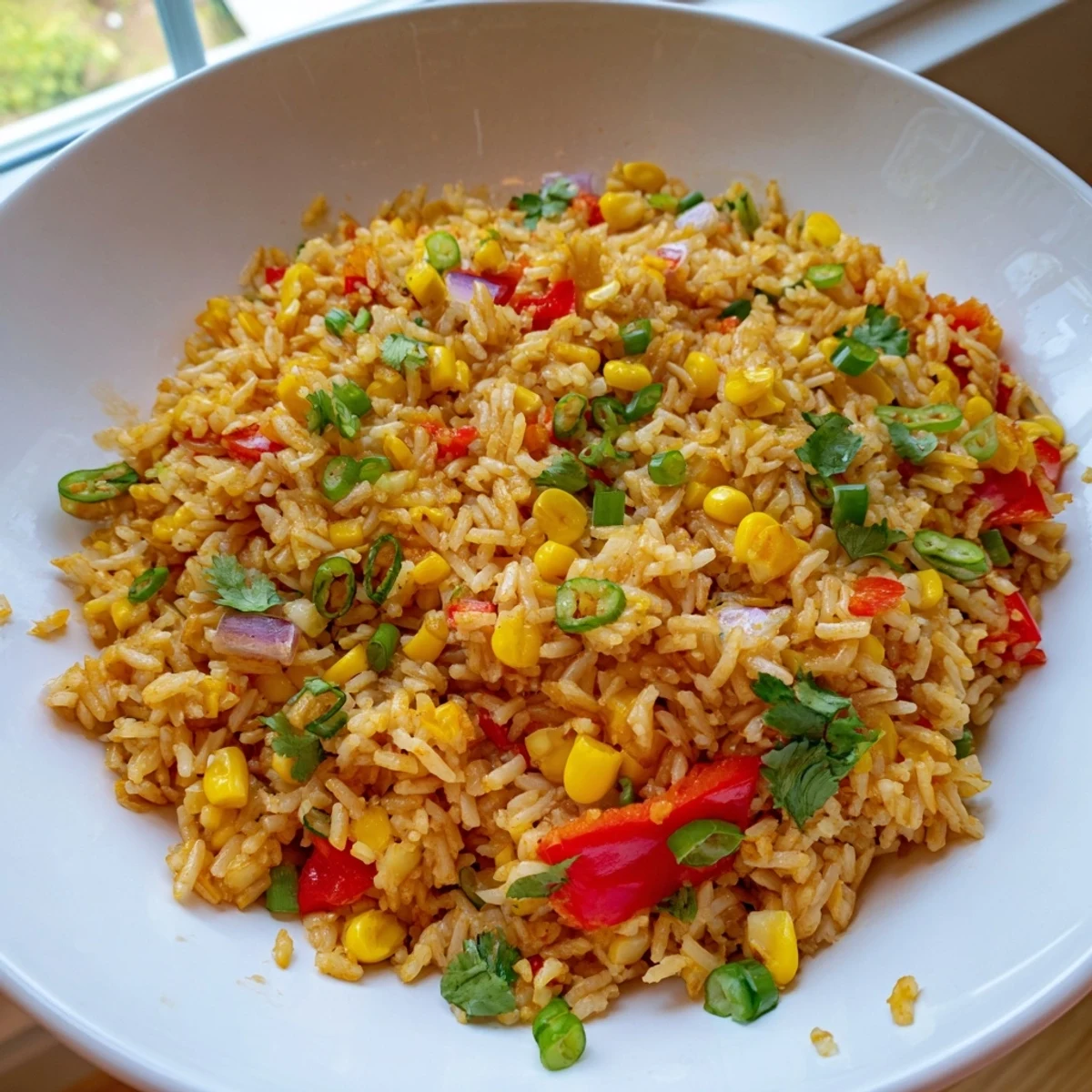
Save One rainy Thursday I ate a bowl of this standing at the kitchen counter, phone facedown, not watching anything, just tasting. It was one of those rare meals that demanded my full attention without asking for it.
Making It Your Own
The beauty of fried rice is how forgiving it is once you understand the basic rhythm of hot pan, aromatics, vegetables, and rice. I have thrown in leftover roasted sweet potato, handfuls of spinach, and even crumbled paneer when the mood struck, and it always works.
The Protein Question
Scrambled eggs are the classic addition and I highly recommend pushing the rice to one side of the wok, cracking two eggs directly into the cleared space, and scrambling them right there before folding everything together. Cubed extra-firm tofu pressed dry and pan-fried golden beforehand turns this into a genuinely substantial meal.
Keeping Your Wok Happy
A well-seasoned wok develops a natural nonstick patina over time that actually improves the flavor of everything you cook in it. Treat it right and it will reward you for decades with dishes that taste impossible to replicate in any other pan.
- Never scrub your wok with soap, just hot water and a bamboo brush or soft sponge.
- Dry it completely on the stove over low heat after washing to prevent rust from forming.
- Rub a thin film of oil inside before storing to maintain that beautiful seasoned surface.
 Save
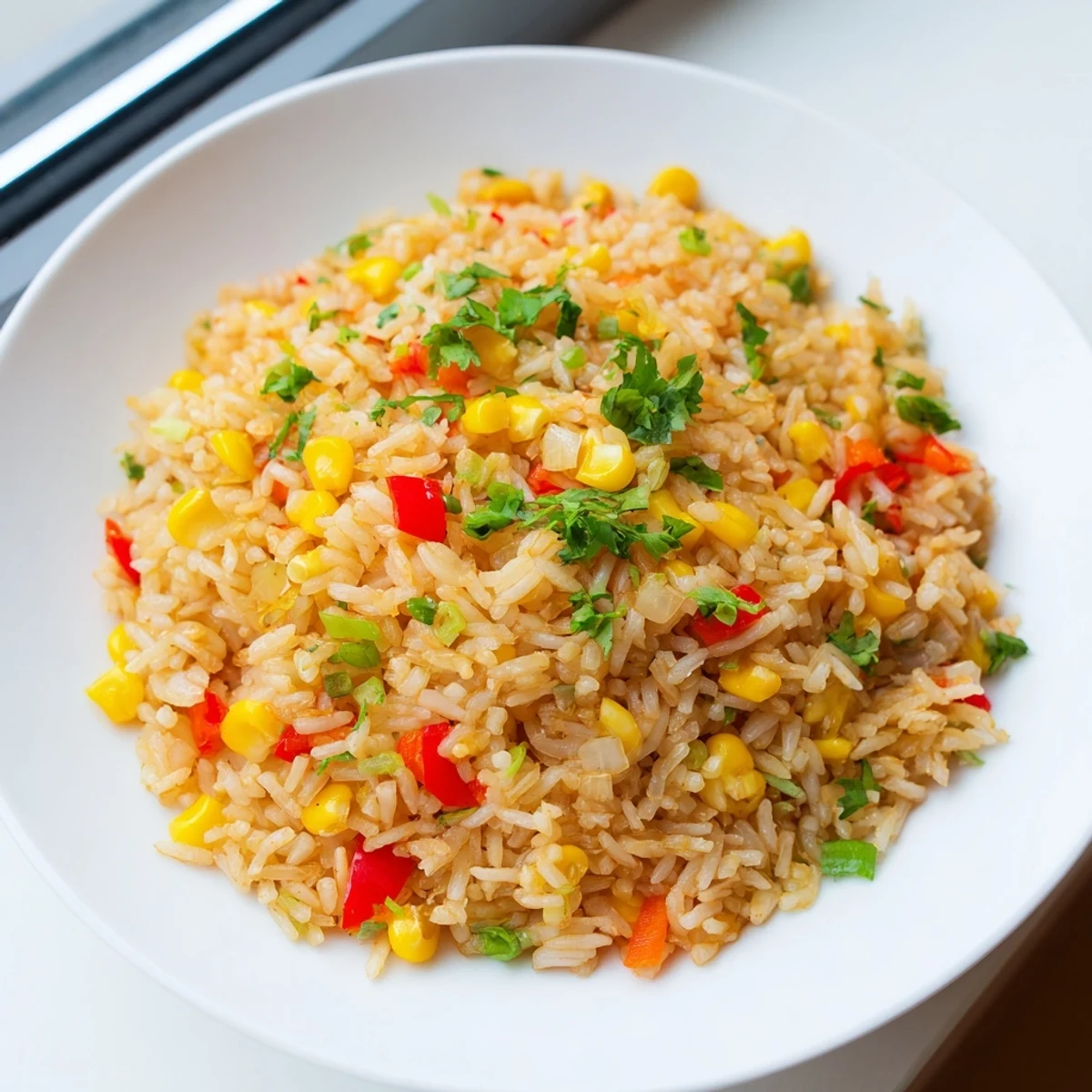
Save This is the kind of recipe that reminds you how a handful of humble ingredients can become something genuinely special when treated with a little care and bold seasoning. Share it, double it, and make it your own.
Recipe FAQs
- → Why use day-old rice for fried rice?
-
Day-old rice has dried out slightly in the refrigerator, which means it fries up with better texture and doesn't turn mushy or clump together. Freshly cooked rice holds too much moisture and can make the dish soggy.
- → Can I make this dish less spicy?
-
Absolutely. Simply reduce or omit the fresh red chilies. The lime, cumin, and smoked paprika will still provide plenty of flavor without the heat. You can also remove the seeds from the chilies before slicing to lower the spice level significantly.
- → What protein can I add to this fried rice?
-
Scrambled eggs, cubed tofu, or cooked shrimp all pair wonderfully with the chili lime flavors. Stir in scrambled eggs at the end, or pan-fry tofu or shrimp separately and fold it in just before serving.
- → Can I use frozen corn instead of fresh?
-
Yes, frozen corn works perfectly. Thaw it first and pat it dry with a paper towel to remove excess moisture before adding it to the wok. Canned corn also works if drained thoroughly.
- → How do I store and reheat leftovers?
-
Store leftovers in an airtight container in the refrigerator for up to 3 days. Reheat in a skillet or wok over medium heat with a splash of oil to revive the texture. Avoid microwaving if possible, as it can make the rice soft.
- → Is there a substitute for cilantro?
-
If you're not a fan of cilantro, fresh parsley or Thai basil make great substitutes. Parsley offers a milder herbal note, while Thai basil adds a subtle anise flavor that complements the Asian-inspired seasonings beautifully.