
 Save
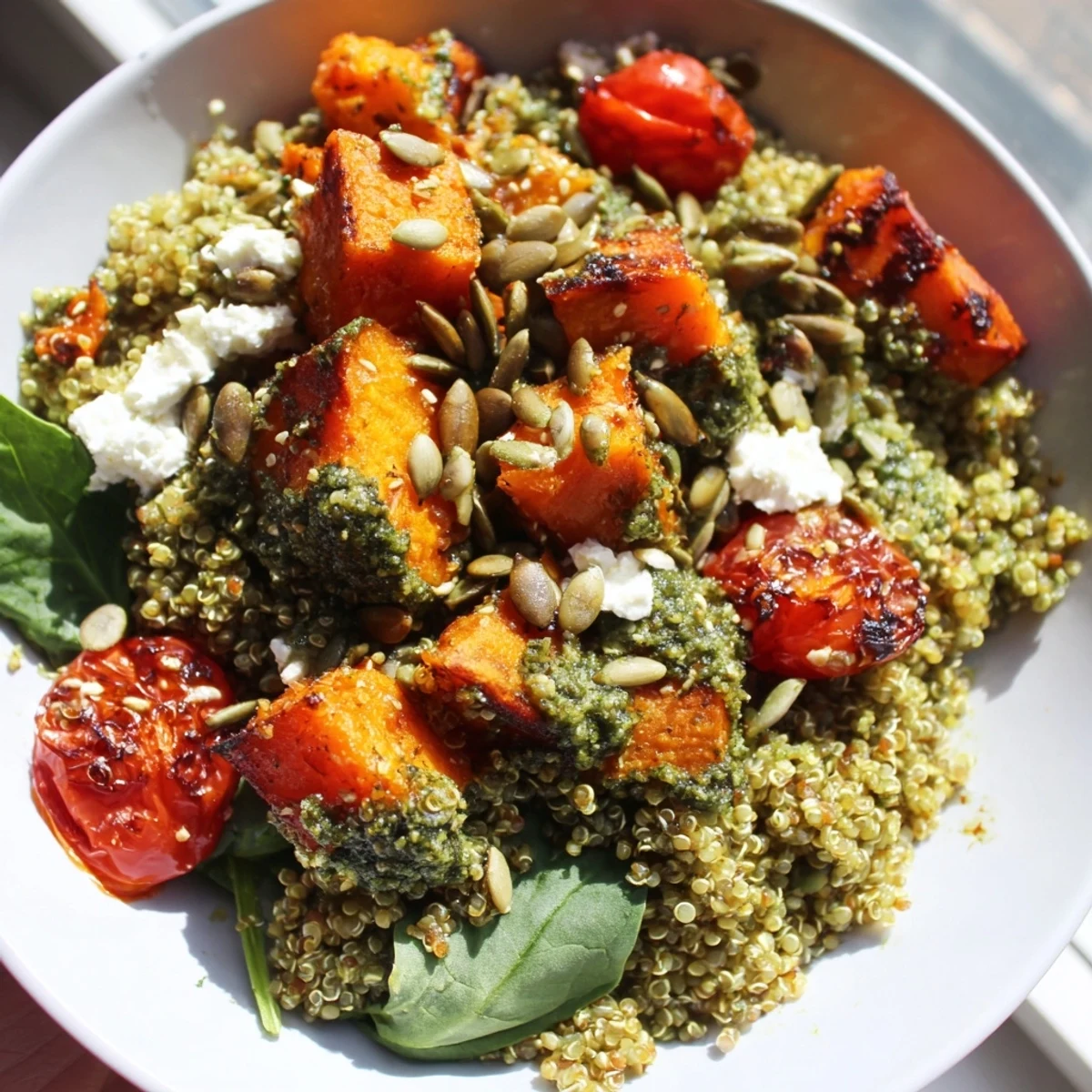
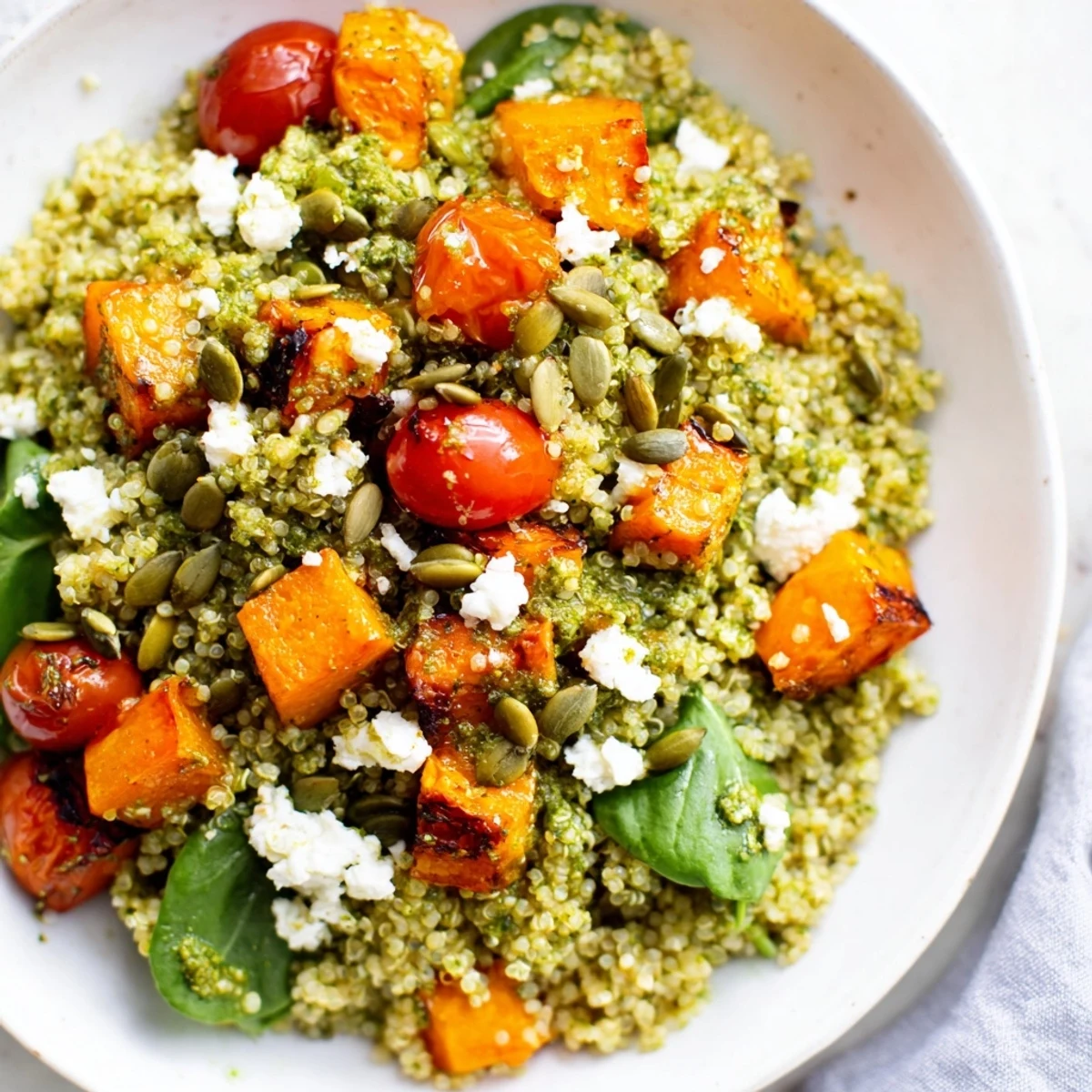
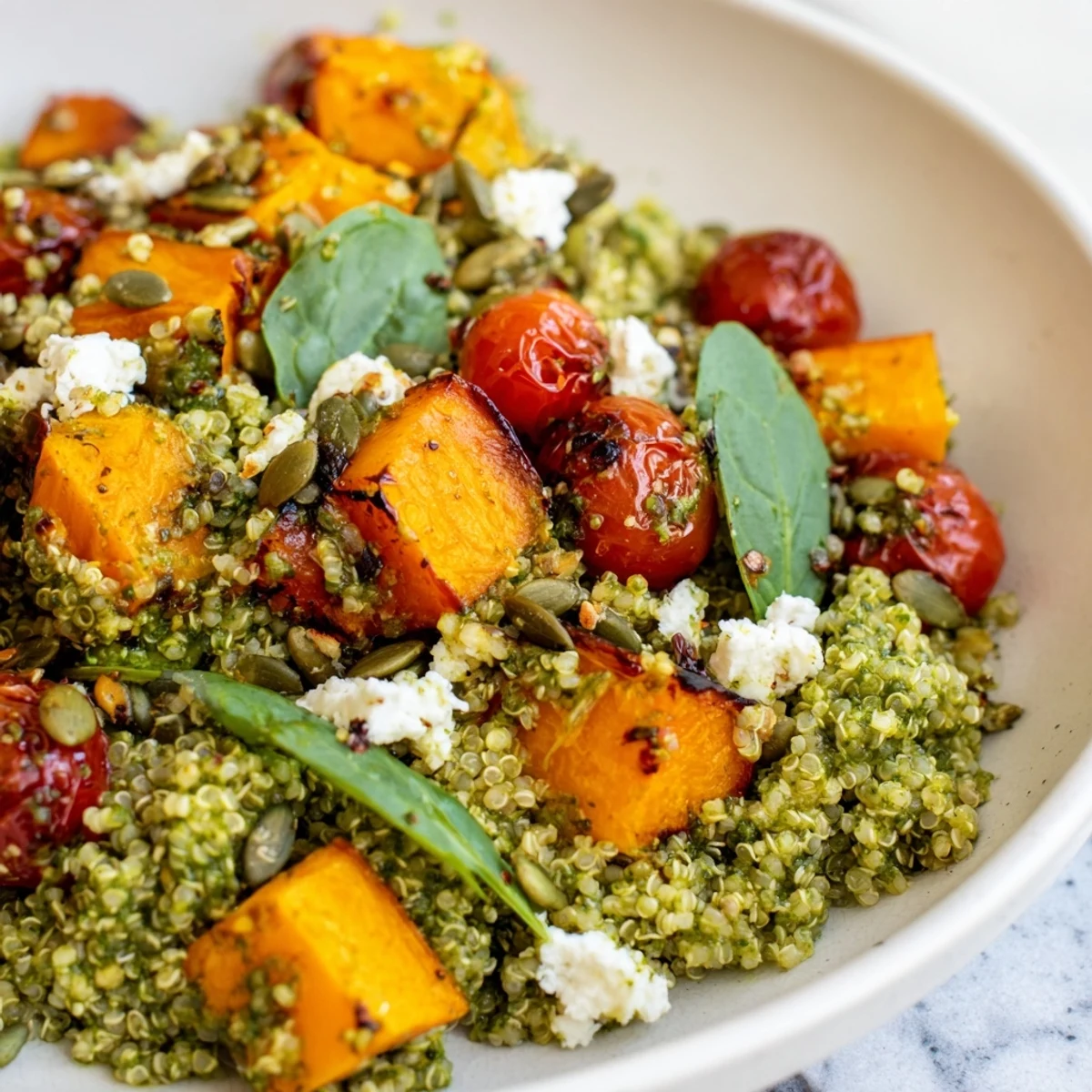
Save This hearty grain bowl combines sweet, caramelized roasted butternut squash with fluffy quinoa coated in a vibrant homemade basil pesto. Topped with juicy cherry tomatoes, tender baby spinach, and crunchy roasted pumpkin seeds, every bite delivers a satisfying mix of textures and flavors.
Ready in about 50 minutes, it's an easy vegetarian and gluten-free meal perfect for meal prep or a wholesome weeknight dinner. The fresh pesto brings everything together with its garlicky, herby richness, while a sprinkle of feta adds a creamy, tangy finish.
The kitchen smelled like autumn had walked in and made itself comfortable. Butternut squash was caramelizing in the oven, basil was perfuming the countertop, and I realized this bowl was the answer to every weeknight dinner question I had ever asked myself. It came together on a rainy Tuesday when the fridge offered nothing but half a squash and a wilting bunch of basil, and somehow those scraps turned into the best meal of the week.
I brought this to a potluck once, fully expecting it to sit politely beside the more glamorous dishes, and watched people come back for thirds. A friend texted me the next morning asking for the recipe, which is honestly the highest compliment a home cook can receive.
Ingredients
- 1 medium butternut squash (about 2 lbs), peeled, seeded, and cubed: The star of the bowl, roasting brings out a deep sweetness that pairs perfectly with the savory pesto.
- 1 cup cherry tomatoes, halved: They add a burst of acidity and color, balancing the richness of the other components.
- 2 cups baby spinach leaves: A tender green base that wilts slightly from the warmth of the quinoa without turning mushy.
- 1 cup quinoa, rinsed: Rinsing is nonnegotiable here, it removes the bitter coating and ensures fluffy, clean tasting grains.
- 2 cups vegetable broth: Using broth instead of water infuses the quinoa with savory depth from the inside out.
- 1 cup fresh basil leaves: The heart of the pesto, grab the brightest greenest leaves you can find and use them the same day.
- 1/4 cup grated Parmesan cheese: Adds salty umami that binds the pesto into something rich and cohesive.
- 1/4 cup pine nuts (or walnuts): Pine nuts give a buttery sweetness, but walnuts work beautifully if that is what your pantry offers.
- 1 garlic clove: Just one, enough to give the pesto a gentle bite without overwhelming the basil.
- 1/3 cup extra virgin olive oil: Drizzle it slowly into the food processor for the silkiest texture.
- Salt and freshly ground black pepper, to taste: Season the squash, the pesto, and the finished bowl separately for layered flavor.
- 1/3 cup roasted pumpkin seeds (pepitas): The crunch factor, sprinkle generously because they disappear fast.
- 1/4 cup crumbled feta cheese (optional): A salty creamy finish that ties everything together.
Instructions
- Roast the squash:
- Preheat your oven to 425F and line a baking sheet with parchment. Toss the cubed squash with a tablespoon of olive oil, salt, and pepper, then spread it in a single even layer so every piece gets golden. Roast for 25 to 30 minutes, flipping once halfway through, until the edges caramelize and the centers are fork tender.
- Cook the quinoa:
- While the squash works its magic, combine rinsed quinoa and vegetable broth in a saucepan, bring it to a boil, then drop the heat to low and cover. Let it simmer for 15 minutes until the liquid disappears, then fluff with a fork and let it sit uncovered for a few minutes to dry out slightly.
- Blend the pesto:
- Toss basil, Parmesan, pine nuts, and garlic into a food processor and pulse until everything is finely chopped. With the motor running, pour the olive oil in a thin steady stream until the pesto turns smooth and vibrant green, then season with salt and pepper to taste.
- Marry the quinoa and pesto:
- Fold the pesto into the warm quinoa gently, letting the heat release the fragrance of the basil. Keep mixing until every grain is evenly coated and stained a lovely pale green.
- Build each bowl:
- Divide the pesto quinoa among four bowls, then arrange roasted squash, halved cherry tomatoes, and a generous handful of spinach on top. Finish with a shower of pumpkin seeds and crumbled feta, and serve warm or at room temperature.
 Save
Save This bowl became my unofficial therapy during a particularly chaotic month when cooking was the only thing that slowed me down. Standing over the food processor, watching basil leaves disappear into green velvet, I felt a small quiet calm that no takeout order ever gave me.
What to Know About Substitutions
Kale or arugula step in beautifully for spinach if you want something heartier or more peppery. For a vegan version, skip the feta and swap the Parmesan for nutritional yeast, which gives the pesto a surprisingly cheesy depth. Sliced radishes or thin rings of red onion add a welcome crunch and a sharp bite that cuts through the sweetness of the roasted squash.
Serving and Storage Smarts
This bowl is best served at room temperature, which makes it an excellent candidate for packed lunches and picnics. Store each component separately if you are meal prepping, combining everything at the last minute keeps the textures vivid and the spinach from going slimy. A wedge of lemon squeezed over the top right before eating wakes up every flavor on the plate.
Essential Equipment and Final Thoughts
A rimmed baking sheet, a medium saucepan, and a food processor are really all you need to pull this together, no fancy tools required. The food processor does the heavy lifting on the pesto, but a blender works in a pinch if you scrape down the sides patiently.
- Toast the pumpkin seeds in a dry skillet for two minutes to intensify their flavor before sprinkling.
- Always check packaging for cross contamination if nut allergies are a concern in your kitchen.
- Trust your instincts on seasoning, taste as you go and adjust generously.
 Save
Save Some meals just make you feel good from the inside out, and this grain bowl is one of them. Share it with someone who thinks healthy food is boring, and watch them change their mind.
Recipe FAQs
- → Can I make the pesto ahead of time?
-
Yes, homemade basil pesto can be prepared up to 3 days in advance and stored in an airtight container in the refrigerator. Press a thin layer of olive oil on top to prevent browning. You can also freeze pesto in ice cube trays for up to 3 months.
- → What can I substitute for quinoa?
-
Brown rice, farro, couscous, or bulgur all work well as grain bases. For a lower-carb option, try cauliflower rice. Keep in mind that cooking times and liquid ratios will vary depending on the grain you choose.
- → How do I know when the butternut squash is fully roasted?
-
The squash is done when it is golden brown on the edges and easily pierced with a fork. This typically takes 25 to 30 minutes at 425°F. Flipping the cubes halfway through ensures even caramelization on all sides.
- → Is this bowl served warm or cold?
-
It can be served either way. For the best flavor and texture, serve it warm or at room temperature shortly after assembling. It also makes an excellent cold lunch the next day, making it ideal for meal prep.
- → How should I store leftovers?
-
Store each component separately in airtight containers in the refrigerator for up to 4 days. Keep the pesto in its own container and the roasted squash separate from the greens. Reassemble and reheat the squash and quinoa gently before serving.
- → Can I make this completely vegan?
-
Absolutely. Omit the feta cheese and replace the Parmesan in the pesto with nutritional yeast or a store-bought vegan Parmesan alternative. Use maple syrup instead of honey if your pesto calls for any sweetener. The flavors remain bold and satisfying.