
 Save
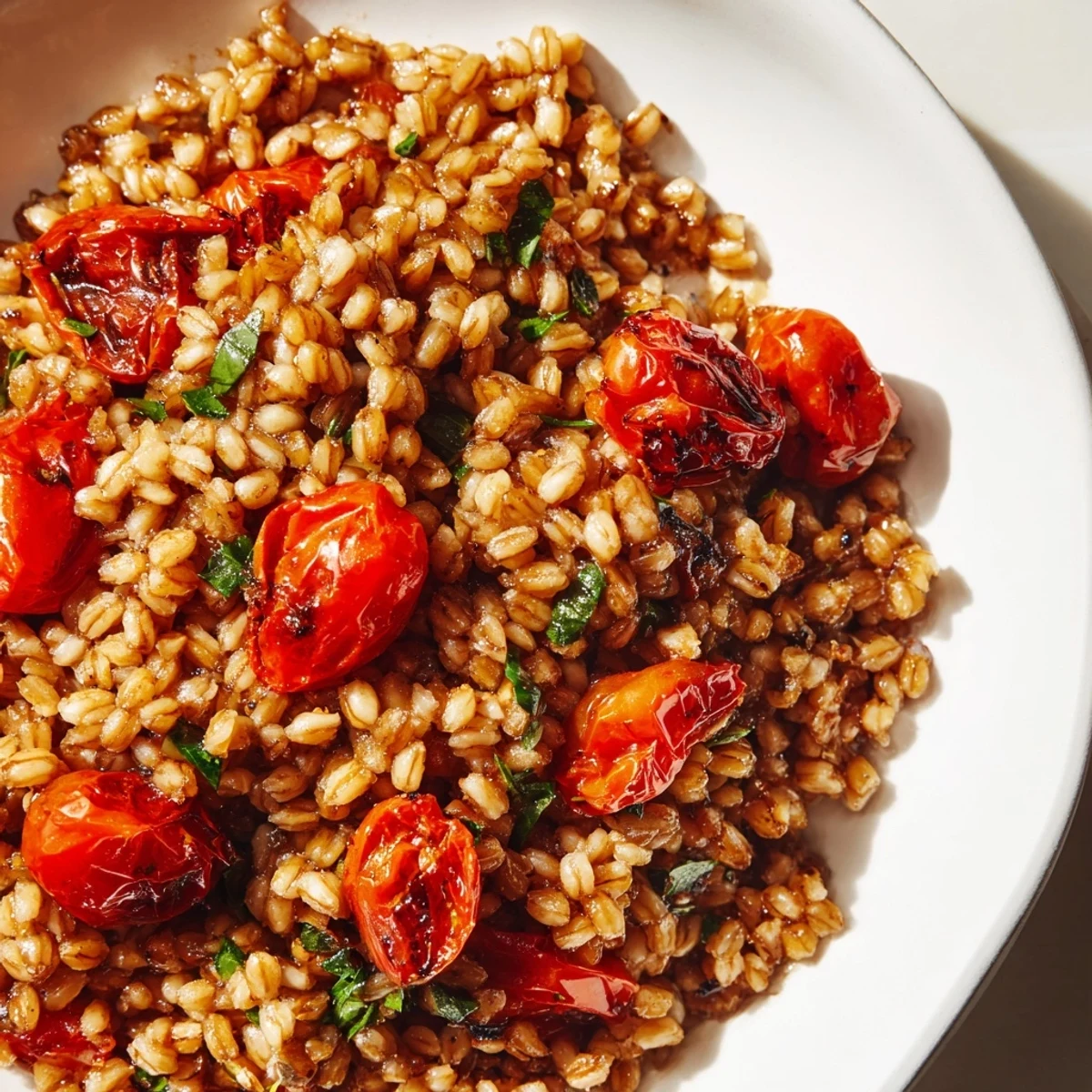
Save To achieve a smoky, nutty flavor, farro is toasted until golden and aromatic before being mixed with sautéed red onion, bell pepper, and blistered cherry tomatoes. A vinaigrette of red wine vinegar, Dijon mustard, and olive oil brings brightness, enhanced with fresh parsley and basil. This vibrant side is perfect served warm or at room temperature, complementing a wide range of dishes.
I discovered charred farro on a Tuesday when my usual rice had run out and I was determined not to make yet another boring grain side. The moment those toasted grains hit the hot skillet, the kitchen filled with this deep, almost smoky smell that made me stop and actually pay attention to what I was cooking. That afternoon taught me that sometimes the best dishes come from small accidents and a willingness to let heat do the heavy lifting.
I made this for a potluck last spring and watched it disappear before the main courses even came out. Someone asked if the vinaigrette was homemade, and I realized that's when a side dish stops being an afterthought and becomes something people actually want more of.
Ingredients
- Farro: A chewy, nutty whole grain that holds its shape beautifully and develops an incredible toasted flavor when charred. Rinse it first to remove any debris.
- Water and kosher salt: The foundation for tender grains with just enough seasoning built in before the fun starts.
- Olive oil: Use regular olive oil for cooking the farro since you want heat-stable fat, then reserve the good extra-virgin stuff for the dressing where its flavor actually matters.
- Red onion: Finely diced so it softens quickly and adds sweetness without overwhelming the other vegetables.
- Red bell pepper and cherry tomatoes: They blister slightly in the pan, concentrating their flavor and adding pops of color and brightness.
- Extra-virgin olive oil, red wine vinegar, and Dijon mustard: The holy trinity that makes everything taste alive and connected instead of just thrown together.
- Fresh parsley and basil: These aren't garnish afterthoughts; they're the final whisper that turns a warm grain side into something you actually want to eat.
Instructions
- Simmer the farro until tender:
- Combine farro, water, and salt in a medium saucepan and bring to a boil. Reduce heat and simmer uncovered for 20 to 25 minutes until the grains are tender but not mushy. The kitchen will smell earthy and wholesome.
- Toast it in the cast-iron skillet:
- Heat olive oil in a large cast-iron skillet over medium-high heat, add the cooked farro in an even layer, and leave it alone for 3 to 4 minutes until the bottom is deeply golden and slightly charred. You'll hear a gentle crackling sound and smell something almost smoky and nutty; that's exactly what you want.
- Add the vegetables and let them soften:
- Add the red onion, bell pepper, and cherry tomatoes to the skillet and sauté for 3 to 4 minutes until the vegetables are tender and the tomatoes start to blister. This is when the whole pan starts to smell like something worth eating.
- Whisk together the dressing:
- In a small bowl, whisk together extra-virgin olive oil, red wine vinegar, and Dijon mustard until emulsified. Taste it on your finger; it should make you pucker slightly and then smile.
- Toss it all together:
- Remove the skillet from heat and drizzle the vinaigrette over everything. Toss well so every grain gets coated, then stir in the fresh parsley and basil and season generously with black pepper. The heat will make the herbs release their aroma.
- Serve warm or at room temperature:
- This dish is forgiving and actually tastes better after it sits for a bit, making it ideal for serving alongside grilled meats, fish, or on its own as a hearty vegetarian meal.
 Save
Save The moment I realized this dish had become special was when my partner started requesting it for regular weeknight dinners instead of just special occasions. There's something about a grain that tastes this good without any pretense that makes you feel both grounded and proud of what you put on the table.
Why Cast-Iron Makes the Difference
A cast-iron skillet holds heat so evenly and intensely that you get those beautiful charred spots that are impossible to replicate in a regular pan. The farro gets crispy on the outside while staying tender inside, and the vegetables cook in the residual heat with the grains instead of getting thrown in separately. Over time, your cast-iron season improves, which means each time you use it, the pan itself contributes more depth and richness to whatever you're cooking.
Making It Your Own
This recipe is genuinely flexible once you understand the basic technique. I've made it with grilled zucchini and corn for summer versions, and it's equally delicious with roasted root vegetables in the fall. The vinaigrette handles everything you throw at it, and the fresh herbs always bring balance no matter what else is in the pan.
Serving and Storage Ideas
Charred farro tastes best served at room temperature, which makes it perfect for meal prep or bringing to gatherings where you're not sure about oven availability. It keeps in the refrigerator for up to three days and actually gains flavor as it sits. If you want to add crumbled feta or toasted pine nuts, do it just before serving so they don't soften into the warm grains.
- Make it a full meal by piling it onto a base and adding grilled chicken, roasted fish, or a sunny-side egg.
- Keep extra vinaigrette on hand because leftovers always benefit from a little drizzle of fresh dressing before eating.
- Toast the pine nuts yourself in a dry skillet for about three minutes; they go from ordinary to incredible in that short window.
 Save
Save This is the kind of dish that proves side dishes don't have to be boring or forgettable. A little heat, fresh ingredients, and a moment of attention transforms something simple into something people genuinely want to eat.
Recipe FAQs
- → What type of grain is used in this dish?
-
Farro, a nutty ancient whole grain, is the base ingredient known for its chewy texture and robust flavor.
- → How is the smoky flavor achieved?
-
The farro is toasted in a hot cast-iron skillet until charred and golden, which develops a smoky aroma and enhances its nutty taste.
- → Can I substitute fresh herbs in this preparation?
-
Fresh parsley and basil add brightness and freshness, but you can experiment with other herbs like cilantro or mint for different flavor profiles.
- → Is the dish served hot or cold?
-
This farro preparation is best enjoyed warm or at room temperature, allowing the flavors to meld beautifully.
- → What can be added for extra flavor or texture?
-
Consider adding crumbled feta cheese or toasted pine nuts for richness and crunch, or grilled vegetables for variety.