 Save
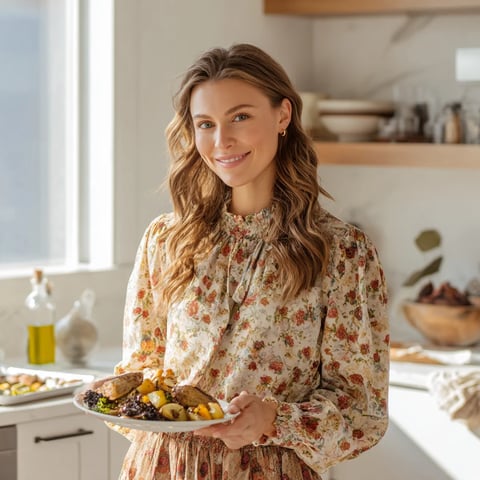
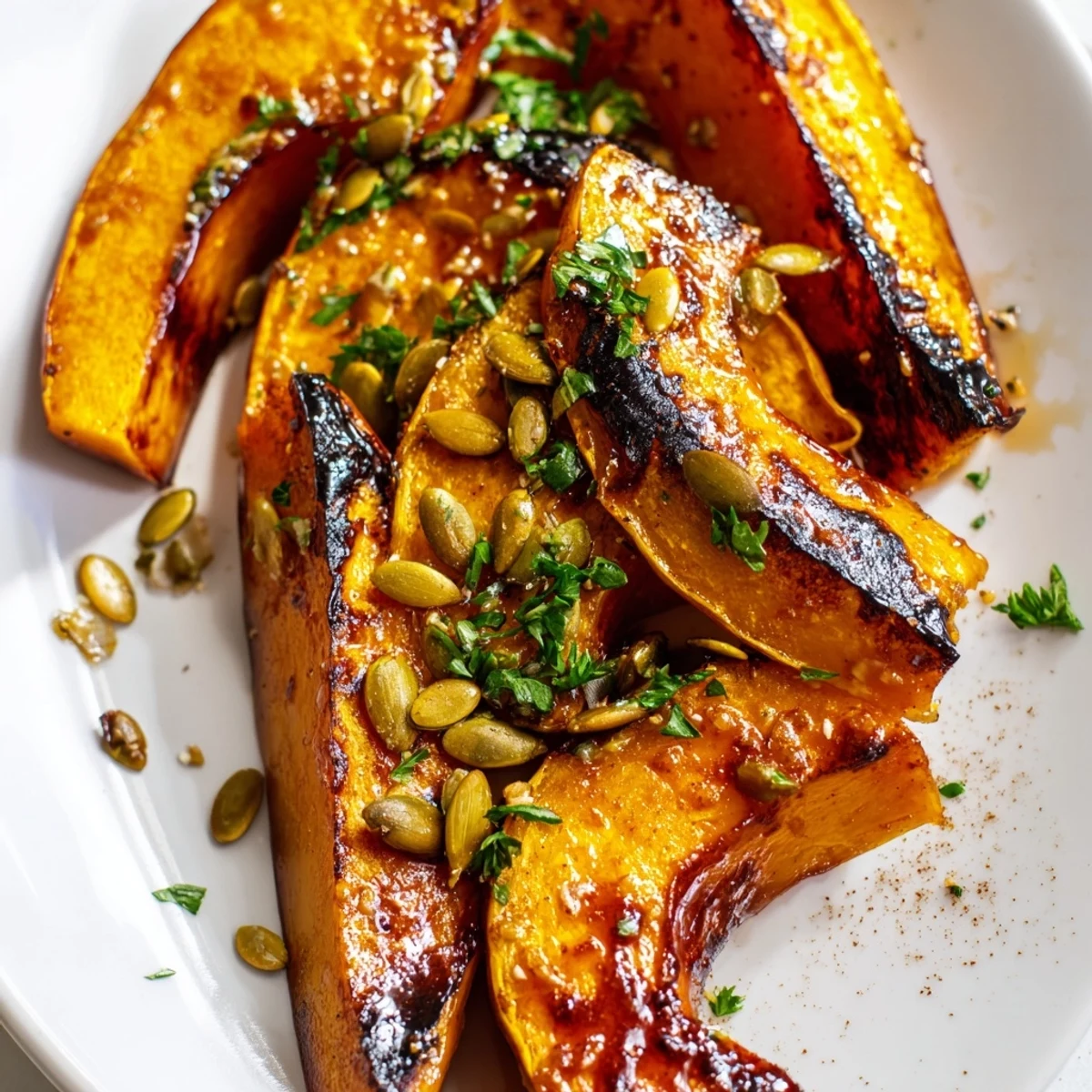
Save This dish features tender squash wedges roasted until caramelized and slightly charred, coated in a sweet and smoky maple glaze with hints of cinnamon and smoked paprika. Finished with toasted pumpkin seeds and fresh parsley, it offers a warm, autumnal flavor perfect for holiday sides or vegetarian spreads. Easy to prepare and gluten-free, this maple-glazed squash brings vibrant color and rich, comforting taste to the table.
There's something about late September when the farmers market suddenly bursts with butternut squash that makes me want to roast everything in sight. I discovered this glaze by accident one year, mixing maple syrup with smoked paprika while improvising a side dish for a dinner party, and the kitchen filled with this warm, almost caramel-like smell that made everyone ask what was cooking before they even arrived. The charred edges and that hint of smokiness transformed something simple into the dish people now request by name.
I remember making this for a potluck where I genuinely wasn't sure if a vegetable side would hold its own, but halfway through the meal I caught someone eating it straight from the platter with their fingers. That's when I knew the balance of sweet, smoky, and spiced had hit something right, and I've made it dozens of times since.
Ingredients
- Butternut squash (1 medium, about 2 lbs): Look for one that feels heavy for its size and has a deep golden color; peeling is easier if you give it a few seconds in the microwave first to soften the skin.
- Pure maple syrup (3 tablespoons): Don't reach for the pancake syrup here—the real thing makes all the difference in flavor and caramelization.
- Olive oil (2 tablespoons): This helps the glaze adhere and encourages browning in the oven.
- Apple cider vinegar (1 tablespoon): A small amount cuts through the sweetness and adds subtle depth.
- Smoked paprika (1 teaspoon): This is the secret; it gives you that char flavor without actually burning anything.
- Ground cinnamon (1/2 teaspoon): A pinch of warmth that ties autumn flavors together.
- Sea salt (1/2 teaspoon) and black pepper (1/4 teaspoon): Season generously—these enhance every other flavor.
- Fresh parsley (2 tablespoons chopped) and toasted pumpkin seeds (2 tablespoons): These garnishes add texture and make the dish feel finished.
Instructions
- Heat your oven and prep:
- Preheat to 425°F and line your baking sheet with parchment paper—this prevents sticking and makes cleanup effortless. You want a hot oven so the squash caramelizes rather than just steams.
- Build the glaze:
- Whisk maple syrup, olive oil, vinegar, and all the spices together in a large bowl until well combined. The mixture should smell warm and inviting, with the smoked paprika making its presence known.
- Coat the squash:
- Add your squash wedges to the bowl and toss gently but thoroughly until every piece is glossy with glaze. Don't be shy—use your hands if needed to make sure the coating is even.
- Arrange and roast:
- Lay the wedges in a single layer on your prepared sheet with space between each piece so they roast, not steam. After 15 minutes, give the pan a gentle shake or flip the pieces to encourage even browning on both sides, then continue roasting until the edges are deeply caramelized and darkened, about 25–30 minutes total.
- Finish and serve:
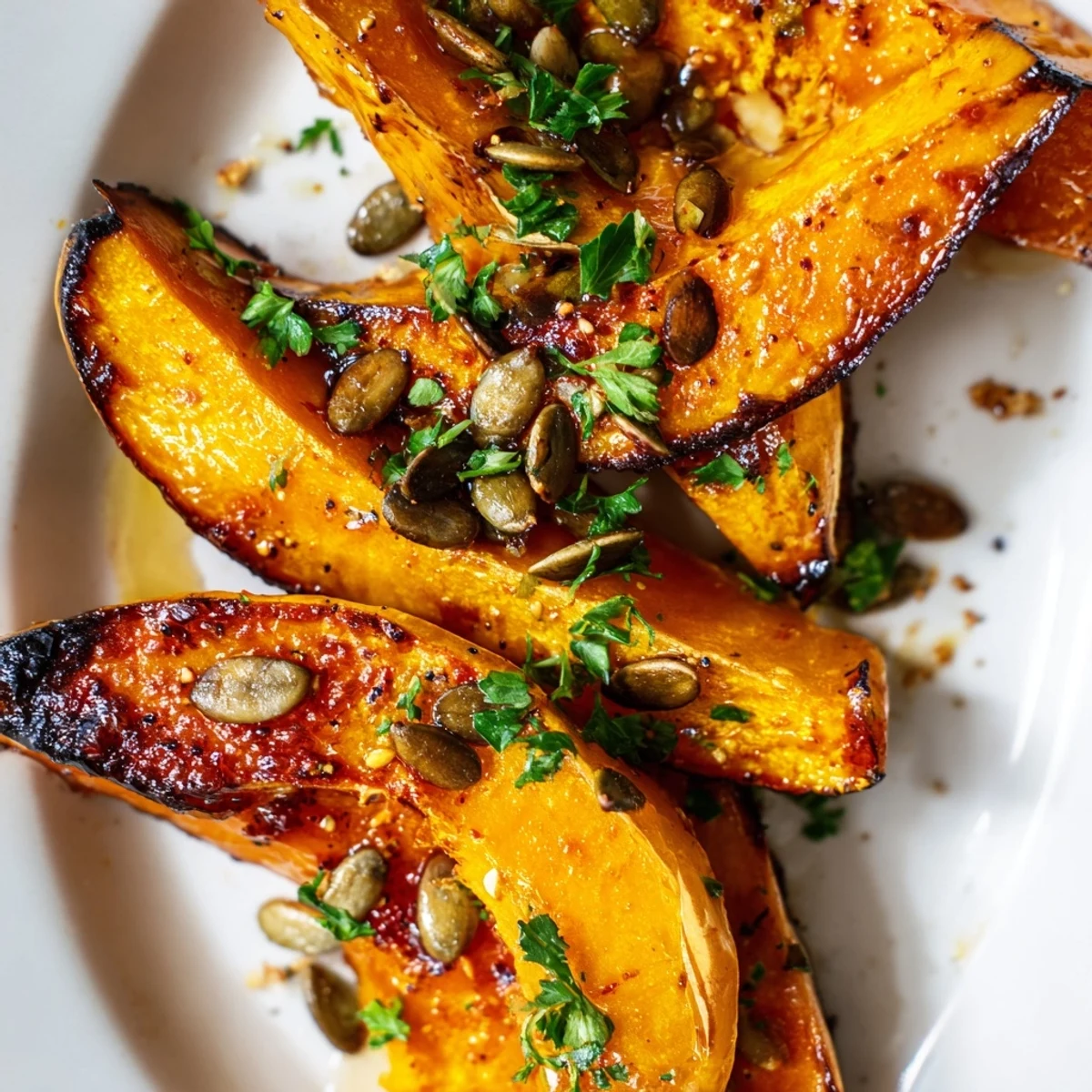
- Transfer to a serving platter while still warm and scatter parsley, toasted pumpkin seeds, and a pinch of flaky sea salt over the top. The residual heat will keep everything warm while you bring it to the table.
 Save
Save There's a moment, usually about 20 minutes in, when the kitchen smells transform into something that makes everyone stop what they're doing. That's when you know the maple is caramelizing and the spices are waking up, and you're making something memorable.
The Char That Changes Everything
The deepest color on these squash wedges is what you're after—don't pull them out when they're golden and timid. Let them sit in that 425°F heat until the edges look almost charred, almost too dark, and then taste one. That slight bitterness against the sweetness is where the complexity lives, and it's what separates good roasted squash from the kind people remember.
Variations and Swaps
While butternut squash is perfect here, acorn or kabocha squash work beautifully too—they're slightly sweeter and have a firmer texture that holds up equally well. I've also swapped the cinnamon for a pinch of cayenne when I wanted less warmth and more heat, and that felt equally at home on the autumn table.
Serving and Pairing Ideas
This dish shines alongside roasted chicken or pork, but it's equally at home as part of a vegetarian feast where it becomes the star. I've served it warm, room temperature, and even chilled the next day tossed into a salad, and it never disappointed.
- Pair with herb-brined chicken or a juicy pork chop for a complete plate.
- Make it ahead and reheat gently in a 350°F oven for 10 minutes to refresh the texture.
- Leftovers are perfect stirred into grain bowls or soup for the next day.
 Save
Save This recipe has become the side dish I make when I want to feel capable in the kitchen and feed people something they'll actually remember. It's one of those simple dishes that proves you don't need complexity to create something meaningful.
Recipe FAQs
- → What type of squash works best for this dish?
-
Butternut squash is ideal due to its sweetness and texture, but acorn or kabocha squash also work well.
- → How can I achieve the perfect char on the squash?
-
Roast the squash at a high temperature and consider finishing under the broiler for 1–2 minutes, watching closely to avoid burning.
- → Can I make the maple glaze ahead of time?
-
Yes, the glaze can be whisked together in advance and stored, allowing flavors to meld before tossing with the squash.
- → What garnishes complement the flavors here?
-
Fresh chopped parsley and toasted pumpkin seeds add freshness and crunch, enhancing both taste and texture.
- → Is this dish suitable for gluten-free diets?
-
Yes, the ingredients are naturally gluten-free, making it safe for those avoiding gluten.