
 Save
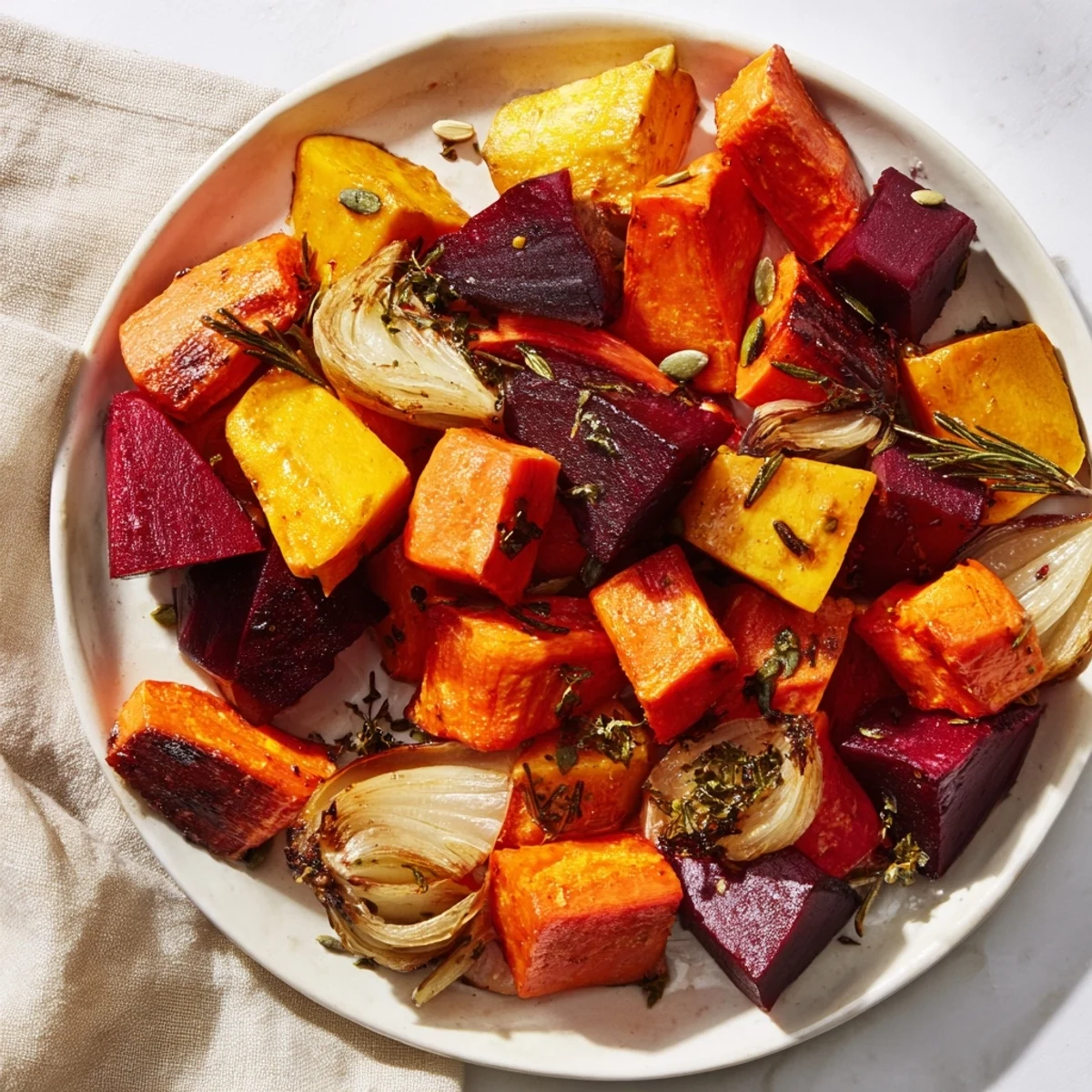
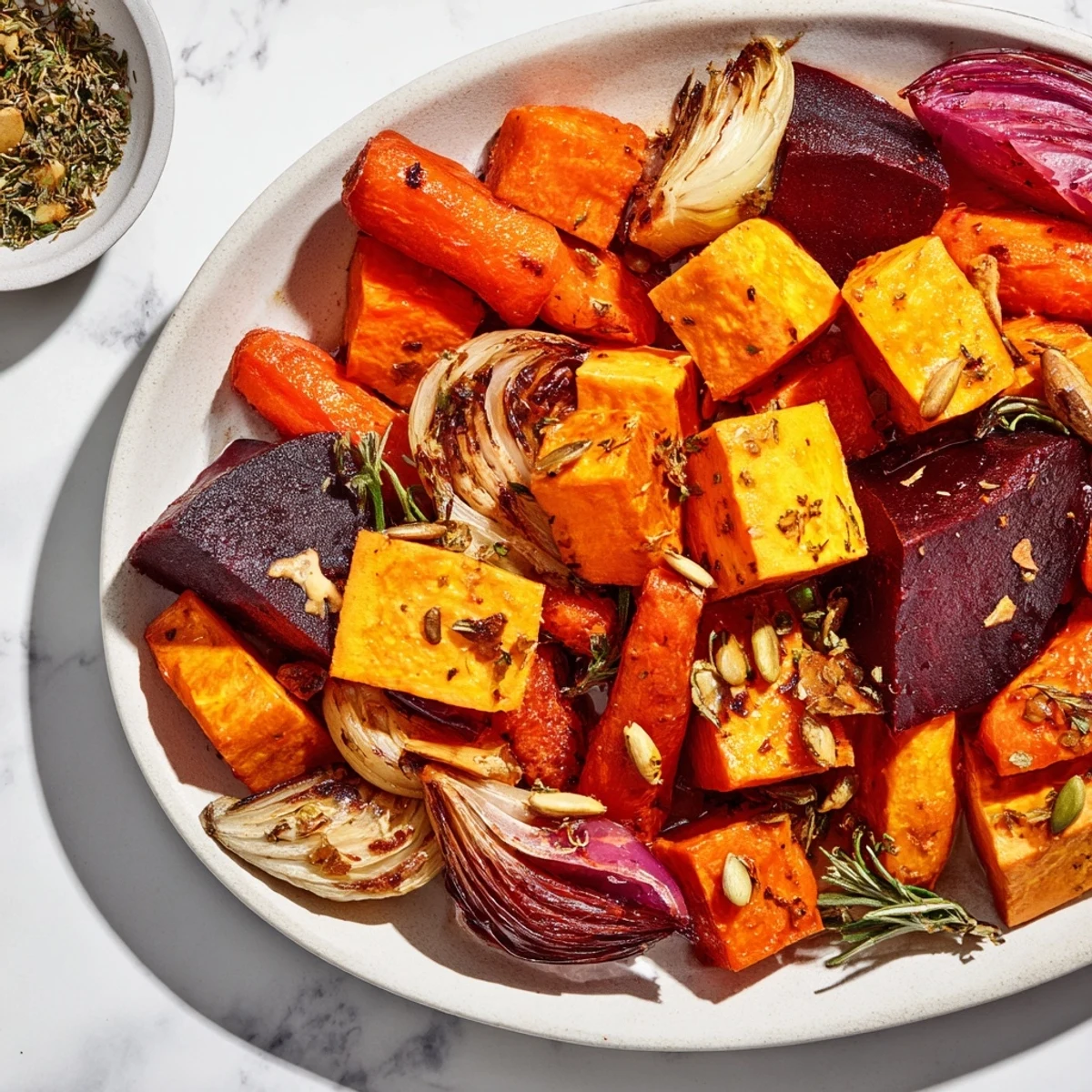
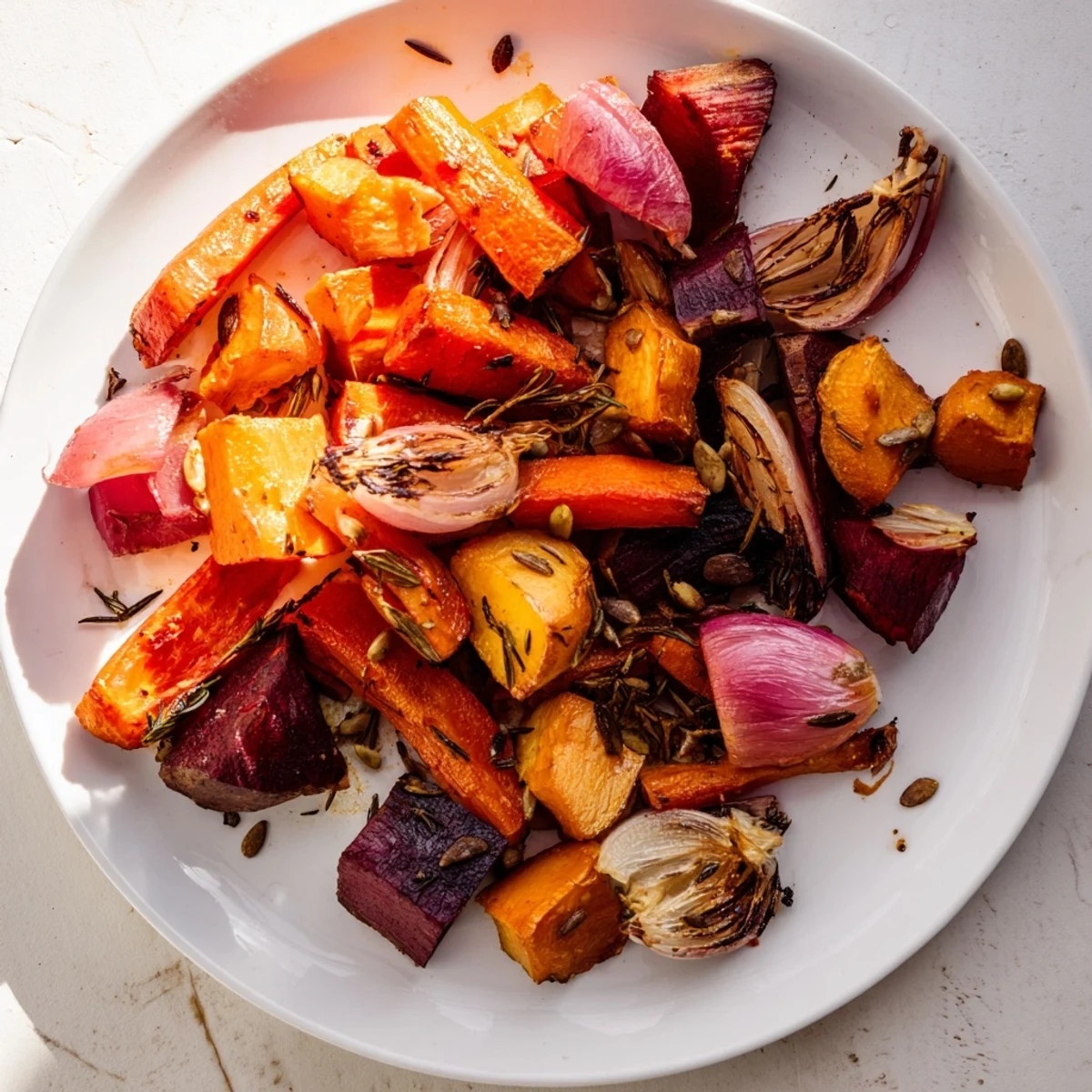
Save This dish features a colorful blend of carrots, parsnips, beets, sweet potato, and red onion, all tossed in olive oil, fresh herbs, salt, and pepper. Roasting at high heat creates tender, golden vegetables with smoky, lightly charred edges that highlight their natural sweetness. Finished with a splash of balsamic vinegar and optional fresh parsley and toasted pumpkin seeds for added texture, it serves as a nutritious and flavorful main or side dish.
I remember the first time I truly understood the magic of roasted root vegetables. It was a crisp autumn afternoon when my neighbor brought over a warm, fragrant sheet pan of charred roots from her farmers market haul. The kitchen filled with this incredible caramelized aroma—sweet, earthy, almost nutty—and I was completely won over. That single moment changed how I approached vegetable cooking forever. Now, whenever I want to turn humble root vegetables into something genuinely exciting, this is what I reach for.
I made these for a dinner party last winter, and I watched my guests—who usually push vegetables to the edge of their plates—absolutely light up when they tasted that first forkful. The charred edges, the tender insides, the way the balsamic added that final touch of sophistication. One friend asked for the recipe three times that evening. That's when I knew this wasn't just a side dish—it was a conversation starter.
Ingredients
- Carrots: They're the foundation here, bringing natural sweetness and a tender bite. Two medium ones give you enough substance without overwhelming the other vegetables
- Parsnips: These are the ones that surprised me—when roasted, they turn almost creamy inside with edges that char beautifully. They're what makes this dish feel special
- Golden beets: I prefer golden to red because they're slightly sweeter and won't bleed color everywhere, but either works. Their earthy depth is essential
- Sweet potato: The wild card that adds a hint of natural sugar and keeps everything from feeling too savory. It roasts faster than you'd think
- Red onion: Thick wedges caramelize gorgeously and add a subtle sweetness that builds as they roast
- Olive oil: Use a generous hand here—about 3 tablespoons is what lets everything get those golden, crispy edges
- Kosher salt and black pepper: Simple but essential for letting the vegetables shine
- Fresh rosemary and thyme: These herbs are non-negotiable. Fresh makes all the difference—dried won't give you that same brightness
- Balsamic vinegar: The finishing touch that adds a sophisticated tang and pulls all the flavors together
Instructions
- Start with heat:
- Preheat your oven to 220°C (425°F) and let your baking sheet get scorching hot inside. This is the secret to those gorgeous caramelized edges. Don't skip this step—the hot pan is what transforms these vegetables from roasted to truly charred.
- Coat everything generously:
- In a large bowl, toss your vegetables with the olive oil, salt, pepper, and fresh herbs. Use your hands if you need to—make sure every piece is glistening with oil and aromatic with herbs. This is where the flavor begins.
- Spread and sizzle:
- Carefully spread the vegetables in a single layer on that hot baking sheet. You'll hear the beautiful sizzle as they hit the pan. Resist the urge to crowd them or they'll steam instead of roast. Give them space to breathe.
- Let them transform:
- Roast for 35 to 40 minutes, turning everything halfway through with a spatula or tongs. Watch for that magic moment when the edges turn golden and charred—that's where all the deepest flavor lives. The vegetables should be tender when you pierce them with a fork.
- Finish with brightness:
- Drizzle the hot roasted vegetables with balsamic vinegar and toss gently. That acidity cuts through the richness and brings everything into sharp focus.
- Plate and garnish:
- Transfer everything to a serving platter. If you're using them, scatter fresh parsley and toasted pumpkin seeds over the top. Serve while still warm, when they're at their most comforting.
 Save
Save There's something deeply nourishing about a plate of roasted vegetables that goes beyond nutrition. It's the knowledge that you've taken something humble from the earth and made it shine through simple technique and respect for ingredients. That's when cooking stops being about following directions and becomes about understanding what you're doing.
The Magic of Charring
Charring vegetables isn't burning them—it's a technique called the Maillard reaction, where the natural sugars caramelize and create hundreds of new flavor compounds. This is why roasted vegetables taste nothing like steamed ones. The char lines aren't a mistake; they're the evidence of transformation. Every dark edge is packed with concentrated, caramelized sweetness.
Your Own Vegetable Combinations
The beauty of this recipe is how flexible it is. Use whatever root vegetables are at their peak in your market or lurking in your vegetable drawer. Rutabaga, celeriac, turnips, regular potatoes—they all work. The only rule is to cut them to roughly the same size so they roast evenly. I've learned that mixing textures and colors makes the dish more interesting, but what matters most is using what speaks to you.
Making It a Complete Meal
While these roasted roots are perfect as a side, I've found they're equally satisfying as a vegetarian main course. A dollop of Greek yogurt or tahini drizzle adds creaminess and richness, making it feel more substantial. I sometimes serve mine alongside a simple grain like quinoa or farro, or with warm bread to soak up any pan juices. The vegetables pair beautifully with fresh herbs, a squeeze of lemon, or even a sprinkle of feta if you're not keeping it dairy-free. Trust your instincts about what feels right for your table.
- Add whole garlic cloves with the skin on—they roast to a sweet, spreadable paste
- A squeeze of fresh lemon juice right before serving brightens everything beautifully
- These keep well in the refrigerator and are wonderful served cold the next day
 Save
Save This recipe taught me that the simplest dishes often carry the most meaning. There's honesty in letting good vegetables speak for themselves with nothing but heat and herbs. I hope it becomes something you return to again and again, the way I do.
Recipe FAQs
- → What vegetables are best for roasting in this dish?
-
Root vegetables like carrots, parsnips, golden beets, sweet potatoes, and red onions are ideal due to their firm texture and natural sweetness that intensifies when roasted.
- → How do I achieve the charred edges on the vegetables?
-
Roasting at a high oven temperature (around 220°C/425°F) and turning the vegetables halfway through cooking promotes caramelization and lightly charred edges.
- → Can I customize the herb seasoning?
-
Yes, fresh rosemary and thyme are used here for their earthy flavors, but you can experiment with sage, oregano, or other herbs that complement roasted roots.
- → What is the purpose of adding balsamic vinegar at the end?
-
Drizzling balsamic vinegar after roasting adds a tangy sweetness that balances the caramelized flavors and enhances the dish’s complexity.
- → Are there any suitable garnishes to finish this dish?
-
Chopped fresh parsley adds brightness, while toasted pumpkin seeds provide a crunchy contrast, though both are optional and customizable.