
 Save
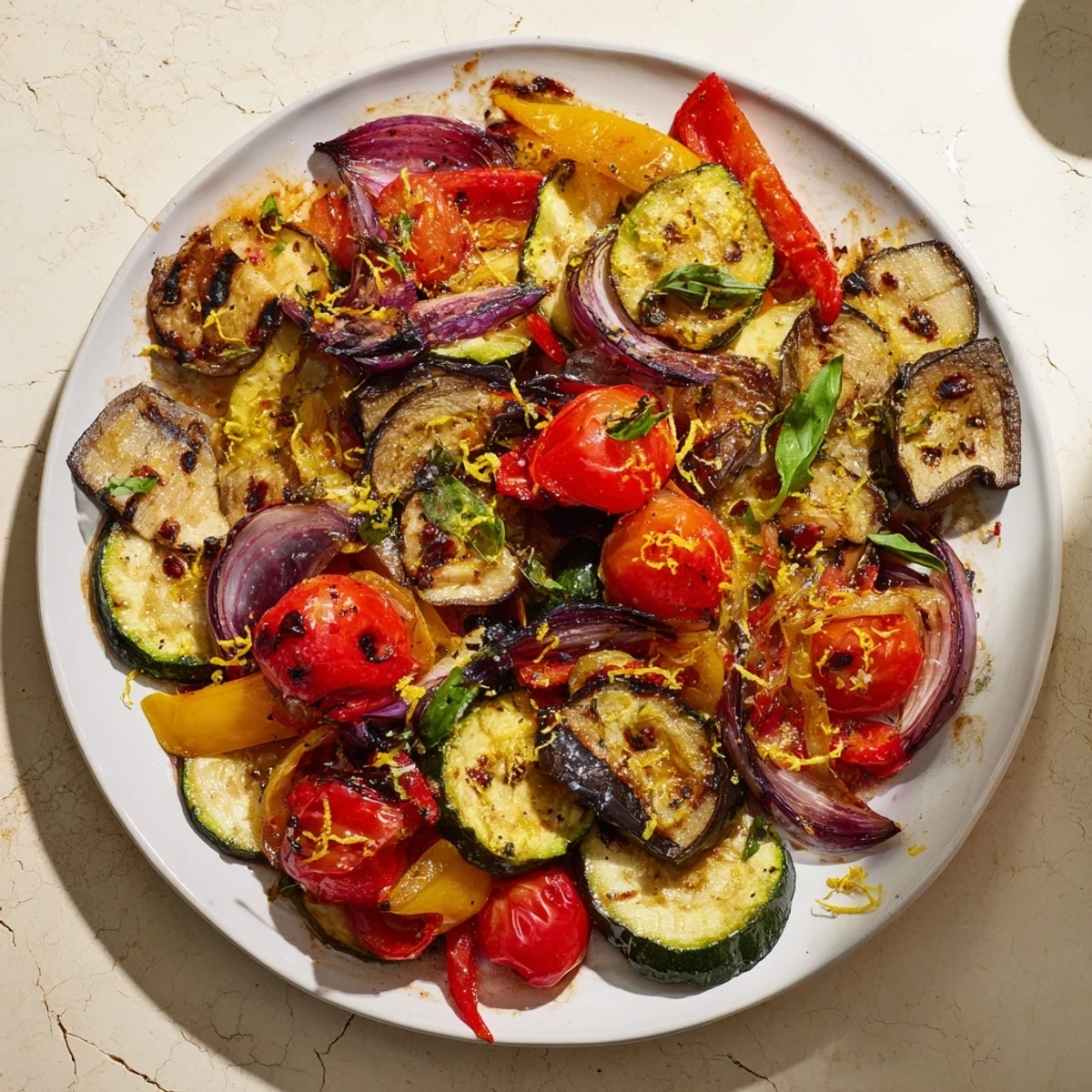
Save This dish features an assortment of fresh seasonal vegetables including zucchini, bell peppers, red onion, eggplant, and cherry tomatoes. Tossed in a marinade of olive oil, balsamic vinegar, garlic, and smoked paprika, the vegetables are grilled until perfectly charred, enhancing their natural sweetness and smoky depth. Finished with lemon zest and fresh basil, it offers a vibrant and nutritious option suitable for vegan and gluten-free diets. Quick to prepare and easy to cook, it makes a delightful side or light main for any occasion.
I discovered the magic of charred vegetables on a late summer evening when my grill broke down right before guests arrived. Out of desperation, I grabbed a cast iron pan, turned the heat up high, and threw in whatever vegetables I could find. Those smoky, caramelized pieces emerged golden and crackling, and I realized that sometimes the best kitchen moments come from accidents. Now, charred vegetables are my secret weapon for turning simple ingredients into something that tastes like it came from a Mediterranean restaurant.
I'll never forget the first time I served this to my sister, who claimed she didn't really like eggplant. She had seconds, then thirds, and asked for the recipe before leaving. That's when I understood that charring vegetables isn't just a cooking technique—it's a transformation that wins over even the skeptics at the table.
Ingredients
- Zucchini: Sliced into 1/2-inch rounds so they have enough surface area to char without falling apart. Thinner slices tend to dry out, thicker ones won't get those beautiful caramelized edges.
- Red and yellow bell peppers: Cut into large chunks so they stay intact on the grill and develop those gorgeous charred patches while staying tender inside. The two colors make the finished dish visually stunning.
- Red onion: Cut into wedges so it caramelizes slowly, developing natural sweetness. The red color deepens beautifully when charred.
- Eggplant: Sliced into 1/2-inch pieces that develop a silky interior and crispy exterior. This is where eggplant skeptics get converted.
- Cherry tomatoes: Left whole so they burst slightly under heat, releasing their juices into little flavor bombs. Look for ripe, smaller ones.
- Olive oil: The foundation of your marinade, coating each vegetable so it chars evenly without sticking to the grill.
- Balsamic vinegar: Adds depth and a subtle sweetness that complements the smoky char. Just a tablespoon is enough—too much overpowers the vegetables.
- Garlic: Minced fine so it infuses into the oil without burning on the grill. This is where the savory depth comes from.
- Smoked paprika: The secret ingredient that amplifies the charred flavor even before the grill heats up. Use the good stuff if you can.
- Sea salt and black pepper: Season generously. The vegetables need assertive seasoning to taste their best.
- Fresh basil: Torn by hand just before serving so it stays vibrant and aromatic. This is your final note of freshness.
- Lemon zest: Bright and necessary, cutting through the richness and making every bite feel balanced.
Instructions
- Make your marinade:
- In a large bowl, whisk together the olive oil, balsamic vinegar, minced garlic, smoked paprika, salt, and pepper. Don't rush this step—let the garlic and spices mingle in the oil for a moment so the flavors fully bloom. You want a cohesive marinade, not just oil with things floating in it.
- Coat your vegetables:
- Add all your prepped vegetables to the bowl and toss gently but thoroughly, using your hands if you need to. Make sure every piece is kissed by that golden marinade. If something looks dry, add an extra drizzle of oil. This is where you're seasoning the vegetables from the inside out.
- Get your grill ready:
- Whether you're using a grill pan on the stovetop or an outdoor grill, preheat it over medium-high heat until it's genuinely hot. You want to hear that sizzle when the vegetables hit the surface. If you're using a pan, medium-high works best; if you have an outdoor grill, aim for a spot with good heat but not directly over flames if possible.
- Char in batches:
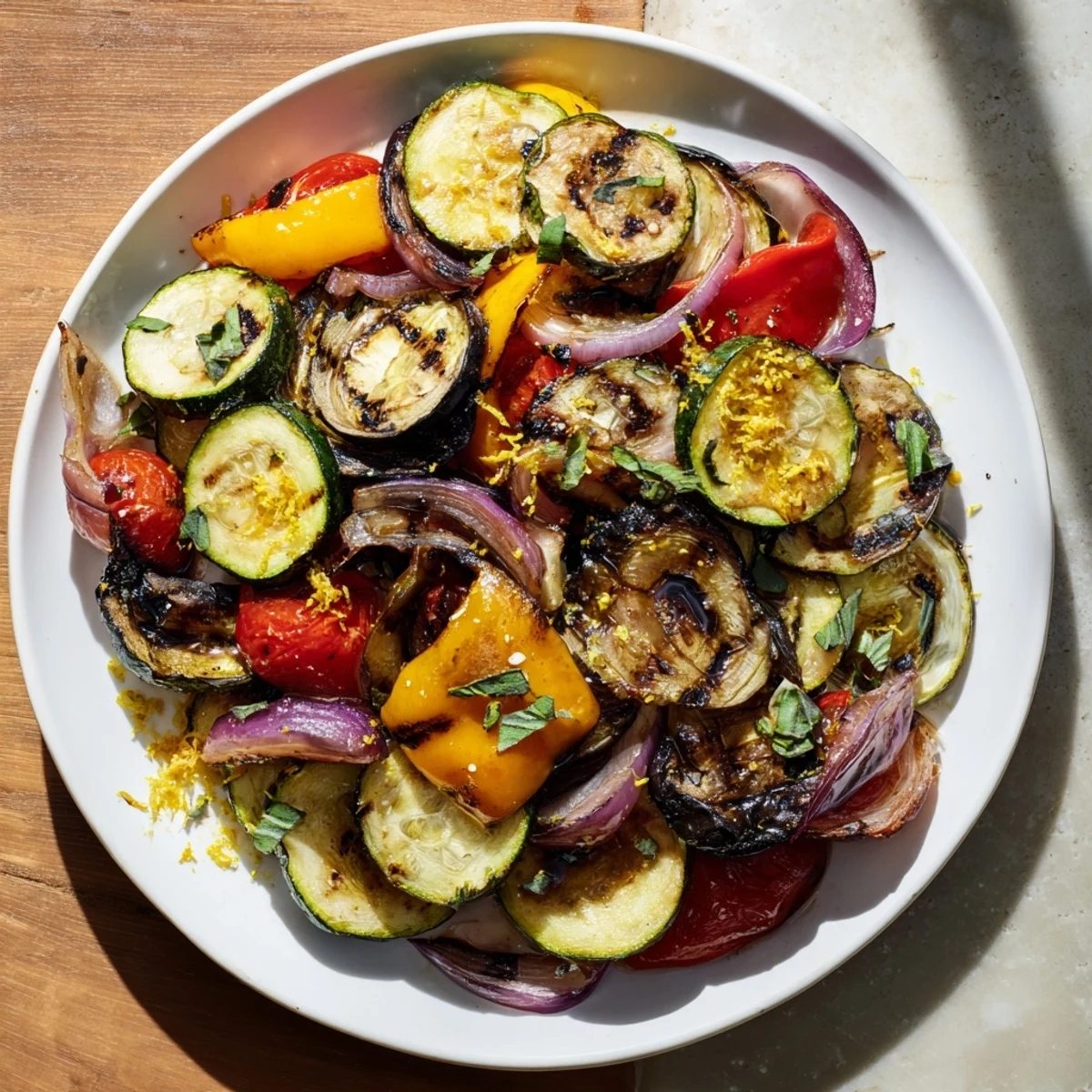
- Arrange the vegetables in a single layer—don't crowd the grill or they'll steam instead of char. Let them sit undisturbed for 3 to 5 minutes, resisting the urge to fidget with them. You'll smell the caramelization starting. When you turn them, you'll see those gorgeous dark patches. That's exactly what you want. Grill another 3 to 5 minutes on the other side until they're tender inside and charred outside. Work in batches if needed so every vegetable gets its moment of glory.
- Rest and garnish:
- Transfer your charred vegetables to a serving platter, letting them cool for just a moment. While they're still warm, shower them with fresh lemon zest and scatter torn basil leaves across the top. The warmth will release the basil's aromatics, and the lemon zest will stick to the charred surfaces.
- Serve with confidence:
- Serve warm or at room temperature. Both are equally delicious. Cold vegetables keep well in the fridge for a few days, making this great for meal prep or unexpected guests.
 Save
Save There's something almost meditative about standing over a hot grill, watching vegetables transform from raw to caramelized. My friend once asked why I loved cooking so much, and I realized it was moments like these—where simple vegetables become something remarkable, and everyone slows down to savor every bite.
Variations That Work Beautifully
The beauty of this recipe is its flexibility. I've charred asparagus spears, thick carrot sticks, and halved mushrooms with equal success. In spring, I add thin slices of spring onion. In fall, I throw on chunks of butternut squash if I pre-roast them first. The technique stays the same—good oil, high heat, patience—but the cast changes with the seasons. Trust your instincts about what vegetables are looking their best at the market.
Beyond the Side Dish
Most people treat charred vegetables as a side, which is fine. But I've found they're magic in other contexts too. Pile them on toasted bread with a dollop of ricotta or hummus for rustic bruschetta. Toss them with warm grains for a hearty salad. Or serve them as they are with good bread and some creamy cheese for a casual lunch that feels special. This versatility is why I make a double batch whenever I can.
The Secret to Perfect Charring
After years of grilling vegetables, I've learned that patience and proper heat are non-negotiable. The vegetables need to sit on a hot surface long enough to develop that charred crust, but not so long they fall apart. Every grill is different, so pay attention to how yours behaves. Some grill pans run hotter than others. Some outdoor grills have hot spots and cool spots. Get to know your equipment, and you'll develop an intuition for exactly when to flip. That intuition is what separates okay charred vegetables from the kind that make people close their eyes and smile.
- Don't move the vegetables around constantly. Let them develop color in one spot before flipping.
- If your grill isn't hot enough, you'll end up with steamed vegetables instead of charred ones, so preheat properly.
- Vegetables vary in thickness, so don't feel bad about pulling some off earlier if they're done while others need a bit longer.
 Save
Save These charred vegetables have become my favorite way to prove that simple food done well beats complicated food every time. I hope they become a regular on your table too.
Recipe FAQs
- → What vegetables work best for charring?
-
Zucchini, bell peppers, red onion, eggplant, and cherry tomatoes are ideal for achieving a smoky char and tender texture.
- → How long should the vegetables marinate?
-
For best flavor, toss the vegetables in the marinade immediately before grilling to ensure even coating and enhanced taste.
- → Can I use an outdoor grill instead of a grill pan?
-
Yes, both an outdoor grill and a grill pan work well to create a delicious charred effect on the vegetables.
- → What garnishes complement the charred vegetables?
-
Fresh torn basil and lemon zest add brightness and enhance the smoky flavors beautifully.
- → Are there seasoning variations recommended?
-
Adding smoked paprika, garlic, and balsamic vinegar provides depth, but you can experiment with herbs like thyme or oregano for variation.