
 Save
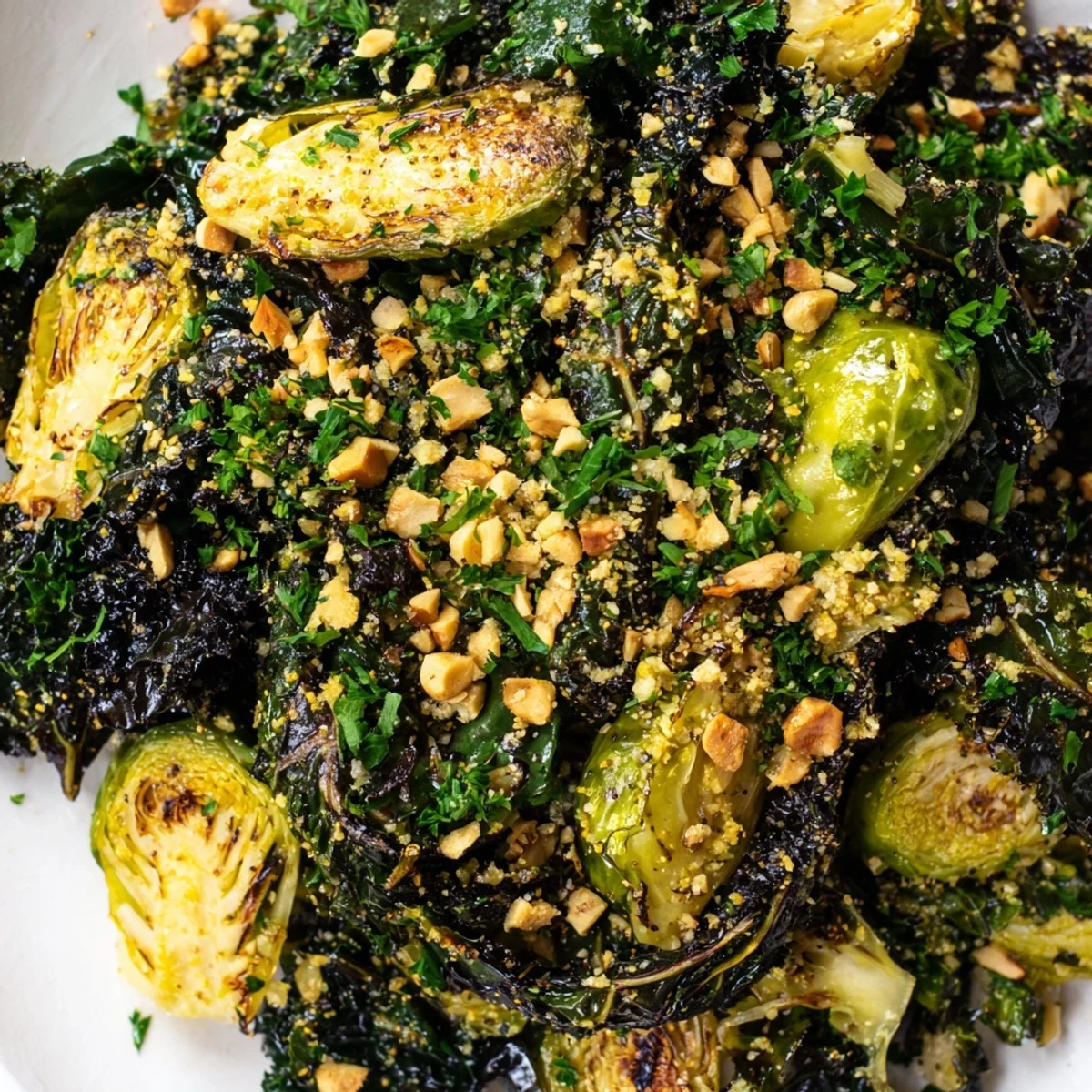
Save This dish highlights robust winter greens like kale, Swiss chard, and Brussels sprouts, quickly charred in a hot skillet to develop deep smoky flavors. A zesty lemon dressing with garlic and Dijon mustard brightens the greens, while toasted hazelnuts or walnuts add a satisfying crunch. It's a vibrant, easy-to-prepare side perfect for pairing with roasted meats or grains, offering a delightful combination of textures and fresh, bold flavors.
There's something almost meditative about watching greens transform under high heat, the way they go from limp and mild to smoky and bold in just a few minutes. I discovered this dish on a grey November afternoon when I had a fridge full of kale and chard that needed rescuing, and a cast-iron skillet that was practically begging for action. One simple char changed everything about how I think of winter vegetables.
I made this for a dinner party where someone mentioned they were trying to eat more vegetables, and I watched them go back for seconds without even realizing it. That's when I knew this wasn't just a side dish—it was a conversation starter, proof that simple technique and good ingredients could do more than any complicated recipe ever could.
Ingredients
- Kale: Use a full large bunch with stems removed; they're tough and bitter, and life is too short to bite into one by accident.
- Swiss chard: The earthiness balances kale's intensity, and the tender leaves char beautifully without falling apart.
- Brussels sprouts: Halved so they char on the flat side and stay just firm enough to bite into with a satisfying crunch.
- Extra-virgin olive oil: Two tablespoons total—one for tossing, one for the dressing—each doing different work.
- Lemon zest and juice: The zest goes into the dressing for brightness, the juice for acidity that wakes up everything.
- Garlic clove: Minced fine so it dissolves into the dressing rather than appearing as awkward chunks.
- Dijon mustard: Just a teaspoon acts as an emulsifier and adds a subtle sharpness that ties the whole dish together.
- Sea salt and cracked black pepper: Use fresh cracked pepper if you can; it makes a real difference in taste and texture.
- Toasted hazelnuts or walnuts: The nuttiness against charred greens is where the magic happens, so don't skip the toasting step.
- Fresh parsley: Optional but I'd call it essential; it adds a fresh green note that cuts through the smokiness.
Instructions
- Heat your pan until it's almost angry:
- A cast-iron skillet or grill pan needs to be smoking hot—this isn't the time to be cautious. Listen for that aggressive sizzle when the first greens hit the surface.
- Coat the greens lightly:
- In a large bowl, toss your kale, chard, and Brussels sprout halves with 1 tablespoon of olive oil and a pinch of salt until everything glistens. Don't oversaturate; you want them dry enough to char, not steam.
- Char in batches, pressing gently:
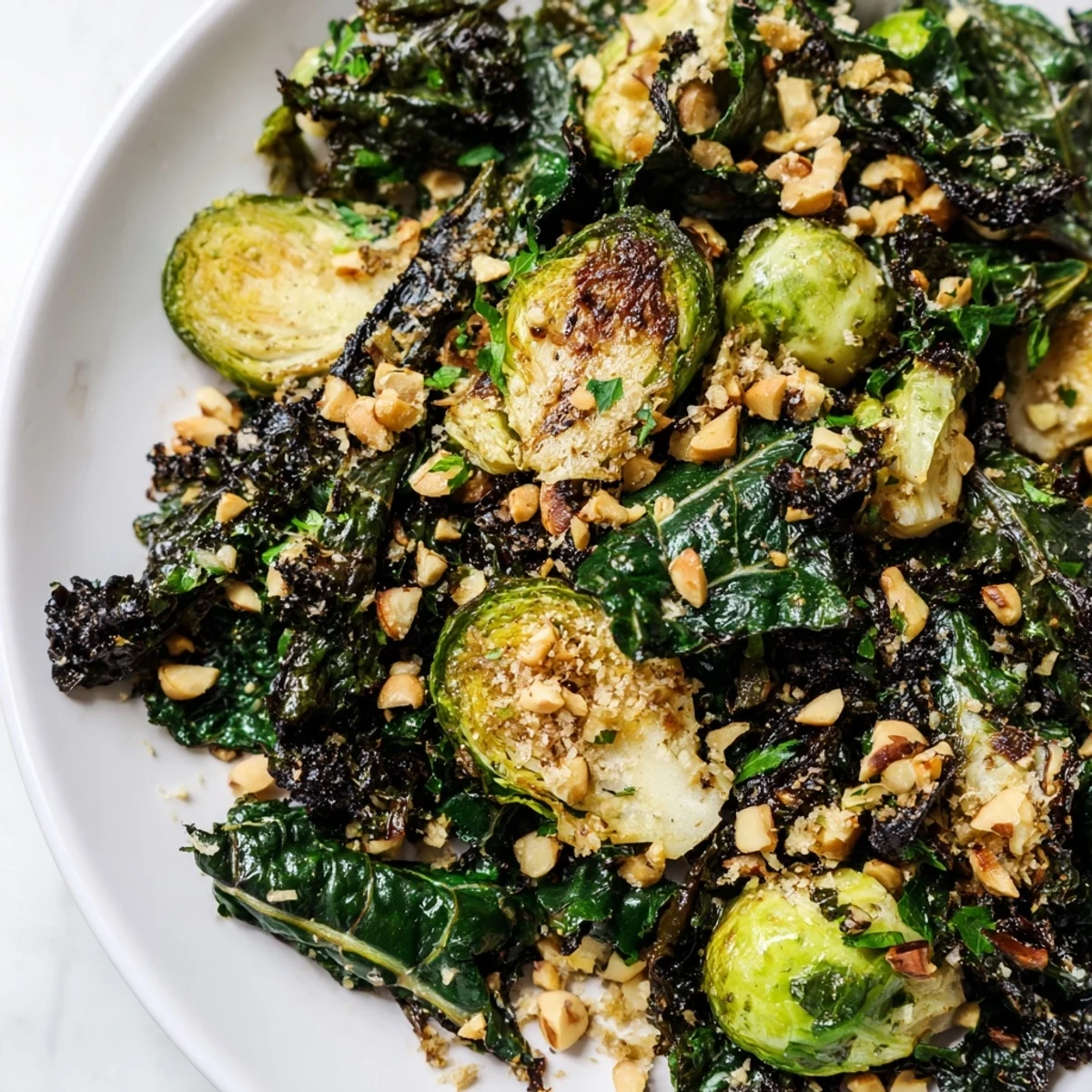
- Arrange greens in a single layer without crowding—they need room to breathe and make contact with heat. Press lightly with tongs and let them sit undisturbed for 2–3 minutes until deep golden or blackened spots appear. Flip and char the other side for 1–2 minutes, then transfer to your platter while they're still warm.
- Build a bright dressing:
- Whisk together the remaining 1 tablespoon olive oil, lemon zest, lemon juice, minced garlic, Dijon mustard, salt, and pepper until it tastes balanced—tangy, a little sharp, luxurious. Taste as you go; you're the judge here.
- Bring it all together:
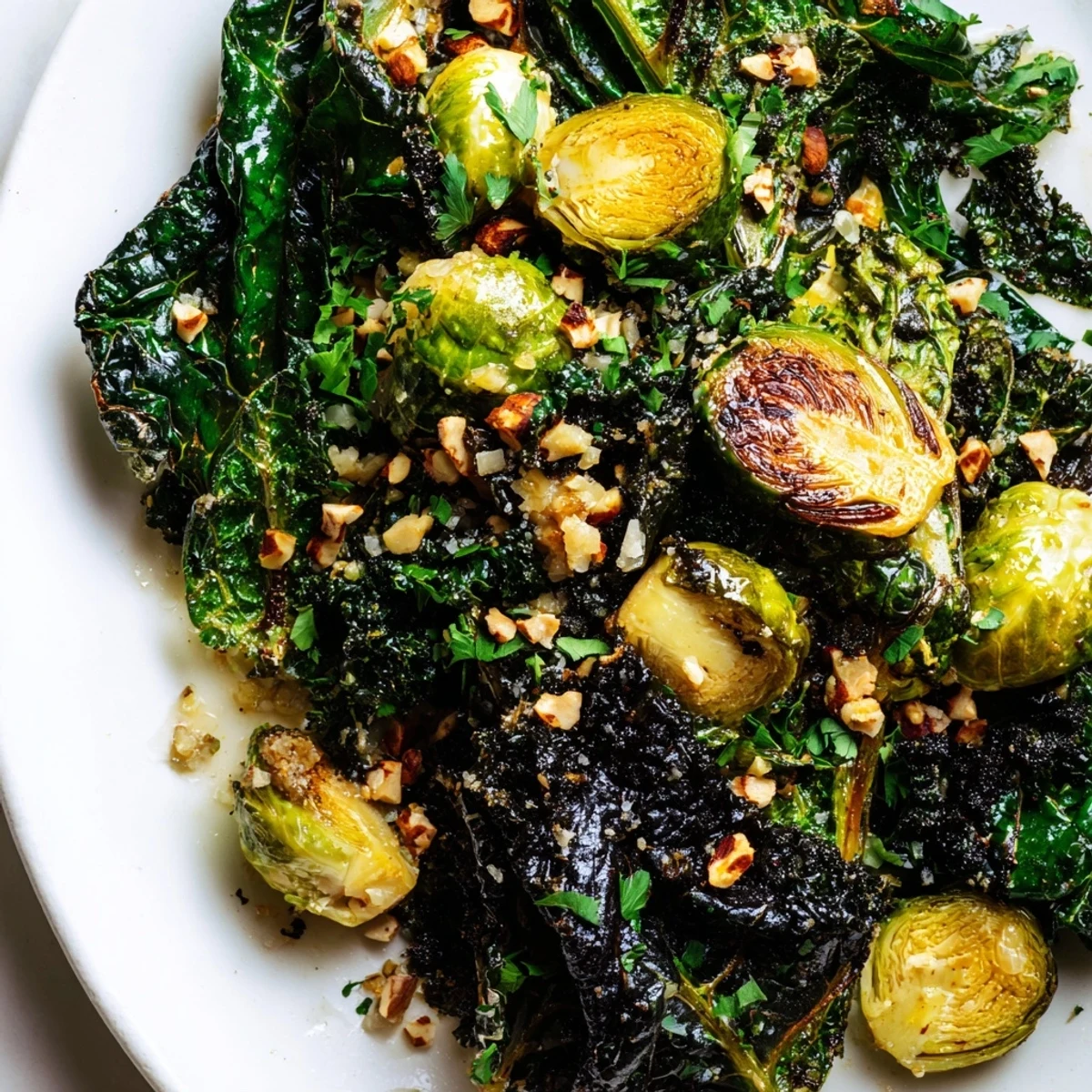
- Drizzle the warm greens generously with dressing, then top with toasted nuts and parsley just before serving. The warmth helps the flavors meld without cooking off the brightness.
 Save
Save The first time someone told me charred greens tasted better than the fresh salad version, I felt oddly vindicated. It's one of those small kitchen victories that reminds you why cooking matters—not for fancy technique, but for showing people that vegetables can be genuinely exciting.
The Magic of High Heat
High heat isn't just about temperature; it's about transforming texture and flavor in seconds. When vegetables char, the moisture on their surface caramelizes, creating deep, complex flavors that you can't get any other way. This dish works because you're not trying to cook the greens through—you're just kissing them with heat to unlock what's already there.
Building a Better Dressing
The dressing is where technique whispers rather than shouts. Whisking together acid, oil, mustard, and garlic creates an emulsion that clings to every leaf instead of pooling at the bottom of the plate. The lemon zest matters as much as the juice—it brings brightness that juice alone can't quite deliver, and the mustard acts as an invisible hand holding everything together.
Why This Becomes a Favorite
This dish works in winter when you need color and vigor on your plate, and it's flexible enough to adapt to whatever greens you have on hand. Serve it warm alongside roasted chicken or fish, or pile it on top of grain bowls for something more substantial.
- Collard greens, savoy cabbage, or any sturdy winter greens work beautifully in place of kale or chard.
- A pinch of chili flakes in the dressing adds warmth and complexity if you're in the mood for heat.
- Leftovers are genuinely good the next day—the flavors settle and deepen once everything cools.
 Save
Save This is the kind of recipe that teaches you something every time you make it, whether it's about your stove's hot spots or how different greens behave under heat. Keep making it, and eventually you'll stop following the recipe and start dancing with the pan instead.
Recipe FAQs
- → What greens work best for charring in this dish?
-
Kale, Swiss chard, and Brussels sprouts hold up well to high heat and develop smoky flavors, making them ideal choices.
- → Can I substitute the nuts in the topping?
-
Yes, toasted hazelnuts or walnuts provide crunch, but other toasted nuts like almonds or pecans can be used as alternatives.
- → How should the greens be prepared before charring?
-
Remove stems, roughly chop leaves, and toss with olive oil and salt to ensure even charring and flavor infusion.
- → What adds brightness to the charred greens?
-
A lemon dressing made with zest, juice, garlic, Dijon mustard, and olive oil balances the smoky richness with fresh acidity.
- → Any tips for achieving the perfect char?
-
Use a very hot cast-iron skillet or grill pan, arrange greens in a single layer without overcrowding, and let them undisturbed until golden spots form.