
 Save
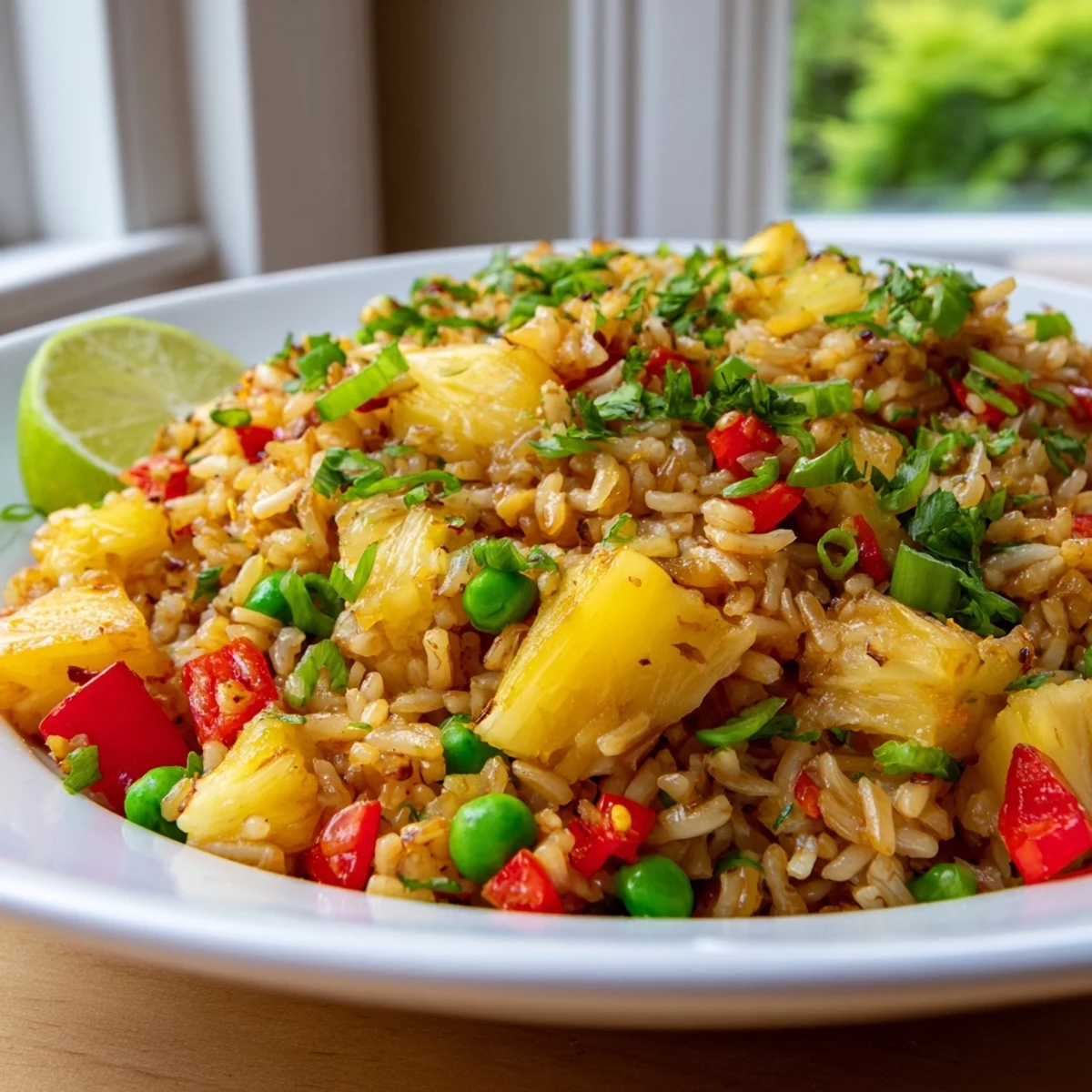
Save This chili lime pineapple fried rice brings together day-old jasmine rice with caramelized pineapple chunks, crisp bell peppers, and sweet peas in a blazing hot wok.
Fresh red chilies deliver a warming kick, while lime zest and juice brighten every grain. A splash of soy sauce and toasted sesame oil ties the savory and sweet elements together beautifully.
Finished with generous handfuls of chopped cilantro and served with lime wedges, it works equally well as a main course or a vibrant side dish for your next Asian-inspired spread.
The sizzle of rice hitting a screaming hot wok is one of those sounds that instantly transports me somewhere tropical, somewhere relaxed. My neighbor brought over a pineapple last summer, slightly overripe and leaking juice down her arm, and refused to let it go to waste. That slightly desperate fruit became the best fried rice I have ever tossed together in fifteen minutes of chaotic joy.
I have made this for potlucks, Tuesday nights, and once at a friends vacation rental using a warped pan and a wooden spoon with a crack down the middle. Every single time someone asks for the recipe, and every single time I underestimate how much cilantro I need.
Ingredients
- 3 cups cooked jasmine or long grain rice (day old and chilled): Fresh rice will turn gummy and sad. You want grains that feel distinct and slightly dry, leftovers from yesterday sitting uncovered in the fridge.
- 1 cup fresh pineapple, diced: Canned works in a pinch but you lose that tart brightness and the edges will not caramelize the same way.
- 1 red bell pepper, diced: The sweetness plays beautifully against the chili heat and adds a satisfying crunch where the rice is soft.
- 1/2 cup frozen peas, thawed: Little green bursts of freshness that keep the dish from feeling too heavy or one dimensional.
- 3 green onions, sliced: Divide them, use the white parts in the stir fry and save the greens for scattering on top at the end.
- 2 cloves garlic, minced: Fresh is nonnegotiable here. The jarred stuff gets lost behind the bold pineapple and chili.
- 1 to 2 red chilies, finely chopped: Start with one if you are unsure. You can always add more heat but you cannot take it away once that fire is in the pan.
- 1/2 teaspoon ground white or black pepper: A subtle background warmth that rounds out the sharper flavors without competing with them.
- 2 tablespoons soy sauce (or tamari for gluten free): This is your salt and your umami backbone. Tamari gives a slightly richer, deeper flavor if you go that route.
- 1 tablespoon toasted sesame oil: Just a drizzle at the end for that nutty, toasty aroma that makes everything taste like it came from a restaurant kitchen.
- Zest and juice of 1 lime: The zest goes in during cooking for depth, the juice hits at the end for a bright wake up call on your palate.
- 1/2 teaspoon salt (or to taste): Taste before adding. The soy sauce already carries salt and pineapple adds its own subtle sweetness that balances things.
- 2 tablespoons neutral oil (canola or sunflower): You need a high smoke point oil here. Olive oil will burn and make everything bitter before the rice gets its crust.
- 1/2 cup fresh cilantro, chopped: Stir most of it in off the heat and save a pinch for the top. If you are one of those people who think cilantro tastes like soap, fresh mint is a surprisingly wonderful substitute.
- Lime wedges and extra sliced chili for serving: A squeeze of lime at the table changes everything. It makes each bite feel freshly finished.
Instructions
- Prep everything before the wok turns on:
- Cold rice should be broken apart with wet fingers. Dice your pineapple, slice your peppers, mince garlic, and chop chilies so everything sits in little piles waiting for you. Once the heat is on there is no time to hunt for ingredients.
- Bloom the aromatics fast and hot:
- Heat the neutral oil in a large wok or skillet over medium high heat until it shimmers. Toss in the garlic and chilies and keep them moving for about thirty seconds, just until your kitchen smells incredible and they start to dance.
- Build the vegetable base:
- Add the diced bell pepper and cook for two minutes, letting it pick up some char on the edges while staying crisp inside. You want color and bite, not a soft mushy mess.
- Let the pineapple shine:
- Stir in the pineapple, peas, and white parts of the green onions. Let them sit undisturbed for a moment so the pineapple edges caramelize and turn golden. Those browned bits are pure flavor gold.
- Add the rice and let it toast:
- Push the vegetables to one side of the pan and dump in the cold rice, breaking apart any stubborn clumps with your spatula. Let it sit against the hot surface for a minute or two so individual grains get slightly crispy before you stir.
- Season and bring it all together:
- Pour the soy sauce, sesame oil, lime zest, lime juice, pepper, and salt over the rice. Now stir everything together with purpose, folding the vegetables back into the rice and making sure every grain gets coated in that glossy, tangy sauce.
- Finish with cilantro and serve immediately:
- Kill the heat and fold in most of the chopped cilantro. Plate it up while steam is still rising, topping each portion with the reserved cilantro, extra chili slices, and a lime wedge pressed alongside.
 Save
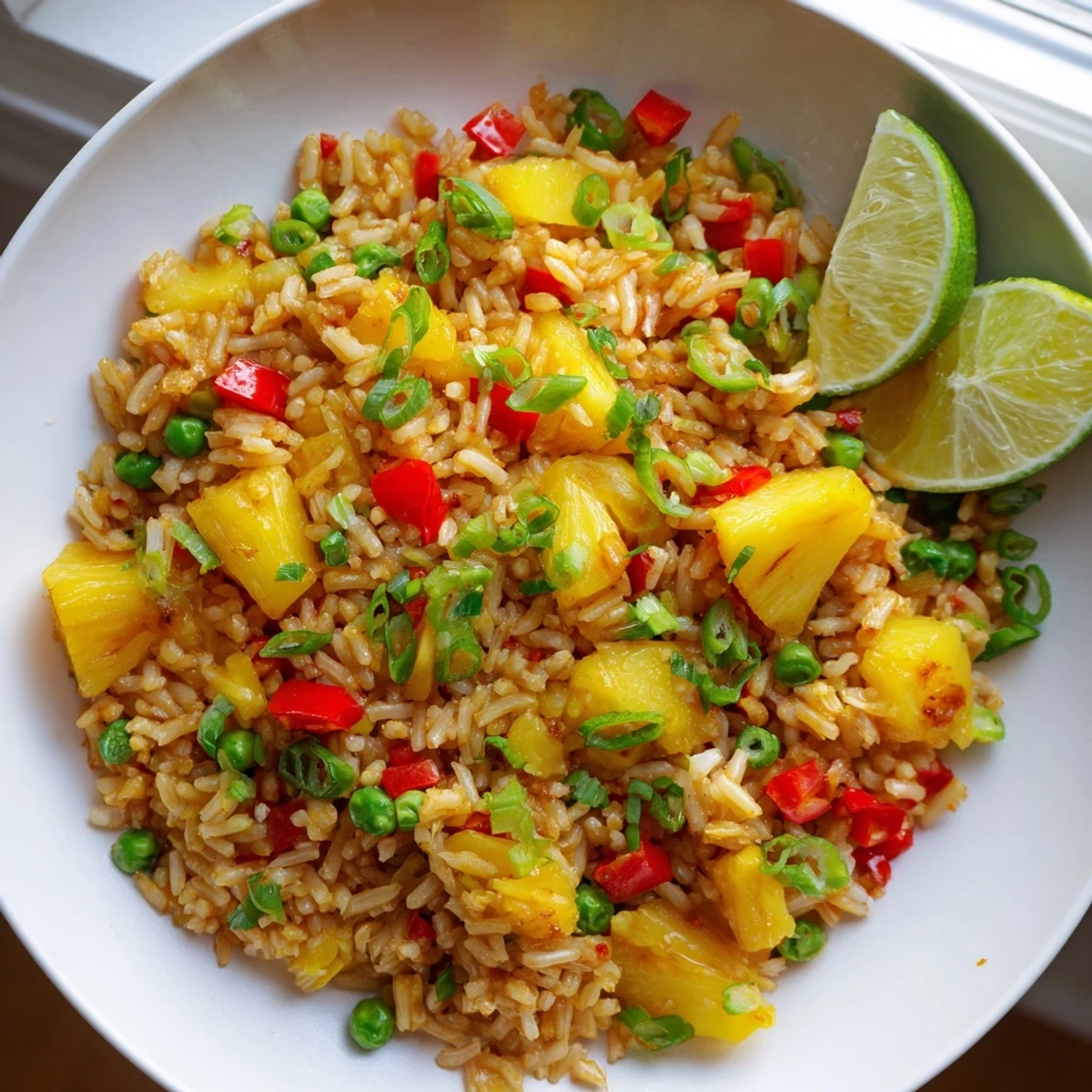
Save There is something about the way lime juice catches the light on a pile of golden rice that makes you slow down before the first bite. I have watched friends standing in my kitchen, plates in hand, eating straight from the wok because waiting for a table felt impossible.
Making It Your Own
This recipe is a canvas more than a rulebook. I have thrown in leftover roasted cauliflower, crumbled firm tofu pressed dry and pan fried until crunchy, and once a handful of cashews that got accidentally mixed in and turned out to be the best mistake of the evening.
Serving It Up Right
If you want to make people gasp when you set the table, hollow out a pineapple half and pile the rice inside. It is completely unnecessary and slightly messy but the presentation turns a Tuesday dinner into something that feels like a celebration worth photographing.
When Time Is Not On Your Side
Sometimes you discover at five oclock that you forgot to make rice the night before. Spread freshly cooked rice on a baking sheet in a thin layer and refrigerate it for at least forty minutes. It will not be perfect but it will be good enough to save dinner.
- Use the hottest burner you have and do not overcrowd the pan, working in two batches if necessary.
- A splash of rice vinegar at the end can approximate some of that missing lime brightness if you are out.
- Leftovers reheat beautifully in a dry skillet the next morning with a fried egg on top.
 Save
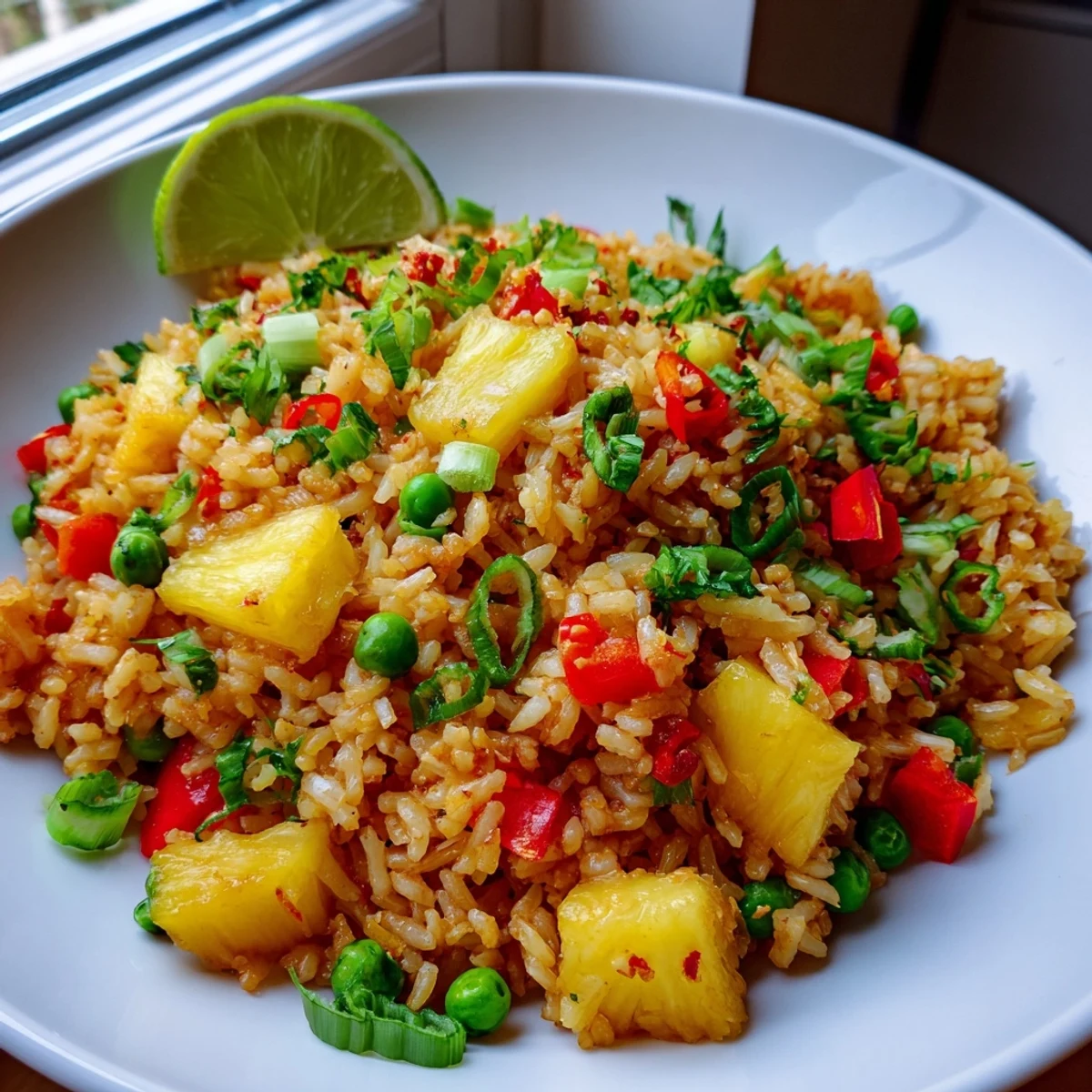
Save Keep a bowl of this warm on the stove and watch how people gravitate toward it, forks already in hand, conversation pausing mid sentence. Some dishes just pull everyone into the kitchen without being asked.
Recipe FAQs
- → Why use day-old rice for fried rice?
-
Day-old chilled rice has lost much of its surface moisture, which allows each grain to separate and fry up with a satisfying chewiness rather than turning gummy or clumping together.
- → Can I use canned pineapple instead of fresh?
-
Yes, but drain it thoroughly and pat the pieces dry. Fresh pineapple caramelizes better in the wok and delivers a brighter, more pronounced tang that pairs well with the chili and lime.
- → How do I adjust the spice level?
-
For mild heat, use just one red chili with the seeds removed. For a bolder kick, keep the seeds in or add an extra chili. You can also finish with a drizzle of sriracha or chili oil at serving.
- → What protein can I add to make it heartier?
-
Scrambled eggs, cubed sautéed tofu, or cooked shrimp all integrate seamlessly. For a non-vegetarian version, diced chicken thigh works wonderfully—just cook it before adding the vegetables.
- → Is this dish gluten-free?
-
It can be. Simply swap regular soy sauce for tamari or a certified gluten-free soy sauce. All other base ingredients are naturally free of gluten, dairy, and eggs.
- → How should I store and reheat leftovers?
-
Cool the rice completely, then refrigerate in an airtight container for up to 3 days. Reheat in a hot skillet or wok with a splash of oil to restore the crispy texture. Avoid microwaving if possible, as it softens the grains.