
 Save
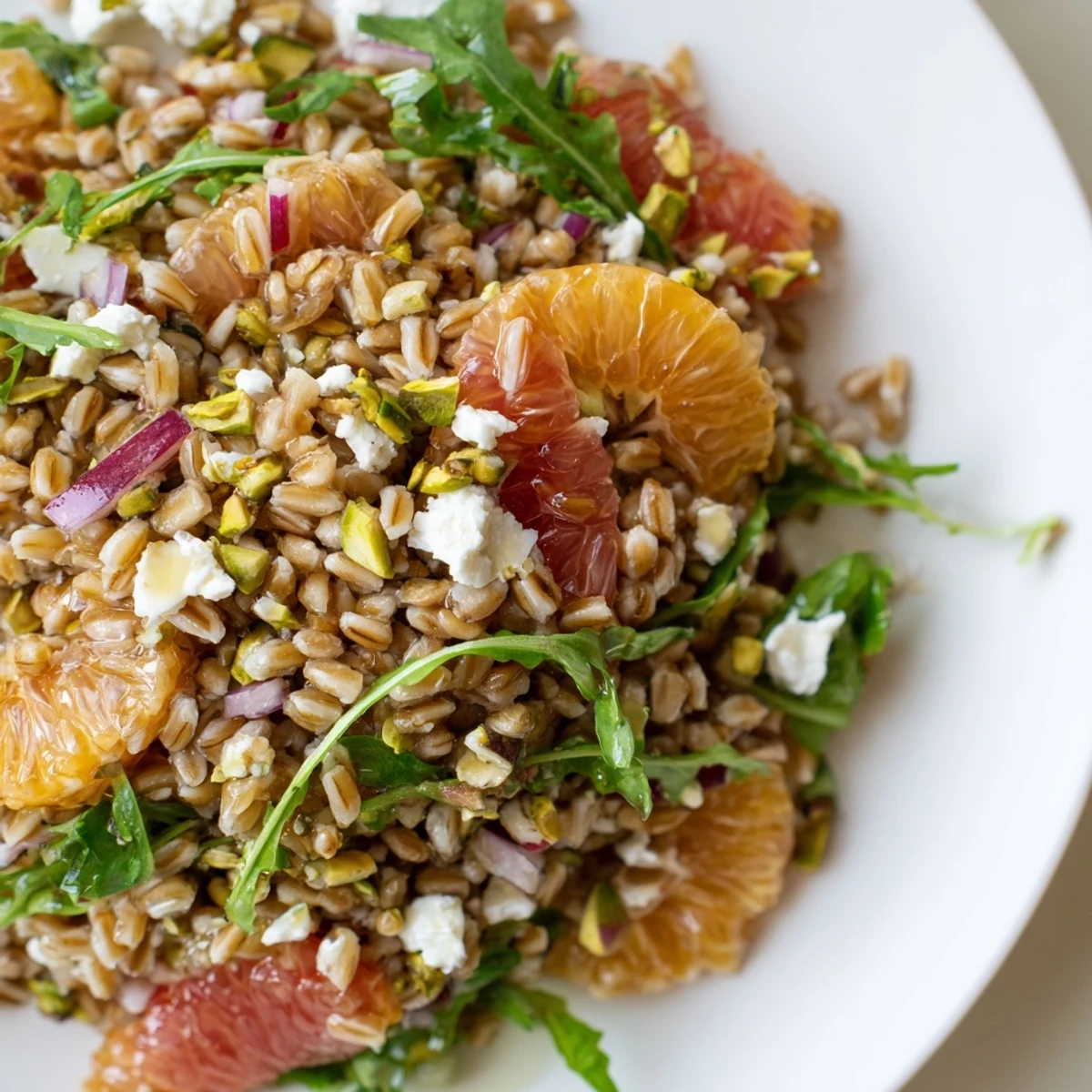
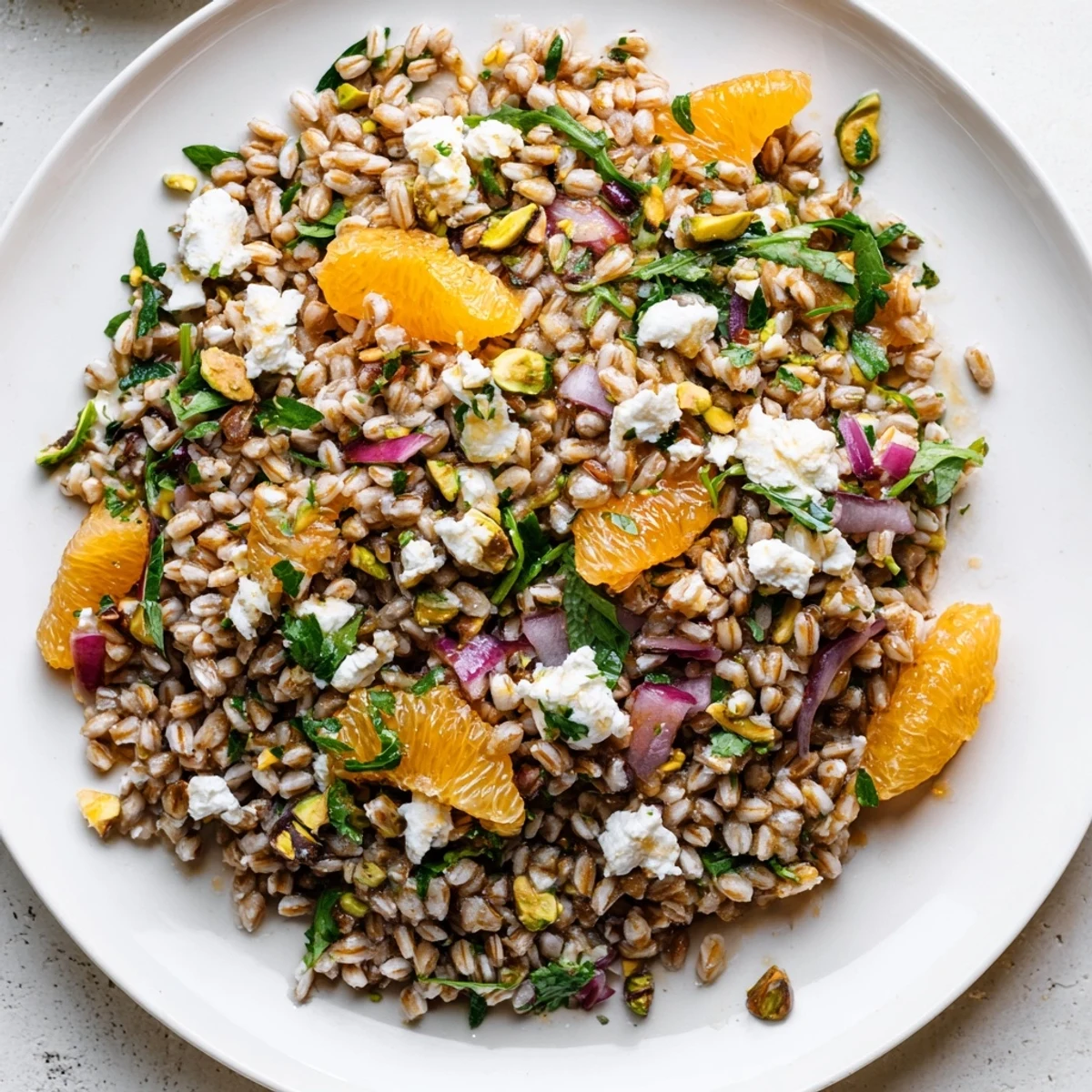
Save This wholesome grain salad highlights chewy farro paired with segments of orange and grapefruit, accented by lemon zest and fresh herbs like parsley and mint. A zesty vinaigrette of olive oil, lemon juice, honey, and Dijon mustard brings bright, balanced flavors. Optional additions like toasted nuts and feta add texture and richness. It can be served chilled or at room temperature, making it a versatile light dish or side.
Preparation involves simmering the farro until tender, segmenting the citrus fruits for freshness, and whisking together a citrusy vinaigrette. The components are gently combined and tossed to maintain a vibrant texture and flavor. Suitable for vegetarian diets, this salad offers a refreshing Mediterranean-inspired touch.
Last summer, I was standing in a farmers market on a Saturday morning when I spotted a pile of blood oranges so beautiful they nearly glowed. The vendor mentioned they paired wonderfully with grains, and something about that combination stuck with me. That afternoon, I raided my pantry for farro and built this salad around those oranges, adding whatever fresh herbs I had on hand. It became the thing I made all season long whenever I wanted something that felt both nourishing and bright.
I made this for a picnic with friends who'd just moved into a new house, and watching them eat it on their back porch felt like the small victory it was. Nobody asked for the recipe at first, which meant they were too busy enjoying it to think about anything else. That's when I knew it had the right balance of interesting and unfussy.
Ingredients
- Farro: This chewy grain holds its texture beautifully and provides a nutty backdrop for bright citrus without overpowering it.
- Orange and grapefruit: The combination gives you sweetness and gentle bitterness in the same salad, which is why they work better together than either alone.
- Lemon zest: Don't skip this—it's where most of the brightness lives, sharper than the juice alone.
- Red onion: Finely diced keeps the bite from overwhelming everything else, and it softens slightly as it sits in the vinaigrette.
- Fresh parsley and mint: These herbs keep the whole thing from feeling heavy, even though farro is a substantial grain.
- Extra virgin olive oil: Quality matters here since the oil doesn't get cooked and becomes part of the flavor story.
- Honey or maple syrup: A small amount balances the acidity without making the salad taste sweet.
- Dijon mustard: This emulsifies the dressing and adds a subtle sharpness that ties everything together.
Instructions
- Cook the farro with intention:
- Rinse your farro first—it removes some starch and helps the grains stay separate. Bring water and salt to a rolling boil, add the farro, then reduce the heat so it simmers gently without sputtering everywhere. You're aiming for tender but with a slight chew, which usually takes about 25 to 30 minutes.
- Prep citrus while the grain cooks:
- Segment your oranges and grapefruit directly over a small bowl to catch all the juice. That juice becomes part of your vinaigrette, so don't let a single drop escape. Chop the segments into pieces small enough to eat in one bite.
- Build your vinaigrette:
- Whisk together oil, lemon juice, honey, mustard, and lemon zest in a small bowl. Add the reserved citrus juices, then taste and adjust salt and pepper. The dressing should taste bright and slightly sharp—you're seasoning for the whole salad, not just the oil.
- Combine everything while farro is still warm:
- This helps the grain absorb the vinaigrette flavors rather than sitting on top of it. Toss gently so you don't crush the citrus segments into pulp.
- Finish and serve:
- If using nuts or cheese, add them just before serving so they stay crisp and don't get soggy. The salad tastes good at any temperature, so serve it however fits your meal.
 Save
Save A friend once brought this to a dinner party at my place, made from my own recipe that I'd shared weeks before. Watching someone else make it taught me something about cooking that's hard to explain—that the best recipes aren't the ones you guard, but the ones that survive other people's kitchens and still taste like home.
Why Citrus and Grain Make Sense Together
Grains on their own can feel dense and one-note, which is why they need bright partners. Citrus cuts through that richness with acidity and sweetness at the same time, waking up your palate rather than putting it to sleep. The combination feels sophisticated without requiring any complicated techniques—just good ingredients doing what they're meant to do.
Making This Salad Your Own
The beauty of this recipe is that it begs for improvisation once you understand the core. If you have cucumber, slice it thin and throw it in. If radishes are in season, they add a peppery crunch that plays nicely with the sweetness. Even adding a handful of arugula at the last second changes the personality of the whole dish without requiring you to rethink anything.
Storage and Timing Tips
This salad actually improves as it sits, which makes it perfect for planning ahead. The farro continues to absorb the vinaigrette flavors, and everything melds into something more cohesive than when you first combined it. You can make it a full day in advance if you keep any nuts or cheese separate until just before serving.
- Keep nuts and cheese in separate containers if you're storing this overnight, as they'll soften from the moisture.
- If the salad seems dry after sitting, drizzle a little more lemon juice or olive oil before serving.
- This works equally well at room temperature, warm, or chilled—pick whatever temperature matches your mood.
 Save
Save This salad taught me that some of the most satisfying meals are the ones that feel like you're eating something complex when you're actually just tossing together good things that belong together. That's the kind of cooking I want to do more of.
Recipe FAQs
- → How do I cook farro for this dish?
-
Simmer rinsed farro in salted water for 25–30 minutes until tender but still chewy. Drain excess water and let cool slightly before mixing.
- → Can I substitute farro with another grain?
-
Yes, quinoa or barley work well as alternatives, adjusting cooking times accordingly.
- → What herbs complement the citrus in this salad?
-
Fresh parsley, mint, and optionally arugula or baby spinach provide a bright, fresh herbal note that balances the citrus flavors.
- → How can I make this dish vegan?
-
Simply omit the feta cheese and use maple syrup instead of honey in the vinaigrette.
- → What nuts are recommended for added texture?
-
Toasted pistachios or almonds add crunch and a nutty richness that pairs well with the citrus and herbs.