
 Save
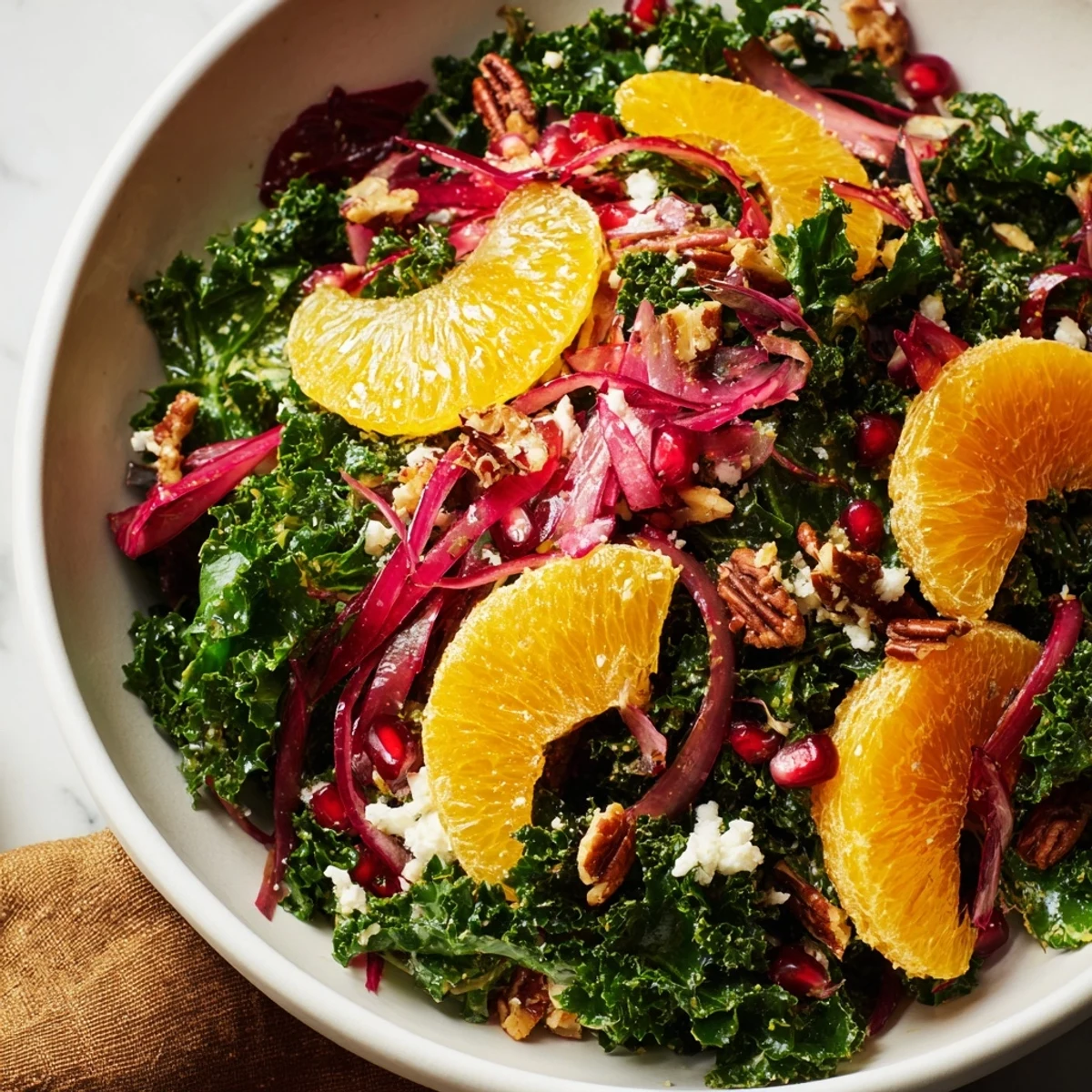
Save Toss mixed winter greens and sliced radicchio as the base. Arrange vibrant segments of orange, grapefruit, and blood orange over the top. Add crunch with pomegranate seeds and toasted pecans or walnuts. Finish with a zesty emulsified dressing of olive oil, citrus juices, honey, and mustard, ensuring every bite is bright and refreshing.
There's something about January that makes me crave salads that feel like sunshine on a plate. I was rummaging through the farmer's market one gray morning, and a vendor handed me a blood orange to taste—one bite and I was sold. That afternoon, I built this salad around that citrus moment, layering in winter greens and pomegranate seeds until my bowl looked like something between a garden and a jewel box.
I made this for a potluck last February when everyone showed up looking like they'd forgotten what colors existed. I watched people's faces light up when they took their first bite—that sharp pop of pomegranate against creamy feta, the brightness of citrus waking up winter-tired taste buds. It became the dish people asked me to bring back.
Ingredients
- Mixed winter greens: Kale, arugula, and baby spinach give you different textures and that pleasant bitter edge that balances sweetness.
- Radicchio: Thinly sliced, it adds peppery crunch and those beautiful purple tones.
- Citrus segments: Orange, grapefruit, and blood orange bring juice and brightness; the variety keeps every bite interesting.
- Pomegranate seeds: They burst with tart sweetness and look stunning scattered across the top.
- Red onion: Paper-thin slices add sharpness without overwhelming the plate.
- Toasted nuts: Pecans or walnuts give you something to chew on and carry the salad into more substantial territory.
- Feta cheese: Optional, but its creaminess and salt are worth the space they take up.
- Extra-virgin olive oil: The foundation of your dressing—use something you'd taste on bread.
- Lemon and orange juice: Fresh citrus juice makes the dressing bright; bottled will flatten it out.
- Honey and Dijon mustard: They emulsify the dressing and add subtle depth.
Instructions
- Combine your greens:
- Toss the winter greens and sliced radicchio together in a large bowl. This is your foundation, and mixing them now means the radicchio's flavors start mingling with the milder greens.
- Layer on the toppings:
- Scatter the citrus segments, pomegranate seeds, red onion, nuts, and feta over the greens. Arrange them how they look beautiful to you—this is where the salad becomes a plate worth photographing.
- Build your dressing:
- Whisk together the olive oil, lemon juice, orange juice, honey, and Dijon mustard in a small bowl or jar. The mustard acts as an emulsifier, helping the oil and acid come together into something silky rather than separated.
- Dress just before serving:
- Drizzle the dressing over the salad and toss gently so everything coats without bruising the greens. If you dress it too early, the citrus juice will start breaking down the tender leaves.
- Serve and taste:
- Plate immediately and add extra pomegranate seeds or nuts on top if you want more visual celebration. This salad is best eaten right away while greens are still crisp and citrus juice is still cold.
 Save
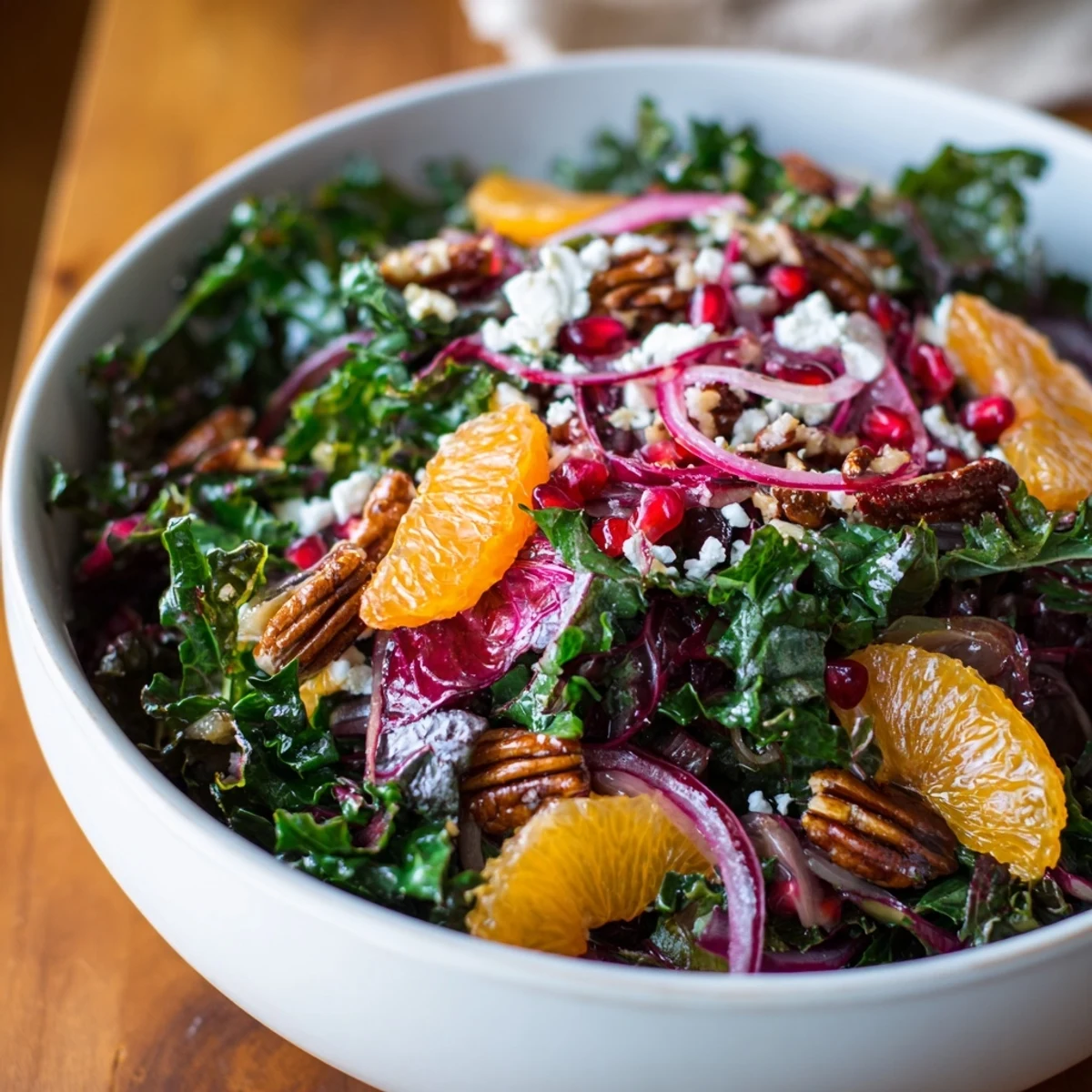
Save The first time I served this at a dinner party, someone asked for the recipe before we'd even cleared the plates. That moment—when something simple becomes the thing people remember—that's when I knew this salad deserved a permanent place at my winter table.
Citrus Selection Matters
The blend of orange, grapefruit, and blood orange isn't arbitrary; it's a flavor conversation. Each brings different sweetness levels and acid profiles, so you get complexity rather than monotone citrus. If blood oranges aren't in season, use a second navel orange and add a splash of white wine vinegar to the dressing to keep the brightness sharp. The point is to find citrus that tastes alive when you bite into it, not tired from sitting in storage.
Greens and Texture Balance
Winter greens are hearty enough to stand up to the acid and oil without wilting, but you still want variety in what you're chewing. Tender baby spinach plays soft against crispy arugula, and kale brings that almost meaty texture. Radicchio ties everything together visually and adds that slight bitterness that makes you want another bite. If you can't find one of these, choose what's closest to home in your market and don't overthink it.
Make It Your Own
This salad is forgiving enough to adapt to what you have on hand and who you're feeding. Swap the nuts based on preference, skip the feta if you're avoiding dairy, add avocado slices if you want richness. The structure—fresh greens, citrus, something crunchy, something creamy, bright dressing—is what makes it work. Everything else is just showing up with your own flavor preferences.
- Roasted beets add earthiness and color if you want the salad more substantial.
- A handful of fresh herbs like mint or parsley brings herbal notes that play beautifully with citrus.
- If you have time, toast your own nuts at 350°F for eight minutes to deepen their flavor.
 Save
Save This salad reminds me that brightness doesn't always come from heat or richness—sometimes it just comes from clean, fresh things arranged with intention. Serve it when you need to remember that winter is temporary and color exists.
Recipe FAQs
- → Can I prepare this in advance?
-
Yes, chop the greens and slice the citrus ahead of time, but wait to add the dressing until right before serving to maintain the crisp texture.
- → What type of greens are best?
-
Hearty greens like kale, radicchio, and arugula are ideal because they hold up well against the weight of the citrus segments and dressing.
- → How do I make it nut-free?
-
Simply omit the toasted pecans or walnuts, or replace them with toasted sunflower seeds or pumpkin seeds for a safe crunch.
- → Is there a substitute for feta?
-
Goat cheese works beautifully for a creamy tang, or you can use avocado slices for a dairy-free, creamy element.
- → What wine pairs with this?
-
A crisp Sauvignon Blanc or a light Pinot Noir complements the acidity of the citrus and the earthiness of the greens.