
 Save
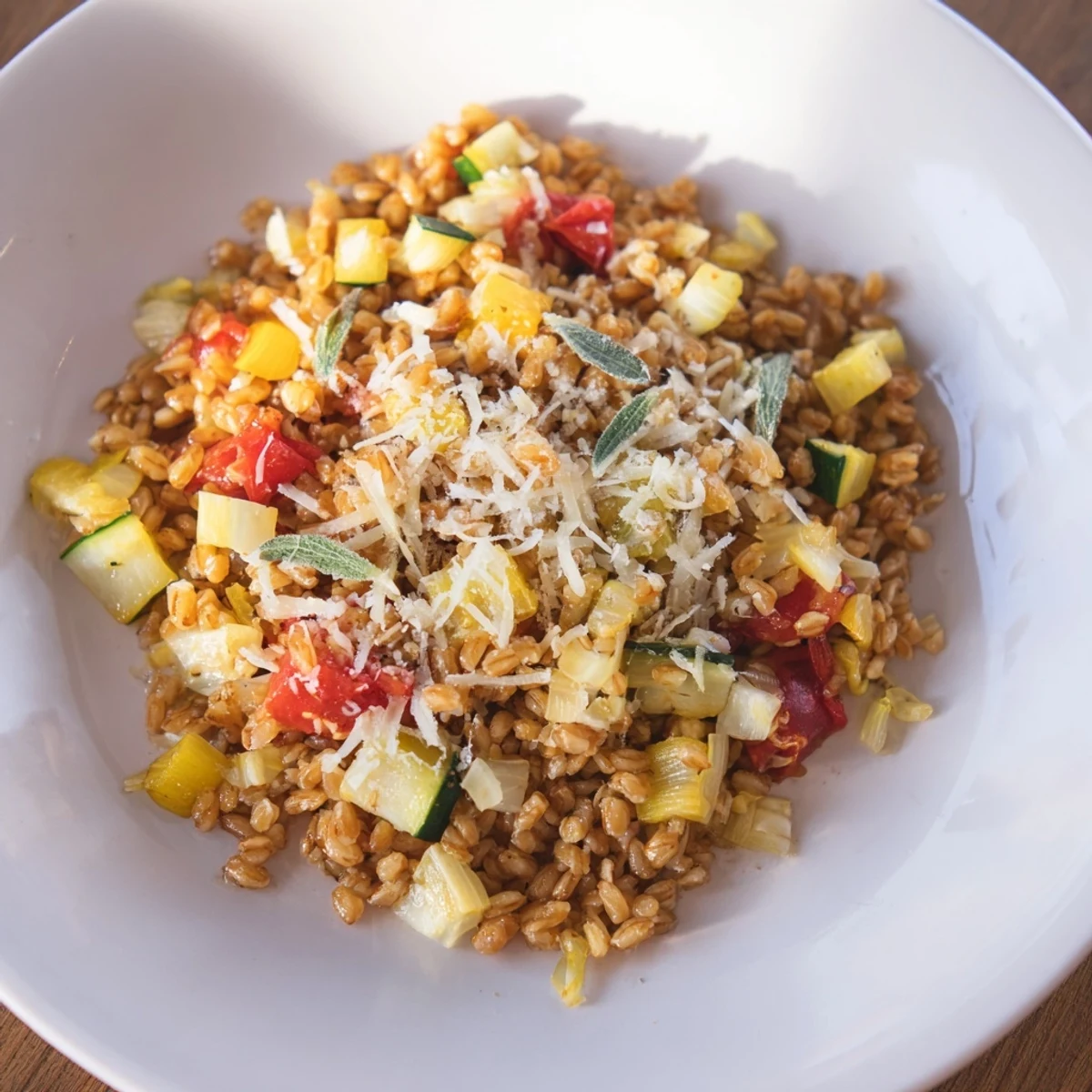
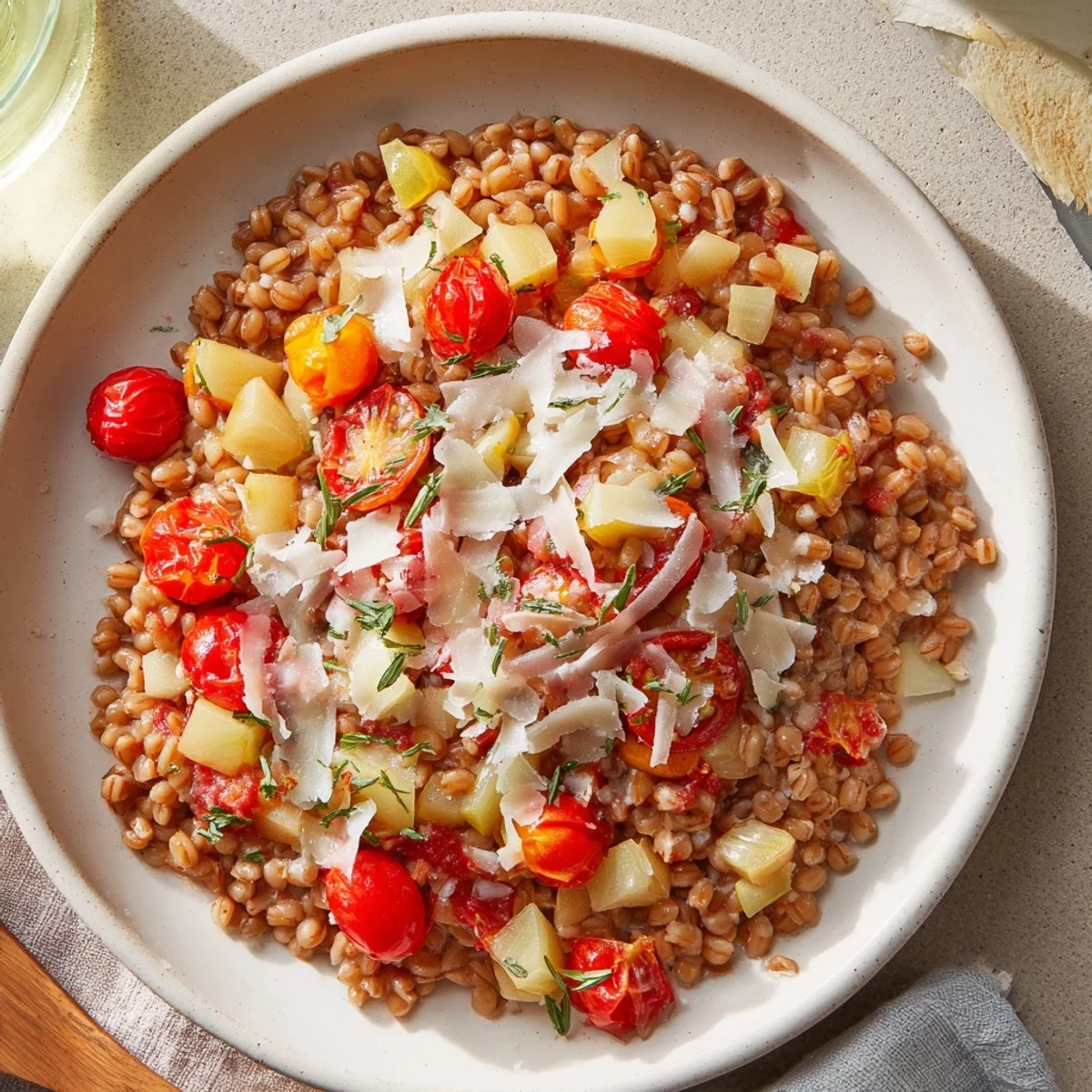
Save This comforting dish features farro grains slowly simmered with a blend of sautéed vegetables, aromatic thyme and oregano, and enriched with parmesan cheese for a creamy finish. The farro absorbs the savory vegetable broth, creating a tender and flavorful grain base. Garnished with fresh parsley, this easy-to-prepare meal offers a wholesome, satisfying experience perfect for a cozy dinner.
I discovered farro on a chilly autumn evening at a small trattoria in Tuscany, where a bowl of this humble grain arrived at my table steaming and golden. The moment I tasted it, I understood why Italians have cherished farro for centuries. It wasn't fancy or complicated, just vegetables and grains cooked with genuine care, and yet it felt like the most comforting thing I'd ever eaten. Years later, I recreate that memory in my own kitchen, and somehow, this simple dish still carries that same warmth and authenticity.
I made this for my sister during her first week in a new city, when she needed comfort food more than anything else. She sat at my kitchen counter and watched the vegetables soften in the pan, the smell of thyme and garlic filling the apartment. By the time we sat down to eat, she was already smiling. That bowl of farro became the turning point in her whole week, a quiet reminder that home isn't just a place but a feeling you can create with simple ingredients and genuine intention.
Ingredients
- 1 cup farro, rinsed: This ancient grain has a wonderful nutty flavor and chewy texture that holds up beautifully to simmering. Always rinse it first to remove any residual dust, and don't skip this step even though it seems small
- 2 tablespoons olive oil: Use good quality oil here, something you actually enjoy tasting, because it becomes part of every bite. It's the foundation for coaxing flavor from your vegetables
- 1 medium yellow onion, finely chopped: This is your flavor base, so take time to chop it evenly. The smaller pieces dissolve into the dish and create a sweet, savory backbone
- 2 cloves garlic, minced: Fresh garlic makes all the difference. Minced fine means it distributes evenly and won't surprise you with sharp bites
- 2 medium carrots, diced: Cut them roughly the same size as your onion pieces so everything cooks at the same pace. They add natural sweetness and color
- 2 celery stalks, diced: This might seem like a small thing, but celery adds an earthy depth that makes people wonder what the secret ingredient is
- 1 cup cherry tomatoes, halved: Fresh tomatoes burst with flavor as they cook and create little pockets of brightness throughout the dish. Halving them lets them blend without disappearing entirely
- 3 cups vegetable broth: Use broth you'd actually drink, not the overly salty kind. This becomes your cooking liquid, so its flavor matters tremendously
- 1/2 cup grated parmesan cheese: Freshly grated is always better than pre-grated, which contains anti-caking agents that can make the sauce feel gritty. This final addition makes everything feel rich
- 1 teaspoon dried thyme and 1/2 teaspoon dried oregano: These Mediterranean herbs are what tie the whole dish to its roots. They whisper rather than shout, which is exactly what makes this feel authentic
- Salt and black pepper, to taste: Season as you go, tasting frequently. This is how you learn what the dish actually needs
- 2 tablespoons fresh parsley, chopped: Save this for the very end, scattered right before serving. It adds brightness and a reminder that fresh herbs make everything better
Instructions
- Start with your aromatic base:
- Pour your olive oil into a large pot and let it warm over medium heat until it shimmers slightly. Add your chopped onion, minced garlic, diced carrots, and celery. As you stir them together, listen for that gentle sizzle, and spend the next 5 to 7 minutes letting them soften and become fragrant. You'll know it's time to move on when the onion turns translucent and the kitchen smells incredible
- Toast the farro:
- Stir your rinsed farro into the softened vegetables and let it cook for about 2 minutes. This toasting step might seem quick, but it develops a subtle nuttiness that makes all the difference. You'll hear it click slightly against the pot as you stir
- Add the aromatics and tomatoes:
- Now scatter in your halved cherry tomatoes, then sprinkle over the dried thyme and oregano. Give everything a good stir so the herbs distribute evenly. Add a pinch of salt and pepper at this point. The mixture should smell like a Mediterranean kitchen
- Bring everything together with broth:
- Pour in your vegetable broth slowly, stirring as you go. Bring the whole pot to a boil, then reduce the heat and let it settle into a gentle simmer. This is the moment where everything comes together. Leave it uncovered and let it bubble quietly for 25 to 30 minutes, stirring every few minutes to keep the grains from sticking to the bottom
- Watch for doneness:
- The farro is ready when it's tender but still has a slight chew, and most of the liquid has been absorbed. Taste a few grains to be sure. This is how you learn the texture you prefer
- Finish with cheese and seasoning:
- Stir in your freshly grated parmesan while the pot is still warm, letting it melt into the grains and create a creamy consistency. Taste and adjust your salt and pepper. This final seasoning is crucial, so take your time
- Plate and garnish:
- Ladle the farro into bowls while it's still steaming hot. Top each bowl with a scatter of fresh parsley and a little extra parmesan if you like. Serve immediately and watch how people's faces soften when they take the first bite
 Save
Save My neighbor, a woman in her eighties who grew up in Rome, tasted this farro and got quiet for a moment. Then she smiled and said it reminded her of Sunday lunches at her grandmother's table. That's when I understood that some dishes transcend the simple act of eating, becoming vessels for memory and connection. This humble bowl of grain and vegetables had somehow managed to bridge decades and continents.
Why Farro Matters
Farro is one of those ancient grains that modern cooking has almost forgotten, which is a shame because it has a texture and flavor that rice and pasta simply can't match. It's chewy but not tough, substantial but not heavy, and it absorbs flavors like a sponge. In Italy, farro has been a staple since Roman times, and there's a reason it's endured for thousands of years. It's genuinely delicious, nutritious, and forgiving to cook with. Once you understand farro, you'll find yourself reaching for it again and again.
Making It Your Own
This recipe is a starting point, not a finish line. In the last few minutes of cooking, you can stir in a handful of chopped spinach or kale for extra greens and nutrition. Some people add a splash of white wine with the broth, which adds a subtle brightness that catches everyone by surprise. Others finish with a drizzle of good quality olive oil and a crack of fresh black pepper. The beauty of this dish is that it welcomes variations. Cook it once as written to understand the foundation, then make it your own.
Pairing and Serving Suggestions
This farro is hearty enough to stand alone as a main course, but it also plays beautifully with other dishes. A crisp salad with sharp vinaigrette cuts through the richness and adds freshness. A crisp white wine like Pinot Grigio is an absolute joy alongside it, the way the wine's acidity brightens each bite is almost magical. Some people serve it alongside roasted vegetables or crusty bread for soaking up every last bit of the cooking liquid. Trust your instincts about what tastes right to you.
- Pair with a fresh arugula salad dressed with lemon and olive oil
- Serve alongside roasted root vegetables for a complete autumn meal
- Add crusty bread to soak up every precious drop of the broth
 Save
Save This farro taught me that sometimes the most meaningful meals are the simplest ones, built on good ingredients and genuine care. Every time I make it, I'm transported back to that trattoria in Tuscany and to my sister's kitchen, and I'm grateful that food has the power to hold those moments.
Recipe FAQs
- → What type of grain is farro?
-
Farro is an ancient wheat grain known for its chewy texture and nutty flavor, often used in Mediterranean cooking.
- → Can I substitute vegetable broth?
-
Yes, you can use chicken broth or water, though vegetable broth adds more depth to the dish.
- → How do I know when farro is fully cooked?
-
Farro is tender yet slightly chewy when done, usually after simmering 25-30 minutes until most broth is absorbed.
- → What herbs complement farro in this dish?
-
Dried thyme and oregano add an aromatic, earthy flavor that pairs perfectly with the grains and vegetables.
- → Can I add other vegetables?
-
Yes, adding greens like spinach or kale in the last few minutes enhances both flavor and nutrition.
- → Is there a vegan alternative to parmesan?
-
Plant-based nutritional yeast or vegan cheese can substitute parmesan for a similar savory taste.