
 Save
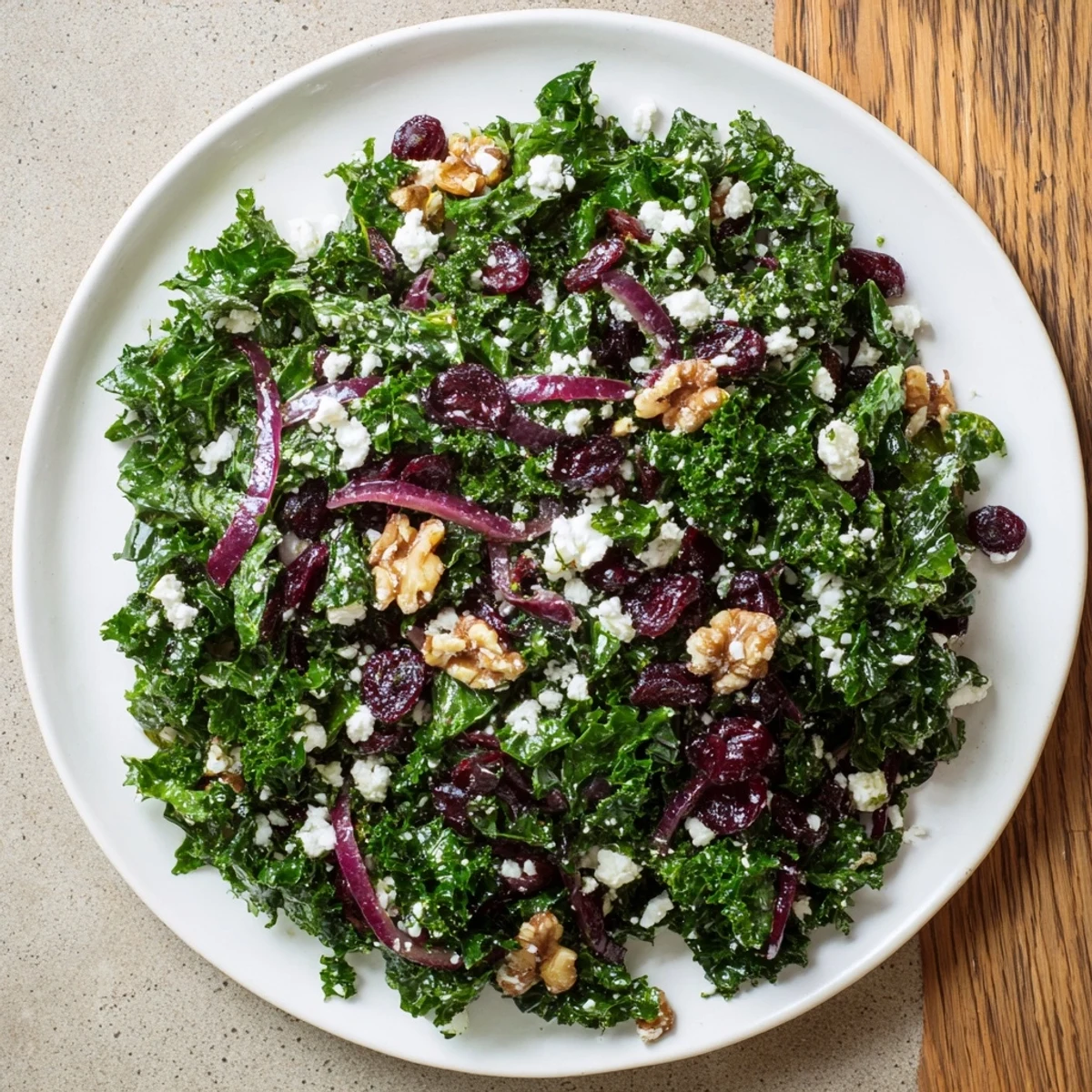
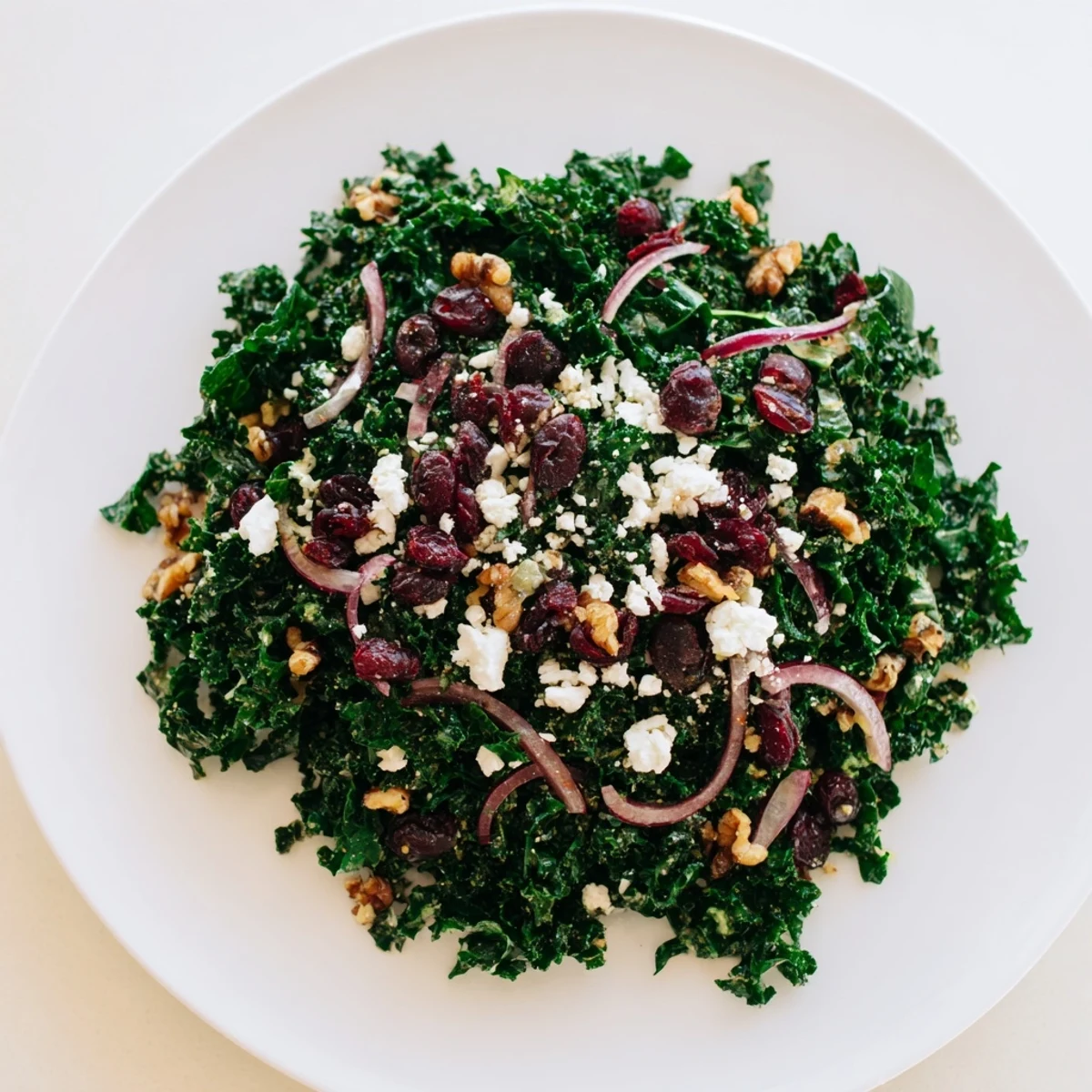
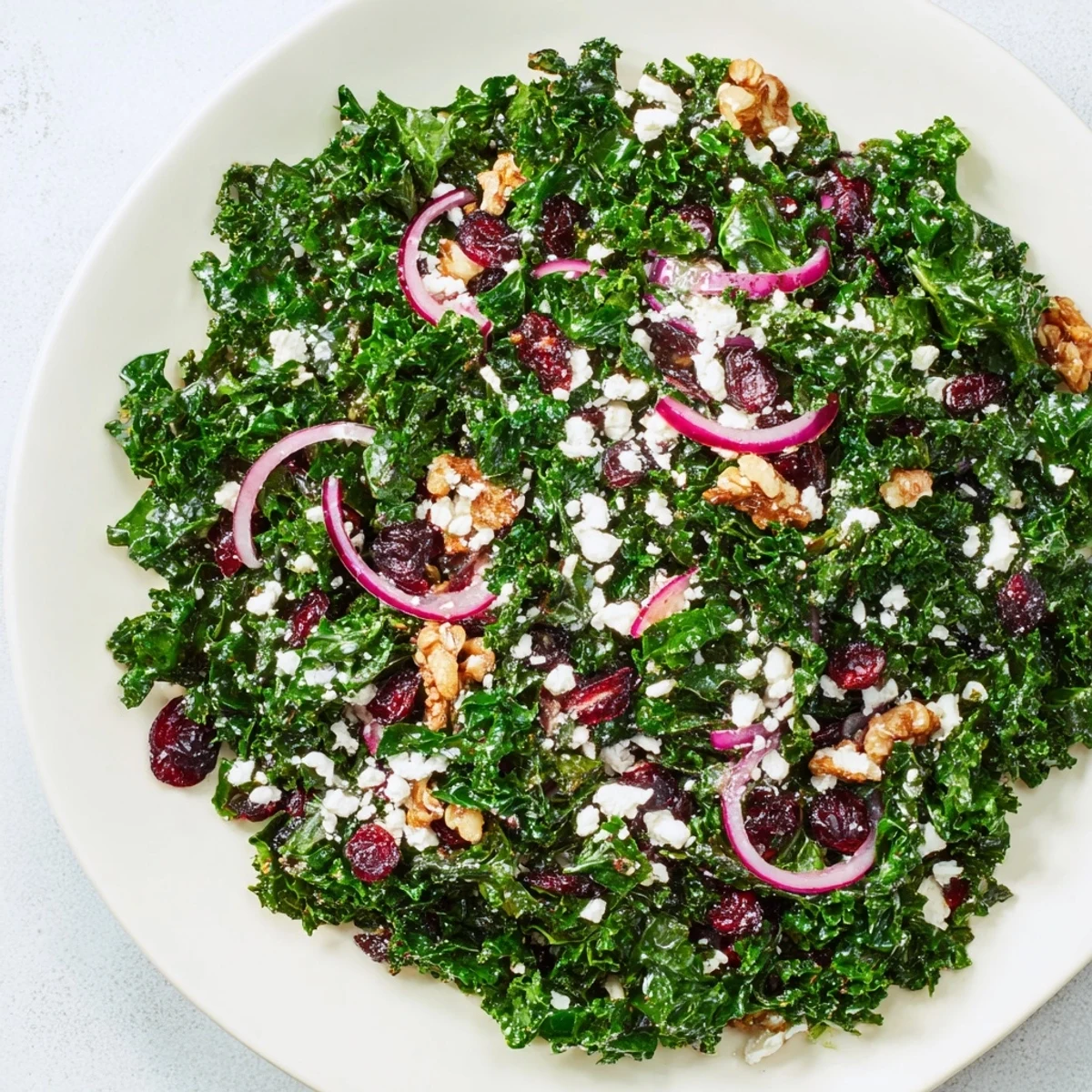
Save This dish features tender kale massaged to soften its texture, combined with sweet dried cranberries and crunchy toasted nuts. A zesty lemon-based dressing, enriched with olive oil, Dijon mustard, and a hint of maple syrup, brings vibrant flavor to the mix. Optional crumbled feta adds a subtle creaminess. It’s quick to prepare, gluten-free, vegetarian, and perfect as a refreshing side or light meal.
For extra variation, try baby spinach, add quinoa or grilled protein, and toast nuts to deepen their aroma. This nourishing blend can be served immediately or chilled to enhance the flavors.
I discovered this salad on a crisp autumn morning when my neighbor brought over a stunning bundle of fresh kale from her garden. She tossed it together with dried cranberries and nuts while we chatted over coffee, and I was immediately struck by how something so simple could taste so vibrant and alive. That moment taught me that the best salads aren't complicated—they're just thoughtful combinations of ingredients that respect each other's flavors.
I'll never forget bringing this salad to a potluck where someone's young daughter asked for seconds—and thirds. That's when I realized this wasn't just food for adults trying to eat better; it was genuinely delicious enough that everyone wanted it, regardless of their usual preferences.
Ingredients
- Kale (1 large bunch, about 6 cups): Choose deep green varieties with tightly crimped leaves—they hold up better to massaging and develop a tender, almost buttery texture. Remove the tough stems by running your fingers along the spine and simply pulling the leaves away.
- Red onion (1 small, thinly sliced): The sharp bite mellows beautifully as it sits with the lemon juice, adding both color and a subtle sweetness that evolves over time.
- Dried cranberries (1/2 cup): These little bursts of tartness and chewiness balance the earthiness of the kale and provide unexpected moments of pleasure in every bite.
- Toasted walnuts or pecans (1/3 cup, roughly chopped): Toast them yourself in a dry skillet for just 2–3 minutes—the difference between raw and toasted nuts is the difference between cardboard and something memorable.
- Feta cheese (1/4 cup crumbled, optional): If you use it, crumble it just before serving so the pieces stay distinct and creamy rather than melting into the salad.
- Extra-virgin olive oil (3 tablespoons): This is where quality matters—you taste it directly, so use something you actually enjoy.
- Fresh lemon juice (2 tablespoons): Squeeze it just before mixing; bottled never tastes quite the same, and this salad deserves fresh.
- Dijon mustard (1 teaspoon): An emulsifier and flavor bridge that makes the dressing cling to the leaves and brings everything into harmony.
- Maple syrup or honey (1 teaspoon): Just enough sweetness to complement the cranberries without making this a dessert.
- Sea salt and black pepper: Season to your taste—these amounts are a starting point, not a mandate.
Instructions
- Massage the kale with intention:
- Put your chopped kale in a large bowl and pour in half the lemon juice. Using both hands, grab the kale and gently squeeze it, as if you're coaxing it to relax. Work it for 1–2 minutes until you see the leaves darken and become noticeably softer. This isn't just technique—you're physically breaking down the cellulose and beginning the transformation from raw to tender.
- Build the dressing:
- In a small bowl, whisk together the olive oil, remaining lemon juice, Dijon mustard, maple syrup, salt, and pepper. Taste it—the dressing should be bright and slightly tangy, with just a whisper of sweetness. Adjust to your preference before adding it to the salad.
- Bring it together:
- Add the sliced red onion, dried cranberries, and toasted nuts to your massaged kale. Drizzle the dressing over everything and toss gently but thoroughly, making sure every leaf gets coated. You want movement and coverage, not crushing.
- Finish and rest:
- If you're using feta, sprinkle it over the top now. Serve immediately if you prefer everything crisp, or let it sit for 10 minutes to an hour—the salad truly improves as it marinates, flavors deepening and textures softening into something even more cohesive.
 Save
Save The moment this salad became something sacred to me was when I made it for my partner on a difficult day, and they told me halfway through eating that they hadn't realized how much they needed something fresh and nourishing. That's when I understood that feeding people well is an act of care.
Why This Salad Works
There's a reason this combination has become a classic across so many kitchens. The kale provides an earthy, almost mineral base note. The cranberries add brightness and chewiness. The walnuts bring warmth and a subtle bitterness that deepens everything. And the lemon dressing ties it all together like a sentence that suddenly makes sense. Each ingredient has a job, and they all work in concert.
Making It Your Own
I've learned that the best recipes are templates, not commandments. I've made this salad with pomegranate seeds instead of cranberries in winter. I've added roasted chickpeas when I wanted more protein. I've swapped the walnuts for almonds, the feta for a drizzle of tahini. The structure stays the same, but the expression changes. That's when cooking becomes personal.
Storage and Serving Suggestions
This salad is genuinely one of the few that tastes better on day two than day one. The kale softens further, the cranberries plump up, and the flavors marry into something more complex. Store it in an airtight container in the refrigerator for up to 24 hours. If you're planning ahead, keep the dressing separate and dress just before serving to maintain maximum crispness—though honestly, I prefer it after it's had time to marinate. Add the feta just before eating so it doesn't get lost in the moisture.
- Pack it in mason jars with the dressing on the bottom for grab-and-go lunches that hold up beautifully through the day.
- Double the recipe and eat it for three days—it genuinely improves with time, becoming something you look forward to rather than something you're eating out of obligation.
- Serve it alongside roasted vegetables or with grilled chicken or tofu for a complete meal that feels both comforting and light.
 Save
Save This salad taught me that nourishing yourself and others doesn't require complicated technique or rare ingredients—just thoughtfulness and willingness to take those extra few seconds to do small things well. That's worth remembering.
Recipe FAQs
- → How do you soften kale for this dish?
-
Massage chopped kale with lemon juice for 1–2 minutes until the leaves darken and become tender, improving texture and flavor.
- → What nuts work best toasted here?
-
Walnuts or pecans are ideal; toast them in a dry skillet over medium heat for 2–3 minutes to enhance their crunch and aroma.
- → Can I substitute dried cranberries?
-
Pomegranate seeds provide a fresh, tart alternative that complements the salad’s flavors well.
- → Is feta cheese necessary?
-
Feta adds creaminess but can be omitted or replaced with a plant-based alternative to keep the dish vegan and dairy-free.
- → How long can the salad be stored?
-
Refrigerate for up to one day; marinating allows flavors to deepen and textures to meld beautifully.