
 Save
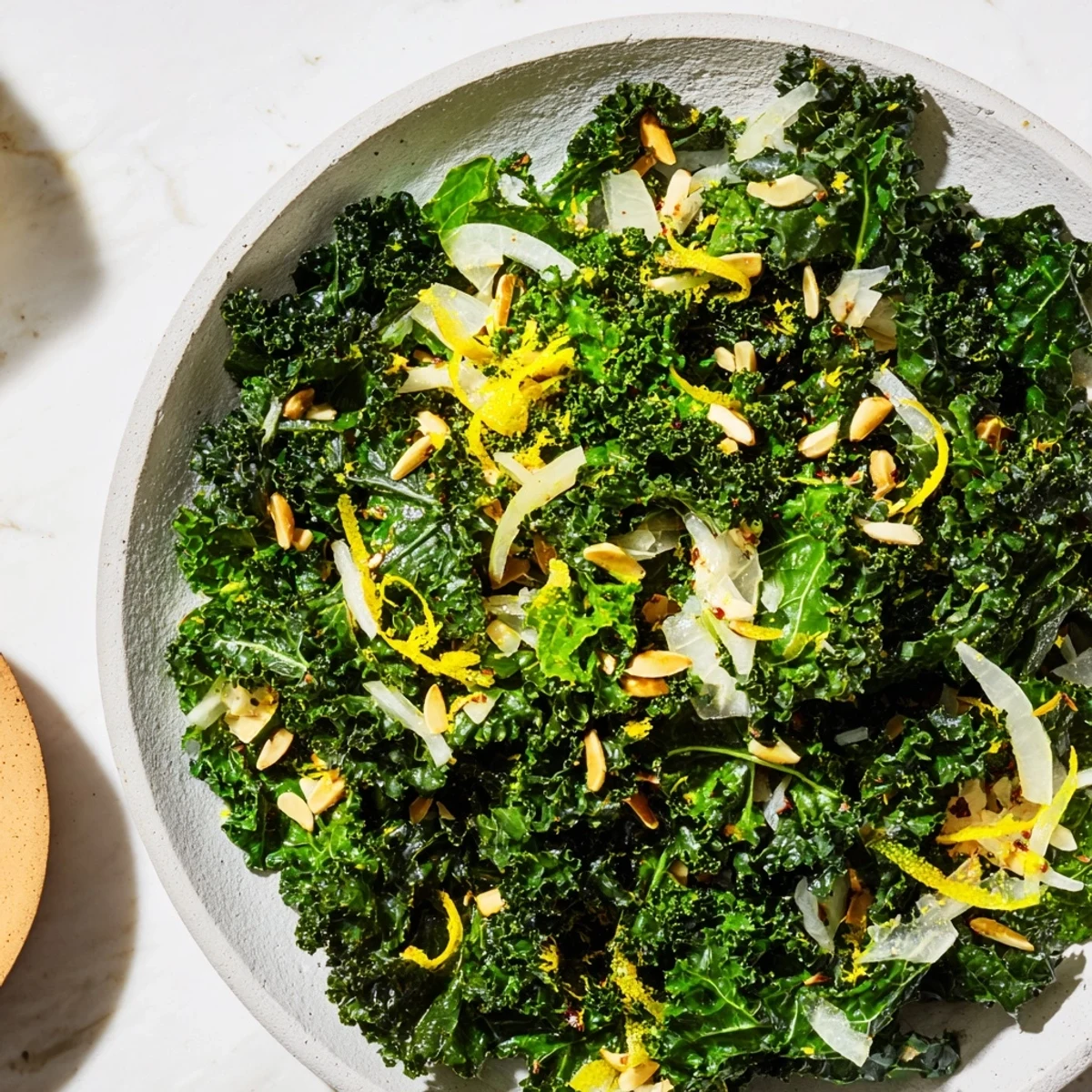
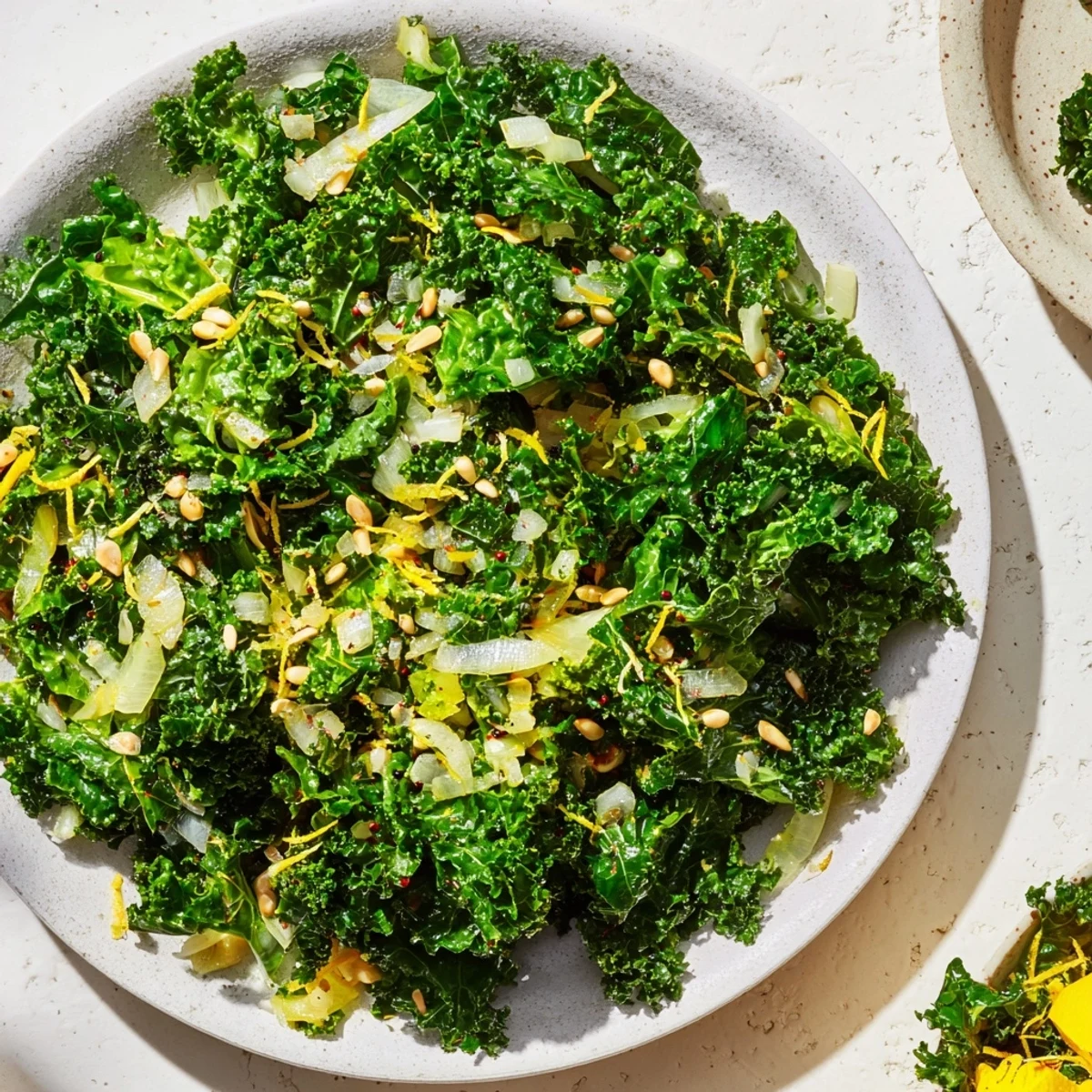
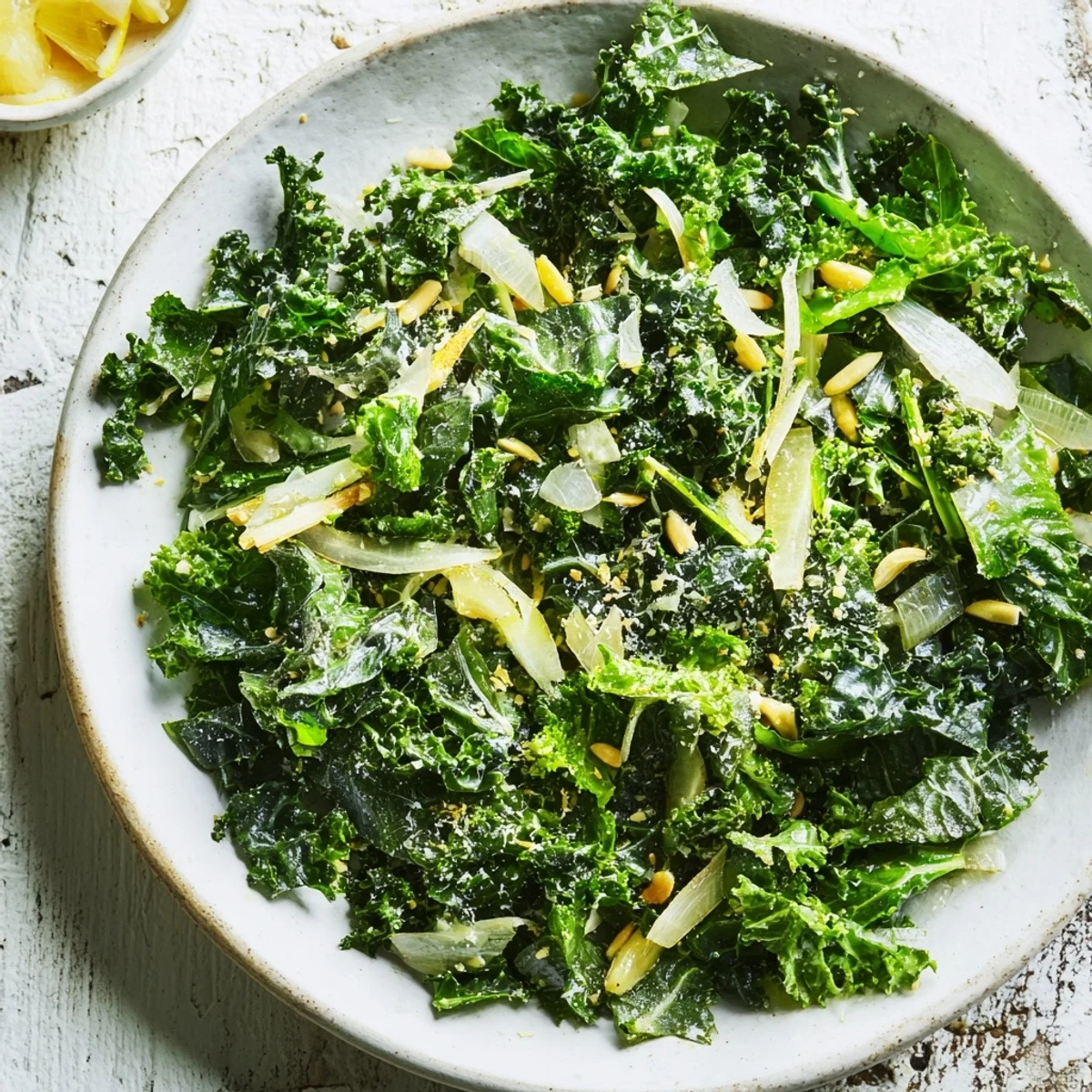
Save This vibrant emerald kale dish combines fresh kale sautéed with garlic and shallots in olive oil, enhanced by lemon zest and juice for bright flavor. Cooked until tender yet retaining its green vibrancy, it’s finished with optional toasted pine nuts and a sprinkle of parmesan for texture and depth. Perfect for a quick, nutritious side or a light main, it fits vegan and gluten-free lifestyles with easy substitutions.
I discovered this kale dish on a Tuesday morning when my fridge was nearly empty and a farmer's market bunch of impossibly green kale was staring at me. No elaborate recipe, just the idea of heat, garlic, and lemon working their magic on those crinkled leaves. The first time I tasted it, still warm from the pan, I understood why people actually look forward to eating their greens.
My partner once made this for dinner when I came home stressed, and I remember sitting at the kitchen counter watching the shallots turn golden, smelling garlic and lemon filling the apartment. It felt like the most straightforward act of care, and somehow that simple sautéed kale became something I craved whenever I needed grounding.
Ingredients
- Kale: One large bunch, about 300g with stems removed and leaves chopped into bite-sized pieces; the stems are tough, so removing them takes seconds and makes a huge difference in texture.
- Shallot: One small shallot, finely sliced; it's milder than onion and dissolves into the oil, creating a delicate sweetness.
- Garlic: Two cloves minced; fresh is essential here because it's doing most of the flavor work.
- Extra virgin olive oil: Two tablespoons; use something you actually like tasting because there's nowhere to hide.
- Sea salt and black pepper: Half teaspoon salt and a quarter teaspoon pepper, adjusted to your preference at the end.
- Lemon: One whole lemon for both zest and juice; the brightness is what makes this sing.
- Toasted pine nuts: Two tablespoons optional but genuinely worth hunting down; they add a buttery crunch that changes everything.
- Parmesan: Two tablespoons grated, either regular or vegan; it's optional but tying the whole dish together with a salty edge feels right.
Instructions
- Prepare and warm:
- Wash your kale under cold water, then remove those woody stems by pinching them between your thumb and index finger and pulling upward; the leaves will pop right off. Chop them into pieces you'd actually want to eat, not confetti. Heat your olive oil in a large skillet over medium heat and let it warm until it shimmers slightly.
- Build the aromatics:
- Add your sliced shallot and let it go for about 2 minutes, stirring occasionally, until the edges soften and turn translucent. The oil should smell sweet and gentle. Add your minced garlic, cook for just 30 seconds until fragrant, but don't let it brown because bitter garlic ruins everything.
- Wilt the kale:
- Dump in your chopped kale and toss it constantly for the first minute so every leaf gets coated in that garlicky oil. Then let it sit and cook for 4 to 5 minutes, stirring every 30 seconds or so; the kale will shrink dramatically and turn even brighter green as it softens.
- Finish with brightness:
- Zest your lemon directly into the pan, then squeeze the juice over everything and toss well. Taste it, adjust your salt and pepper, and feel the lemon cut through the richness like it was waiting to do exactly this.
 Save
Save There's a moment right when you pour that lemon juice in and the whole kitchen smells alive, and you realize this humble weeknight side is actually nourishing you in a way that has nothing to do with calories. That's when it stops being a recipe and becomes something you'll make again and again.
Ways to Make It Your Own
This dish is a canvas if you want it to be. A pinch of red pepper flakes dropped in with the garlic creates a subtle heat that doesn't overpower the kale, and toasted almonds or walnuts work just as well as pine nuts if that's what's in your pantry. I've also stirred in a splash of balsamic vinegar once and never looked back, though lemon purists might disagree with me.
Serving Ideas
Serve this warm alongside roasted vegetables or grilled fish, or toss it with warm farro or quinoa to turn it into a light grain bowl. It works cold too if you're building lunch the next day, though it's honestly best eaten right out of the pan while the kale is still steaming. Some mornings I've eaten it plain with a soft egg on top and called it breakfast.
A Few Kitchen Secrets
The shallot does something garlic alone can't; it adds a whisper of sweetness that softens the kale's natural edge. Don't rush the wilting step by cranking the heat; low and steady keeps the color bright and the leaves tender instead of shredded. And if your kale feels unusually thick or robust, just give it an extra minute or two; there's no such thing as overcooked when you're watching it.
- Toast your pine nuts in a dry skillet for 2 minutes before adding them; it wakes up their flavor and keeps them from tasting flat.
- If you can't find good fresh garlic, frozen garlic paste in a tube works in a pinch and honestly tastes fresher than old cloves.
- Save a little lemon juice to drizzle on top right before serving for a second wave of brightness that makes people ask what you did.
 Save
Save This kale becomes something people genuinely want to eat, not something they force down because it's good for them. Make it tonight and taste the difference.
Recipe FAQs
- → How should the kale be prepared before cooking?
-
Remove the tough stems and chop the leaves into bite-sized pieces, then wash thoroughly to remove any grit.
- → What’s the best way to sauté the garlic and shallots?
-
Sauté shallots first in olive oil over medium heat until translucent, then add garlic and cook briefly until fragrant to avoid burning.
- → Can I substitute pine nuts with other nuts or seeds?
-
Yes, toasted almonds, walnuts, or sunflower seeds are excellent alternatives for a similar crunch.
- → How do lemon zest and juice affect the dish?
-
They add brightness and a fresh citrusy note that complements the earthy kale and rich garlic flavors.
- → Is this dish suitable for vegan and gluten-free diets?
-
Yes, using vegan parmesan or omitting cheese keeps it vegan; the dish is naturally gluten-free.