 Save
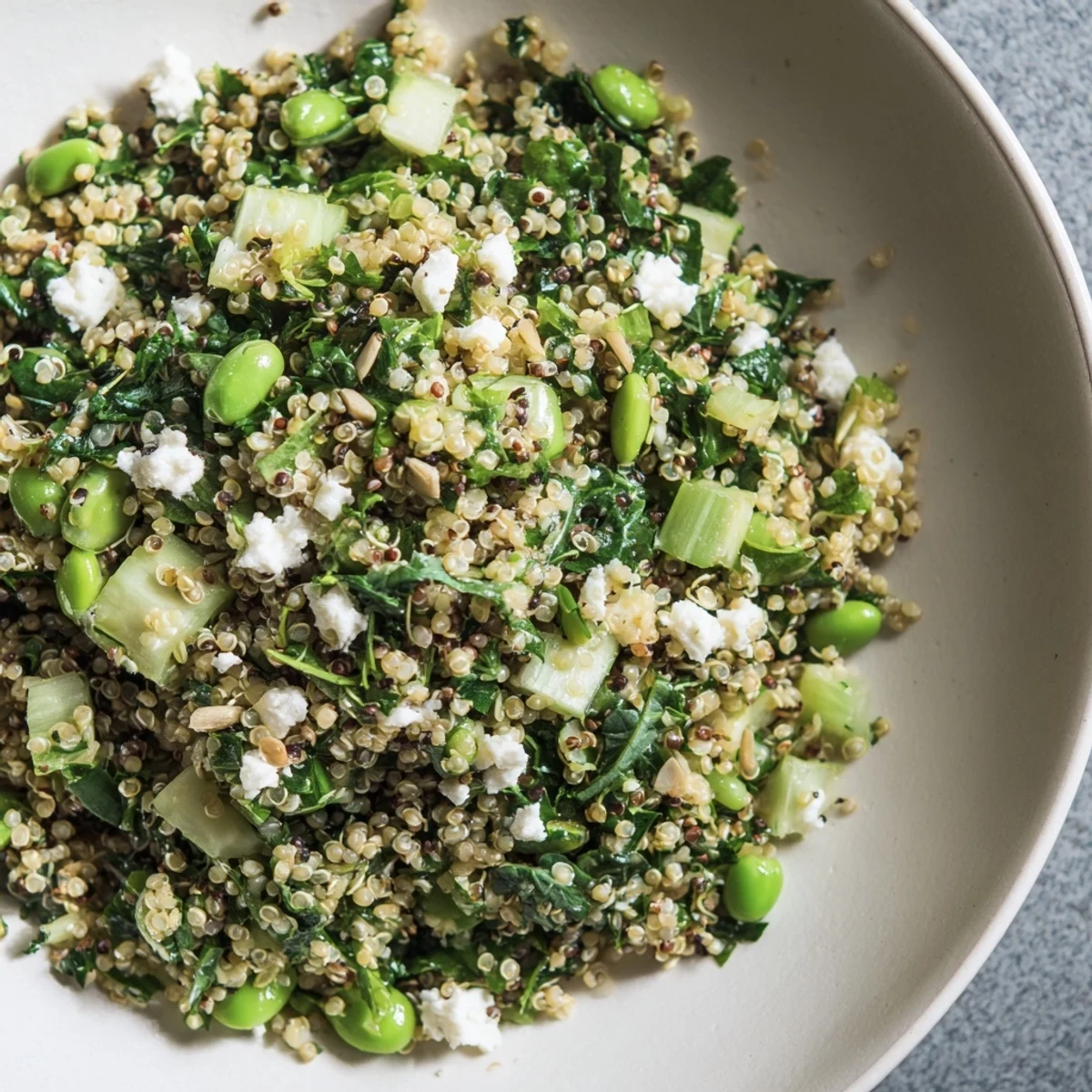
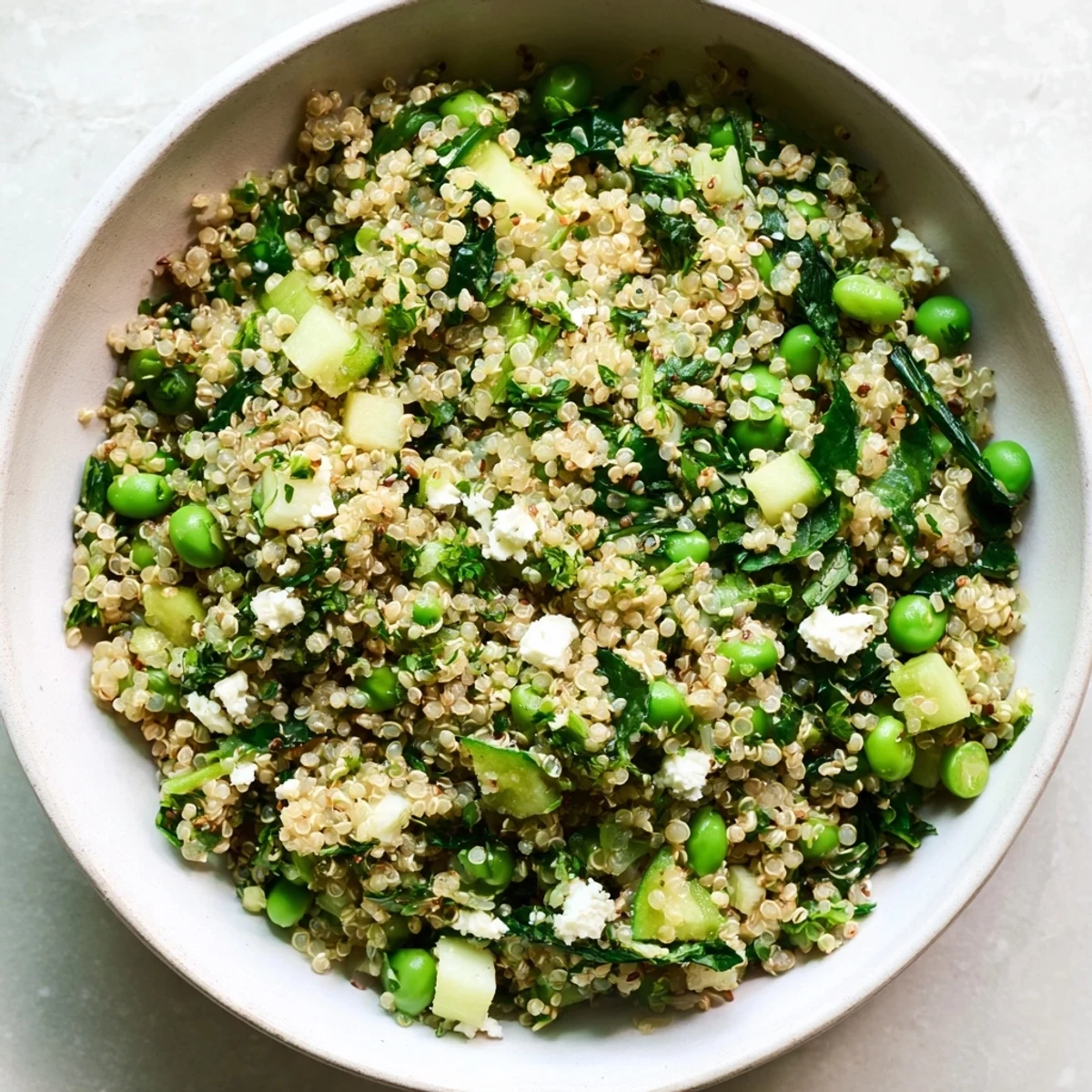
Save This vibrant dish blends tender quinoa grains with fresh baby spinach, kale, zucchini, peas, and aromatic herbs like basil and parsley. Lemon zest and juice add brightness, while olive oil provides a smooth finish. Toasted pumpkin seeds and optional feta add texture and richness. Quick to prepare, it's perfect for a healthy vegetarian main or hearty side that balances freshness and wholesome flavors.
I discovered this emerald grain bowl on a bright spring morning when my farmer's market haul seemed almost too beautiful to cook. There were these vibrant bundles of kale and spinach, fresh herbs practically glowing green, and I suddenly remembered how my grandmother used to say that the most nourishing meals are the ones that look like a garden on a plate. That's when I created this dish—a way to celebrate those moments when the produce is so alive you can barely wait to get it into the kitchen.
I remember making this for a small dinner party where everyone was a bit stressed about what they could actually eat together. When I brought out this emerald bowl, scattered with pumpkin seeds catching the light, something shifted at the table. There were no dietary debates—just people passing the bowl around, adding extra lemon, asking for seconds. That's when I realized this dish has a quiet magic: it satisfies everyone.
Ingredients
- Quinoa (1 cup, rinsed): This ancient grain is your foundation—rinsing removes bitterness and gives you those perfectly fluffy, delicate kernels. I learned the hard way that skipping this step leaves a chalky taste, so I never do anymore
- Vegetable broth (2 cups): Quality broth transforms quinoa from bland to deeply flavored. I use a low-sodium version so I can control the seasoning completely
- Baby spinach (2 cups, roughly chopped): Its tender leaves wilt quickly and almost melt into the warm grains, releasing their earthy sweetness
- Kale (1 cup, destemmed and thinly sliced): The sturdy structure keeps this dish from becoming mushy. Destemming is essential—those stems are tough as leather
- Zucchini (1 small, diced): Adds a delicate sweetness and texture that keeps everything from feeling too heavy
- Green peas (1/2 cup, fresh or frozen): Frozen actually works beautifully here—they pop with fresh flavor and add bursts of color
- Green onions (2, thinly sliced): The raw bite of these brings life to the finished dish. I always save some for garnish
- Garlic (2 cloves, minced): Toasted gently in olive oil, it becomes the aromatic backbone of everything
- Fresh parsley (1/4 cup, chopped): This brightens the entire bowl with clean, grassy notes
- Fresh basil (1/4 cup, chopped): Add it at the very end so it stays vibrant and fragrant
- Lemon (1, zest and juice): The whole lemon is crucial—zest adds complexity, juice adds brightness. This is where the magic happens
- Extra-virgin olive oil (2 tbsp): Use something you'd actually taste on salad. It's the final polish on this dish
- Sea salt (1/2 tsp) and black pepper (1/4 tsp): Season to your taste, not mine. I prefer to taste as I go
- Crushed red pepper flakes (1/4 tsp, optional): Just a whisper if you want warmth without heat
- Toasted pumpkin seeds (1/4 cup): These add crunch and earthiness. Toasting them yourself makes all the difference in flavor
- Feta cheese (1/4 cup, crumbled, optional): The salty creaminess is a beautiful counterpoint to all those bright greens
Instructions
- Start Your Foundation:
- Rinse your quinoa under cool running water—I hold it in a fine-mesh strainer and let the water run clear. In a medium saucepan, bring vegetable broth to a rolling boil. It should smell savory and inviting. Add the rinsed quinoa, stir once, and reduce the heat to low. Cover tightly and let it simmer gently for 15 minutes. You'll know it's done when the liquid is completely absorbed and the grains look like they've sprouted tiny translucent tails. Remove from heat, keep the lid on, and let it rest for 5 minutes—this steaming time is when the grains finish cooking perfectly. Then fluff it gently with a fork, being careful not to crush the delicate kernels.
- Awaken the Aromatics:
- While the quinoa cooks, heat 1 tablespoon of olive oil in a large skillet over medium heat. When it shimmers—that moment when you can almost see heat waves—add your minced garlic and sliced green onions. Let them sizzle for just about 1 minute. This is one of my favorite moments in cooking: when the kitchen suddenly smells alive and green. Don't let the garlic brown; we want it golden and fragrant.
- Layer in the Vegetables:
- Add your diced zucchini to the pan and let it cook for 3 to 4 minutes, stirring occasionally. You want it to soften just slightly while keeping some of its structure. Next comes the kale—those thinly sliced ribbons will look dramatic at first, but they'll begin to soften within 2 minutes. It's like watching something transform right in front of you. The kitchen gets even more fragrant.
- Finish the Greens:
- Now add the spinach and green peas. They seem like a lot, but spinach shrinks dramatically as it wilts. Cook for another 2 minutes, stirring gently, until everything is tender and the peas are bright green. This is the moment I check my seasoning—just a tiny taste to see if I need more salt later.
- Bring It Together:
- Add that perfectly fluffy quinoa to the pan with the vegetables. Pour in the chopped parsley and basil, then add the lemon zest and fresh juice—this is crucial, don't skip it. Drizzle with your remaining 1 tablespoon of olive oil and season with salt, pepper, and red pepper flakes if you like a touch of heat. Toss everything together gently but thoroughly, letting it warm through for just 1 to 2 minutes. The heat should coax out all those wonderful herb aromas.
- Finish and Serve:
- Remove from heat and transfer to a serving bowl or platter. Top generously with toasted pumpkin seeds for crunch and scatter crumbled feta across if you're using it. Serve warm or let it cool to room temperature—both are equally wonderful. I love how it tastes even better a few hours later when the flavors have time to know each other.
 Save
Save I think about the time my youngest asked for a second bowl of this and said, unprompted, that it tasted like 'spring tastes if spring was food.' That sentence stayed with me. This dish stopped being just something I made on weeknight evenings and became something I make whenever I want to remember why fresh, simple food matters.
Why This Grain Bowl Works
There's something deeply satisfying about a bowl that's both nourishing and light. The quinoa provides complete protein, which makes this genuinely filling without feeling heavy. The layers of texture—tender grains, wilted greens, crisp pumpkin seeds—keep every spoonful interesting. And because nothing is cooked intensely, all the vegetables stay bright and alive rather than becoming mushy or sad. This is why I come back to this recipe again and again: it respects the ingredients while asking them to come together as something greater than themselves.
Making It Your Own
One of my favorite things about this recipe is how willing it is to adapt. I've made it with farro when quinoa seemed boring, with brown rice when I wanted something earthier, and with bulgur when I was feeling Mediterranean. The vegetables shift with seasons—cherry tomatoes in summer, roasted butternut squash in fall, thin asparagus spears in spring. The one thing I never change is the lemon and fresh herbs, because those are what keep it tasting bright and alive no matter what else is happening in the bowl.
Serving and Storage
This dish is one of the most forgiving recipes I know. Serve it warm straight from the pan, or let it cool and eat it at room temperature as a salad. It's actually wonderful on the second day when the flavors have melded together. Store leftovers in an airtight container in the refrigerator for up to 4 days. I actually make double batches for this reason—it's perfect for grab-and-go lunches when you want something that tastes like actual food, not just fuel.
- If serving at room temperature, let it rest for at least 15 minutes so the grains firm up slightly and the flavors settle
- Store any garnishes separately so the pumpkin seeds stay crispy and the feta doesn't get soggy
- If you're making it ahead, save the fresh herbs and lemon juice to add right before eating so they stay vibrant and fresh
 Save
Save This emerald bowl is my answer to the question, 'What do I cook when I want something that feels both indulgent and honest?' It's the kind of food that reminds us why we cook at all.
Recipe FAQs
- → Can I substitute quinoa with other grains?
-
Yes, farro, bulgur, or brown rice can be used as alternative grains with similar cooking methods.
- → How do I make this dish vegan?
-
Omit the feta cheese or replace it with a plant-based cheese alternative to keep it fully vegan-friendly.
- → What is the best way to cook the grains?
-
Simmer the rinsed grains gently in vegetable broth until liquid is absorbed, then let stand covered before fluffing.
- → Can I add protein to this dish?
-
Yes, adding chickpeas or grilled chicken complements the grain and vegetable base nicely.
- → Are there any common allergens in this dish?
-
It contains dairy from the feta cheese and seeds from the toasted pumpkin seeds; substitutions are recommended if needed.