
 Save
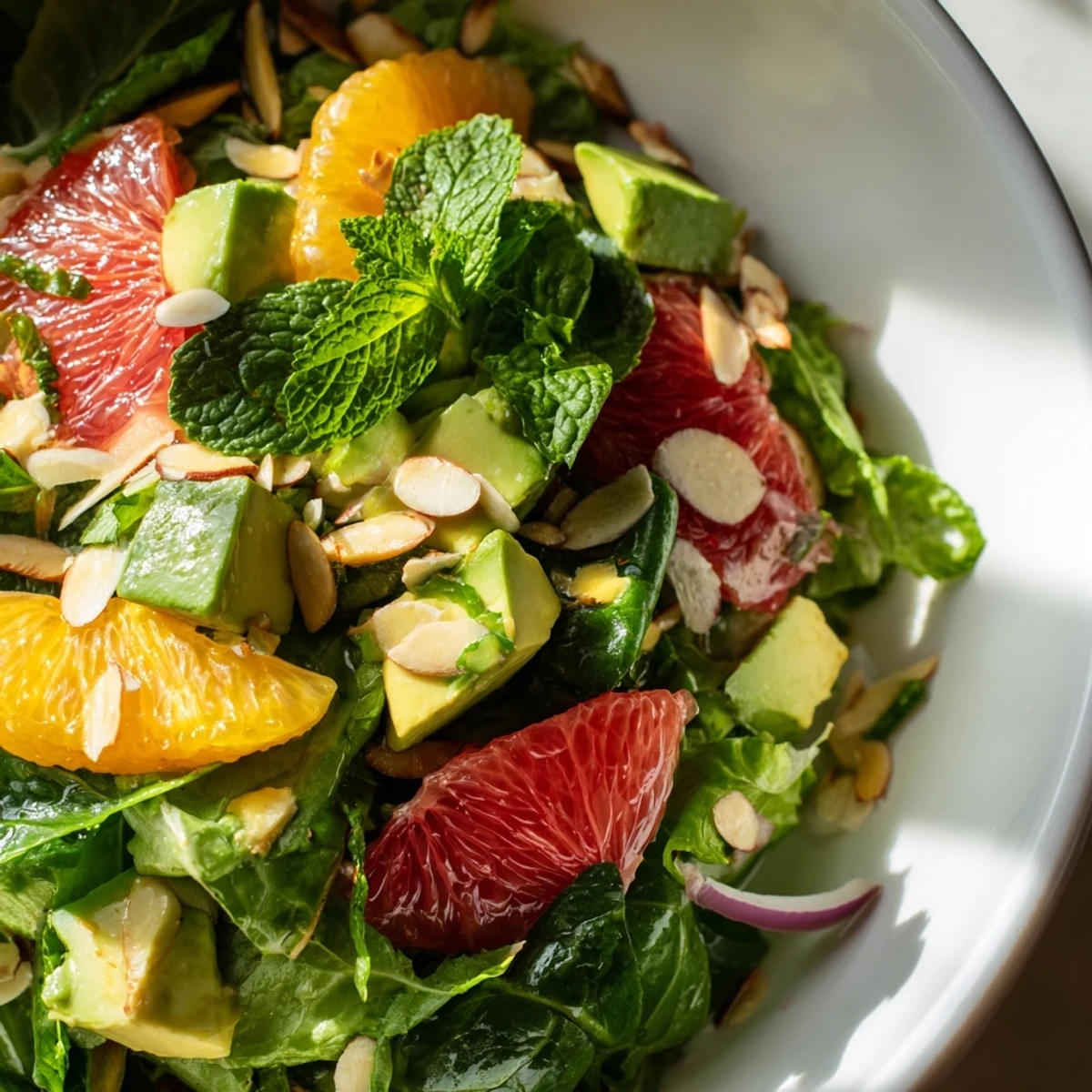
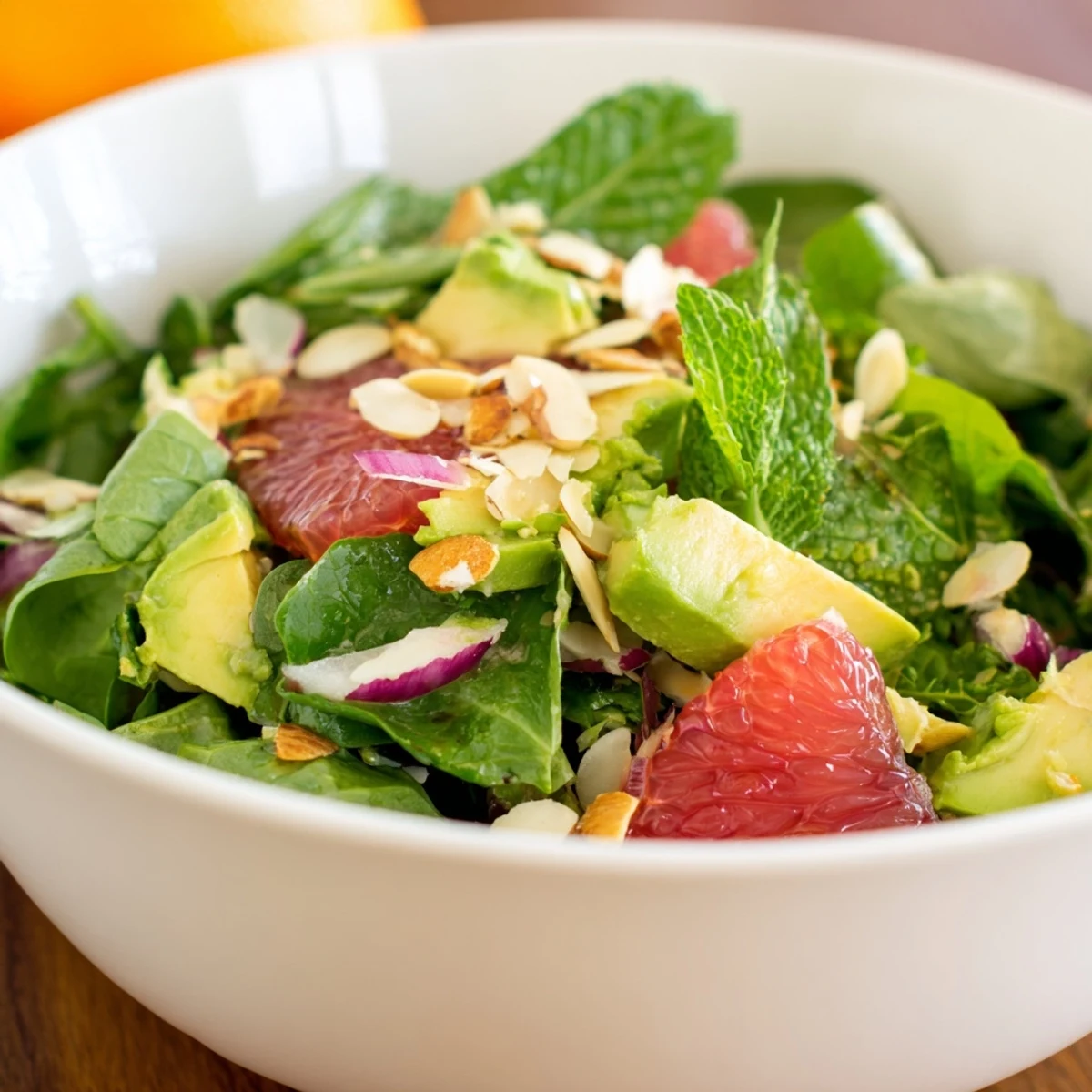
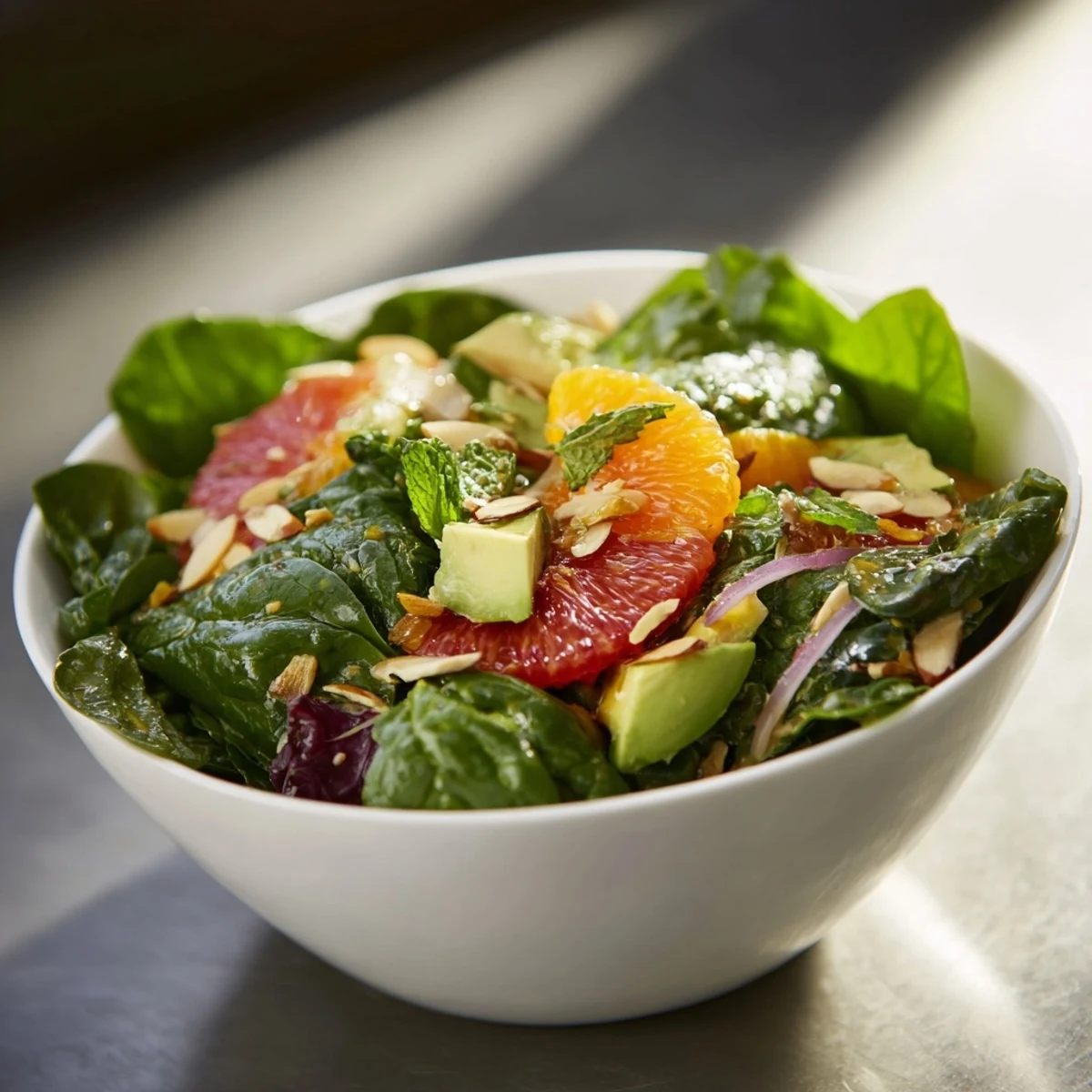
Save This vibrant salad features a mix of baby spinach, arugula, and romaine lettuce, combined with juicy orange and grapefruit segments. Creamy avocado, sliced red onion, toasted almonds, and fresh mint leaves add flavor and texture. A tangy citrus vinaigrette made from olive oil, fresh orange and lemon juice, Dijon mustard, and honey balances perfectly. Ready in 15 minutes, it’s a fresh, easy dish for any season or occasion. Nut options can be substituted for allergies.
There's something about afternoon light filtering through kitchen windows that makes you want to build a salad. I was testing citrus varieties at a farmers market one Saturday when a vendor suggested pairing ruby grapefruit with cara cara oranges, and something clicked—the brightness of citrus against peppery arugula felt like capturing sunshine on a plate. That simple suggestion turned into this salad, one I've returned to countless times when I need something that feels both nourishing and celebratory.
I made this for my sister during a particularly cold January when she needed something bright. She stood in my kitchen eating it straight from the bowl, and I remember thinking how a good salad can feel like a small act of resistance against gray weather. Now whenever she visits, she asks for it by name.
Ingredients
- Baby spinach and arugula: The spinach softens the arugula's peppery bite, but don't skip the arugula—that sharpness is what makes the citrus sing.
- Romaine lettuce: Adds structure and stops the salad from wilting under the dressing weight.
- Orange and ruby grapefruit: Use segments with no white pith; that bitterness isn't welcome here, and fresh juice is worth the extra two minutes of peeling.
- Ripe avocado: Dice it just before serving or it browns, but don't be shy—the creaminess balances the acidity perfectly.
- Red onion: Thinly slice it; the thin pieces soften slightly and add sharpness without overwhelming.
- Toasted sliced almonds: Toast them yourself if you can; the smell is its own reward, and they stay crisper longer.
- Fresh mint: Tear it by hand rather than chopping, which bruises the leaves and dulls the flavor.
- Extra virgin olive oil: Use one you actually like drinking, because you taste it directly in the dressing.
- Orange and lemon juice: Fresh squeezed only; bottled tastes tinny and thin by comparison.
- Dijon mustard: A small amount acts as an emulsifier and adds a subtle sophistication.
- Honey or agave syrup: Rounds out the acidity and makes the dressing feel polished.
Instructions
- Prepare the greens:
- Wash and spin your greens completely dry, then layer them in a large bowl so they don't clump at the bottom. Dry greens accept dressing better and stay crisp longer.
- Segment the citrus:
- Working over a small bowl to catch the juice, use a sharp knife to cut away the pith and peel, then slide your blade between the membranes to release each segment. Save that juice for the dressing.
- Assemble the components:
- Add the citrus segments, avocado, onion, almonds, and mint to your greens, scattering them evenly so each forkful gets a little of everything. Don't toss yet—the greens stay fresher this way.
- Make the vinaigrette:
- Whisk the oil, citrus juices, mustard, and honey together until the mixture turns slightly pale and thickens just a touch, which means the emulsion is working. Taste and adjust the salt and pepper—this is where the dressing becomes yours.
- Dress and serve:
- Drizzle the dressing over the salad just before eating, then toss gently with your hands if you want, keeping the avocado pieces whole. Serve immediately while everything is still cold and crisp.
 Save
Save A friend once told me she'd never liked salad until she tried this one, and I realized then that the difference between a side dish and something memorable often comes down to paying attention to small details. The brightness of good citrus, the snap of almonds, the way peppery arugula cuts through richness—none of it's complicated, but together it becomes the kind of meal you crave.
Citrus Matters More Than You Think
The quality of your citrus determines everything in this salad, so choose fruits that feel heavy for their size, which means they're full of juice. Ruby grapefruit tastes milder and sweeter than pink, and if you can't find cara cara oranges, any good eating orange works—the point is something that tastes like sunshine, not something mealy or dry. I've learned to squeeze the juice beforehand and taste it; if it tastes bright and alive on its own, it will be in the dressing.
Why This Works as a Meal
I used to think salads were incomplete without protein, but this one sits differently—the almonds add enough substance, the creamy avocado makes it satisfying, and the acid from the dressing activates your appetite rather than dampening it. It's the kind of salad you can eat for lunch and feel genuinely full, or serve as a first course and have your guests arrive at the main course actually ready for food. Pair it with something substantial if you want, but don't dismiss it as lightweight.
Keeping Everything Fresh
The timing of assembly matters more than the complexity of ingredients in a raw salad. I've learned that greens can be washed and dried hours ahead, citrus can be segmented and stored in its own juice overnight, and the vinaigrette actually improves if made in the morning. The only things that should happen in the final minutes are dicing the avocado, tearing the mint, and bringing everything together.
- Store leftover dressing in a sealed jar for up to three days; it thickens slightly but tastes even better.
- Toast your almonds in a dry pan for three minutes, watching them carefully—they go from perfect to burnt in a heartbeat.
- If you're making this for a crowd, keep the dressing separate and let people dress their own portions so nothing gets soggy.
 Save
Save This salad has taught me that the simplest meals often give the most pleasure, especially when each element is treated with care. Make it for yourself on an ordinary Wednesday, or build it for people you love—either way, the brightness will linger.
Recipe FAQs
- → What greens are best for this dish?
-
Baby spinach, arugula, and chopped romaine provide a crisp, fresh base with balanced flavors and textures.
- → Can the almonds be substituted?
-
Yes, seeds like sunflower or pumpkin seeds work well for those with nut allergies or for added crunch.
- → How is the citrus vinaigrette prepared?
-
Whisk olive oil, freshly squeezed orange and lemon juice, Dijon mustard, honey, salt, and pepper until emulsified for a tangy, bright dressing.
- → Are there tips for enhancing this salad?
-
Adding pomegranate seeds boosts crunch and sweetness, while grilled chicken or chickpeas can make it heartier.
- → What drinks pair well with this salad?
-
A light Sauvignon Blanc or citrusy sparkling water complements the fresh, vibrant flavors beautifully.