
 Save
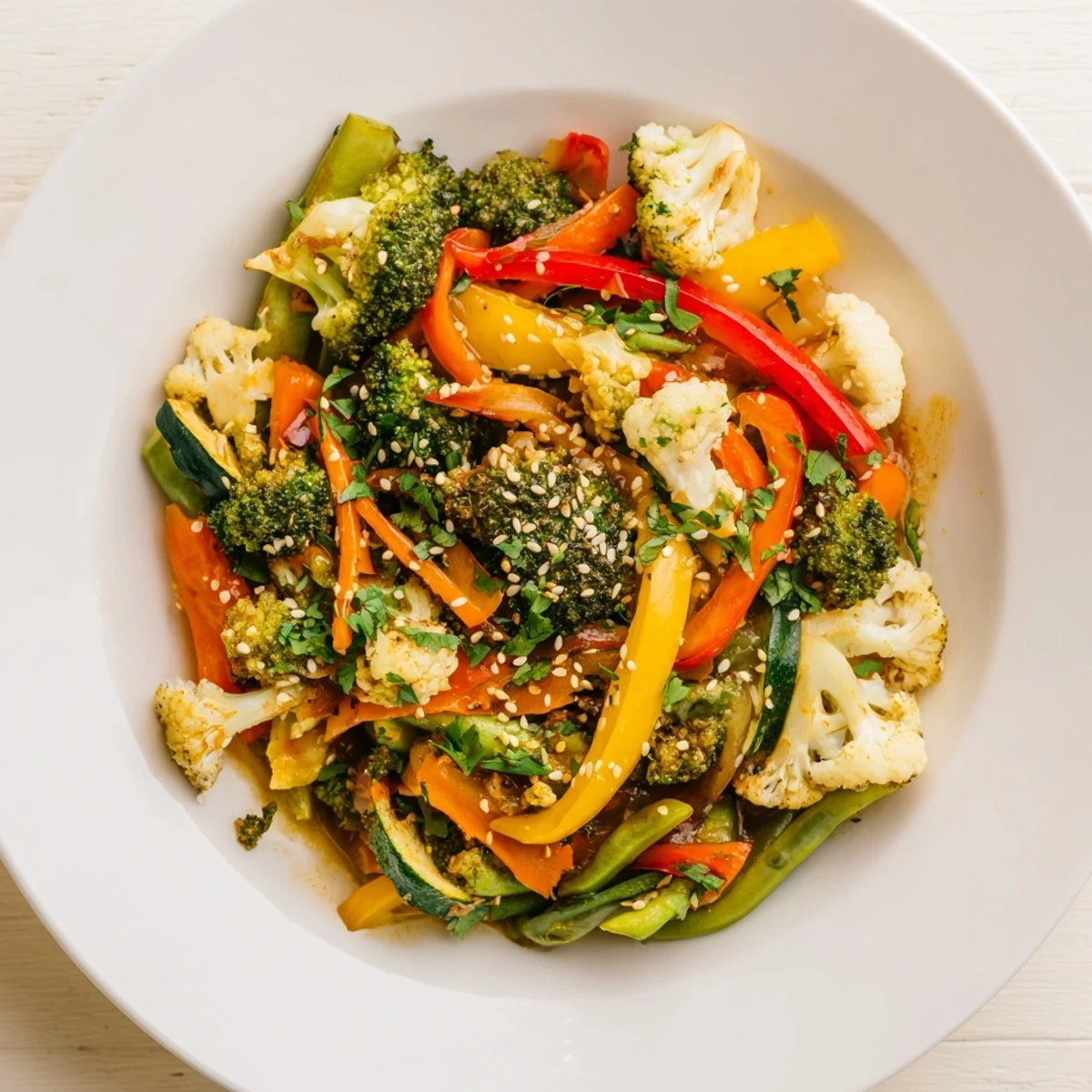
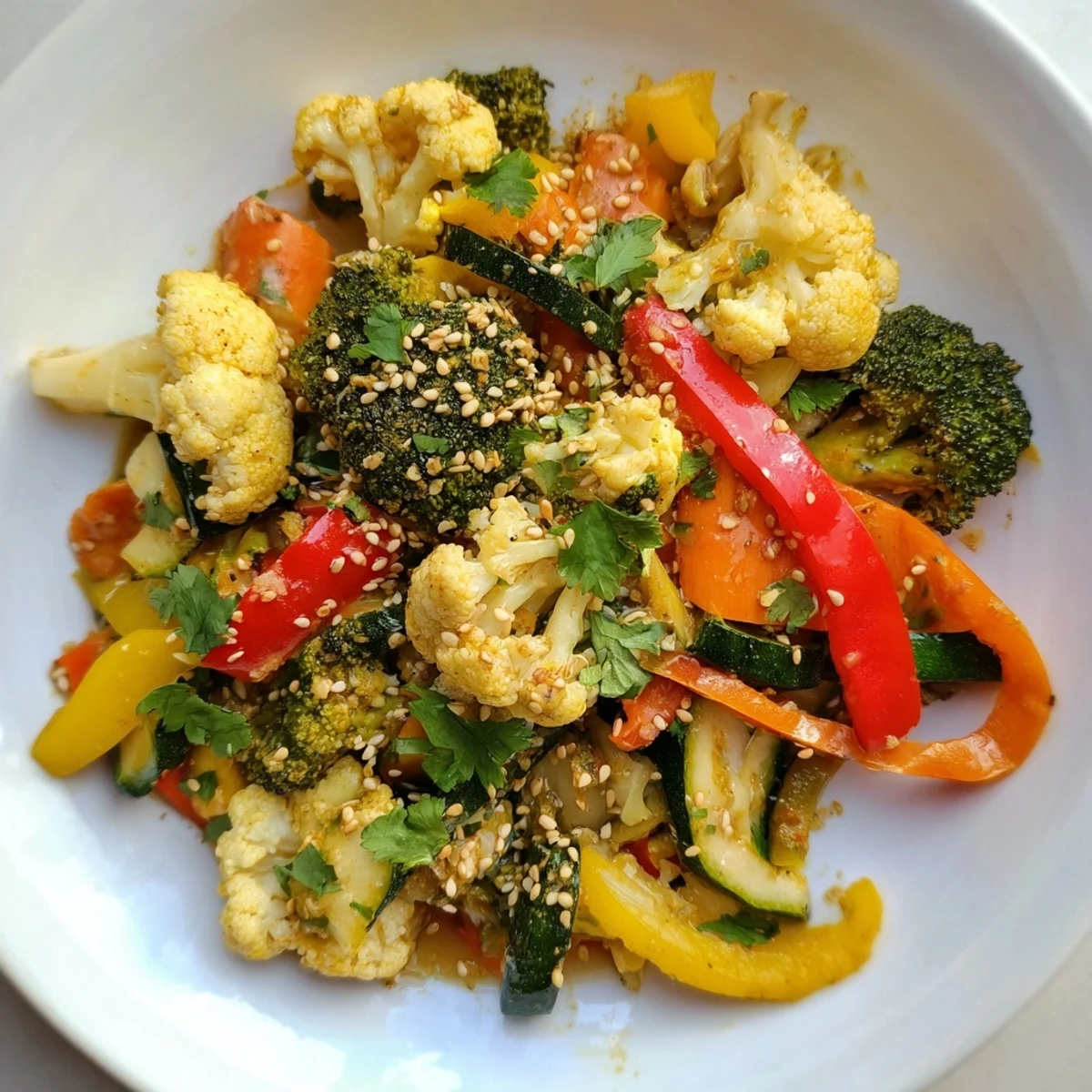
Save This dish features a colorful blend of broccoli, cauliflower, bell peppers, snap peas, and zucchini, stir-fried with fragrant ginger and garlic. The golden sauce, enriched with turmeric, soy, and a touch of sweetness, perfectly coats the vegetables, delivering a balance of savory and bright flavors. Garnished with sesame seeds, fresh herbs, and lime wedges, the meal is quick to prepare and adaptable with a range of seasonal produce or added proteins.
Ideal for a nourishing and vibrant main course, this stir-fry combines crisp vegetables with aromatic spices, making it suitable for vegan, vegetarian, and dairy-free diets. The technique highlights quick sautéing and sauce thickening to achieve a glossy finish and layered taste.
My neighbor showed up one evening with a bag of vegetables from her garden, more than she could use before traveling. I tossed them all into a hot pan with whatever I had in the pantry, and the kitchen filled with this golden, gingery steam that made my daughter wander in asking what smelled so good. That improvised stir-fry became our go-to whenever we need something fast, bright, and satisfying.
I made this for a potluck once, doubling the recipe and serving it over jasmine rice in a big ceramic bowl. People kept asking if I'd ordered it from somewhere, and I just smiled and said it was vegetables and a good pan. One friend texted me the next morning asking for the recipe, and I realized I'd never actually written it down until then.
Ingredients
- Broccoli florets: They hold up to high heat and soak up the sauce beautifully, try to cut them into similar sizes so they cook evenly.
- Cauliflower florets: These get golden and slightly caramelized at the edges, adding a sweet, nutty flavor to the mix.
- Carrot, sliced: Slice them thin on a diagonal so they cook quickly and look elegant on the plate.
- Red and yellow bell peppers, sliced: The sweetness balances the salty soy and the bright colors make the whole dish feel alive.
- Zucchini, sliced: Add this toward the end so it stays tender but not mushy.
- Snap peas: Their crisp snap is half the fun, and they bring a fresh, grassy note that cuts through the richness.
- Green onions, chopped: Stir them in at the very end for a sharp, oniony bite that wakes everything up.
- Olive oil: A neutral oil works too, but I like the faint fruitiness olive oil brings to the vegetables.
- Ginger, finely grated: Fresh ginger is non-negotiable here, it gives the dish its warm, spicy backbone.
- Garlic cloves, minced: Let it sizzle just until fragrant, any longer and it turns bitter.
- Soy sauce or tamari: This is your salt and umami in one, tamari keeps it gluten-free without losing any depth.
- Maple syrup or honey: Just enough sweetness to round out the sauce and help it cling to the vegetables.
- Rice vinegar: Brightens everything with a gentle tang that keeps the dish from feeling heavy.
- Turmeric powder: This is what makes the sauce glow golden and adds an earthy warmth without overwhelming anything.
- Cornstarch mixed with water: The secret to a glossy, restaurant-style sauce that coats every piece instead of pooling at the bottom.
- Salt and black pepper: Taste at the end and adjust, every soy sauce is different.
- Sesame seeds, optional: A sprinkle adds a nutty crunch and makes the dish look finished.
- Fresh cilantro or parsley, optional: A handful of herbs right before serving makes everything taste brighter and more alive.
- Lime wedges, optional: A squeeze of lime at the table is like turning up the volume on all the other flavors.
Instructions
- Prep your vegetables:
- Wash and cut everything before you start cooking, stir-frying moves fast and you won't have time to chop mid-recipe. Lay everything out on your cutting board like a little assembly line.
- Heat the oil:
- Get your wok or skillet screaming hot over medium-high heat, then add the olive oil and swirl it around. You want it shimmering but not smoking.
- Sauté the aromatics:
- Toss in the ginger and garlic, stirring constantly for about a minute until the smell hits you and fills the kitchen. Don't let them brown or they'll taste burned.
- Stir-fry the sturdy vegetables:
- Add the broccoli, cauliflower, carrot, and snap peas, tossing them in the hot oil for about 3 minutes. They should start to soften but still have a firm bite.
- Add the tender vegetables:
- Toss in the bell peppers and zucchini, stirring everything together for another 3 to 4 minutes. You want them just tender with a little color on the edges.
- Mix the sauce:
- In a small bowl, whisk together the soy sauce, maple syrup, rice vinegar, turmeric, and the cornstarch slurry until smooth and golden.
- Coat the vegetables:
- Pour the sauce over the vegetables and toss everything together, cooking for 2 to 3 minutes until the sauce thickens and coats everything in a glossy sheen. The turmeric will turn everything a beautiful golden color.
- Season and finish:
- Taste and add salt and black pepper as needed, then remove from heat. Stir in the green onions and garnish with sesame seeds, fresh herbs, and lime wedges if you like.
- Serve:
- Serve hot on its own, or spoon it over steamed rice or noodles for a complete meal.
 Save
Save One night I made this after a long day and sat down with my bowl in front of the window, watching the rain. The vegetables were still warm and glossy, and every bite tasted like sunshine even though the sky was gray. It reminded me that sometimes the best meals are the ones you almost didn't make.
Make It Your Own
This recipe is ridiculously forgiving, so swap in whatever vegetables you have or whatever looks good at the market. I've made it with green beans, asparagus, baby corn, and even thinly sliced cabbage, and it's been delicious every time. If you want protein, pan-fry some tofu or tempeh separately and toss it in at the end, or crack an egg into the pan and scramble it with the vegetables.
Serving Suggestions
I usually serve this over jasmine rice because it soaks up the sauce perfectly, but it's just as good with brown rice, quinoa, or rice noodles. Sometimes I'll toast some cashews or peanuts and sprinkle them on top for extra crunch, and a drizzle of chili oil or sriracha is perfect if you like heat.
Storage and Reheating
Leftovers keep in the fridge for up to 4 days in an airtight container, and they're fantastic cold straight from the fridge or reheated in a hot pan with a splash of water. The sauce thickens as it sits, so everything tastes even more flavorful the next day.
- Reheat in a skillet over medium heat, adding a tablespoon of water to loosen the sauce.
- Don't microwave if you can help it, the vegetables lose their crispness.
- If meal prepping, store the sauce separately and toss it with the vegetables right before serving.
 Save
Save This dish has gotten me through busy weeknights, surprise guests, and days when I just needed something colorful and alive on my plate. I hope it does the same for you.
Recipe FAQs
- → What vegetables are best for this dish?
-
Broccoli, cauliflower, bell peppers, snap peas, zucchini, carrots, and green onions are ideal, but other seasonal veggies can work well too.
- → How can I make the sauce thicker?
-
The sauce thickens naturally with the cornstarch mixed into water and cooked briefly with the vegetables until glossy.
- → Can I add protein to this dish?
-
Yes, adding pan-fried tofu or tempeh complements the vegetables and enhances the dish’s heartiness.
- → What sides pair well with this stir-fry?
-
Steamed jasmine rice, brown rice, or quinoa are excellent accompaniments to balance the flavors and textures.
- → How to adjust the heat level?
-
Incorporate chili flakes or a dash of sriracha into the sauce for a spicier profile without overpowering the dish.