
 Save
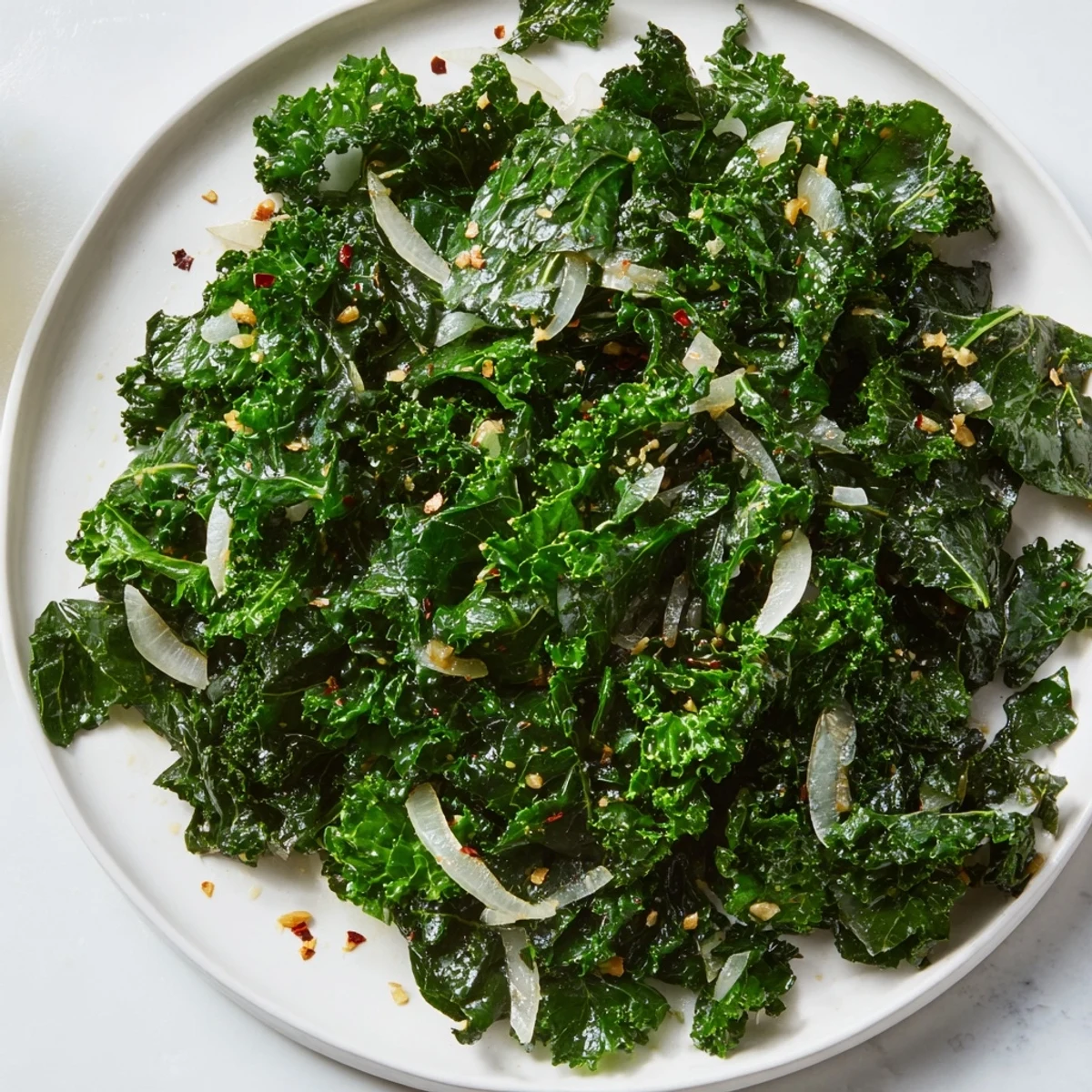
Save This vibrant sauté highlights fresh kale combined with finely grated ginger and garlic for a fragrant, nourishing dish. Using olive oil and soy sauce, the kale softens while retaining a bright green hue. The addition of lemon juice adds a fresh tang, balancing the savory layers. Perfect served warm as a side or light main, this dish comes together in just 20 minutes, offering a wholesome, nutrient-packed option that pairs well with proteins or as a standalone.
The first time I made ginger kale, I was recovering from a cold and craving something that felt alive and healing. My friend Sarah had dropped off a massive bunch of kale from her garden, and I decided to throw it in a skillet with whatever aromatics I could find. The way the ginger hit the hot oil filled my tiny apartment with this sharp, comforting scent that somehow made everything feel okay. That bowl of greens became my go-to comfort food whenever I needed something nourishing but didn't have the energy for anything complicated.
Last summer, I made this for a backyard dinner party alongside grilled salmon. My cousin who swore she hated kale actually went back for seconds, then thirds, and finally asked for the recipe right there at the table. Seeing someone convert from kale skeptic to kale enthusiast just because of how ginger and garlic can transform a vegetable reminded me why simple cooking is often the most powerful kind.
Ingredients
- 1 large bunch kale (about 250 g): Remove those tough stems first and they are bitter and tough to chew. Curly kale holds up beautifully here but lacinato works just as well.
- 1 medium onion: Thinly slicing creates delicate ribbons that sweeten as they cook. Yellow onions bring a nice mellow sweetness.
- 2 cloves garlic: Freshly minced is best. Pre-minced jarred garlic has an odd aftertaste that really shows up in simple dishes like this.
- 1 tablespoon fresh ginger: Peel it with a spoon to avoid wasting any of that spicy aromatic flesh. Grate it finely so it distributes evenly throughout the dish.
- 2 tablespoons olive oil: Use something with a decent flavor profile since this is a simple sauté. Extra virgin is perfect here.
- 1 tablespoon soy sauce: Tamari works perfectly if you need this to be gluten-free. The salty umami balances the bitter greens perfectly.
- 1/2 teaspoon freshly ground black pepper: Freshly cracked makes a huge difference in depth of flavor.
- 1/4 teaspoon red pepper flakes: Optional but I love the gentle warmth it brings. Leave it out if you are sensitive to spice.
- Juice of 1/2 lemon: This brightens everything and cuts through the rich ginger flavor. Squeeze it right at the end.
Instructions
- Prep your kale:
- Rinse and dry the leaves thoroughly. Strip the kale from those woody stems and chop into bite-sized pieces. Wet kale will steam instead of sauté so make sure it is dry before hitting the pan.
- Warm the pan:
- Heat your olive oil in a large skillet over medium heat. You want the oil shimmering but not smoking. Listen for that gentle sizzle when you add ingredients.
- Soften the onions:
- Add your sliced onions and let them cook for about 2 minutes. They should turn translucent and smell sweet. Do not rush this step.
- Bloom the aromatics:
- Stir in the garlic and ginger. The kitchen should smell incredible at this point. Cook for just 1 minute so they do not burn. Watch closely as garlic can turn bitter quickly.
- Wilt the kale:
- Add all your kale at once. It will look like a mountain but it cooks down dramatically. Toss frequently for 3 to 5 minutes until it is bright green and tender.
- Season everything:
- Pour in the soy sauce and sprinkle with black pepper and red pepper flakes. Toss well so every leaf gets coated. Let it cook another minute or two to meld the flavors.
- Finish bright:
- Remove from heat immediately. Squeeze that fresh lemon juice over the skillet and toss one last time. The acid wakes everything up beautifully.
 Save
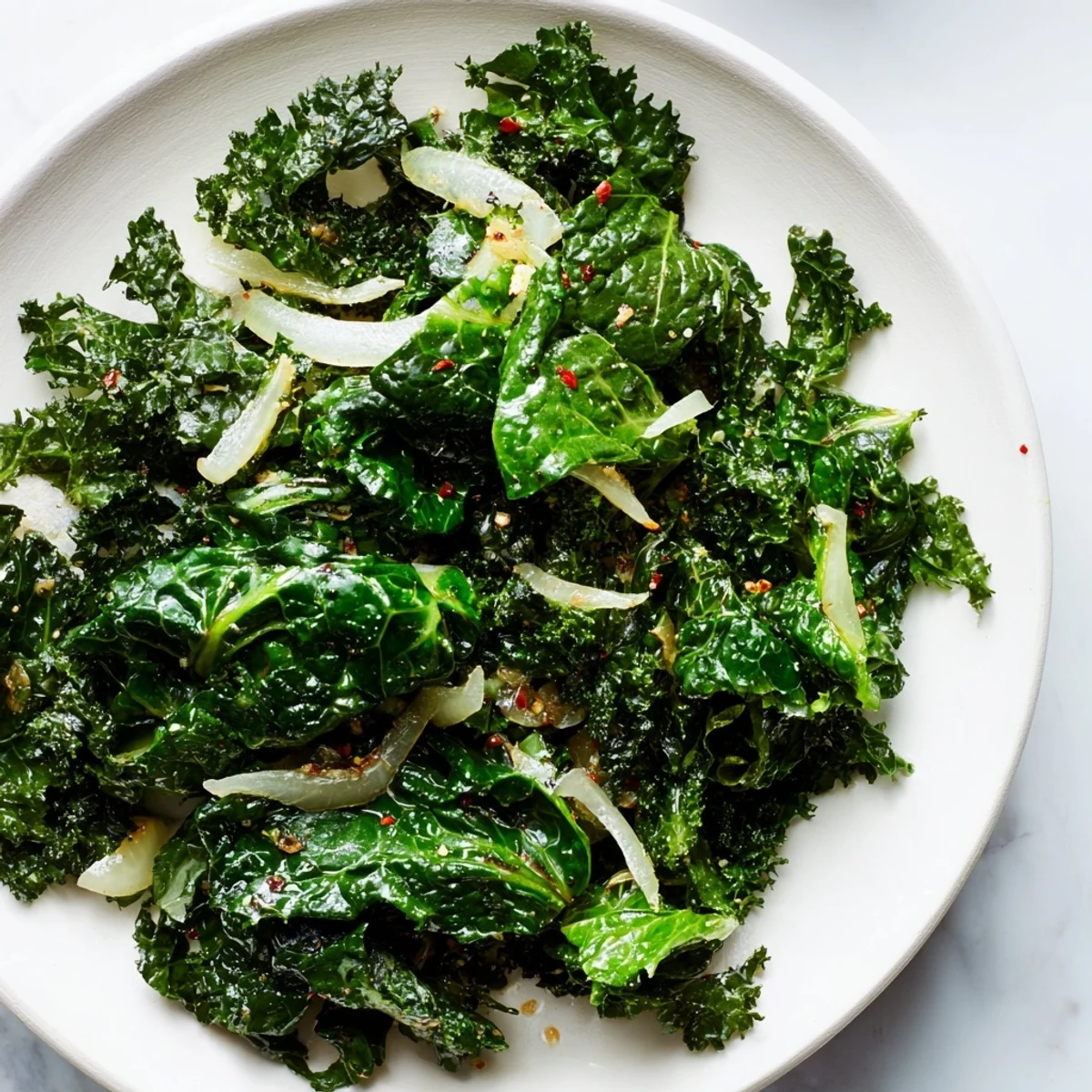
Save This recipe became my weeknight savior during a particularly busy fall when I was working late and had zero energy for elaborate cooking. Something about the ritual of chopping kale and grating ginger felt meditative. I started making it every Sunday as part of meal prep and the smell became my signal that the week ahead was going to be okay.
Choosing the Best Kale
I have learned to look for bunches with smaller leaves since they tend to be more tender and less bitter. Avoid any that look wilted or have yellowing edges. The stems should feel firm not limp. Sometimes I find pre-washed bags of kale at the store and while they are convenient, whole bunches usually taste fresher and last longer in the fridge.
Make It Your Own
This recipe is incredibly adaptable and I have taken so many liberties with it over the years. Sometimes I add toasted sesame seeds at the end for a nutty crunch. Other times I throw in sliced mushrooms if I want more substance. The basic technique of ginger, garlic, and greens works with so many vegetables.
Storage and Meal Prep
This keeps beautifully in the refrigerator for about 3 days though it is best enjoyed fresh. The flavors actually meld and deepen overnight. I sometimes make a double batch and eat it for breakfast with a fried egg on top.
- Store in an airtight container and reheat gently in a skillet with a splash of water
- Do not microwave it if you can avoid it since the texture becomes rubbery
- The kale will release more liquid as it sits so drain any excess before reheating
 Save
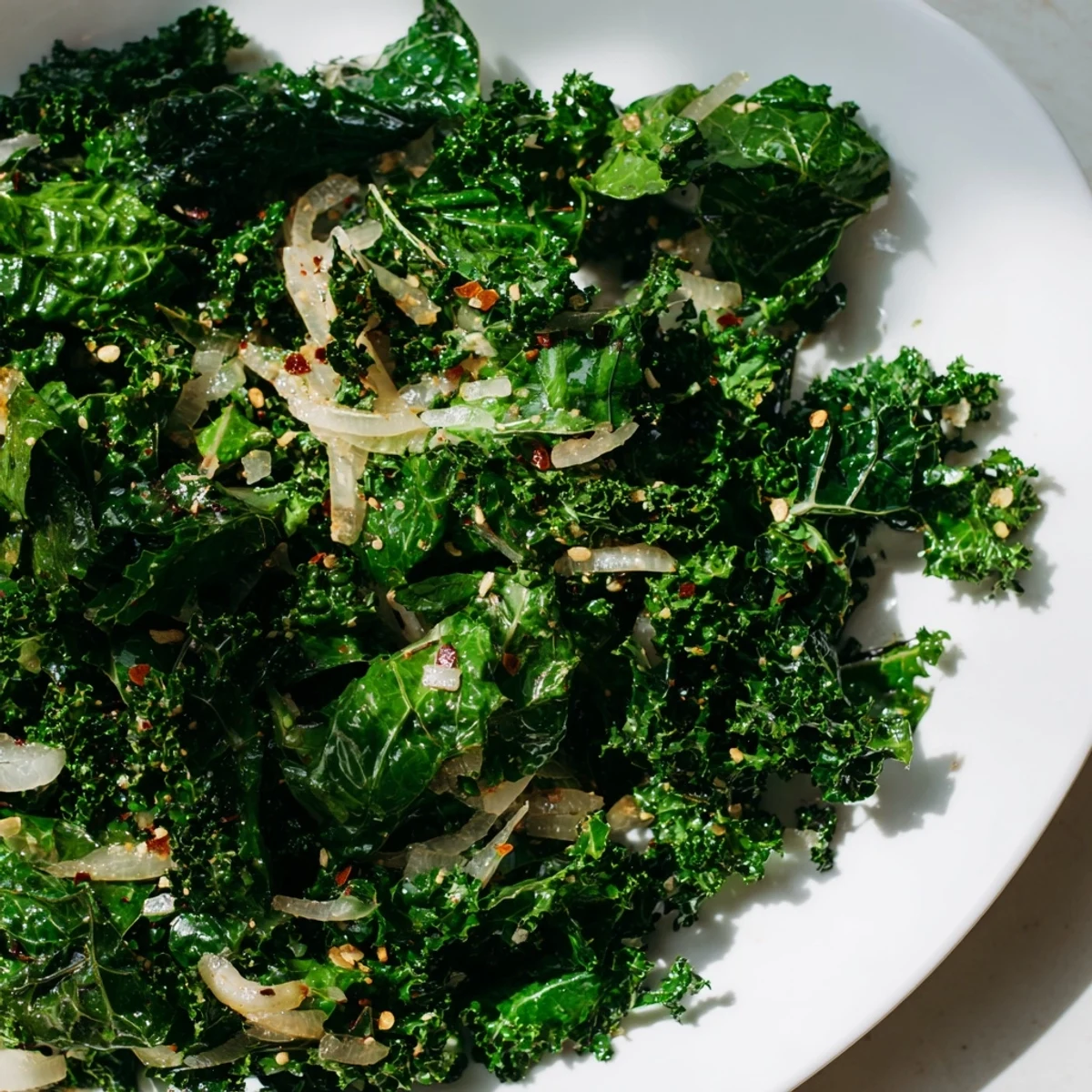
Save Simple recipes like this remind me that good food does not need to be complicated. Sometimes just a few fresh ingredients treated with care are enough to create something genuinely wonderful.
Recipe FAQs
- → How do I prepare kale for sautéing?
-
Remove the tough stems and chop the leaves into bite-sized pieces for even cooking and easier eating.
- → Can I adjust the spice level in this dish?
-
Yes, add or omit red pepper flakes according to your preferred heat tolerance.
- → What oil is best for sautéing kale?
-
Olive oil is ideal for its flavor and health benefits, providing a smooth base for sautéing.
- → Can I substitute kale with other greens?
-
Swiss chard or spinach can be used for a similar texture and flavor profile.
- → How does lemon juice enhance this dish?
-
Lemon juice adds a bright acidity that balances the savory and slightly spicy elements.