
 Save
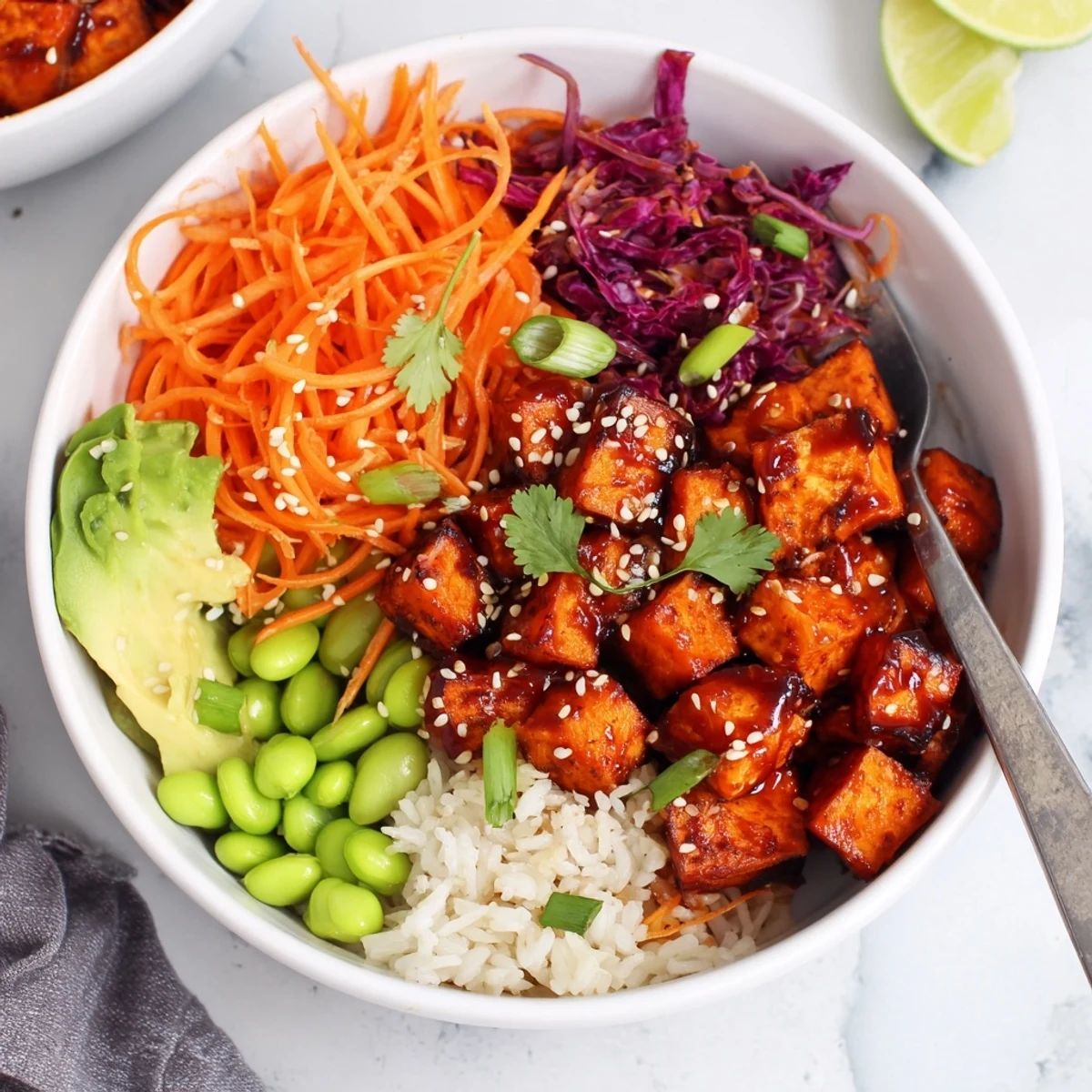
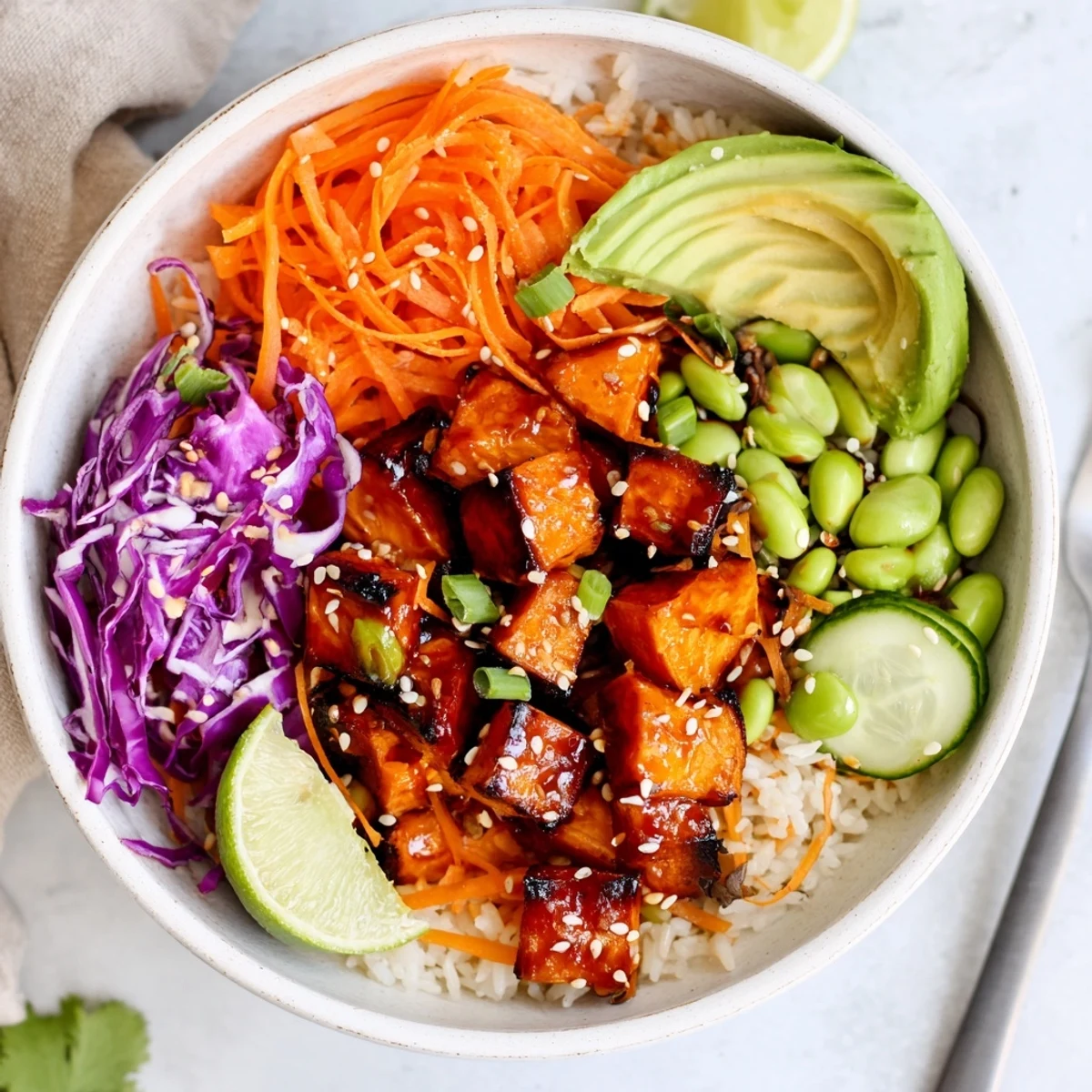
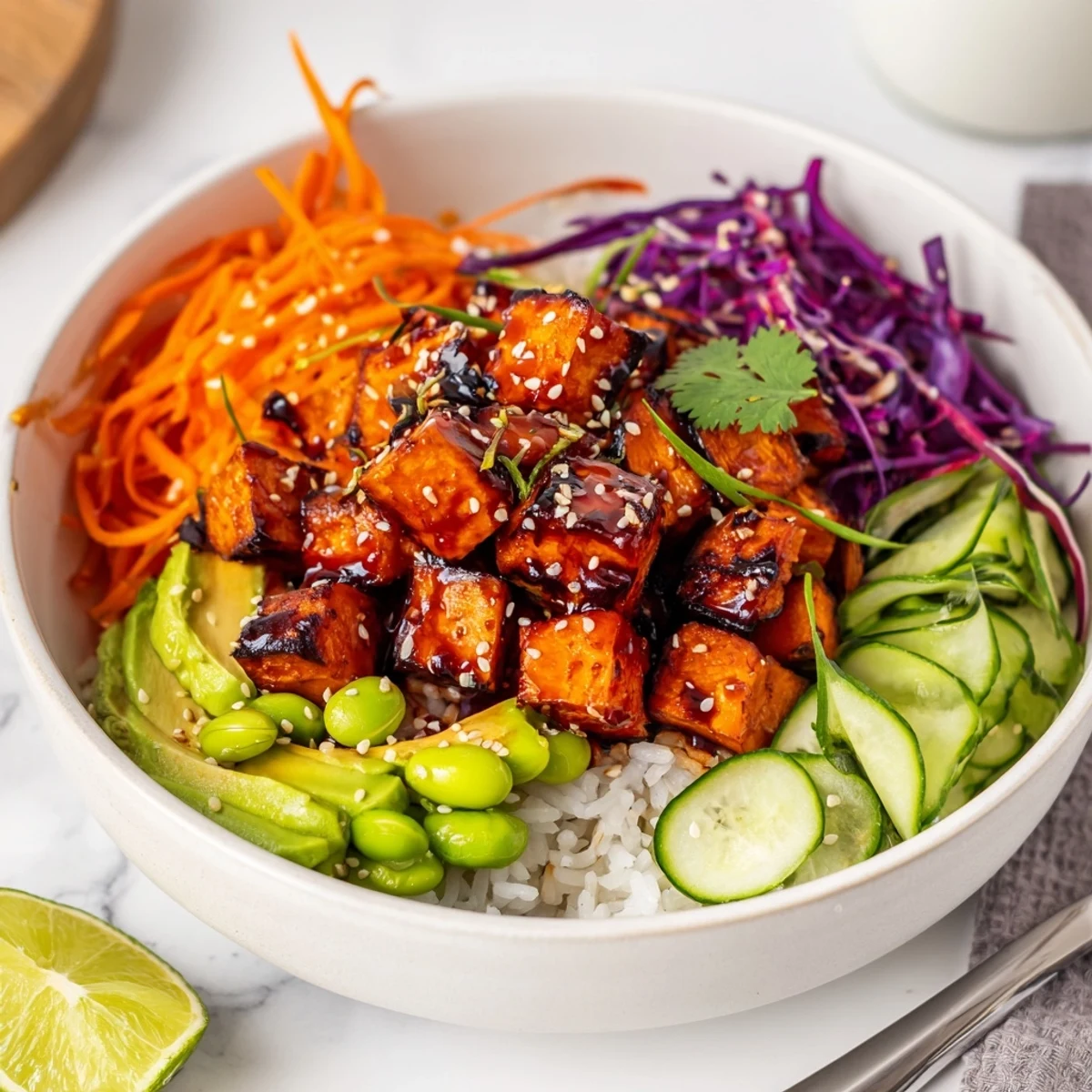
Save Roasted sweet potato cubes are tossed in a sticky, spicy gochujang glaze and baked until caramelized. Assemble bowls with fluffy jasmine or brown rice, shredded red cabbage, julienned carrots, cucumber, blanched edamame and sliced avocado. Finish with scallions and toasted sesame seeds for crunch; squeeze lime or add herbs. Swap quinoa or cauliflower rice for a lighter base, and top with tofu or an egg to boost protein. Adjust gochujang to taste.
The exhaust fan in my tiny apartment kitchen could barely keep up the night I discovered gochujang roasted sweet potatoes. I had grabbed that red tub from the international aisle on a whim, drawn in by the promise of something funky and sweet and unlike anything in my usual rotation. What came out of the oven that evening, sticky and charred at the edges, completely rewired how I think about weeknight dinners. Now this bowl shows up on my table at least twice a month, rain or shine, no questions asked.
My neighbor Sam caught the smell drifting into the hallway once and knocked on my door holding a fork. We stood in the kitchen eating straight from the baking sheet while the rest of the bowl sat waiting, and honestly those potatoes never even made it to the rice that night.
Ingredients
- Sweet potatoes: Two large ones peeled and cubed to about an inch, the orange flesh kind that goes impossibly soft inside while the edges crisp up like burnt caramel.
- Olive oil: Two tablespoons to carry the glaze and help everything roast instead of steam.
- Gochujang: Two tablespoons of Korean chili paste, the soul of this dish, thick and fermented with a heat that builds slowly rather than burning all at once.
- Maple syrup or honey: One tablespoon to round out the chili paste and help the edges char beautifully.
- Soy sauce or tamari: One tablespoon for salt and umami depth, tamari keeps it gluten free.
- Rice vinegar: Two teaspoons to brighten the glaze and cut through the richness.
- Garlic: Two cloves minced fine because raw garlic in a glaze is a small act of kitchen generosity.
- Toasted sesame oil: One teaspoon, just enough to perfume the whole bowl with that nutty warmth.
- Salt and black pepper: To taste, though the soy sauce does most of the heavy lifting.
- Jasmine or brown rice: A cup and a half cooked, fluffy and ready to catch every drop of that glaze.
- Red cabbage: One cup shredded for crunch and a shot of purple that makes the whole bowl feel like a celebration.
- Carrots: One cup julienned thin so they soften slightly under the hot potatoes but keep some bite.
- Cucumber: One cup thinly sliced for a cool contrast against the spicy sweet heat.
- Edamame: One cup steamed or blanched for protein and that satisfying pop between your teeth.
- Scallions: Two thinly sliced for a sharp fresh finish.
- Avocado: One sliced because creamy avocado over spicy anything is a combination that never fails.
- Toasted sesame seeds: Two tablespoons sprinkled on top for crunch and toasty fragrance.
- Fresh cilantro or mint: Optional but recommended for a bright herbal finish.
- Lime wedges: A squeeze at the end wakes everything up.
- Extra gochujang: For drizzling if you want to turn the volume all the way up.
Instructions
- Crank the oven:
- Preheat to 425 degrees Fahrenheit and line a baking sheet with parchment paper. A hot oven is what makes those edges go crispy and golden instead of soft and sad.
- Build the glaze:
- In a large bowl whisk together the olive oil, gochujang, maple syrup, soy sauce, rice vinegar, minced garlic, sesame oil, and a generous pinch of salt and pepper until smooth. Taste it on your finger and adjust if you want more sweetness or heat.
- Coat the potatoes:
- Toss the sweet potato cubes in the glaze until every single piece is covered and the bowl looks like it has been painted red. Use your hands if you have to because a spoon never quite gets into the crevices.
- Roast until glorious:
- Spread the potatoes in a single layer on the baking sheet giving each cube some breathing room. Roast for 25 to 30 minutes flipping halfway through until tender inside and deeply caramelized at the edges.
- Prep the bowl components:
- While the potatoes do their thing in the oven get your rice ready and chop all the vegetables. This is the part where you can use whatever needs eating first in your fridge.
- Assemble with intention:
- Divide the rice among four bowls and arrange the sweet potatoes, cabbage, carrots, cucumber, edamame, avocado, and scallions on top in sections so every bite offers something different.
- Finish with flair:
- Sprinkle toasted sesame seeds over each bowl and add fresh herbs and lime wedges if using. Drizzle with extra gochujang if you like it fiery and serve right away while the potatoes are still warm and sticky.
 Save
Save I brought this to a potluck once and watched a woman who claimed she hated sweet potatoes go back for thirds. She never said a word about it, but her plate told the whole story.
Making It Your Own
The real beauty of a bowl like this is how forgiving it is. I have made it with roasted cauliflower instead of sweet potatoes, with quinoa instead of rice, with pickled radishes thrown on top because they were sitting in the fridge. The glaze is the constant anchor and everything else is just supporting cast.
Getting the Spice Right
Gochujang varies wildly in heat depending on the brand and how long it has been fermenting in your refrigerator door. Start with two tablespoons if you are new to it and taste as you go. My friend who grew up eating Korean food laughs at my restraint and doubles it without hesitation.
Serving and Storing
The potatoes are best straight from the oven when the glaze is still tacky and warm against the cool crunch of the raw vegetables. Leftovers keep well in the fridge for up to three days though the avocado will need to be fresh. Reheat the potatoes in a skillet to bring back some of that edge crispness.
- A fried egg on top turns this into a meal that could convince anyone to eat vegetables for dinner.
- Chilled green tea alongside this bowl is the pairing I reach for every single time.
- Remember that the glaze thickens as it cools so pull the potatoes just before you think they look done.
 Save
Save This is the kind of bowl that makes you feel like you have your life together, even if everything else is chaos. Keep a tub of gochujang in your fridge and you are never more than thirty minutes away from something extraordinary.
Recipe FAQs
- → How do I get sweet potatoes caramelized?
-
Cut cubes evenly, coat in oil and glaze, roast at 425°F (220°C) and turn once about halfway through so edges brown and centers soften for a caramelized finish.
- → Can I make the glaze less spicy?
-
Reduce the gochujang amount and balance with extra maple syrup or rice vinegar. A splash of soy or tamari adds savory depth without heat.
- → What are good grain alternatives?
-
Quinoa, brown rice, or cauliflower rice work well. Choose a neutral, fluffy base to contrast the spicy-sweet potatoes and crunchy vegetables.
- → How to keep vegetables crisp?
-
Slice vegetables shortly before assembling and blanch or steam edamame quickly, then shock in cold water to retain color and crunch.
- → How can I add more protein?
-
Top with grilled tofu, pan-seared tempeh, or a soft-boiled fried egg. Marinating tofu in a little glaze before grilling adds cohesive flavor.
- → Any tips for serving and garnishes?
-
Finish bowls with toasted sesame seeds, thinly sliced scallions, fresh cilantro or mint, and lime wedges. Extra gochujang drizzle adds heat on serving.