
 Save
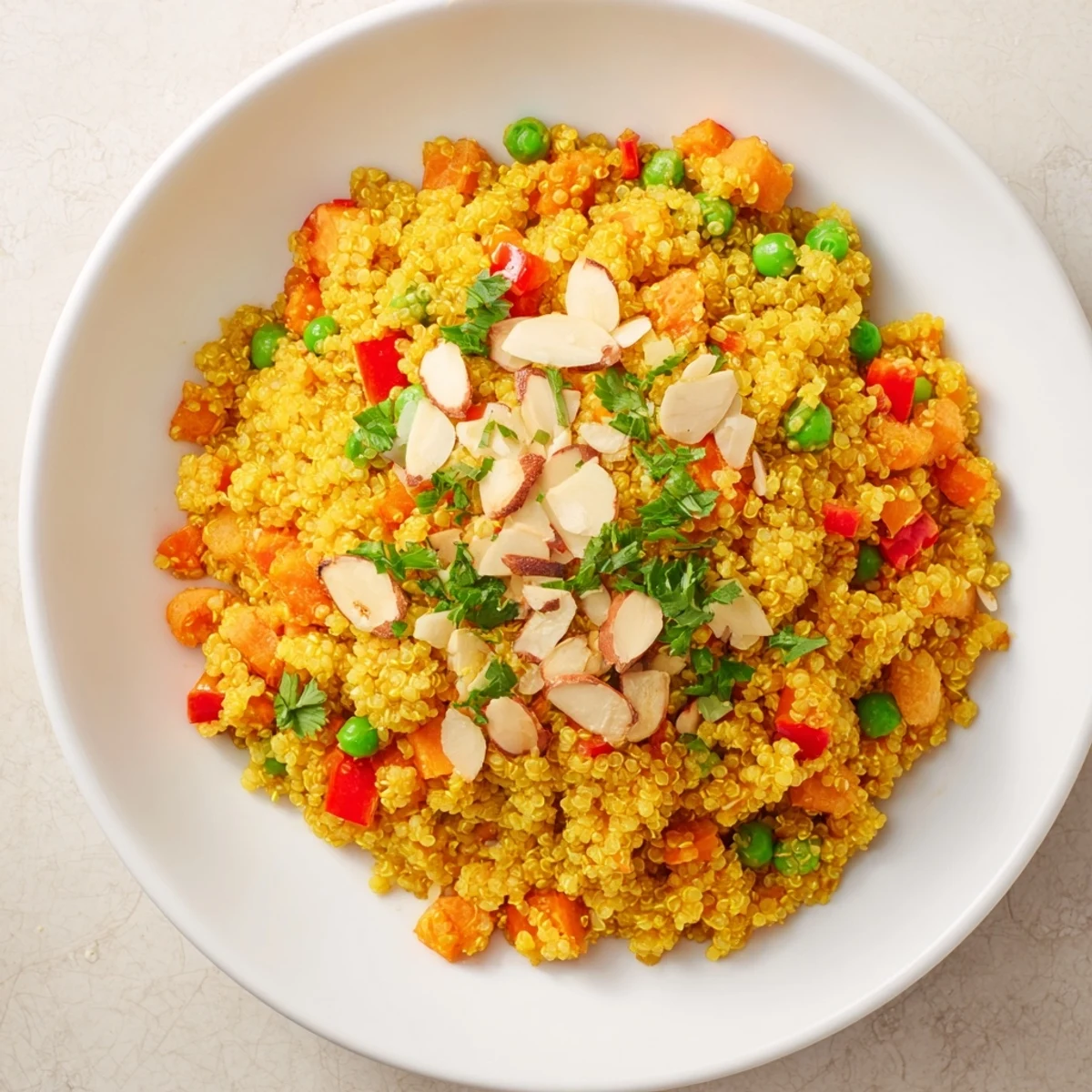
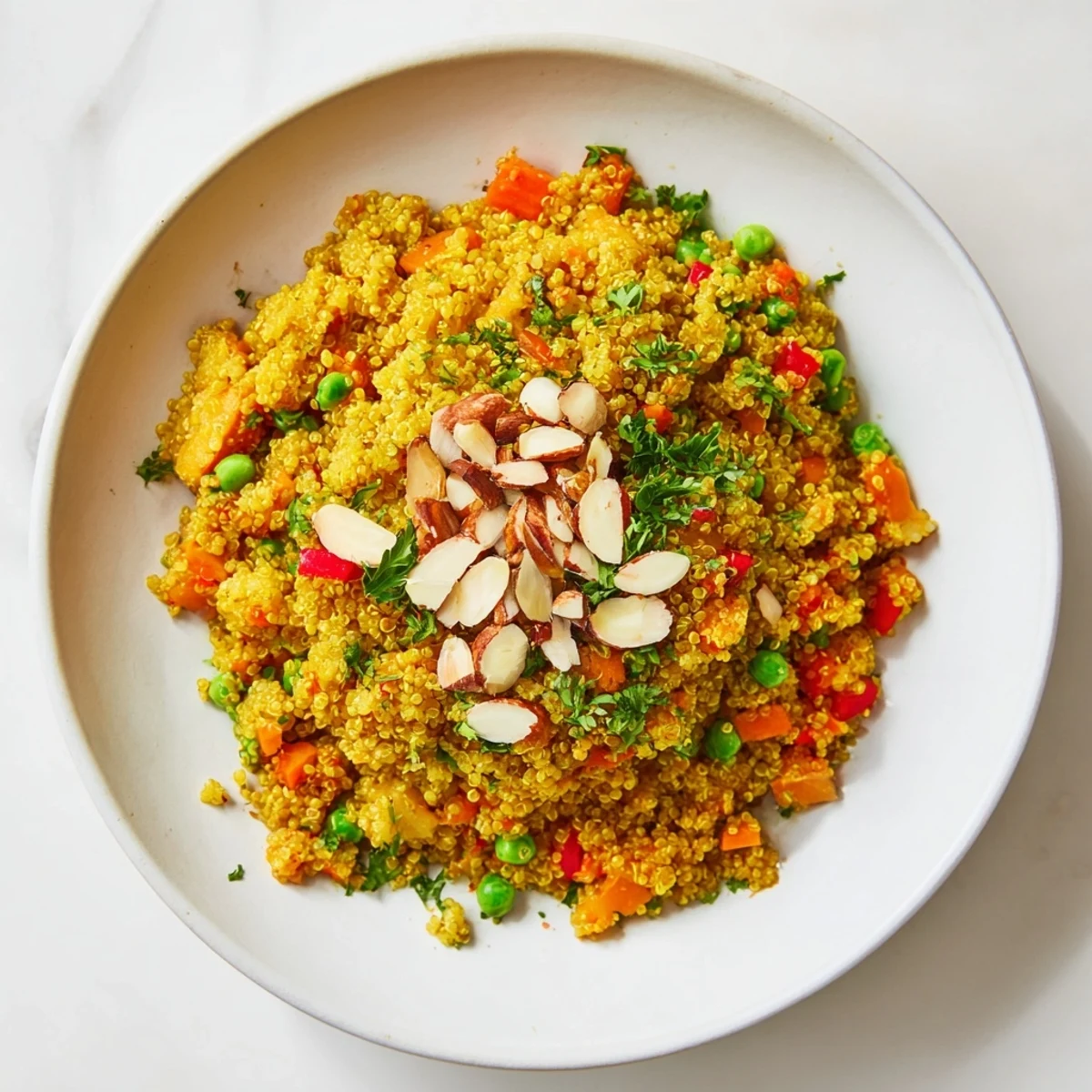
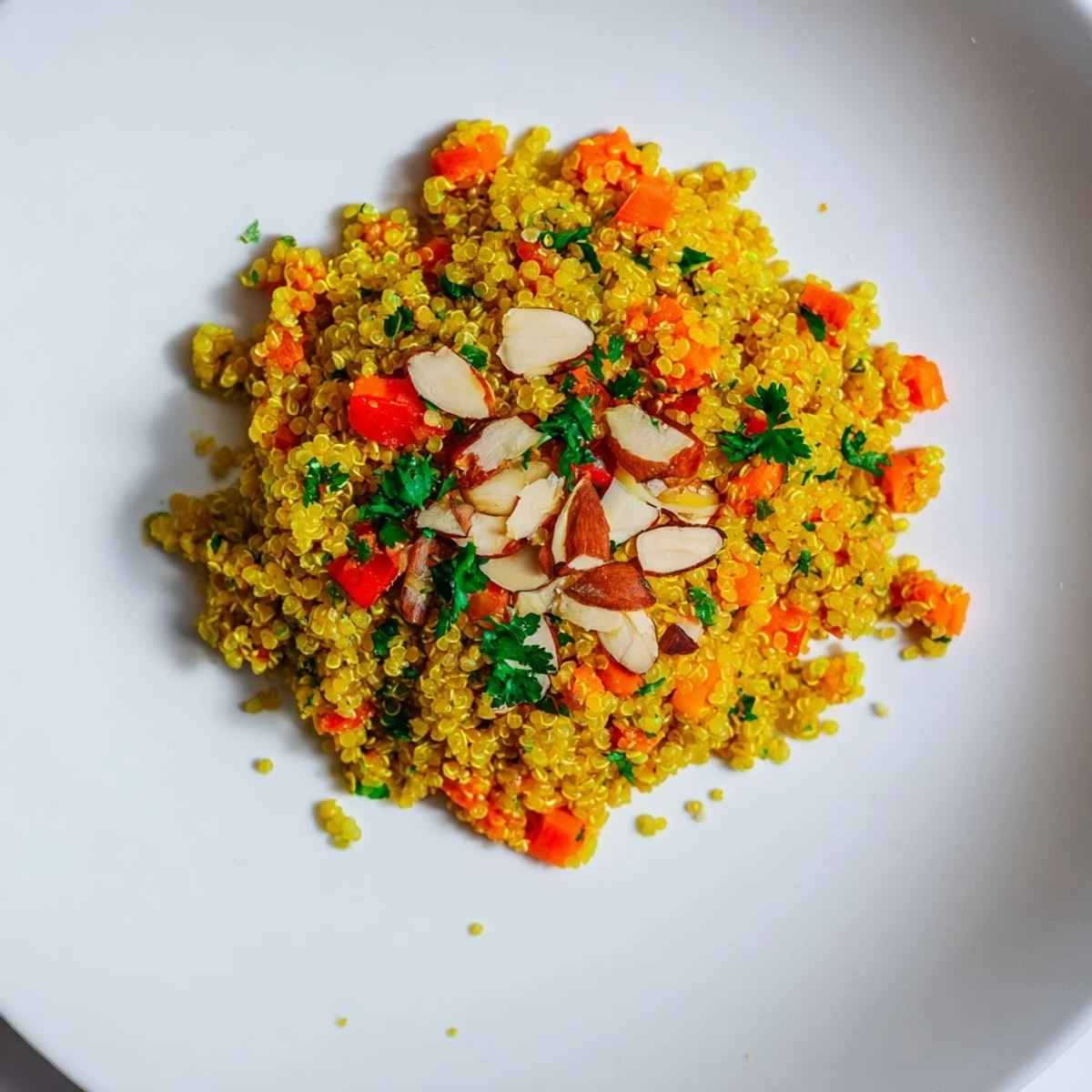
Save This golden grain medley combines nutty quinoa with aromatic turmeric, cumin, and fresh vegetables like carrot, red bell pepper, and peas. Simmered gently in vegetable broth, it creates a flavorful and vibrant dish. Garnished with fresh herbs and toasted almonds, it offers a delightful blend of textures and tastes, suitable as a hearty side or light vegetarian option.
With easy steps including sautéing aromatics, stirring in spices, and slow simmering, this dish comes together in just over half an hour. Versatile substitutions and optional add-ins like chickpeas allow for customization, making it a nutritious and satisfying choice for everyday meals.
I first discovered this golden grain dish on a lazy Sunday afternoon when I had a handful of vegetables that needed using and a half-empty box of quinoa on my shelf. A friend had raved about how turmeric transforms even the simplest grains into something restaurant-worthy, and I was curious enough to try it. That first batch filled my kitchen with such a warm, inviting aroma that my partner wandered in from the other room asking what smelled so good. It's been a staple ever since, especially on nights when I want something nourishing but don't want to spend hours in the kitchen.
I remember bringing this to a potluck where everyone was skeptical about a grain-based dish, and watching faces light up as they took their first bites was genuinely touching. One guest came back for thirds and asked if I'd make it for her dinner party the following week. That's when I realized this wasn't just a weeknight side - it was the kind of humble food that brings people together.
Ingredients
- Quinoa: This complete protein cooks in about 15 minutes and has a lovely nutty flavor that pairs perfectly with warm spices. Rinsing it thoroughly removes any bitterness and makes each grain separate and fluffy. You can absolutely swap in bulgur, millet, or couscous if that's what you have.
- Vegetable broth: This is your foundation for flavor - use a good quality broth because you can taste it in every bite. The ratio of one part grain to two parts liquid is the magic formula for tender, perfectly cooked grains.
- Olive oil: Two tablespoons might seem modest, but it's enough to help the spices bloom and coat every grain beautifully.
- Onion and garlic: These aromatics build the flavor base. The onion should be finely chopped so it softens into the grain, and the garlic minced small enough to distribute its warmth throughout.
- Ground turmeric: This is the star spice that gives the dish its golden glow and subtle earthiness. A teaspoon is enough to color and flavor the whole pot without overpowering.
- Ground cumin and black pepper: Cumin adds warmth and depth while pepper provides a gentle prickle. Together they create a spice blend that feels both grounding and bright.
- Carrot and red bell pepper: These vegetables add natural sweetness and color. Dicing them into small, even pieces means they cook at the same rate as the grains.
- Frozen peas: Added at the end, they stay tender and bring a pop of sweetness that balances the savory spices beautifully.
- Fresh parsley or cilantro: This final sprinkle of green brings freshness and a delicate herbal note that lifts the entire dish.
- Toasted slivered almonds: Optional but honestly worth seeking out - they add a nutty crunch that makes each spoonful feel special.
- Lemon wedges: A squeeze of fresh lemon right before eating brightens everything and ties it all together.
Instructions
- Prepare your grain with intention:
- Place your quinoa in a fine-mesh strainer and rinse it thoroughly under cool running water, rubbing it gently between your fingers. You'll notice the water runs clearer as you go. This simple step removes any residue and ensures your cooked quinoa will be light and fluffy rather than slightly bitter.
- Build your aromatic base:
- Heat the olive oil in your saucepan over medium heat until it shimmers. Add your finely chopped onion and listen for that gentle sizzle - it's the sound of good things happening. Stir occasionally and let it cook for 3 to 4 minutes until it turns translucent and soft, releasing its natural sweetness into the oil.
- Awaken the spices:
- Add your minced garlic along with the turmeric, cumin, pepper, and salt all at once. Stir constantly for about a minute - you want to hear the spices crackling slightly and smell that warm, toasted aroma filling your kitchen. This process, called blooming, unlocks the full flavor potential of your spices.
- Add color and texture:
- Stir in your diced carrot and red bell pepper, letting them tumble through the fragrant oil and spices. Cook for 2 to 3 minutes, stirring occasionally, until the vegetables begin to soften slightly at the edges and everything smells absolutely incredible.
- Toast and coat the grain:
- Add your rinsed quinoa to the pan and stir everything together for about a minute. You're coating each grain with the spiced oil and vegetables, which helps them cook evenly and absorb all those flavors.
- Simmer to perfection:
- Pour in your vegetable broth and increase the heat to medium-high. Watch as it comes to a boil - the broth should bubble actively around the grains. Once it's boiling, reduce the heat to low, cover the pan with a lid, and let it simmer undisturbed for 15 minutes. Resist the urge to lift the lid - steam is doing important work in there.
- Finish with freshness:
- After 15 minutes, add your thawed peas and stir gently. Cover again and cook for another 3 to 5 minutes until all the liquid is absorbed and the grains are tender to the bite. If you press a grain between your tongue and the roof of your mouth, it should yield easily without any hard center.
- Fluff and garnish:
- Remove from heat and let it sit covered for a minute or two, then use a fork to gently fluff the grains, stirring in the fresh parsley or cilantro. The fork method keeps everything light and separate rather than mushy.
- Serve with joy:
- Transfer to a serving bowl and top with toasted almonds if you're using them. Set out lemon wedges on the side so everyone can squeeze a bit of brightness over their portion according to their taste.
 Save
Save I made this dish for my mother when she was going through a difficult time, and she told me it was the first meal in weeks that she actually wanted to eat. There's something about food made with care and intention that speaks to people in ways words can't. That's when I understood that cooking isn't just about filling bellies - it's about showing up for the people you love.
Flexibility and Substitutions
This recipe is genuinely forgiving and welcomes your creativity. If you don't have quinoa, bulgur wheat cooks beautifully in the same broth and has a slightly chewier, more traditional grain texture. Couscous works too, though it cooks faster - reduce your simmering time to about 10 minutes total. For extra protein, stir in a can of drained chickpeas or some cooked lentils right when you add the peas. If you're missing one of the vegetables, simply use what you have - corn, zucchini, and green beans all work wonderfully. The dish adapts to your pantry rather than demanding exact ingredients.
Pairing and Serving Ideas
This golden grain shines on its own as a light vegetarian main, but it also plays beautifully with other proteins. I serve it alongside grilled chicken for a complete meal, or spoon it next to roasted fish for something elegant. It's equally at home at a summer picnic or as a winter comfort dinner. Leftover portions stay delicious for three days in the refrigerator and actually taste even better the next day as the flavors meld and deepen. You can serve it warm or at room temperature, making it perfect for meal prep or bringing to gatherings.
Storing and Enjoying Leftovers
This recipe makes about four generous servings, and any leftovers keep beautifully in an airtight container in the refrigerator for up to three days. I often reheat portions gently in a skillet with a splash of water or broth, which revives the grain and vegetables without drying them out. Cold leftovers transform into something entirely different - pile them into grain bowls with fresh vegetables, top with a fried egg, or use as a base for a quick lunch wrap. The adaptability of this dish means it works as hard as you're willing to let it.
- Store in an airtight container and eat within three days for best flavor and food safety
- Reheat gently over low heat with a splash of water rather than in the microwave, which can dry things out
- Leftover portions are perfect cold as a base for grain bowls or mixed into salads for added heartiness
 Save
Save Every time I make this dish, I'm reminded that simple ingredients treated with care and intention can become something genuinely nourishing for both body and spirit. It's the kind of recipe that quietly becomes a favorite, appearing on your table again and again.
Recipe FAQs
- → Can I substitute quinoa with other grains?
-
Yes, bulgur, millet, or couscous can be used as alternatives, adjusting cooking times accordingly.
- → How do I add more protein to this dish?
-
Incorporate cooked lentils or chickpeas during the final cooking stage for a protein boost.
- → What spices give the dish its flavor?
-
Turmeric, cumin, garlic, and black pepper create the warm, aromatic profile of this dish.
- → Is this dish suitable for gluten-free diets?
-
Using quinoa or millet makes it gluten-free, while bulgur and couscous contain gluten and should be avoided if necessary.
- → How can I make the dish spicier?
-
Add a pinch of cayenne pepper or extra black pepper during the sautéing stage for a gentle heat.
- → What garnishes enhance the flavor and texture?
-
Fresh parsley or cilantro and toasted slivered almonds add freshness and crunch to the grain blend.