
 Save
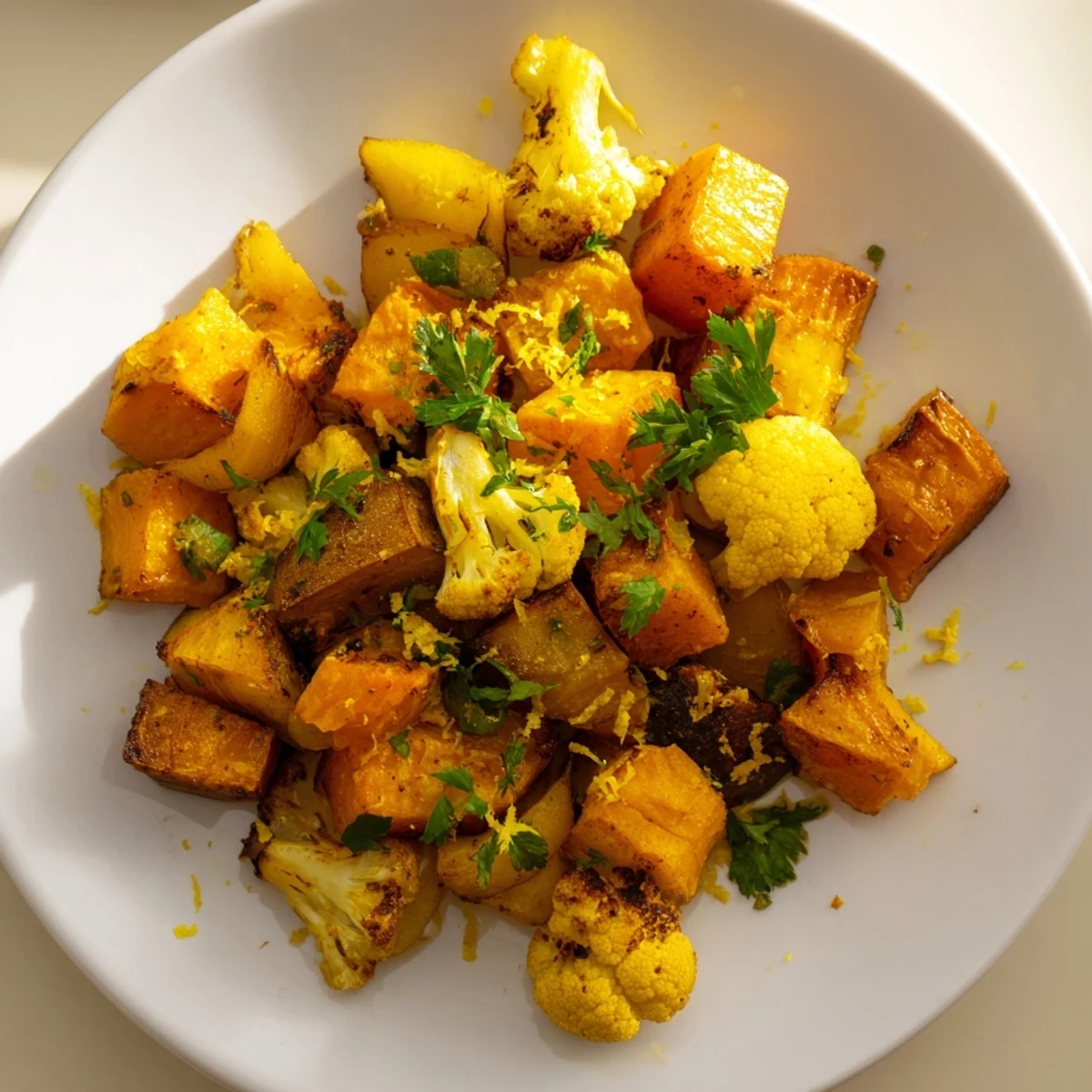
Save This vibrant vegetable medley features golden beets, butternut squash, carrots, and cauliflower tossed with olive oil and warm spices. Roasted until tender and flavorful, it delivers a comforting blend of natural sweetness and earthy notes. Garnished with fresh parsley and lemon zest, it makes an ideal main or side that pairs well with grains or roasted meats. Versatile and easy to prepare, it highlights fresh seasonal produce with a simple roasting technique.
There's something about the way golden vegetables smell when they hit a hot oven that makes you forget it's supposed to be simple food. I stumbled into this recipe on a gray afternoon when I had an armful of root vegetables and absolutely no plan, just the vague memory of my grandmother saying that roasting brings out sweetness you didn't know was there. Twenty minutes later, I was arranging chunks of butternut squash and beets on a sheet pan, curious if she was right.
I made this for a dinner party where someone announced they were suddenly eating vegetarian, and I realized mid-panic that I had nothing prepared. Instead of stressing, I just doubled the recipe and set the oven timer, and by the time everyone arrived, the kitchen smelled so good that nobody felt like they were missing anything. It became the thing people asked about weeks later.
Ingredients
- Carrots and parsnips: Cut into chunks roughly the same size so they roast at the same pace—I learned this the hard way after making half of them mushy and the other half still firm.
- Butternut squash: Takes longer than you think, so cutting it smaller than you'd expect helps it caramelize without the outer edges burning.
- Golden beet: This is not an accident of variety—golden beets stay bright and sunny colored instead of turning everything purple and moody like red ones.
- Bell pepper: Cut into strips longer than you'd use for stir-fry so they stay floppy and sweet instead of dissolving into the pan.
- Red onion and cauliflower: The red onion sweetens and mellows, while cauliflower soaks up every spice note without overwhelming them.
- Olive oil: Three tablespoons sounds stingy but it's enough—the vegetables release their own moisture as they cook.
- Smoked paprika, thyme, and turmeric: This trio is the whole secret, warm and slightly earthy without being heavy or pretentious.
- Lemon zest: Scattered at the end, it snaps everything back into focus and makes the whole dish feel bright.
Instructions
- Get your oven ready and prep your stage:
- Line a baking sheet with parchment paper and heat the oven to 425°F. You want it actually hot before the vegetables go in—a cool oven just steams everything instead of caramelizing it.
- Gather and cut your vegetables:
- Cube everything to roughly the same size, about an inch across. Small pieces cook faster but don't get as golden, while huge chunks stay raw in the middle.
- Make your spice oil:
- Whisk olive oil with paprika, thyme, turmeric, garlic powder, salt, and pepper in a small bowl until it looks like smooth paint. This is where all the flavor lives.
- Coat everything generously:
- Toss the vegetables with the oil mixture until every piece is glossy and dusted with spice. This is important—don't be shy about it.
- Spread them out in one layer:
- They need room to breathe and roast instead of steaming in their own moisture. If they're crowded, use two pans.
- Roast until golden and tender:
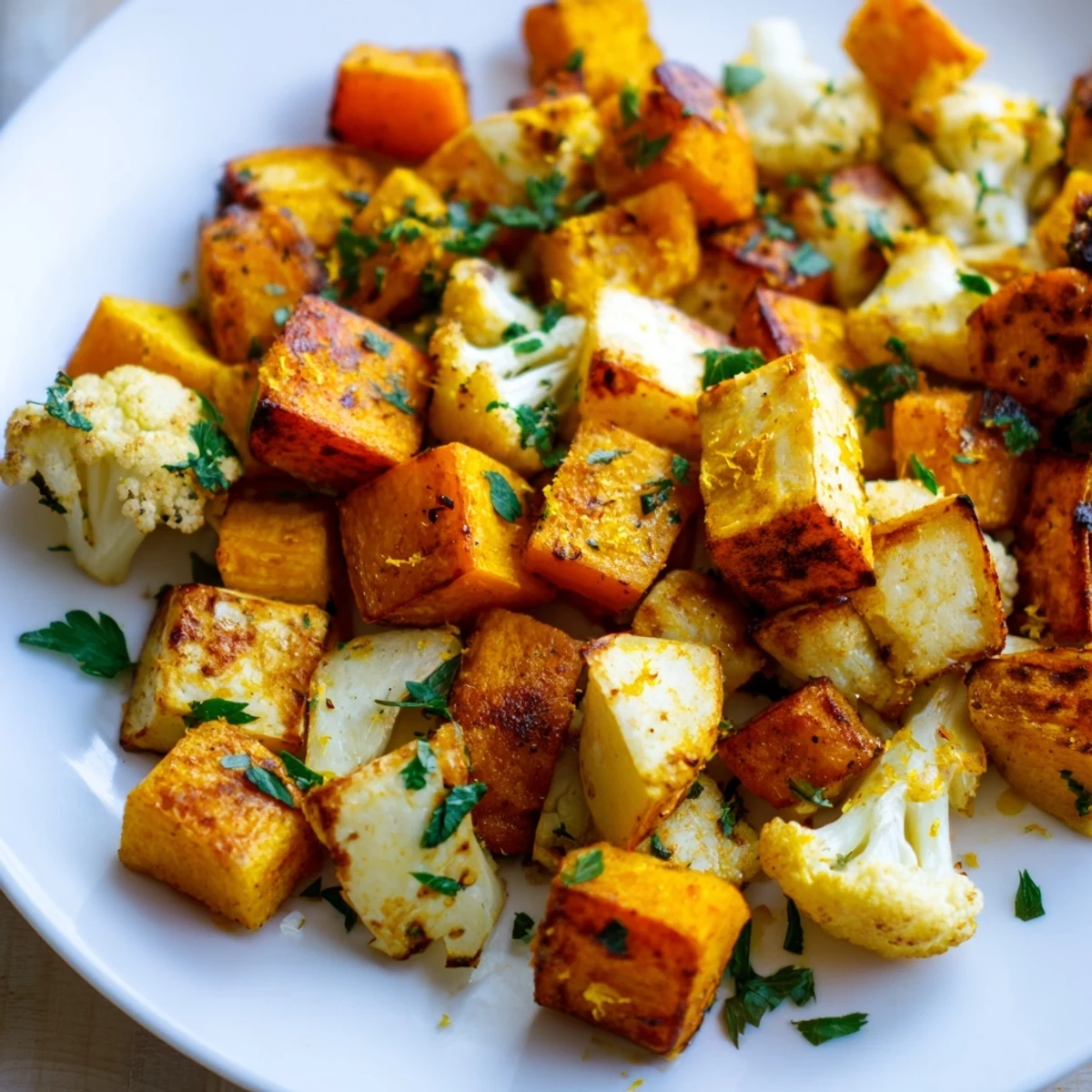
- After about 20 minutes, give everything a stir so the pieces on the edge rotate toward the center. At 35–40 minutes total, they should be caramelized on the edges and soft all the way through, and the smell should make you want to eat it right away.
- Finish and serve:
- Transfer to a platter and scatter fresh parsley and lemon zest over top if you have them. Serve warm, preferably while steam is still rising.
 Save
Save There was a moment when I served this to someone who said they didn't really eat vegetables much, and they went back for seconds without thinking about it. That's when I realized this isn't a recipe for people trying to eat healthier—it's a recipe that tastes like food you actually want, which turns out to be the same thing.
The Science of Sweetness
Roasting vegetables at high heat does something called the Maillard reaction, which is a fancy way of saying the natural sugars in the vegetables caramelize and brown instead of just boiling away. That's why these taste nothing like steamed vegetables and everything like something you'd actually crave. The turmeric adds warmth and earthiness, while the smoked paprika gives it a subtle depth that makes people pause and ask what you did.
Customizing Your Pan
The beauty of this recipe is that it's not precious about what vegetables you use, as long as they're roughly the same size and have similar cooking times. Root vegetables like sweet potato, rutabaga, or turnip swap in beautifully, and I've made versions with Brussels sprouts and chunks of broccoli that worked just as well. Think of the spice blend as the backbone that holds everything together, not the vegetables as something locked in stone.
Serving and Pairing
This works as a main course on its own with some bread and a salad, but it's equally at home alongside roasted chicken or fish, tucked into a grain bowl, or rolled into a wrap with hummus. I've also crumbled feta over the top and drizzled tahini underneath, and that transforms it into something richer and more substantial if you want it that way.
- Make this ahead and reheat it gently—it tastes almost better the next day when the flavors have settled into the vegetables.
- If you're feeding vegetarians or people avoiding dairy, this needs nothing but itself and maybe a squeeze of fresh lemon.
- Leftovers are perfect cold or at room temperature, making this one of those rare recipes that works for lunch boxes and impromptu picnics.
 Save
Save This is the kind of recipe that proves vegetables don't need apologies or excuses. They just need heat, time, and enough space to show you what they're actually like.
Recipe FAQs
- → What vegetables are used in the golden medley?
-
Carrots, parsnips, butternut squash, golden beet, yellow bell pepper, red onion, and cauliflower florets create a colorful mix.
- → How do the spices enhance the vegetables?
-
Smoked paprika, thyme, turmeric, and garlic powder add warm, earthy, and slightly smoky notes that complement the natural sweetness.
- → What is the best oven temperature for roasting these vegetables?
-
Roast at 425°F (220°C) to achieve tender textures and golden caramelization without drying them out.
- → Can I substitute other vegetables in this medley?
-
Yes, root vegetables like sweet potato or turnip work well and maintain the hearty character of the dish.
- → How should the vegetables be prepared before roasting?
-
Peel and cut into uniform chunks to ensure even cooking and consistent tenderness throughout.
- → What optional garnishes elevate the dish?
-
Chopped fresh parsley and lemon zest add brightness and fresh herbal notes that balance the roasted flavors.