
 Save
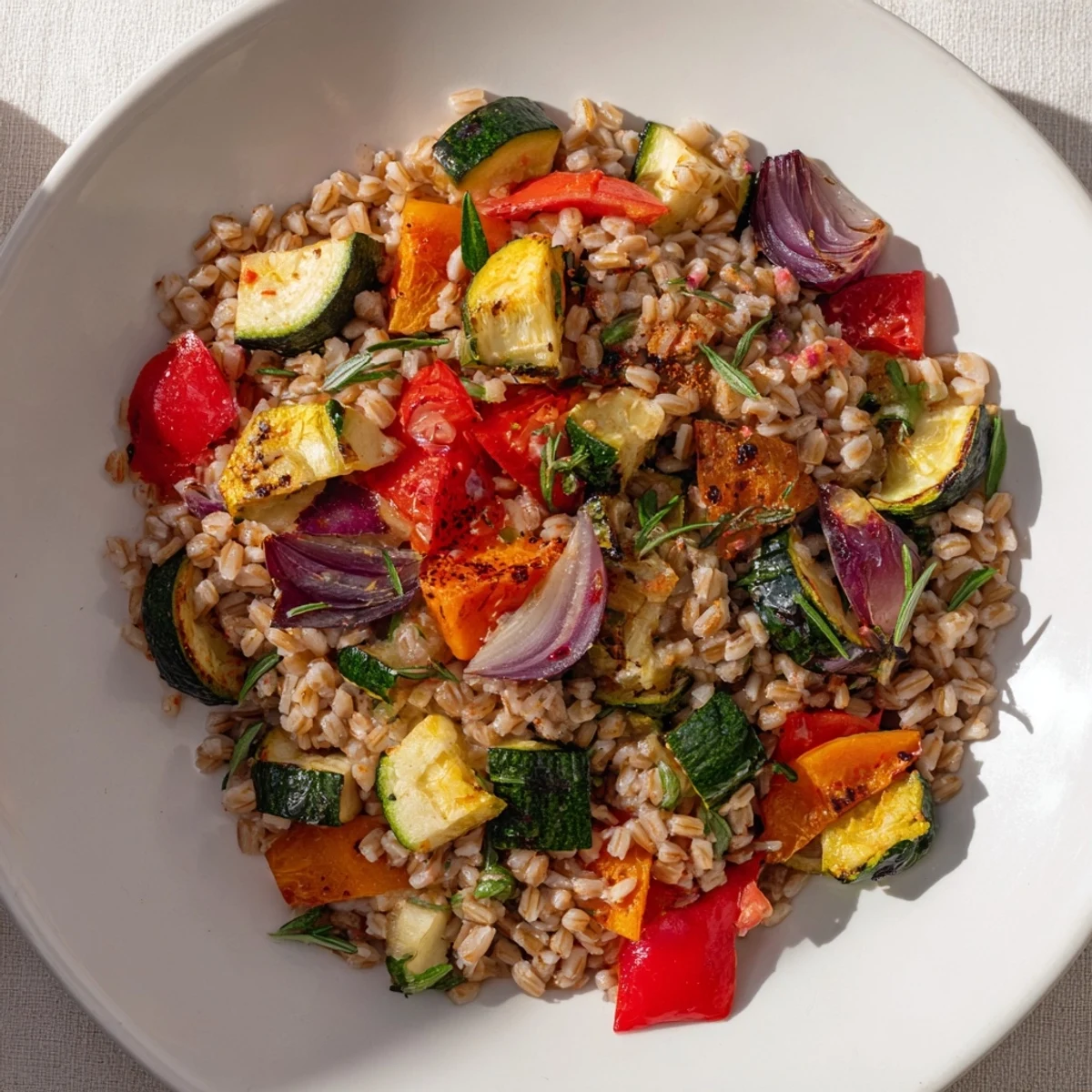
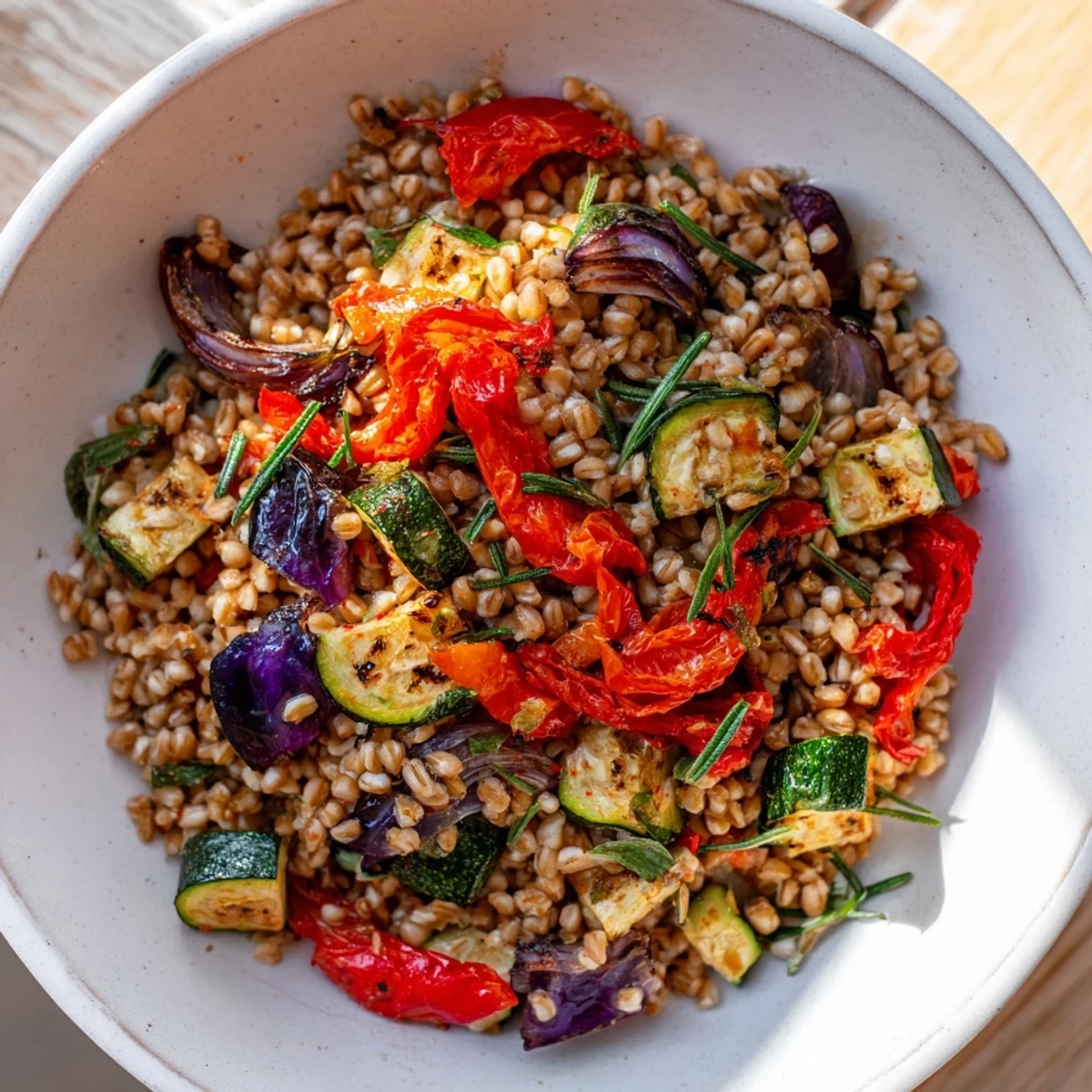
Save This dish highlights hearty grains like farro combined with a medley of roasted vegetables tossed in aromatic thyme, rosemary, and smoked paprika. Slow roasting the vegetables enhances their natural sweetness and texture, which balance perfectly with the tender cooked grains. Finished with fresh parsley and optional toasted pumpkin seeds, it offers a warming, rustic element that suits vegetarian and dairy-free dining. Quick to prepare, it provides a nourishing, flavorful option ideal for main or side servings.
I first made this hearth savory grain on a crisp autumn evening when my farmer's market haul was overflowing with roasted vegetables and I wanted something that felt both grounding and alive. There's something magical about watching humble grains transform into something that tastes like home, like the kind of meal that makes you slow down and actually taste your food instead of just eating it.
I remember serving this to friends on a gray Sunday afternoon, and watching them go back for seconds without even asking what was in it spoke volumes. One friend asked if the pumpkin seeds were my secret ingredient, and I realized then that it's not about having fancy components—it's about treating simple ingredients with respect.
Ingredients
- Farro: This is your canvas—it's chewy and substantial with a nutty flavor that rewards slow cooking. If you haven't cooked with it before, you're in for a treat, though barley or wheat berries work beautifully too. The key is rinsing it first, which removes some of the starches and prevents the grains from clumping
- Vegetable broth: Use the good stuff here if you have it—the broth flavors the grains from the inside out, so it matters more than you might think
- Red onion, carrots, bell pepper, and zucchini: These are your texture builders. The red onion becomes almost sweet when roasted, the carrots get jammy at the edges, and the zucchini softens into creamy little pieces. Dice them all roughly the same size so they cook evenly
- Garlic: Mince it fine so it spreads throughout the vegetables and becomes nearly invisible but deeply flavorful
- Olive oil: This is your cooking fat and your seasoning—good olive oil makes a real difference in the final taste
- Dried thyme and rosemary: These herbs are sturdy enough to survive roasting and their earthy notes are exactly what this dish needs. Fresh herbs will burn, so stick with dried for the roasting phase
- Smoked paprika: Just a whisper of this gives the entire dish a subtle depth that people can't quite identify but absolutely notice
- Fresh parsley and pumpkin seeds: These are your final flourish—they add brightness and a satisfying crunch that transforms the dish from rustic to refined
Instructions
- Get your oven ready and start the grains:
- Turn your oven to 400°F and let it preheat while you work. In your saucepan, bring the vegetable broth to a rolling boil—you want it really bubbling. Add your rinsed farro, let it come back to a boil, then reduce the heat down so it's just gently simmering. Cover it and let it do its thing for 25 to 30 minutes. You'll know it's done when the grains are tender but still have a little bite to them—not mushy, not hard, just right
- Prepare your vegetables for roasting:
- While the grains are cooking, dice all your vegetables into roughly the same size pieces—about three-quarter inch cubes work beautifully. Put them in a big bowl with the minced garlic, then drizzle generously with olive oil. Sprinkle over the thyme, rosemary, smoked paprika, salt, and pepper, and toss everything until every piece is coated with oil and herbs. Don't be shy with the seasoning here
- Roast until golden and tender:
- Spread the vegetables on your baking sheet in a single layer—don't crowd them or they'll steam instead of roast. Into the oven they go for 25 to 30 minutes. About halfway through, give them a good stir so they caramelize evenly. You're looking for golden edges and vegetables that are soft enough to crush with a wooden spoon but still holding their shape
- Bring it all together:
- When both the grains and vegetables are ready, drain any excess liquid from the farro and transfer everything to your large bowl. Taste a bite and add more salt and pepper if it needs it. The flavors should feel warm and complete
- Finish with love:
- Serve it warm, scattered generously with fresh parsley and those pumpkin seeds. The parsley brightens everything up, and the seeds add a satisfying crunch that makes it feel special
 Save
Save There was a moment, probably the fourth time I made this dish, when I realized it had become the recipe I reach for when I want to feel grounded. Not because it's complicated or impressive, but because it tastes like care tastes like someone took time to do things right.
Why Roasting Changes Everything
Roasting vegetables instead of sautéing them is the difference between good and genuinely memorable. The high heat caramelizes the natural sugars, concentrating flavor in a way that a quick pan cook simply can't achieve. The edges get crispy and golden, the interiors become almost creamy, and the herbs toast into something more aromatic and complex. This is when you understand why people care about cooking techniques.
Grain Cooking as Meditation
There's something grounding about cooking grains. You rinse them, you measure them, you bring liquid to a boil, and then you wait. In our world of instant everything, sitting with a covered pot for thirty minutes feels revolutionary. This is also why grains are so forgiving—they're designed to feed people, not impress them. They want to cook. They want to nourish you.
Making It Your Own
This recipe is honestly more of a framework than a strict formula. I've made it with Brussels sprouts and squash in winter, with asparagus and peas in spring. I've used farro one week and brown rice the next. The structure stays the same—roasted vegetables, cooked grain, good seasoning, fresh garnish—but it adapts to what you have and what you're craving. That's the beauty of building real kitchen skills instead of just following recipes.
- Try toasted walnuts or sunflower seeds instead of pumpkin seeds for a different kind of crunch
- Add crumbled feta, goat cheese, or a drizzle of tahini at the end if you want richness and depth
- Leftover grain keeps beautifully for three days in the refrigerator, and it's even better the next day when the flavors have had time to meld
 Save
Save This hearth savory grain became my answer to the question nobody was asking but everyone needed answered: what makes a meal feel complete without being complicated. Make it this week.
Recipe FAQs
- → What grains can I use besides farro?
-
Farro can be substituted with barley, wheat berries, brown rice, or quinoa for a gluten-free option.
- → How do I achieve perfectly roasted vegetables?
-
Spread vegetables evenly on a baking sheet, toss them with olive oil and herbs, and roast at 400°F for 25–30 minutes, stirring once halfway.
- → Can I add cheese to enhance flavor?
-
Yes, crumbled feta or goat cheese can be sprinkled on top to add richness and depth.
- → Is this dish suitable for a vegan diet?
-
Yes, it's vegan and dairy-free by default, featuring plant-based grains and vegetables.
- → What are good pairings for this grain dish?
-
This grain and vegetable dish pairs well with roasted chicken or can be served as a wholesome vegetarian main.
- → How can I avoid seed allergies in this dish?
-
Simply omit the toasted pumpkin seeds or substitute them with toasted nuts if suitable.