
 Save
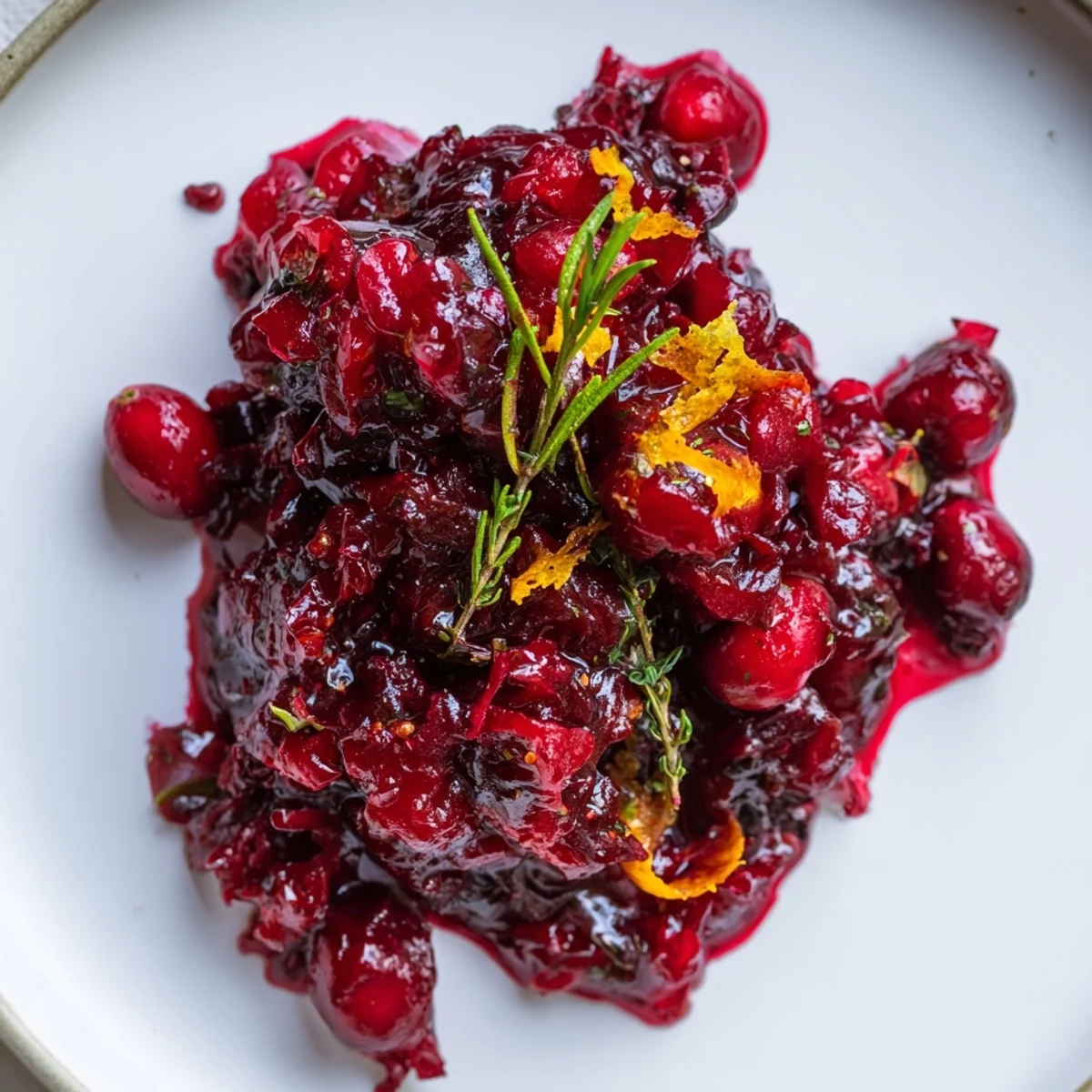
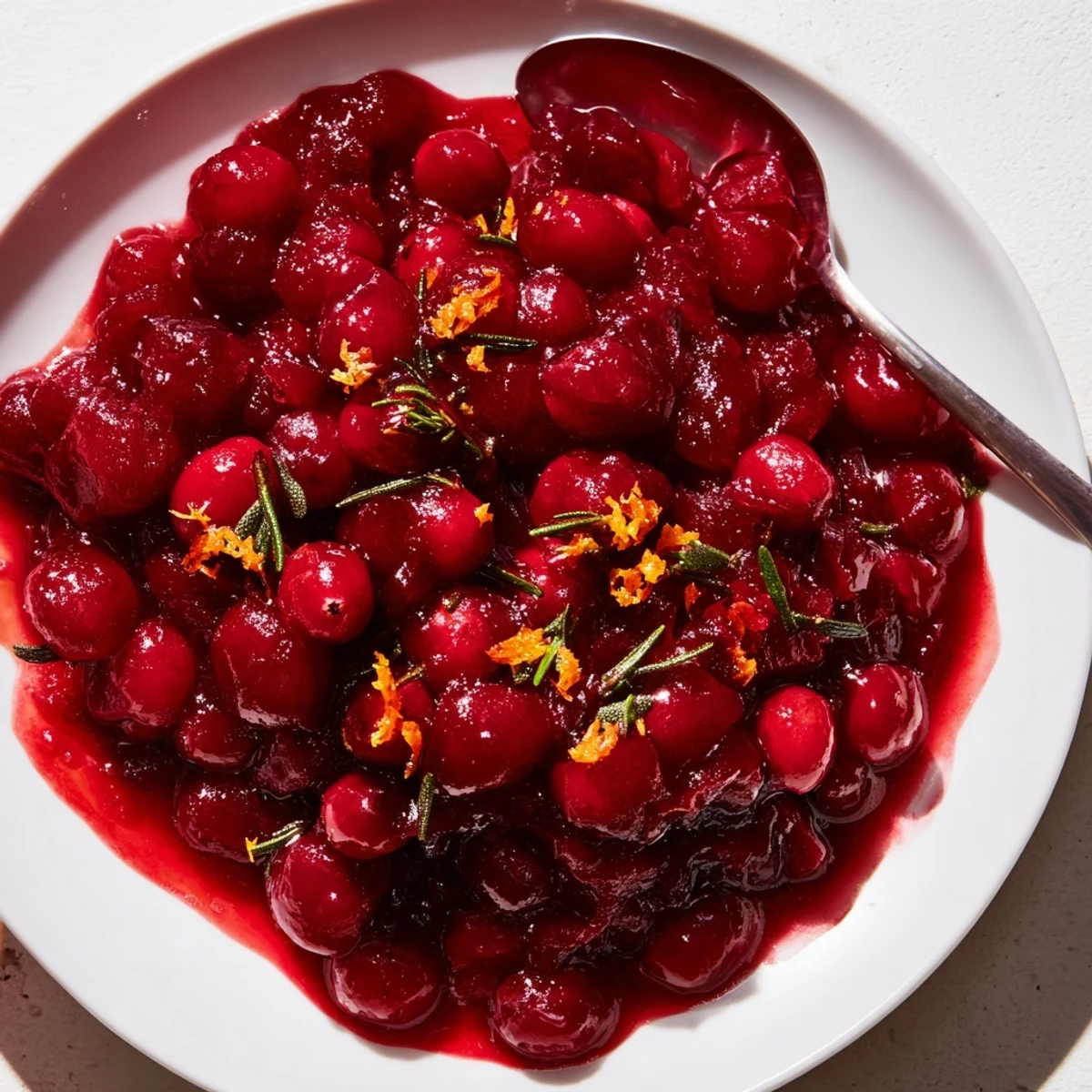
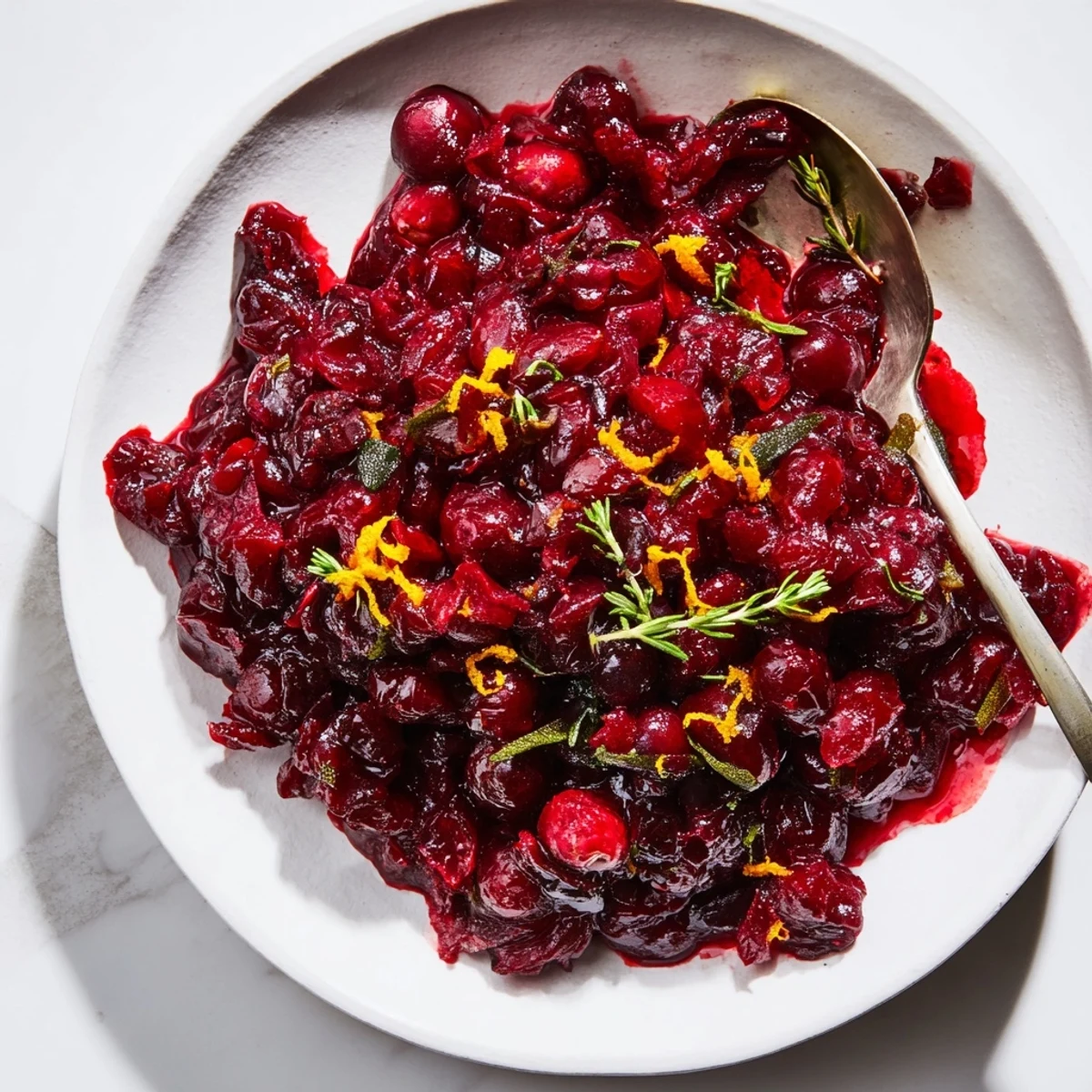
Save This vibrant cranberry blend is simmered with orange zest, maple syrup, and fresh herbs like rosemary, thyme, and sage. The slow cooking bursts the fruit, creating a tangy, naturally sweet sauce that thickens as it cools. Ideal for pairing with savory dishes, it brings a fresh, aromatic note to holiday meals or everyday sides. Easy to prepare and versatile, this sauce enhances meats, cheeses, or roasted vegetables with its herbal depth and bright citrus undertones.
I discovered this herbed cranberry sauce by accident on a November afternoon when I realized I'd bought way too much fresh rosemary at the farmers market. Instead of letting it wilt in the crisper drawer like usual, I threw it into a pot of simmering cranberries and suddenly had something that tasted nothing like the standard, one-note sauce I'd been making for years. The brightness of the herbs completely transformed the berries into something that felt elegant enough to serve alongside roasted meats but simple enough that even a busy weeknight wouldn't be an excuse to skip it.
The first time I served this at a potluck, someone's vegetarian friend actually came back for seconds, which never happens with ordinary cranberry sauce. She said the thyme reminded her of something she'd eat at a fancy restaurant, and suddenly I wasn't just bringing a side dish anymore—I was bringing something that made the meal feel intentional and thought-through.
Ingredients
- Fresh or frozen cranberries (12 oz): Either works beautifully—frozen actually burst more easily and release their juice faster, which is honestly why I now keep them in my freezer year-round.
- Medium orange, zested and juiced: The zest gives brightness and the juice adds natural tartness that balances the sugar, making the whole thing taste less cloying than it would otherwise.
- Granulated sugar (1/2 cup): Don't skip this even if you add maple syrup; you need the sugar to help the berries thicken properly.
- Maple syrup (2 tbsp, optional): This adds a subtle warmth and depth that regular sugar can't quite accomplish on its own.
- Water (1/2 cup): Just enough liquid to keep the berries from scorching while they soften and burst.
- Fresh rosemary, thyme, and sage (2 tbsp each herb, finely chopped): The secret is using all three—no single herb dominates, and together they create something unexpectedly sophisticated.
- Ground black pepper and salt (1/4 tsp and a pinch): These quiet ingredients heighten the herbal notes and keep the sauce from tasting one-dimensional.
Instructions
- Combine the base:
- Pour the cranberries, orange zest, orange juice, sugar, maple syrup, and water into your saucepan and give it a good stir so everything is evenly distributed. You'll notice the mixture looks quite liquid at this point—that's exactly what you want.
- Bring to a boil and simmer:
- Turn the heat to medium-high and watch as the cranberries start to pop and split, releasing that beautiful deep red color into the liquid. Once it reaches a rolling boil, lower the heat to a simmer and stir occasionally for 10 to 12 minutes—you'll know it's ready when the berries have mostly burst and the mixture has noticeably thickened.
- Add the herbs:
- Stir in all three herbs along with the black pepper and salt, then let it simmer for another 2 to 3 minutes so the flavors can weave together. You'll smell something incredible in your kitchen at this moment—herbaceous and tart and nothing like boring cranberry sauce.
- Cool and finish:
- Remove the pan from heat and let it sit at room temperature for a few minutes before transferring to your serving dish. As it cools, it'll thicken even more—this is completely normal and exactly what should happen.
 Save
Save There's a moment every year when someone hesitates before taking a spoonful, expecting the thin, too-sweet sauce from a can, and then their expression completely changes. That's when I know this recipe has won them over—not because it's fancy or complicated, but because it tastes like someone actually cared about what they were serving.
Making It Your Own
This sauce is wonderfully forgiving and actually wants you to experiment with it. I've tried versions with a splash of port wine that made everything feel more luxurious, and a pinch of cinnamon works if you're craving something warmer and more autumnal. Once you make it once with the basic formula, you'll instinctively know what direction to take it based on what you're serving it with.
Storage and Make-Ahead
This sauce keeps beautifully in the refrigerator for up to two weeks, and honestly, it tastes even better the next day once all the flavors have had time to settle and deepen. You can make it several days before your meal, which takes a huge pressure point out of holiday cooking.
Serving Suggestions
Beyond the obvious turkey partnership, I've served this with roasted duck, pork tenderloin, and even alongside a rich cheese board where it cuts through the richness like a dream. It also works as a sandwich spread if you're tired of mayonnaise, or stirred into plain yogurt as an unexpectedly good breakfast moment.
- Pair it with sharp cheeses on a charcuterie board for instant sophistication.
- Use it as a glaze ingredient for roasted vegetables or a finishing touch for roasted meats.
- Keep extra on hand for random kitchen moments when you need something bright and herbal to bring a dish to life.
 Save
Save This herbed cranberry sauce has become the thing people ask me to bring to gatherings, which still surprises me given how simple it actually is. It's proof that a little attention to flavor and a handful of fresh herbs can transform something ordinary into something memorable.
Recipe FAQs
- → Can frozen cranberries be used?
-
Yes, frozen cranberries work well and yield the same vibrant flavor once cooked.
- → How can I adjust sweetness?
-
Modify sugar or maple syrup amounts to balance tartness to your preference.
- → What herbs complement this blend?
-
Rosemary, thyme, and sage add aromatic depth and a fresh herbal character.
- → Can this sauce be made smoother?
-
Yes, briefly blending or mashing before adding herbs creates a smoother texture.
- → Is it best served warm or cold?
-
Both work well; chilling thickens it, while serving at room temperature highlights flavors.