
 Save
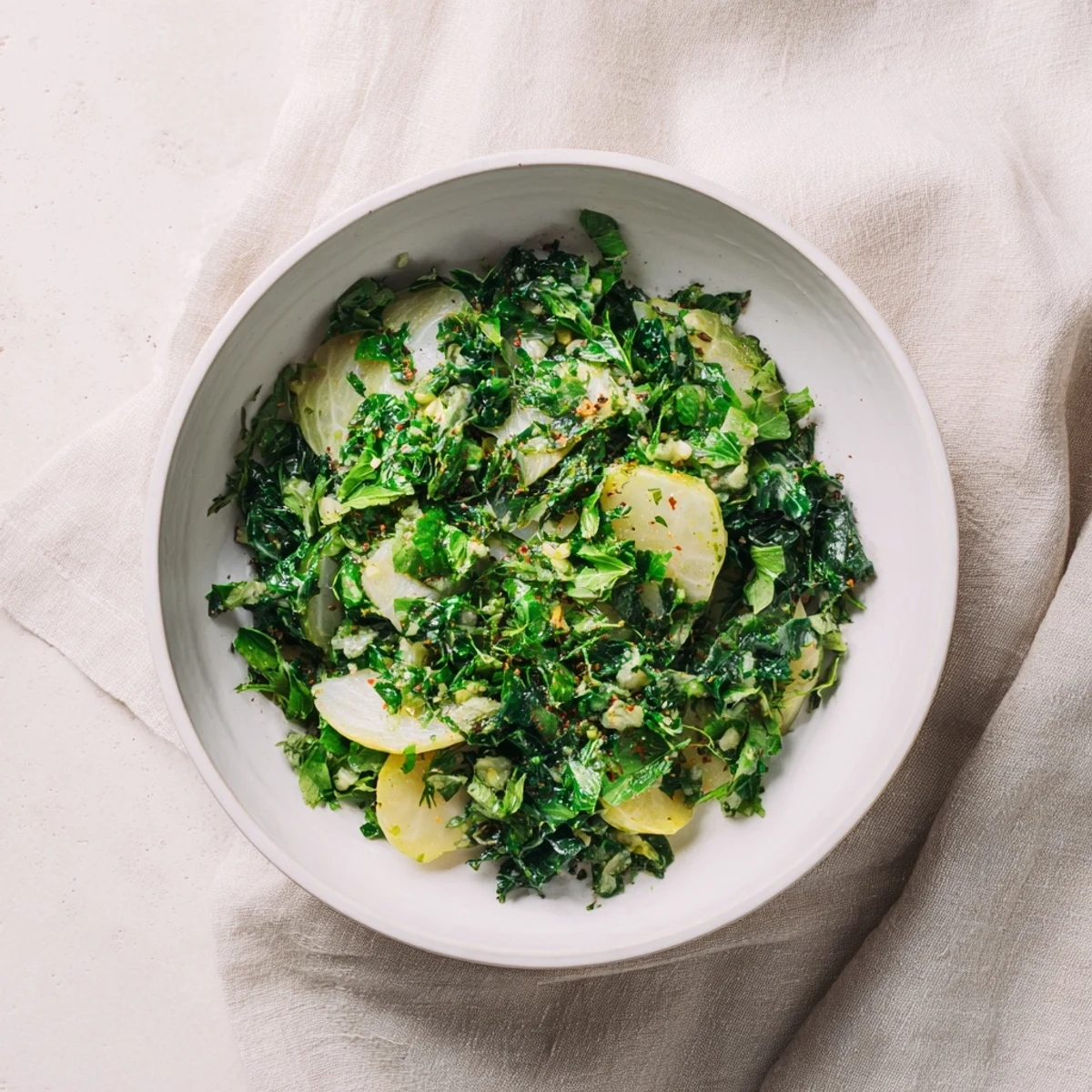
Save This vibrant medley features kale, Swiss chard, and spinach, gently sautéed with minced garlic and shallots in olive oil. Fresh parsley, thyme, and dill bring herbal brightness, while a touch of lemon zest and juice add refreshing acidity. The dish cooks quickly in just over 20 minutes, delivering tender, flavorful greens that work well as a side or a light vegetarian main. Optional red pepper flakes add a subtle heat, and a drizzle of nut oil can enhance richness. Perfect for a wholesome and colorful addition to any meal.
I first tossed kale and chard together on a Tuesday night when the fridge was nearly empty and the farmers market bag sat forgotten by the door. The greens wilted fast in the pan, filling the kitchen with an earthy, almost sweet smell that made me wonder why I'd waited so long. A handful of herbs from the windowsill and half a lemon later, I had something that tasted like effort but took almost none. It's been my go-to ever since when I need something green, fast, and satisfying.
I made this for a friend who swore she hated kale, mostly because I had too much of it and needed help finishing the bunch. She stood at the stove, skeptical, watching the leaves shrink and glisten with olive oil and garlic. By the time I squeezed the lemon over the top, she was already reaching for a fork. She never admitted I'd changed her mind, but she asked for the recipe twice before leaving.
Ingredients
- Kale: Remove the thick stems or they'll stay chewy, the leaves cook down to almost nothing so don't be shy with the volume.
- Swiss chard: The stems are edible but take longer to soften, so I pull them out and save them for stock or a quick pickle.
- Spinach: This wilts in seconds, so add it last or it'll turn to mush before everything else is ready.
- Olive oil: Use enough to coat the pan generously, the greens drink it up and need it to soften without burning.
- Garlic cloves: Mince them fine and don't let them brown, burnt garlic tastes bitter and ruins the whole pan.
- Shallot: Sweeter and softer than onion, it melts into the background and adds depth without shouting.
- Fresh parsley: Bright and grassy, it lifts the heavier greens and makes everything taste fresher.
- Fresh thyme leaves: Strip them from the woody stems, a little goes a long way and they smell like a winter garden.
- Fresh dill: Optional but worth it, the slight anise note plays well with lemon and cuts through the earthiness.
- Sea salt: Taste as you go, greens need more salt than you think to bring out their natural sweetness.
- Black pepper: Freshly ground makes a difference, the sharpness balances the richness of the oil.
- Crushed red pepper flakes: A pinch adds warmth without heat, leave it out if you're serving kids.
- Lemon zest and juice: The zest is where the oils live, the juice is the brightness, use both for full impact.
Instructions
- Warm the oil:
- Heat the olive oil in a large skillet over medium heat until it shimmers but doesn't smoke. This is your base, don't rush it or the aromatics will stick.
- Soften the shallot:
- Add the shallot and let it cook gently for about two minutes, stirring occasionally until it turns translucent and smells sweet. If it starts to brown, lower the heat.
- Wake up the garlic:
- Stir in the garlic and cook for just thirty seconds, watching closely. The moment it smells fragrant, move to the next step or it'll burn.
- Wilt the hardy greens:
- Toss in the kale and Swiss chard, stirring to coat them in oil. Let them cook for four to five minutes, they'll shrink dramatically and start to soften at the edges.
- Add the tender greens and herbs:
- Fold in the spinach, parsley, thyme, and dill, stirring constantly. The spinach will wilt in two to three minutes, everything should look glossy and collapsed.
- Season generously:
- Sprinkle in the salt, black pepper, and red pepper flakes if you're using them. Toss well to distribute.
- Finish with lemon:
- Pull the pan off the heat and stir in the lemon zest and juice. Taste and adjust the seasoning, adding more salt or lemon if it needs a lift.
- Serve warm:
- Transfer to a serving dish or plate directly from the pan. This is best eaten right away while it's still steaming.
 Save
Save One winter evening I served this alongside roasted chicken for a small dinner, and someone said it tasted like something their grandmother would have made if she'd had fresh herbs. I didn't know if that was a compliment or nostalgia talking, but I liked the idea that something this simple could feel like memory. It's the kind of dish that doesn't demand attention but somehow gets it anyway, just by being exactly what it is.
Choosing Your Greens
You can swap in collard greens, mustard greens, or even turnip greens depending on what's available or what you like. The key is to match cooking times, heartier greens go in first and tender ones last. I've made this with all kale when that's all I had, and it still worked beautifully with a little extra lemon to balance the bitterness.
Serving Suggestions
This pairs well with almost anything, roasted fish, grilled chicken, a fried egg on top, or a scoop of quinoa underneath. I've eaten it cold from the fridge the next morning, folded into scrambled eggs, and it was better than I expected. It's also lovely tucked into a grain bowl with tahini drizzled over, or served alongside soup when you need something green and light.
Make It Your Own
If you want richness, finish with a drizzle of walnut or hazelnut oil, or stir in a spoonful of butter right before serving. A handful of toasted pine nuts or slivered almonds adds crunch and makes it feel more special. For a little sweetness, toss in a handful of golden raisins or dried cranberries with the hardy greens, they'll plump up as everything cooks and add pops of flavor.
- Try adding a splash of white wine or vegetable broth if the pan looks dry.
- For extra depth, stir in a teaspoon of Dijon mustard with the lemon juice.
- If you're out of fresh herbs, a teaspoon of dried Italian seasoning works in a pinch.
 Save
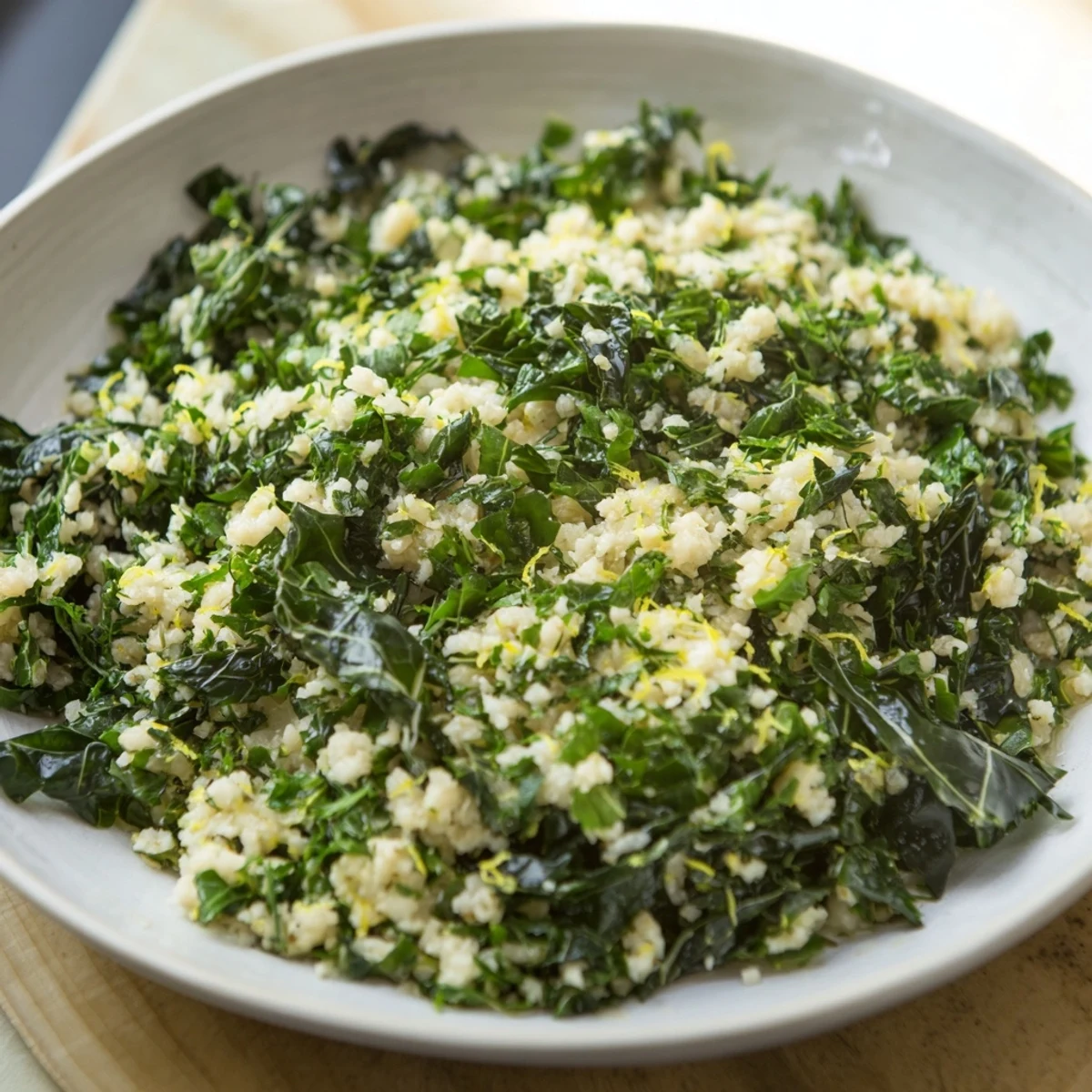
Save This dish reminds me that cooking doesn't have to be complicated to feel like care. It's just greens, heat, and a little brightness, but somehow it always tastes like someone was paying attention.
Recipe FAQs
- → What greens work best for this dish?
-
Kale, Swiss chard, and spinach offer a balanced mix of texture and flavor, but hardy alternatives like collards or mustard greens can also be used.
- → How can I boost the flavor in this sauté?
-
Incorporating fresh herbs like parsley, thyme, and dill brightens the dish, while garlic and shallots build aromatic depth.
- → Is it possible to add heat?
-
Yes, a pinch of crushed red pepper flakes can be stirred in for a gentle spicy kick without overpowering the greens.
- → What oil is recommended for cooking?
-
Olive oil is used for sautéing, but finishing with a drizzle of walnut or hazelnut oil enhances richness and adds nutty notes.
- → How do lemon zest and juice affect the dish?
-
The lemon adds fresh acidity that brightens the earthy greens and herbs, balancing the flavors beautifully.
- → Can this be served as a main dish?
-
Absolutely, it can be a light, nourishing main, especially combined with grains or protein sides.