 Save
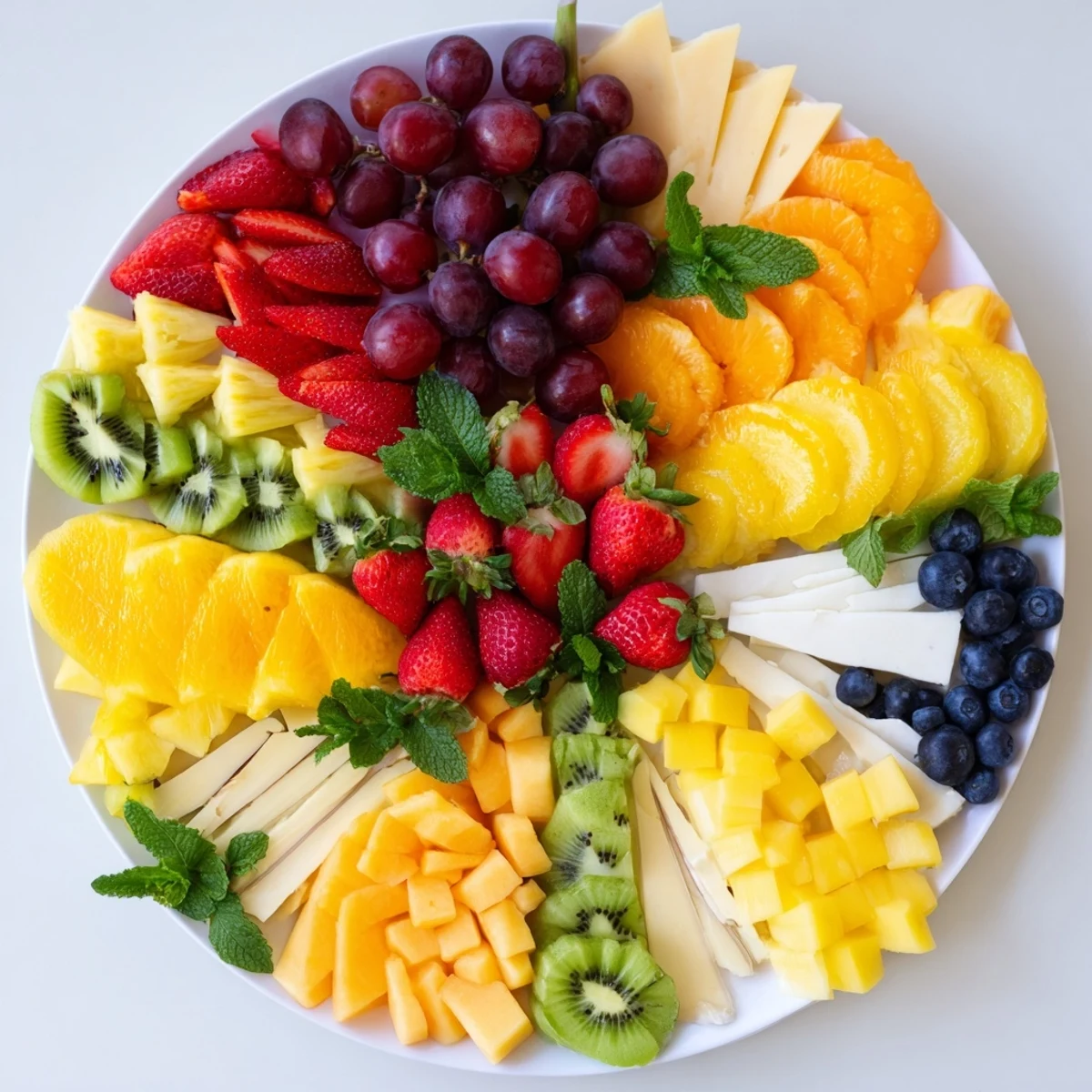
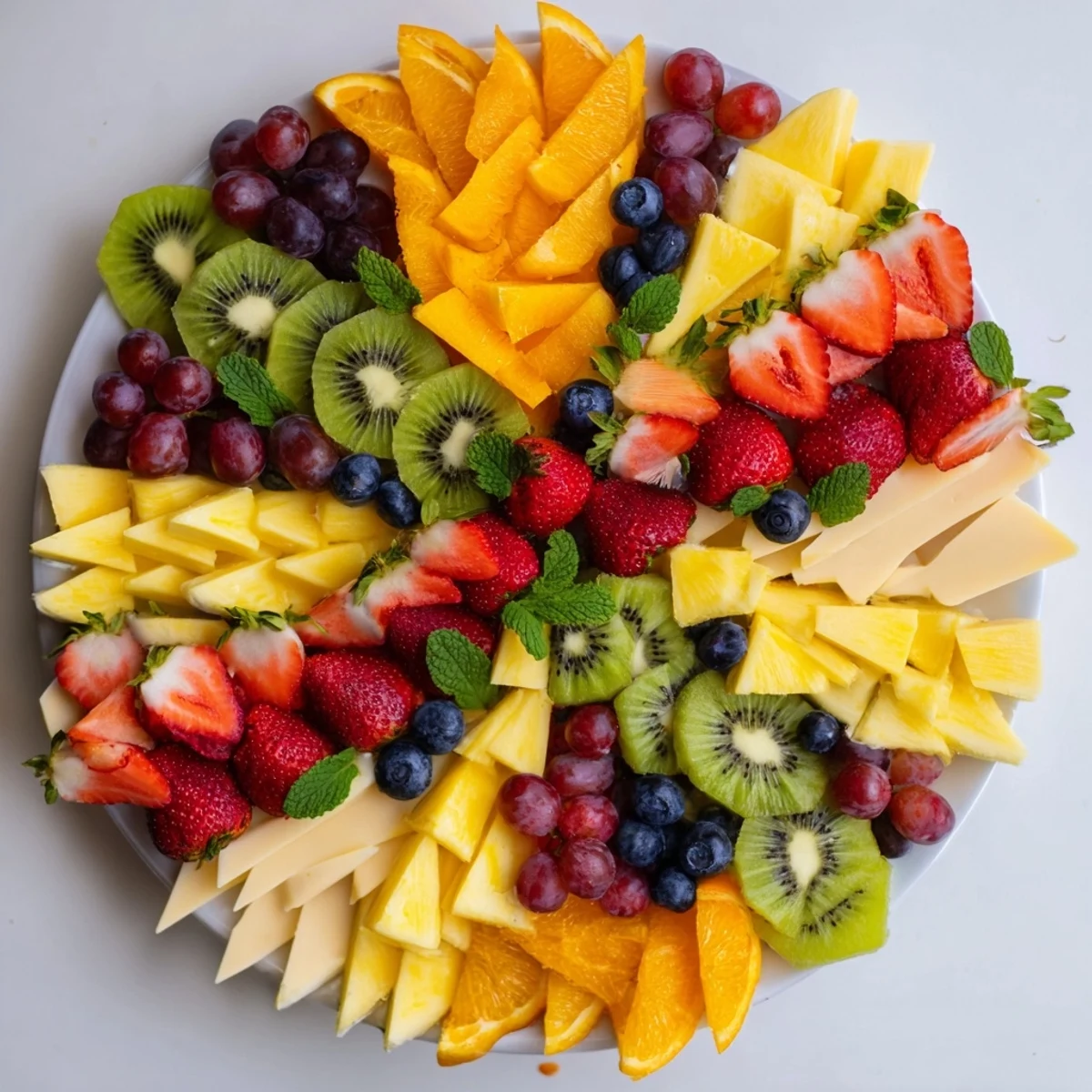
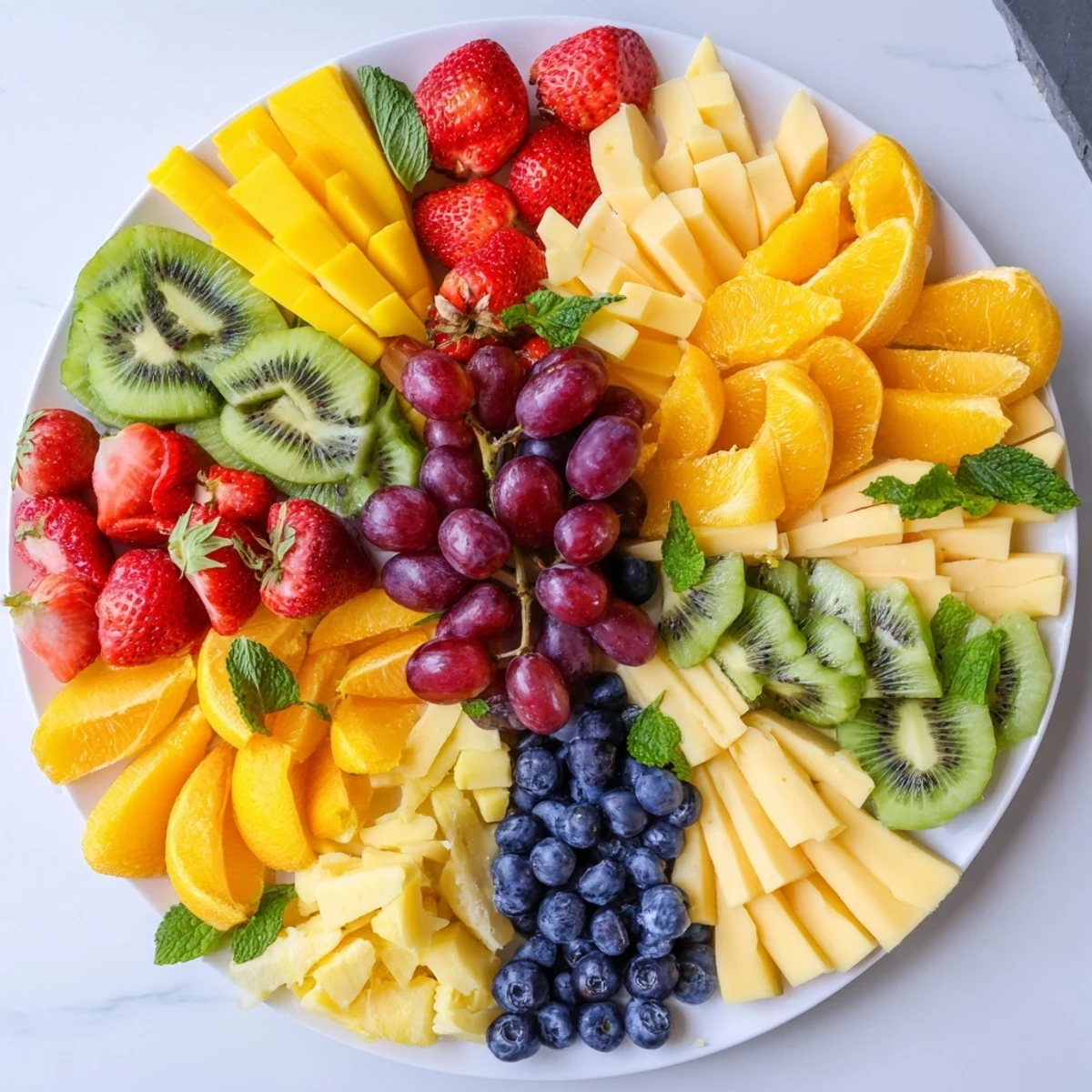
Save This visually captivating platter features a harmonious combination of fresh fruit wedges and assorted cheeses arranged in symmetrical, colorful segments. The arrangement creates a mesmerizing kaleidoscope effect that's perfect for elevating any gathering. Preparation involves washing, peeling, and cutting fruits into uniform pieces, alongside slicing cheeses into matching shapes. Arranged on a large round board with attention to color and shape, the platter offers a stunning balance of flavors and textures, ideal for sharing and impressing guests.
I discovered the magic of building a platter this way at my cousin's wedding when the caterer arranged everything in perfect concentric circles and I couldn't stop staring at it—the geometry of it all, the way your eye travels from the center outward, felt like watching a kaleidoscope come to life on a plate. That afternoon, everyone kept saying they didn't want to disturb it, which meant it was already a masterpiece before anyone took a bite.
When I made this for my book club last spring, someone photographed it before we could even sit down, and it ended up on three different Instagram stories before dessert arrived. That's when I realized a beautiful platter isn't just food—it becomes the opening act, the reason everyone leans in closer, the moment people pause and actually look at what they're about to eat.
Ingredients
- Seedless red grapes: These stay firm longer than other fruits and their deep color anchors each wedge perfectly.
- Fresh strawberries: Halve them just before arranging so they don't weep; their brightness pops against the deeper reds.
- Kiwi wedges: The acid keeps the platter tasting fresh and their vibrant green is non-negotiable for the kaleidoscope effect.
- Pineapple: Cut these into small wedges so they sit flush with the other pieces and catch the light beautifully.
- Blueberries: These are your secret weapon for filling gaps and making the pattern feel intentional rather than accidental.
- Orange segments: Peel them carefully and pull apart at the natural seams so they lay flat without breaking.
- Aged cheddar: Its golden color and slight sharpness balance the sweetness perfectly.
- Manchego: This cheese adds a subtle nutty note and its pale color creates stunning contrast.
- Brie: Its soft texture and mild flavor let the fruit shine while adding richness.
- Goat cheese: A small tart surprise that wakes up your palate between bites.
- Fresh mint leaves: Add these just before serving so they stay vibrant and fragrant.
Instructions
- Prepare everything first:
- Wash and dry your fruits thoroughly, then peel and cut them into uniform wedges or segments. The uniformity is what makes this work—uneven pieces will throw off your whole pattern.
- Shape your cheeses:
- Cut cheddar and Manchego into thin wedges that match your fruit pieces as closely as possible, and slice brie and goat cheese into rounds that feel intentional, not haphazard.
- Start at the center:
- Place your platter on a flat surface and begin building from the center or the outside edge—pick whichever feels natural to you and commit to it. Lay down your first wedge, then alternate with a cheese wedge, then a fruit wedge, building your pattern like you're creating a color wheel.
- Build your circles:
- Keep repeating the same sequence as you move outward, making sure each wedge sits snug against its neighbors. The repetition is what creates that hypnotic kaleidoscope feeling.
- Fill the gaps:
- Those tiny spaces between wedges? That's where your blueberries and leftover grapes go, filling in the pattern and making everything feel cohesive.
- Finish with mint:
- Scatter fresh mint leaves across the platter just before serving, letting them land where they will. It adds green punctuation marks and releases its aroma when people lean in.
- Chill or serve:
- If you built this more than 30 minutes ahead, cover it loosely with plastic wrap and refrigerate so the fruit stays crisp and the cheese stays firm.
 Save
Save The real moment of magic happens when someone walks in, stops mid-conversation, and just looks at it. That quiet pause before the eating starts is what this platter is really about—it's giving your guests permission to be impressed before they're even hungry.
The Art of Color Theory on a Plate
The kaleidoscope works because you're using color as structure, not decoration. The repetition of the same sequence—red grape, golden cheddar, strawberry, white Manchego, kiwi, soft brie—creates a rhythm your eye can follow. When you break that rhythm, even accidentally, it reads as intentional rather than sloppy, which is the secret to making this look effortless but elevated.
Cheese and Fruit Pairing Wisdom
You're not just throwing random ingredients together here—each cheese is chosen to walk a tightrope between holding its own shape and complementing its fruit neighbors. Aged cheddar's sharpness answers the sweetness of strawberries, Manchego's delicate flavor lets the kiwi's brightness shine, and soft brie creates a creamy surprise against tart berries. This balance is what transforms a platter from pretty into memorable.
Timing and Temperature
The window between when you want this looking perfect and when it starts to lose its edge is about two hours on the counter or up to four hours in the refrigerator. Cheese performs best at room temperature, so pull it out 20 minutes before serving if it's been chilled. The fruit will weep slightly over time, which actually deepens the colors and creates little pools of flavor that make people want to eat it even more.
- Build it as close to serving time as your schedule allows without stressing yourself out.
- If you're making this ahead, keep the mint completely separate and scatter it on at the last possible moment.
- Use a platter with a slight rim so nothing slides around if someone bumps the table.
 Save
Save This platter proves that elegance doesn't require cooking, just intention and a little patience. Serve it with sparkling wine and watch what happens.
Recipe FAQs
- → What fruits work best for a colorful cheese platter?
-
Use a variety of fresh fruits like grapes, strawberries, kiwi, pineapple, blueberries, and orange segments to create vibrant color contrasts that complement cheese textures.
- → How should cheeses be prepared for an elegant display?
-
Slice cheeses into uniform wedges or rounds, matching the size and shape of fruit segments to maintain visual harmony and ease of serving.
- → What is the best way to arrange fruits and cheeses on the platter?
-
Alternate fruit and cheese pieces in repeating, concentric circles to create a symmetrical kaleidoscope effect that is visually appealing.
- → Can the platter be prepared in advance?
-
Yes, but to preserve freshness and texture, assemble the platter shortly before serving or cover and refrigerate briefly until ready.
- → Are there optional garnishes to enhance the platter’s presentation?
-
Fresh mint leaves add color and aroma, while seasonal additions like olives or roasted nuts can introduce savory notes and texture variations.