
 Save
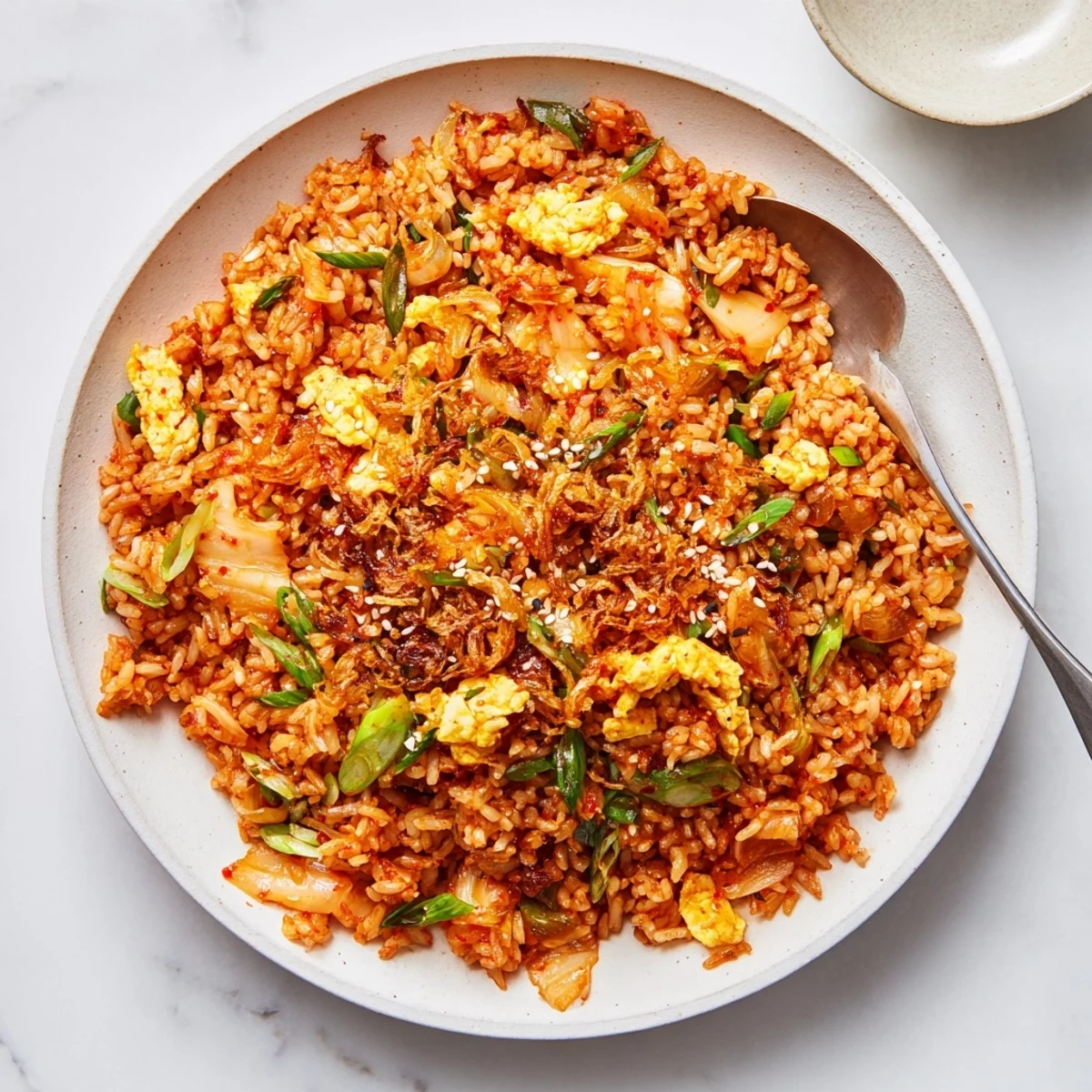
Save This quick Korean-inspired fried rice transforms day-old rice into a vibrant, spicy meal. The combination of tangy fermented kimchi, aromatic garlic, and fresh scallions creates layers of flavor, while crispy fried shallots add satisfying crunch. Ready in just 30 minutes, this vegetarian dish works perfectly for weeknight dinners or uses up leftover rice beautifully. The balance of heat from gochujang, umami from soy sauce, and richness from sesame oil creates an addictive harmony that makes this dish instantly memorable.
The first time I made kimchi fried rice, it was 11pm after a long shift at work. I was starving, tired, and staring at a container of day-old rice that seemed impossibly unappetizing. Five minutes later, my kitchen smelled like garlic and caramelized fermentation, and I was eating straight from the wok, standing up, completely converted to the religion of kimchi.
My Korean friend watched me make this once and pointed out I was being too gentle with the rice. You have to let it get crispy, she said, reaching for the spatula and showing me how to press the rice against the hot pan. That lesson changed everything about how I approach fried rice now.
Ingredients
- 4 cups cooked jasmine or short-grain rice: Day-old rice is essential here as it dries out enough to get those crispy edges without turning into mush
- 2 tablespoons vegetable oil: High smoke point oil prevents burning when youre stir-frying over high heat
- 1 tablespoon unsalted butter: Adds richness and helps everything brown beautifully
- 1 cup kimchi chopped plus 2 tablespoons kimchi juice: The juice is liquid gold so do not pour it down the drain
- 4 scallions sliced: White and green parts separated because they need different cooking times
- 4 garlic cloves minced: Fresh garlic makes a huge difference compared to jarred
- 2 large eggs: Optional but they add protein and make it feel more like a complete meal
- 2 tablespoons soy sauce: Adds that savory umami depth
- 1 tablespoon gochujang: Korean chili paste brings this gentle heat that builds rather than overwhelms
- 1 teaspoon toasted sesame oil: A little goes a long way so add this at the end
- ½ cup crispy fried shallots: These are the crown jewel so do not skip them
- 1 teaspoon toasted sesame seeds: Optional but they add this lovely nutty finish
Instructions
- Heat the pan and fats:
- Warm your oil and butter in a large nonstick skillet or wok over medium-high heat until the butter foams and smells nutty
- Build the aromatics:
- Add the white scallion parts and minced garlic and sauté for 1 to 2 minutes until fragrant and just starting to soften
- Caramelize the kimchi:
- Toss in the chopped kimchi and cook for 2 to 3 minutes stirring often until it is heated through and slightly caramelized
- Add the eggs if using:
- Push the kimchi mixture aside crack the eggs into the empty space and scramble until just set then mix everything together
- Fry the rice:
- Add the rice breaking up any clumps with your spatula and stir-fry for 2 to 3 minutes letting some grains get slightly crispy against the pan
- Season everything:
- Pour in the soy sauce kimchi juice gochujang if using and black pepper then mix thoroughly to distribute the flavor evenly
- Finish with sesame:
- Drizzle with the toasted sesame oil give it one final toss then remove from heat and stir in the green scallion parts
- Top and serve:
- Serve hot topped generously with crispy fried shallots and sesame seeds
 Save
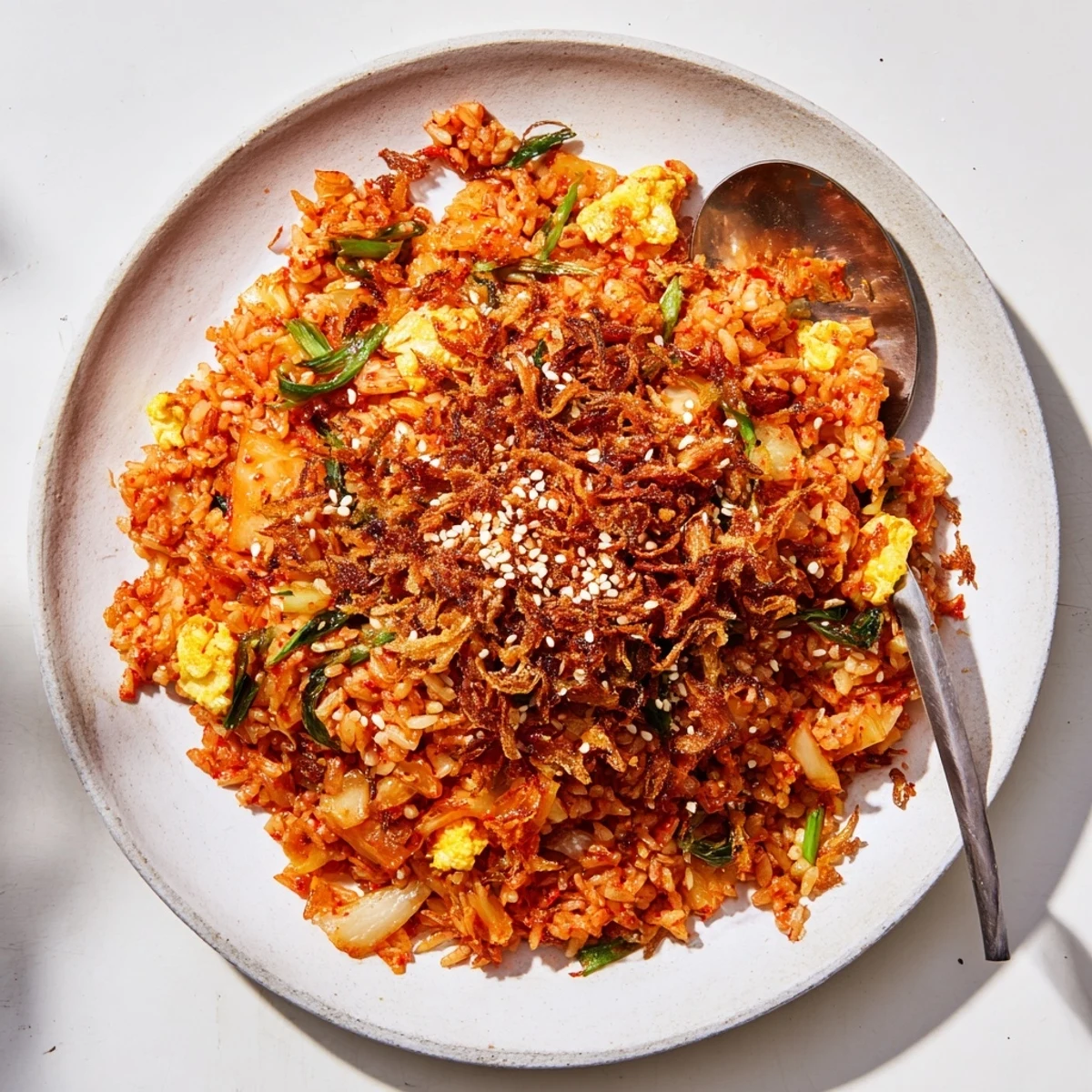
Save This became my go-to Friday night dinner when I want something comforting but not heavy. The way the crispy shallots crunch against the soft rice is just satisfying in this primal way.
Getting the Right Rice Texture
I have tried making fried rice with freshly cooked rice and it turns into a sticky disappointing mess. The grains need time to dry out in the refrigerator so they can separate and crisp up properly in the hot pan. If you are in a real hurry spread hot cooked rice on a baking sheet and freeze it for 20 minutes.
Kimchi Wisdom
Older kimchi that has been sitting in your fridge for a while actually works better here because it is more fermented and developed. The sourness adds complexity that balances the rich butter and savory soy sauce. That reserved kimchi juice is what pulls everything together.
Making It Your Own
Once you have the basic technique down this recipe becomes a template for whatever you have in the fridge. Diced tofu mushrooms or even shredded chicken breast all work beautifully here. The key is keeping the ratio of rice to mix-ins balanced so every bite gets a bit of everything.
- Add a fried egg on top with runny yolk for extra richness
- Serve with cucumber slices to cool your palate between bites
- Keep extra crispy shallots on the table because people will want more
 Save
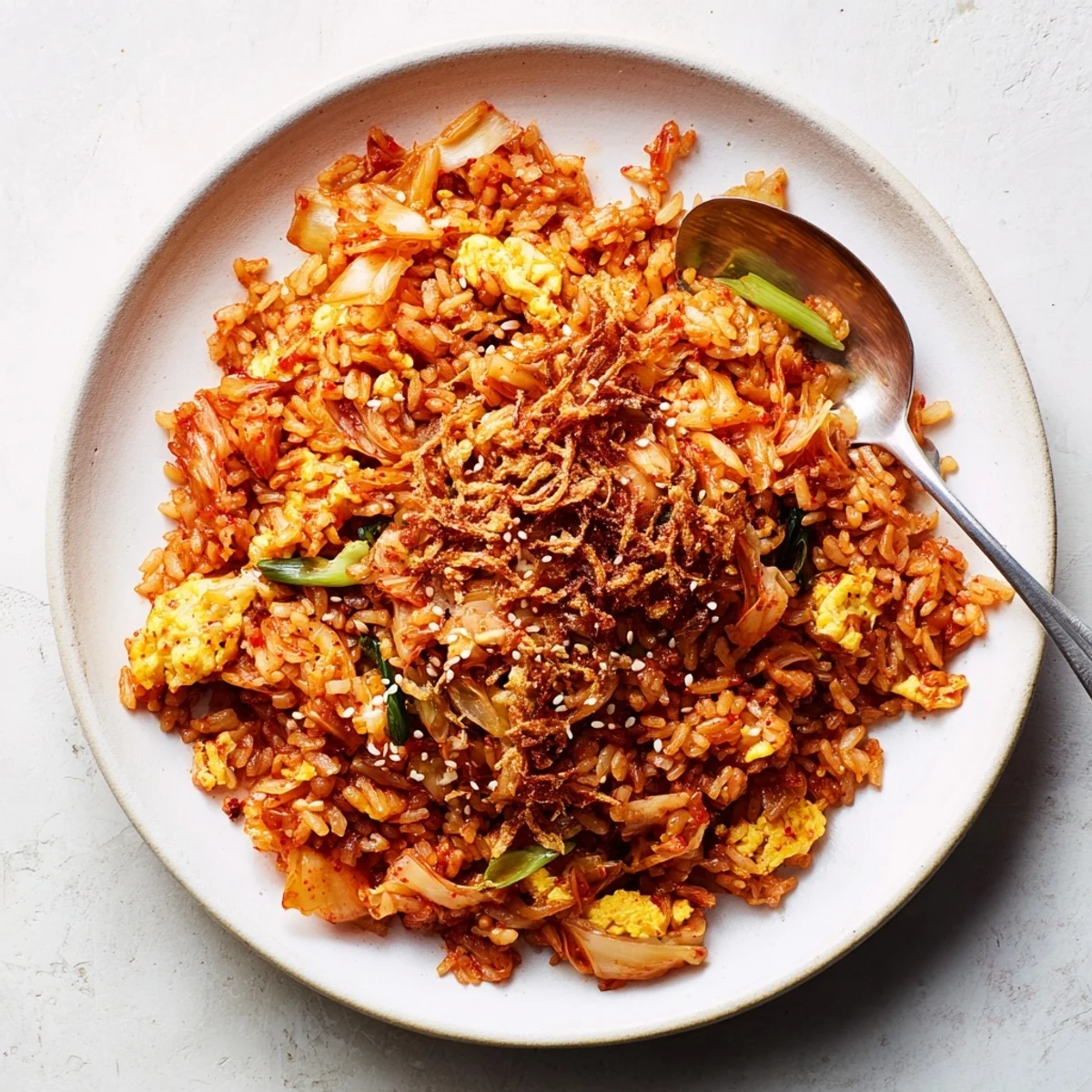
Save There is something deeply satisfying about turning leftovers into something that feels special and intentional. This recipe reminds me that the best meals often come from working with what you have.
Recipe FAQs
- → Can I use freshly cooked rice instead of day-old?
-
Freshly cooked rice tends to be moist and sticky, which can result in gummy fried rice. Day-old rice has dried out slightly, creating better texture and separation. If using fresh rice, spread it on a baking sheet and refrigerate uncovered for 1-2 hours to dry before cooking.
- → Is this dish very spicy?
-
The heat level depends on your kimchi and gochujang. Kimchi typically provides mild to medium spice, while gochujang adds depth and additional heat. Start with less gochujang if sensitive to spice, or omit it entirely for a milder version that still delivers plenty of flavor from the kimchi.
- → Can I make this vegan?
-
Absolutely. Simply omit the eggs and use vegan butter or additional vegetable oil instead of regular butter. Check your kimchi label carefully, as some traditional varieties contain fish sauce or shrimp paste. Many brands offer explicitly vegan kimchi options.
- → What protein additions work well?
-
Beyond the optional eggs, diced firm tofu, shiitake mushrooms, edamame, or cooked shredded chicken make excellent protein additions. Add tofu or mushrooms during step 3 to brown them slightly. Pre-cooked proteins like chicken or shrimp can be added during the last 2 minutes of cooking just to heat through.
- → How do I store and reheat leftovers?
-
Store cooled fried rice in an airtight container in the refrigerator for up to 4 days. Reheat in a skillet over medium heat with a splash of oil, stirring until hot and slightly crisped. The microwave works but won't restore the crispy texture. Avoid freezing as rice texture suffers significantly.
- → Can I substitute the gochujang?
-
Sriracha or chili garlic paste can replace gochujang, though the flavor profile will shift slightly. Gochujang has a unique fermented, slightly sweet taste. For closest results, mix Sriracha with a small amount of miso paste and a pinch of sugar to mimic that depth.