
 Save
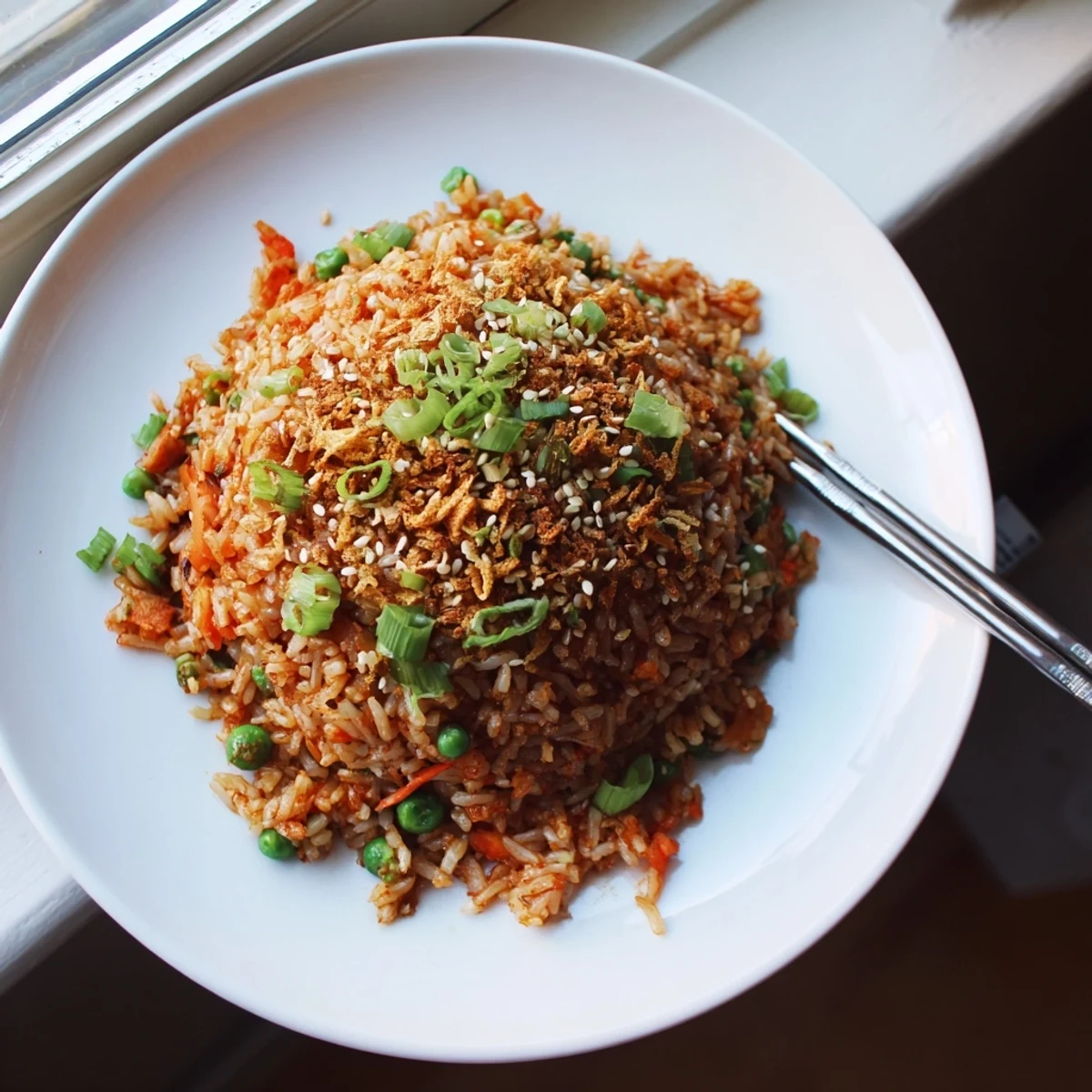
Save This Korean-inspired fried rice transforms day-old rice into a vibrant, umami-packed masterpiece. The tangy fermentation of kimchi pairs perfectly with aromatic scallions and bold garlic, while the crowning glory of golden fried shallots adds irresistible crunch. Ready in just 30 minutes, this dish works beautifully as a satisfying main course or flavorful side. The combination of soy sauce, sesame oil, and gochujang creates layers of savory depth that coat every grain of rice perfectly.
The sizzle of rice hitting a scorching wok on a rainy Tuesday night is, honestly, one of my favorite sounds in the kitchen. I had a half empty jar of kimchi glaring at me from the fridge door and some day old jasmine rice that had seen better days. What started as a desperate fridge clear out turned into the dish my roommate now texts me about at least once a week.
I made a massive batch of this for a friend who had just moved into a new apartment with nothing but a wok and a single spatula to her name. She stood over the stove eating straight from the pan, chopsticks in one hand and her phone in the other texting her mom the recipe.
Ingredients
- Cooked jasmine or short grain rice (4 cups, preferably day old): Fresh rice will turn gummy and stick together, so refrigerated rice is your best friend here for achieving that ideal separated grain texture.
- Kimchi (1 cup chopped, plus 2 tbsp kimchi juice): The older and more fermented your kimchi, the deeper and more complex the flavor becomes in the fried rice.
- Scallions (4, thinly sliced, white and green parts separated): The whites get sauteed early for a sweet aromatic base, while the greens go in at the end for a fresh bite.
- Garlic (3 cloves, minced): Fresh garlic makes a noticeable difference here since there are so few ingredients competing for attention.
- Carrot (1 medium, diced): Small uniform dice ensures every bite gets a bit of sweetness and color.
- Frozen peas (1/2 cup, optional): They add little bursts of sweetness and a nice pop of green throughout.
- Soy sauce (2 tbsp): Low sodium soy sauce lets you control the salt level without sacrificing that savory depth.
- Toastedsesame oil (1 tbsp): Added at the end as a finishing touch, this oil is more about fragrance than cooking heat.
- Gochujang (1 tsp, optional): A spoonful adds a gentle fermented heat that builds slowly in the background.
- Sugar (1/2 tsp): Just enough to round out the acidity from the kimchi without making anything taste sweet.
- Shallots (1/2 cup, thinly sliced) and neutral oil (1/3 cup): Fried slowly until deeply golden, these become the crunchy crown jewel of the whole dish.
- Toasted sesame seeds and extra scallion greens: For finishing, because the best fried rice deserves a little garnish celebration.
Instructions
- Fry the shallots until golden:
- Heat the neutral oil in a small saucepan over medium heat and add the sliced shallots, stirring frequently until they turn a deep amber color. Remove them with a slotted spoon to paper towels immediately, because they will keep darkening after they leave the oil.
- Build the aromatic base:
- In a large wok or skillet, heat one tablespoon of the reserved shallot oil over medium high heat until it shimmers. Toss in the scallion whites, minced garlic, and diced carrot, stirring until your kitchen smells incredible and the carrots soften slightly.
- Let the kimchi caramelize:
- Add the chopped kimchi and let it sit undisturbed for a minute before stirring so the edges catch a little color and turn slightly sweet. This step transforms the kimchi from sharp and tangy into something rounded and deeply savory.
- Toss in the rice:
- Add the cold rice and use your spatula to break apart any stubborn clumps, pressing flat against the pan to get some crispy edges. Keep stirring until every grain is coated and heated through.
- Season with the sauce mixture:
- Mix the soy sauce, kimchi juice, sesame oil, gochujang, and sugar in a small bowl, then pour it all over the rice at once. Toss vigorously so the color distributes evenly and no clump of rice escapes the seasoning.
- Finish with peas and scallion greens:
- Stir in the peas and green scallion slices, cooking just until everything is hot and the scallions barely wilt. Kill the heat, taste for pepper, and adjust before plating.
- Top and serve immediately:
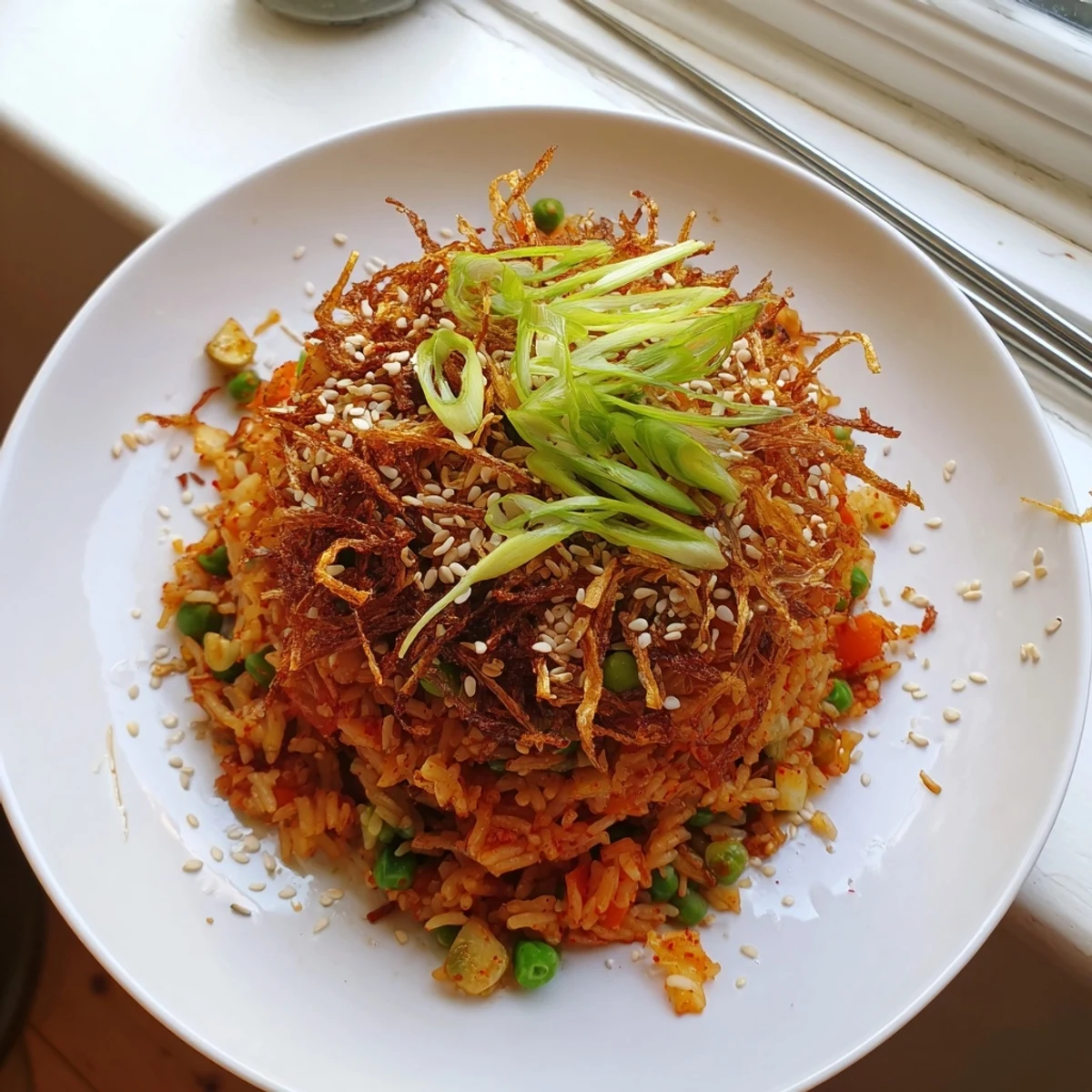
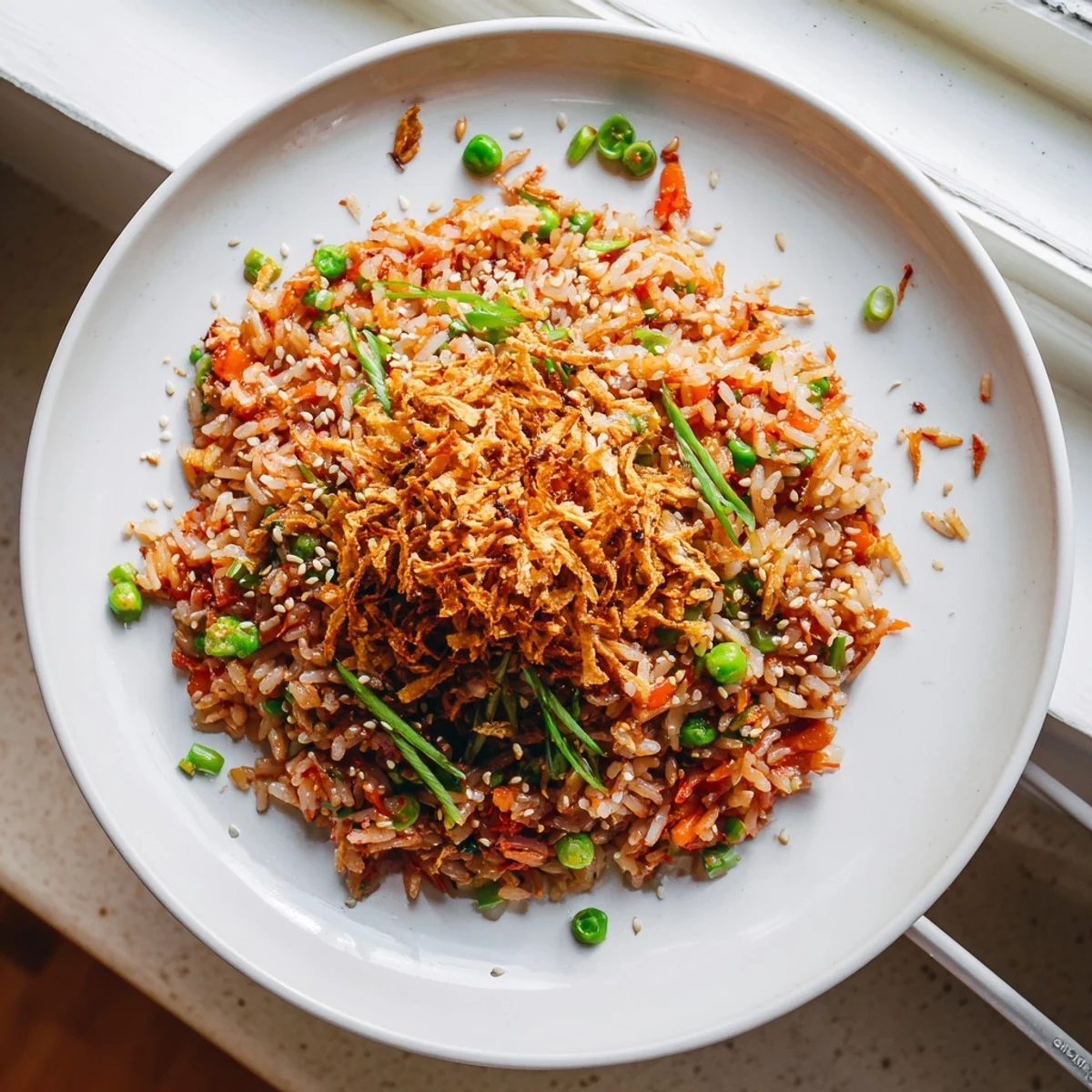
- Mound the rice into bowls and shower each one with crispy shallots, sesame seeds, and a few extra scallion greens. Tell everyone to eat fast, because the shallots lose their crunch after a few minutes.
 Save
Save One night I brought a container of this to a potluck expecting it to be a humble side dish, and three people asked me for the recipe before the main course was even served.
What to Serve Alongside
This fried rice is a meal on its own but it also plays beautifully next to a simple miso soup or some quick pickled cucumbers. A fried egg on top turns it from a solid dinner into something you would happily pay fourteen dollars for at a restaurant.
Making It Your Own
Swap in cauliflower rice if you want something lighter, or toss in diced tofu pressed firm and pan fried until golden for extra protein. Brown rice works too, though it gives a chewier, nuttier result that some people actually prefer.
Storage and Leftover Tips
Leftover fried rice keeps beautifully in the fridge for up to three days and reheats in a hot skillet even better than the microwave. Store the crispy shallots separately in an airtight container at room temperature so they stay crunchy.
- Sprinkle a few drops of water over the rice when reheating to bring back some moisture without making it soggy.
- Freeze individual portions in sealed containers for up to a month for a ready made lunch situation.
- Always make extra shallots because they vanish from the container faster than you expect.
 Save
Save Some dishes earn their place in your rotation through complexity and precision. This one earns it by being the thing you crave when the fridge looks empty and you still want something deeply satisfying on your plate in half an hour.
Recipe FAQs
- → Can I use fresh rice instead of day-old?
-
While day-old rice works best for preventing sogginess, you can use fresh rice. Spread cooked rice on a baking sheet and refrigerate for 1-2 hours to dry slightly before cooking.
- → How spicy is this dish?
-
The heat level depends on your kimchi and whether you add gochujang. Without gochujang, it's mildly spicy from the kimchi. Add Korean chili paste for medium heat that builds gradually.
- → Can I make the crispy shallots ahead?
-
Absolutely! Fry shallots up to 3 days ahead and store in an airtight container at room temperature. They'll stay perfectly crunchy and save you prep time.
- → What protein can I add?
-
This versatile base pairs well with fried eggs, tofu cubes, shredded chicken, or pork belly. Add proteins during step 4, cooking until heated through before seasoning.
- → Is this suitable for meal prep?
-
Yes! Store portions in airtight containers for up to 4 days. Reheat in a skillet with a splash of water to refresh. Keep crispy shallots separate and add just before serving.
- → Can I make this gluten-free?
-
Simply substitute regular soy sauce with tamari or gluten-free soy sauce. Verify your kimchi brand is gluten-free, as some contain barley or wheat-based seasonings.