 Save
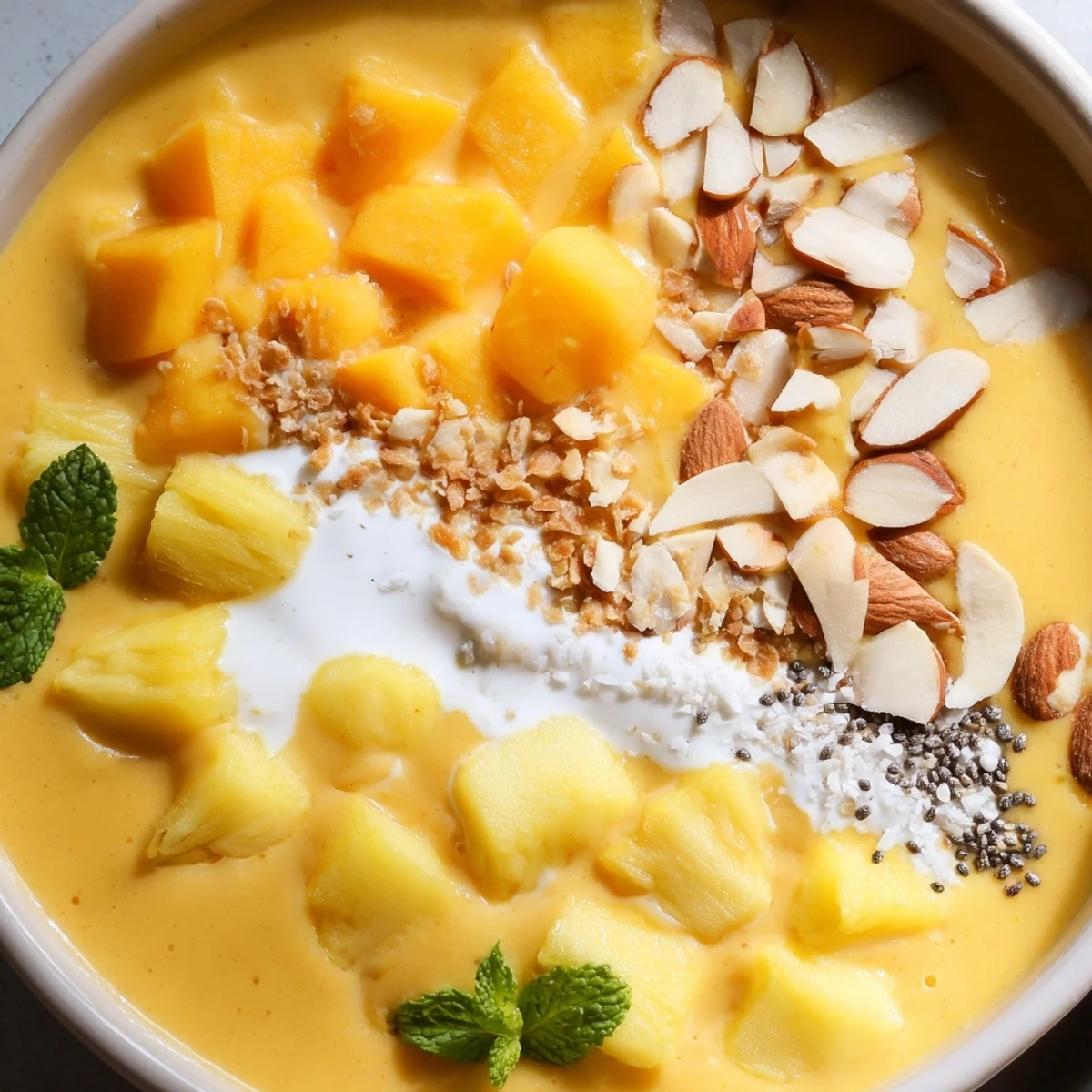
Save This tropical smoothie bowl brings together frozen mango, pineapple, and ripe banana blended with creamy coconut milk for a thick, luscious base that's both refreshing and satisfying.
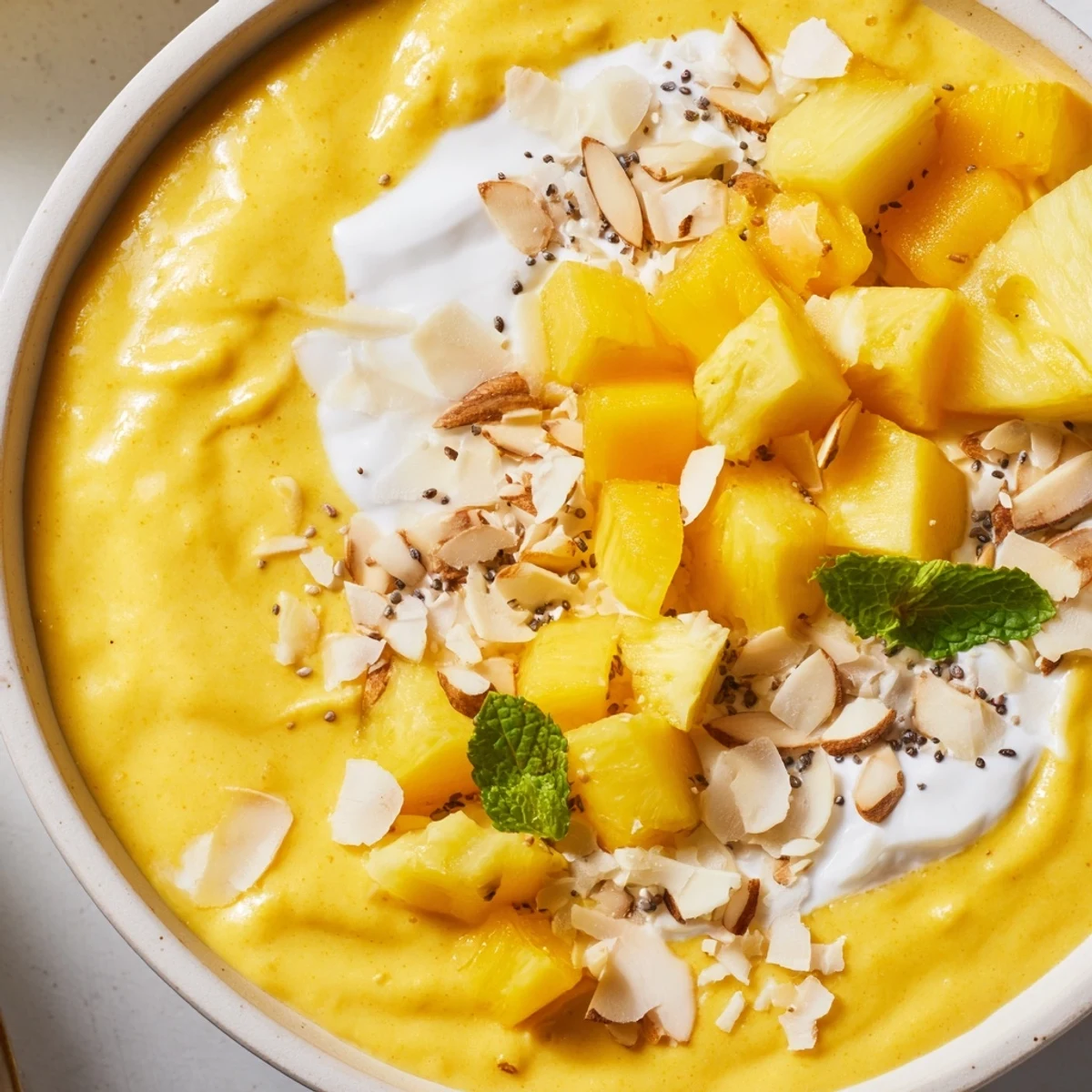
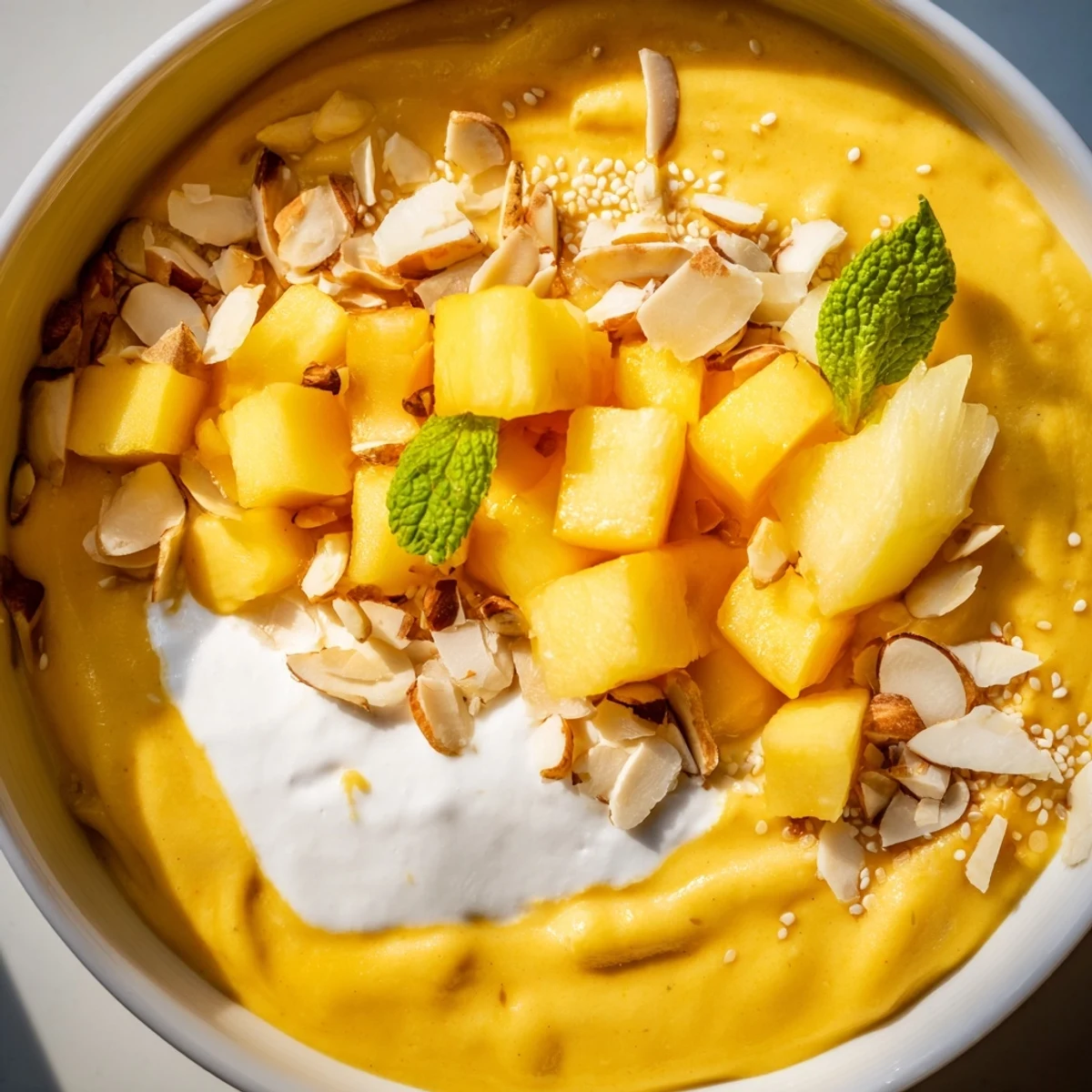
The real star is the toasted almond crunch layered on top, adding a warm, nutty contrast to the cool, fruity blend. Fresh mango and pineapple chunks, shredded coconut, and chia seeds complete the bowl with vibrant textures.
Ready in just 15 minutes, it's an easy breakfast or afternoon pick-me-up that's naturally vegetarian and gluten-free.
The blender screamed like a tiny jet engine at six in the morning, and my roommate came stumbling into the kitchen convinced something was on fire. What was on fire, technically, was my obsession with this mango pineapple coconut smoothie bowl, which I had been making every single day for two weeks straight. Something about the golden color pouring into a bowl, topped with that loud, crunchy almond layer, just made the whole morning feel like a small celebration. I blame a rainy Tuesday and a bag of frozen mango chunks for starting the whole thing.
I made this for my sister the morning after she flew in from Chicago, still groggy and skeptical of anything green or healthy looking. She sat on the kitchen counter in her socks, spooning through the layers, and by the third bite she was already asking if we could have it again tomorrow. That bowl turned a jet lagged, cranky arrival into a surprisingly good morning, and now she texts me photos of her own versions from her apartment hundreds of miles away.
Ingredients
- Frozen mango chunks (1 cup): The frozen mango is the backbone of sweetness and thickness, and using it frozen means you skip ice entirely, which would only water things down.
- Frozen pineapple chunks (1 cup): Pineapple adds a bright, tangy edge that keeps the mango from being too one note, and frozen chunks blend into a creamy texture without diluting the flavor.
- Ripe banana (1): One banana pulls everything together with natural sweetness and body, and the riper it is, the less honey you will need.
- Coconut milk, unsweetened (3/4 cup): Coconut milk is what makes this taste like the tropics rather than a generic fruit blend, and canned gives a richer result than carton but either works fine.
- Plain Greek yogurt (2 tablespoons): A couple spoonfuls of yogurt add a slight tang and a silkier texture, and you can swap in coconut yogurt to keep it fully plant based.
- Honey or maple syrup (1 tablespoon, optional): This is purely optional, and honestly a really ripe banana might make it unnecessary, but a drizzle of maple syrup adds a warm roundness if your fruit is less sweet.
- Sliced almonds (1/4 cup): Toasted almonds are the star of the topping, providing the crunch that transforms this from a smoothie in a bowl into an experience worth slowing down for.
- Diced fresh mango (1/2 cup): Fresh mango on top gives you juicy, soft bites that contrast beautifully with the frozen base underneath.
- Diced fresh pineapple (1/2 cup): Fresh pineapple chunks on top echo the blended pineapple and add a refreshing, slightly fibrous chew.
- Unsweetened shredded coconut (2 tablespoons): A sprinkle of shredded coconut reinforces the coconut flavor and looks gorgeous scattered across the golden surface.
- Chia seeds (1 tablespoon): Chia seeds add a gentle pop of texture and a nutritional boost without changing the flavor at all.
- Fresh mint leaves (optional): Mint is not strictly necessary but tearing a few leaves over the top right before serving adds a fresh aroma that makes the whole bowl smell like a tropical garden.
Instructions
- Toast the almonds:
- Heat a dry skillet over medium heat and scatter the sliced almonds in a single layer. Stir them almost constantly because they go from golden to burnt in the time it takes to check your phone, and you will smell the exact moment they are ready, which is about three to four minutes in.
- Build the smoothie base:
- Toss the frozen mango, frozen pineapple, banana, coconut milk, yogurt, and honey if you are using it straight into a high speed blender. Blend until everything is impossibly smooth and thick, scraping down the sides once or twice, and add another splash of coconut milk only if the blender is struggling.
- Assemble your bowls:
- Divide the thick, golden blend between two bowls and use the back of a spoon to smooth the surface. Arrange the fresh mango, pineapple, toasted almonds, shredded coconut, chia seeds, and mint leaves in little clusters across the top so every spoonful gets a different combination.
- Serve right away:
- Smoothie bowls wait for no one, so hand out spoons and dig in immediately while the base is still frosty and the almonds are still carrying that warm, toasty crunch.
 Save
Save I once made a triple batch of these for a brunch gathering and arranged the toppings in neat little rows like a fancy cafe, and my friends spent five minutes just taking photos before anyone took a bite. That was the moment I realized this dish has a kind of built in joy to it, the way the colors and textures invite people to play with their food a little.
Making It Your Own
The beauty of a smoothie bowl is how forgiving it is, and you can swap in papaya, kiwi, or even frozen acai depending on what looks good at the store. I have thrown in leftover berries on desperate mornings and once, memorably, a handful of spinach that turned the whole thing a questionable green but tasted completely fine. Think of the recipe as a conversation rather than a contract.
Getting the Texture Right
The biggest complaint people have about smoothie bowls is that they turn into liquid too fast, and the fix is always the same: use more frozen fruit and less liquid than you think you need. You can always thin it out with another pour of coconut milk, but you cannot un thin it once it is already runny. A high speed blender makes a noticeable difference, but a regular one will work if you are patient with the scraping.
Serving and Storing
This bowl is best eaten the moment it is assembled, when the contrast between the cold base and the room temperature toppings is at its peak. You can prep the toppings the night before and keep them in small containers in the fridge, which turns the morning routine into a quick five minute assembly job.
- Toast a double batch of almonds and store the extras in a jar for up to a week so you can skip that step next time.
- Freeze overripe bananas peeled and chopped so you always have the smoothie base ready to go.
- Remember that the bowl will melt faster than you expect, so have your toppings laid out before you start blending.
 Save
Save Some mornings you just need breakfast to feel like a small vacation, and this bowl delivers that golden, tropical warmth without requiring a plane ticket or more than fifteen minutes of your time.
Recipe FAQs
- → Can I use fresh fruit instead of frozen for the smoothie base?
-
Yes, but the bowl won't be as thick and creamy. Frozen fruit is key to achieving that signature smoothie bowl texture. If using fresh fruit, add a handful of ice cubes to help thicken the blend.
- → What can I substitute for coconut milk?
-
You can use almond milk, oat milk, or regular dairy milk. Keep in mind that coconut milk provides a richer, creamier consistency and a subtle tropical flavor that complements the mango and pineapple beautifully.
- → How do I toast almonds without burning them?
-
Use a dry skillet over medium heat and stir the sliced almonds constantly for 3 to 4 minutes. Remove them from the pan as soon as they turn golden brown, as they continue cooking slightly from residual heat.
- → Can I make the smoothie base ahead of time?
-
It's best enjoyed immediately after blending for optimal texture and flavor. If needed, you can prepare the base up to 2 hours ahead and store it in the refrigerator, then re-blend briefly before serving.
- → What other toppings work well with this bowl?
-
Granola, fresh berries, sliced banana, passion fruit seeds, drizzle of nut butter, dried coconut flakes, or a sprinkle of hemp seeds all pair wonderfully with the tropical flavors in this bowl.
- → Is this smoothie bowl suitable for a vegan diet?
-
Absolutely. Simply swap the Greek yogurt for coconut or another plant-based yogurt, and use maple syrup instead of honey. All other ingredients are naturally vegan-friendly.