
 Save
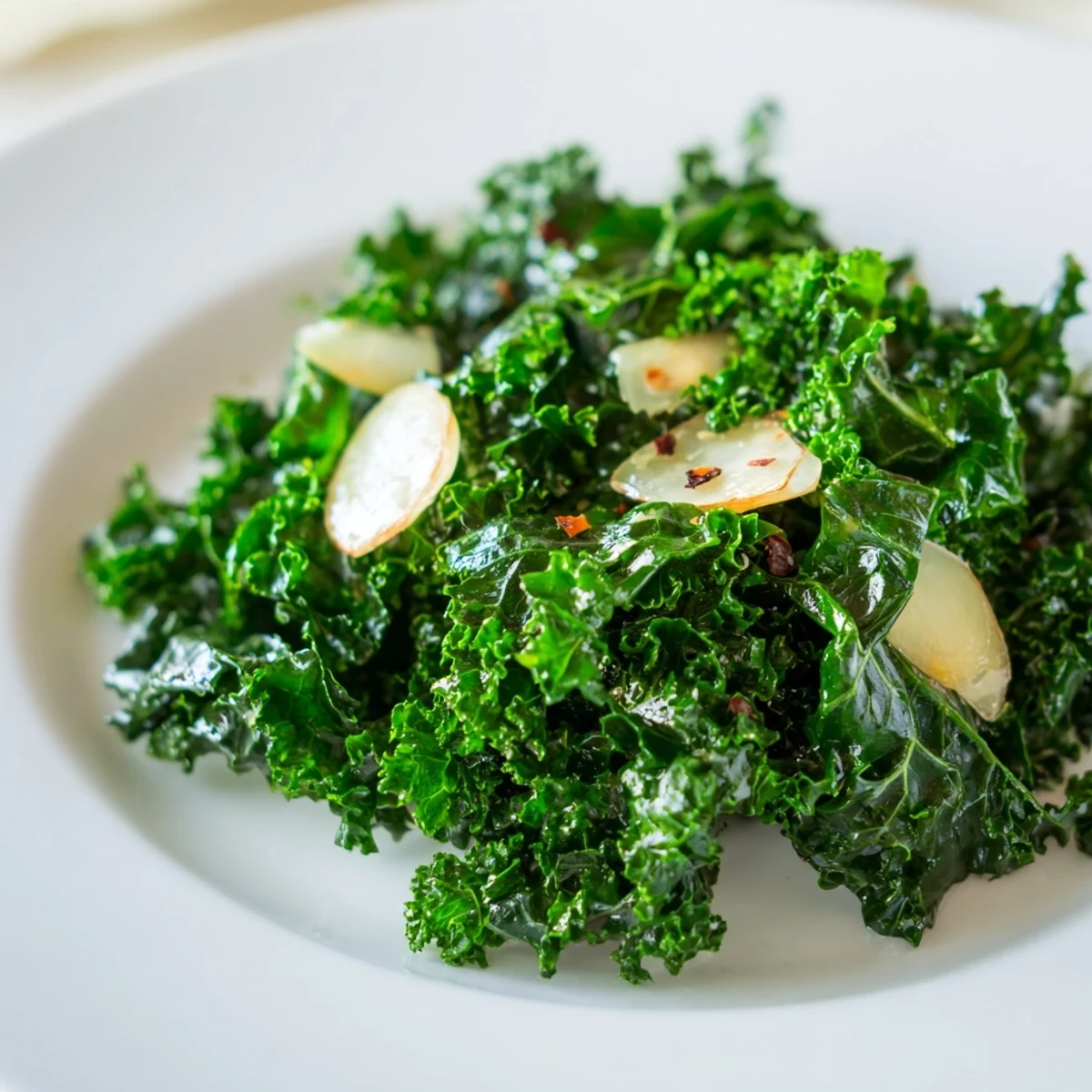
Save This vibrant side features wilted kale sautéed in olive oil with fragrant garlic, enhanced by a drizzle of maple syrup for a gentle sweetness. A splash of apple cider vinegar adds brightness while optional red pepper flakes provide a subtle kick. The dish is quick to prepare and delivers a balanced sweet-savory profile perfect alongside roasted or grilled mains. Toasted nuts or smoked paprika can add extra layers of texture and flavor.
I discovered this combination quite by accident on a Tuesday evening when I had a bunch of kale sitting in my crisper drawer and nothing else seemed exciting. The maple syrup was meant for something else entirely, but I grabbed it on impulse, thinking the sweetness might balance out the earthy bitterness of the greens. That first bite was electric—the kale turned silky and bright, the garlic whispered through everything, and that unexpected maple-vinegar finish made me stop and actually taste what I was eating instead of just pushing food around my plate.
I made this for a dinner party last spring when a friend went vegan and I suddenly realized most of my go-to sides were butter-heavy. I was nervous it would feel like a compromise, but watching her come back for seconds told me something different was happening—this wasn't sacrifice, it was actually delicious. That moment shifted how I think about cooking for other people's restrictions.
Ingredients
- Kale: One large bunch, stems removed and leaves torn into bite-sized pieces—the tough stems are genuinely bitter, so don't skip removing them.
- Garlic: Two cloves thinly sliced, which lets the heat work faster and more evenly than mincing.
- Olive oil: Two tablespoons, nothing fancy required but don't use the extra-virgin stuff if you have it; medium heat treats cheaper oil better.
- Red pepper flakes: A quarter teaspoon, completely optional but worth it if you like heat and the way it catches your attention mid-bite.
- Maple syrup: Two tablespoons of the real thing—the imitation stuff never hits the same way.
- Apple cider vinegar: One tablespoon to cut through the sweetness and keep everything from feeling one-dimensional.
- Salt and black pepper: To taste at the end, because the maple and vinegar need the right seasoning to shine.
Instructions
- Wash and prepare the kale:
- Hold the kale under running water and really get between the leaves—they trap dirt like tiny green baskets. Pat everything completely dry with a kitchen towel or paper towels, then remove those woody stems by pinching the base and stripping the leaves away.
- Warm the pan and toast the garlic:
- Pour your olive oil into a large skillet and set it over medium heat, then add the sliced garlic. You want to listen for a gentle sizzle and smell that wonderful garlic aroma start to rise—this takes about a minute, and you're watching for golden, not brown.
- Add the kale and let it transform:
- Dump all the kale into the hot pan and grab a wooden spoon or tongs. Toss it constantly for the next three to four minutes, watching as the dark leaves brighten and soften—it'll seem impossible at first, like you've overstuffed the pan, but kale collapses.
- Finish with the sweet and tangy:
- Sprinkle in the red pepper flakes if you're using them, then drizzle the maple syrup and vinegar all over everything. Stir constantly for another two to three minutes until the liquid mostly evaporates and clings to the kale like a glaze.
- Taste and serve:
- Pinch some salt and pepper into the pan, taste a leaf, adjust if needed, then transfer to a serving bowl while everything is still warm and tender.
 Save
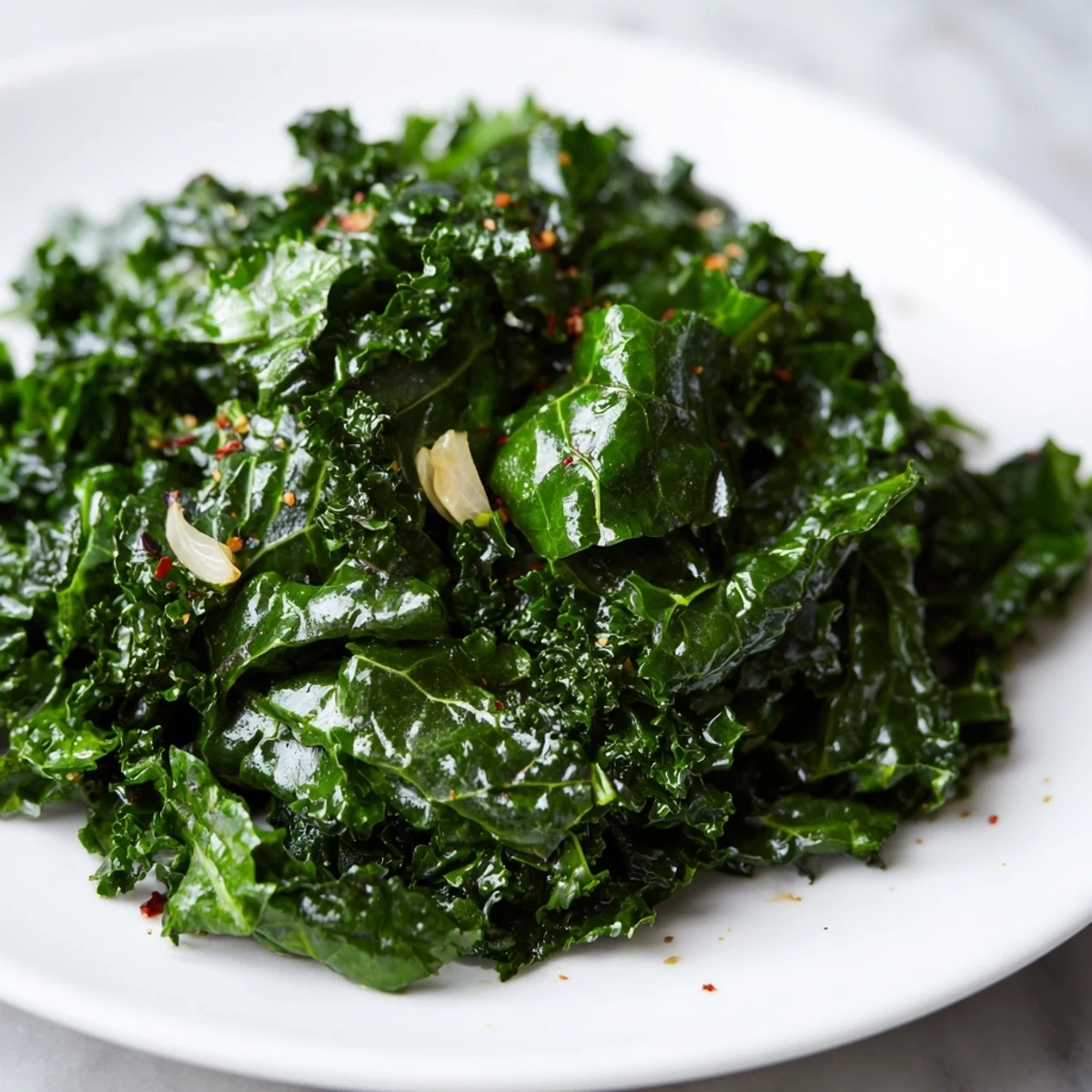
Save There's something almost meditative about watching a skillet full of dark, crinkled leaves shrink and brighten into this tender, glossy pile. It's the kind of small kitchen magic that makes you feel capable, like you actually know what you're doing.
The Maple-Vinegar Magic
The real trick here is understanding why maple and vinegar work together—the sweetness needs the acidity to feel interesting instead of cloying. If you've ever had maple syrup on its own taste heavy and one-note, this is where it comes alive. The vinegar wakes everything up and prevents the kale from tasting like a health obligation.
Kale Matters
Curly kale works best here because it has enough surface area to catch the maple glaze and gets tender faster than Lacinato. Lacinato is gorgeous and milder, but it won't wilt quite as dramatically, and part of the appeal is watching the transformation happen in real time. Pick whichever feels right in your hand at the store, honestly—you can't really go wrong.
Ways to Make It Yours
This dish is forgiving enough to play with without losing its identity. You can add crunch and richness, shift the flavor in different directions, or keep it simple depending on what's happening at your table. The maple-garlic base is solid enough to handle customization.
- Toasted pecans or walnuts stirred in at the very end add texture and depth without competing with the main flavors.
- A pinch of smoked paprika changes the whole mood if you want something more savory and complex.
- Try it topped on grain bowls, alongside roasted chicken, or with grilled tofu for a complete meal.
 Save
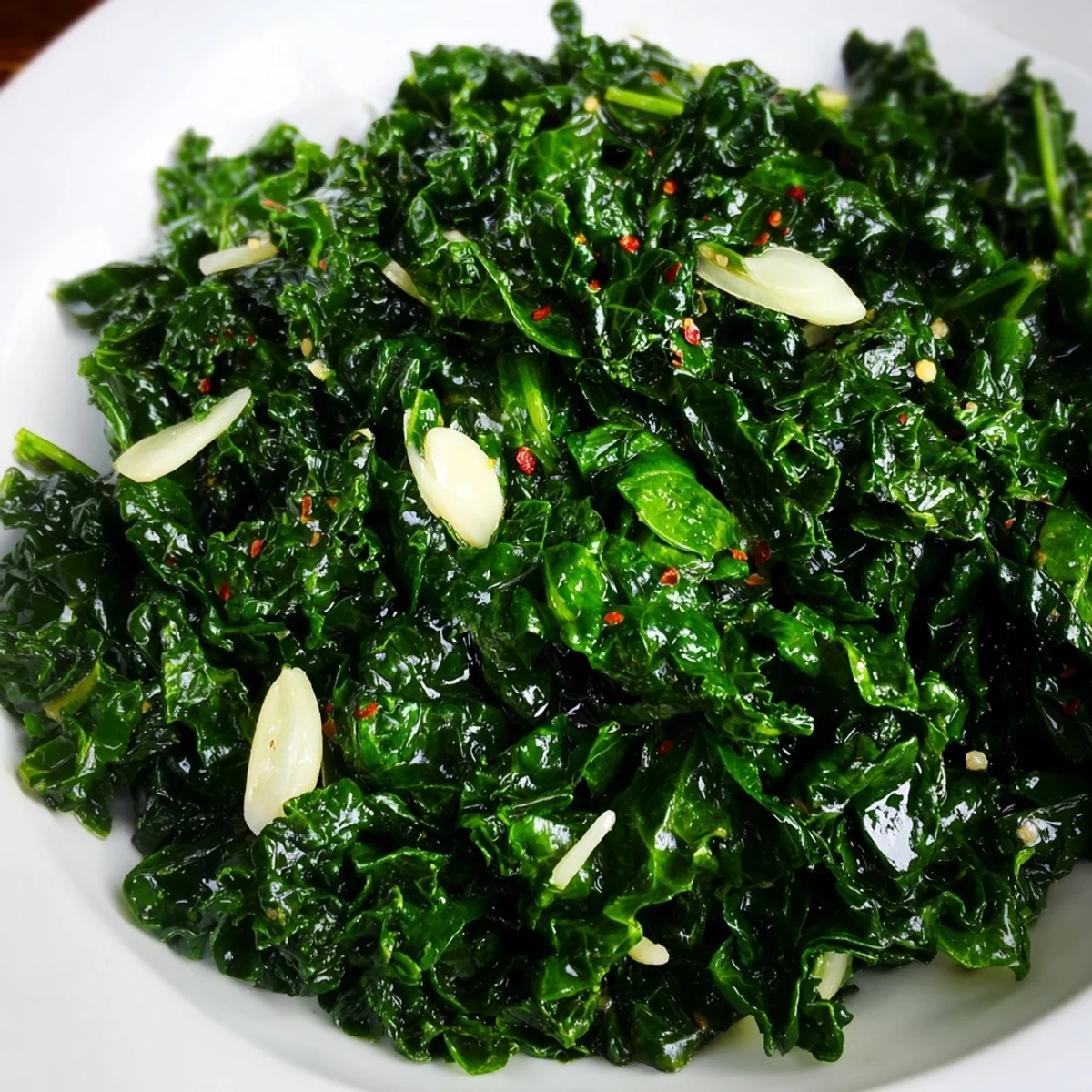
Save This is the kind of side dish that turns a simple dinner into something worth remembering. Make it once and it becomes part of your regular rotation.
Recipe FAQs
- → How should I prepare the kale for best texture?
-
Remove the tough stems and tear or chop the leaves into bite-sized pieces to ensure even cooking and tender texture.
- → Can I adjust the sweetness of the dish?
-
Yes, you can modify the amount of maple syrup to taste or try alternative sweeteners for variation.
- → What cooking oil works best for sautéing?
-
Olive oil is ideal for its flavor and heat tolerance but other neutral oils can also be used.
- → How do the vinegar and pepper flakes affect the flavor?
-
Apple cider vinegar adds bright acidity balancing the sweetness, while red pepper flakes introduce a mild heat without overpowering.
- → What toppings complement this kale dish?
-
Toasted pecans or walnuts add crunch, and a sprinkle of smoked paprika can bring a subtle smoky undertone.