 Save
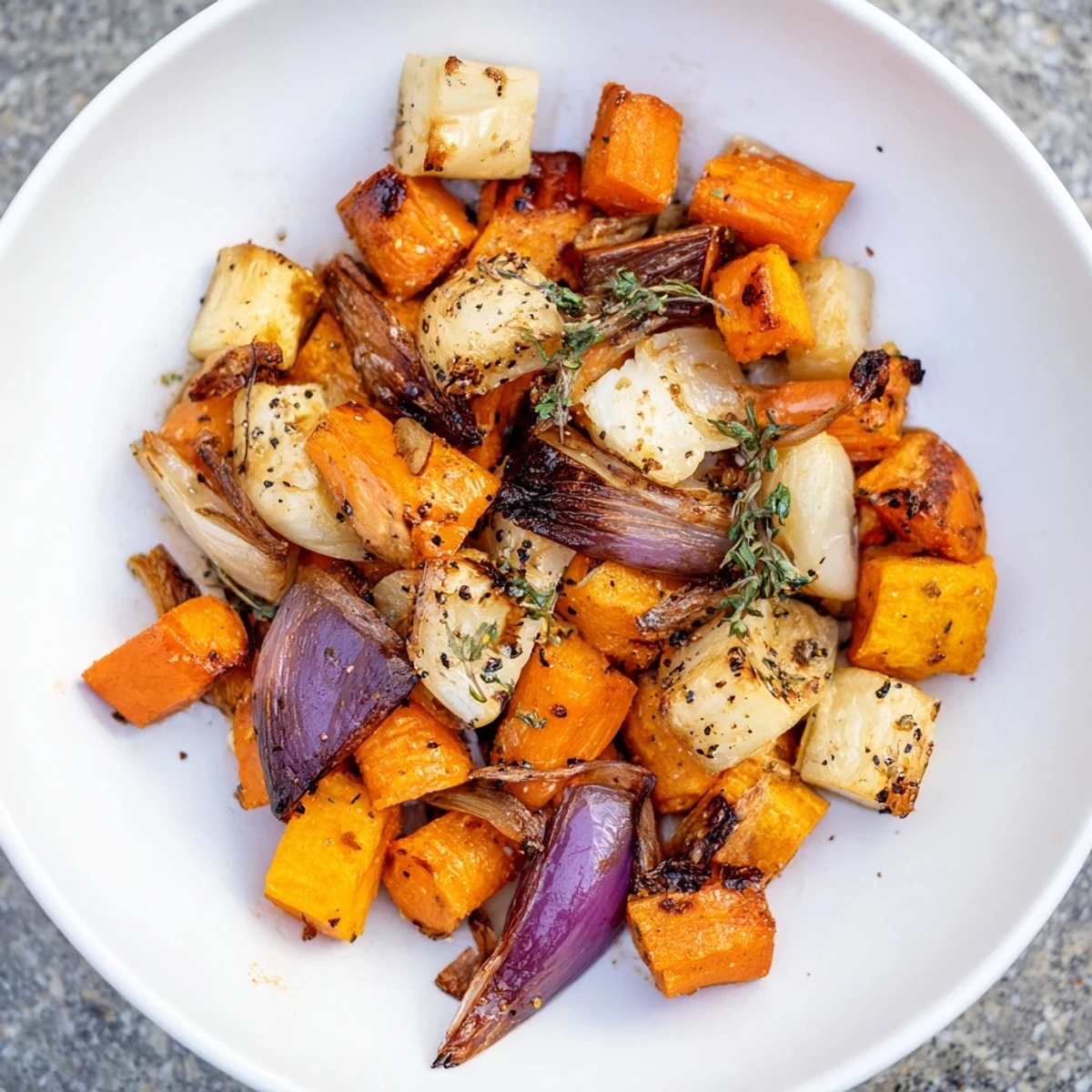
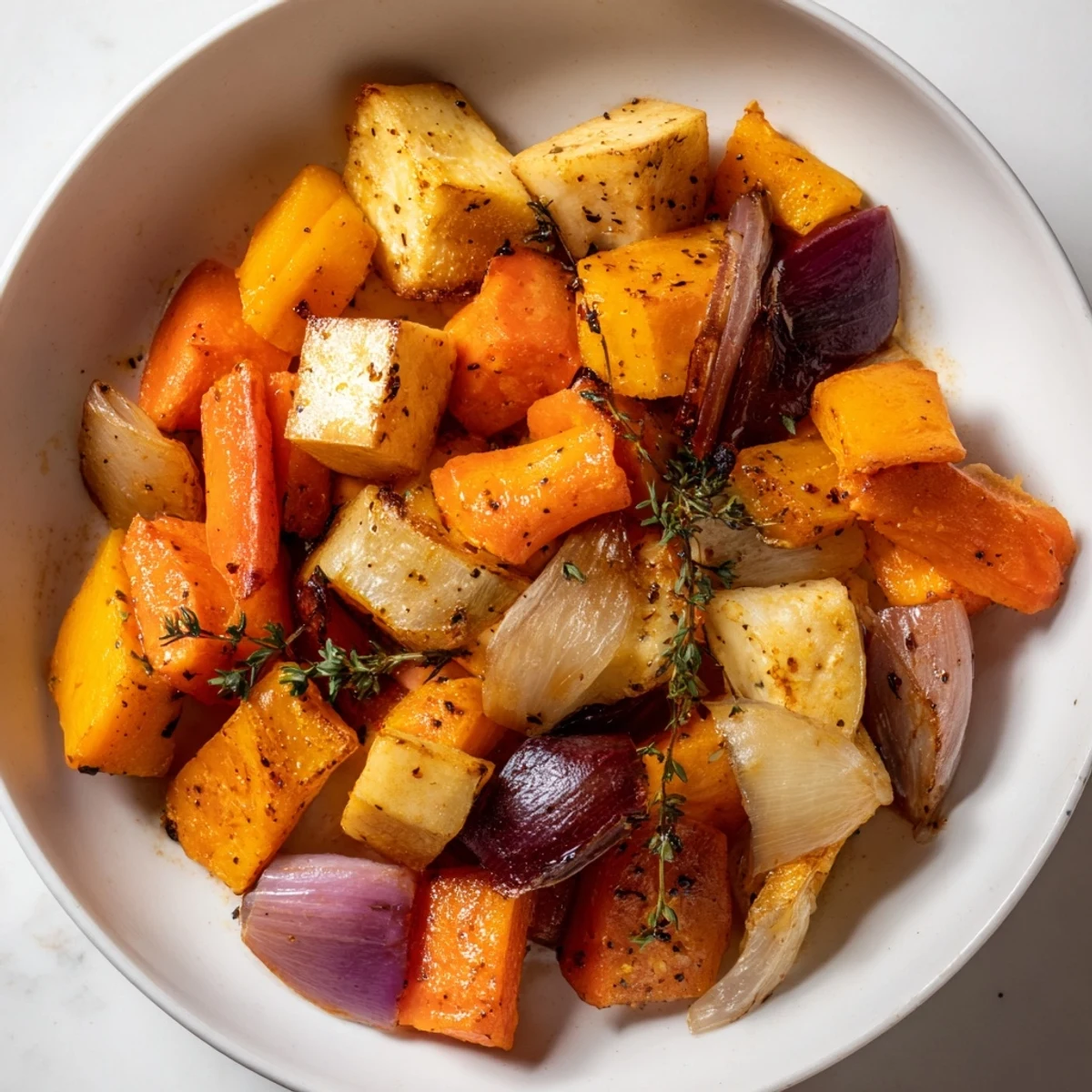
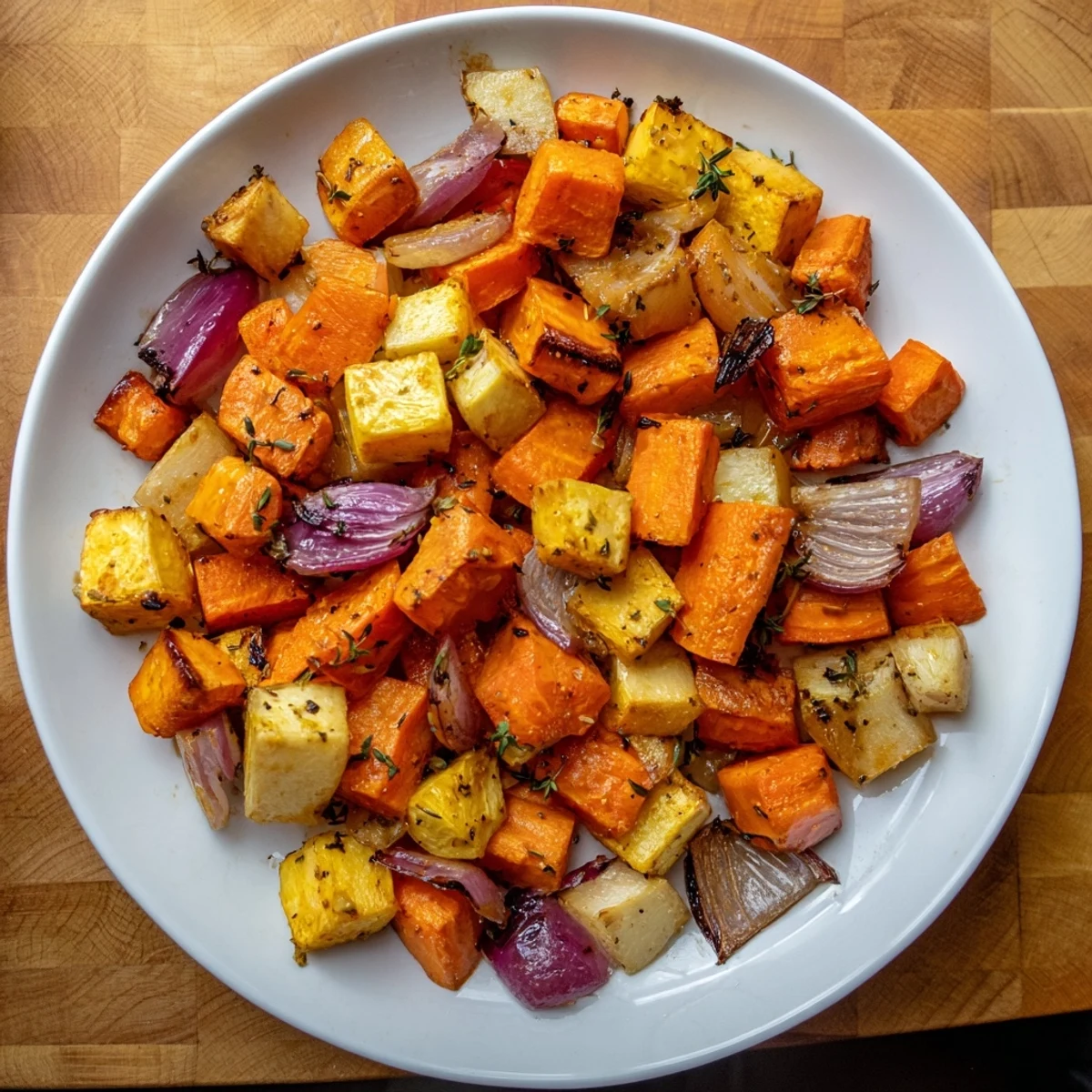
Save This dish features a medley of root vegetables such as carrots, parsnips, sweet potato, rutabaga, and red onion, all tossed in a fragrant glaze of pure maple syrup, olive oil, fresh thyme, sea salt, and black pepper. Roasting at a high temperature caramelizes the edges, enhancing the natural sweetness and bringing a comforting warmth perfect for colder months. Simple to prepare and packed with seasonal flavor, it's a versatile accompaniment to a variety of main courses.
Feel free to swap in other roots like beets or golden potatoes, and add smoky paprika or garlic cloves for extra depth. The balance of sweet and savory notes makes this roasted medley an inviting addition to any fall or winter table.
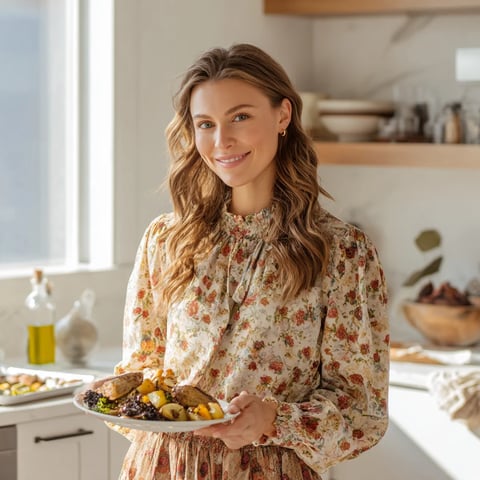
There's something about the smell of maple syrup hitting hot vegetables that instantly transports me back to a November evening when my neighbor dropped off a jug of syrup she'd made herself. I had no grand plans, just whatever root vegetables were lingering in my crisper drawer, but that syrup changed everything. I roasted them on a whim, and suddenly my kitchen smelled like an autumn farmers market had decided to set up shop on my stovetop.
I made this for a potluck once and watched someone who usually skips vegetables go back for thirds, which told me everything I needed to know. My friend Sarah kept asking what was different about these carrots, and when I told her it was just maple syrup and thyme, she looked slightly disappointed, like she'd expected some complicated secret. The best recipes are often the ones that feel too simple to actually work.
Ingredients
- Carrots: Cut them into roughly 1-inch chunks so they cook evenly without turning into mush on the outside while staying hard in the middle.
- Parsnips: These are the underrated root that adds a subtle sweetness and a creamy texture when roasted, but they'll burn if you ignore them.
- Sweet potato: Use a medium one so the pieces aren't too big and you actually get that caramelized exterior.
- Rutabaga: This one takes the longest to soften, so keeping everything the same size matters more than you'd think.
- Red onion: Adds sharpness that balances all the sweetness from the maple and the vegetables themselves.
- Pure maple syrup: This is not the time for the imitation stuff; real syrup caramelizes differently and tastes like it actually came from somewhere.
- Olive oil: Creates the glaze base and helps everything turn golden and crispy at the edges.
- Fresh thyme: If you can use it fresh, do it; dried works in a pinch but won't have that subtle woodsy brightness.
- Sea salt and black pepper: Simple seasoning that lets the vegetables and maple be the stars.
Instructions
- Heat your oven and prep:
- Get your oven to 425°F and line a baking sheet with parchment paper so you're not scraping caramelized stuck-on bits later. This temperature is hot enough to actually caramelize the vegetables without cooking them to death.
- Toss everything together:
- Combine your cut vegetables in a large bowl, then whisk the maple syrup, olive oil, thyme, salt, and pepper in a separate small bowl until it looks like a glossy glaze. Pour it over the vegetables and toss until every piece is coated, because the naked spots won't caramelize the same way.
- Spread and roast:
- Arrange the vegetables in a single layer on the baking sheet (this is important—if they're piled on top of each other they'll steam instead of roast). After about 20 minutes, give them a stir so they cook evenly and the pieces that were touching the pan get a chance to face the heat.
- Know when it's done:
- You're looking for tender interiors and caramelized, slightly charred edges that taste a little bit like candy. This usually takes 35 to 40 minutes total, but your oven might run hot or cold, so trust what you see more than the clock.
 Save
Save I served this at a dinner where everyone was supposed to bring something fancy and complicated, and I almost didn't mention how easy this was because I wanted to accept the compliments honestly. There's a quiet confidence in knowing you can make something beautiful and delicious without a lengthy recipe or ingredients you've never heard of.
Why Root Vegetables Are Autumn's Best-Kept Secret
Root vegetables are winter's way of making sure you don't get bored with your plate. They're naturally sweet, dense enough to hold up to high heat, and they actually taste better after the first frost. Most people sleep on them because they seem boring, but roasted until their edges are caramelized, they're anything but.
Building Your Own Version
This recipe is forgiving enough that you can swap vegetables based on what you find or what you have. Beets add earthiness and deep color, golden potatoes stay creamy in the middle, turnips bring a slight bitterness that works surprisingly well with maple. I've even added whole garlic cloves or scattered smoked paprika on top, and each version felt intentional rather than improvised.
Serving and Storage
These are best eaten the day you make them while they still have some textural contrast, though they do reheat well. Pile them next to roasted chicken or fish, add them to a grain bowl, or honestly just eat them as a meal on their own with good bread. Stored in an airtight container, they'll keep for three or four days in the fridge, but they lose that crispness gradually.
- Reheat gently in a 350°F oven for about 10 minutes so they warm through without drying out further.
- If you're meal prepping, you can chop your vegetables the night before and store them in the fridge until you're ready to roast.
- Extra thyme makes a nice garnish and reminds people this came from someone who actually cares.
 Save
Save This recipe taught me that the best side dishes don't whisper for attention; they speak for themselves. Make this once, and it becomes the thing people ask you to bring.
Recipe FAQs
- → What root vegetables can I use in this dish?
-
Carrots, parsnips, sweet potatoes, rutabaga, and red onions are ideal. You can also substitute with beets or golden potatoes for variety.
- → How do I achieve caramelized edges on the vegetables?
-
Roast the glazed vegetables at 425°F (220°C) for 35-40 minutes, stirring halfway to allow even caramelization and tender texture.
- → Can I add other flavors to the glaze?
-
Yes, a pinch of smoked paprika or a handful of whole garlic cloves can be added to deepen the flavor profile.
- → Is this dish suitable for special diets?
-
It is naturally vegetarian, gluten-free, and dairy-free, making it a great option for many dietary preferences.
- → What dishes pair well with caramelized root vegetables?
-
They complement roasted meats, poultry, or can be served as part of a vegetarian spread, adding a sweet and savory balance.