 Save
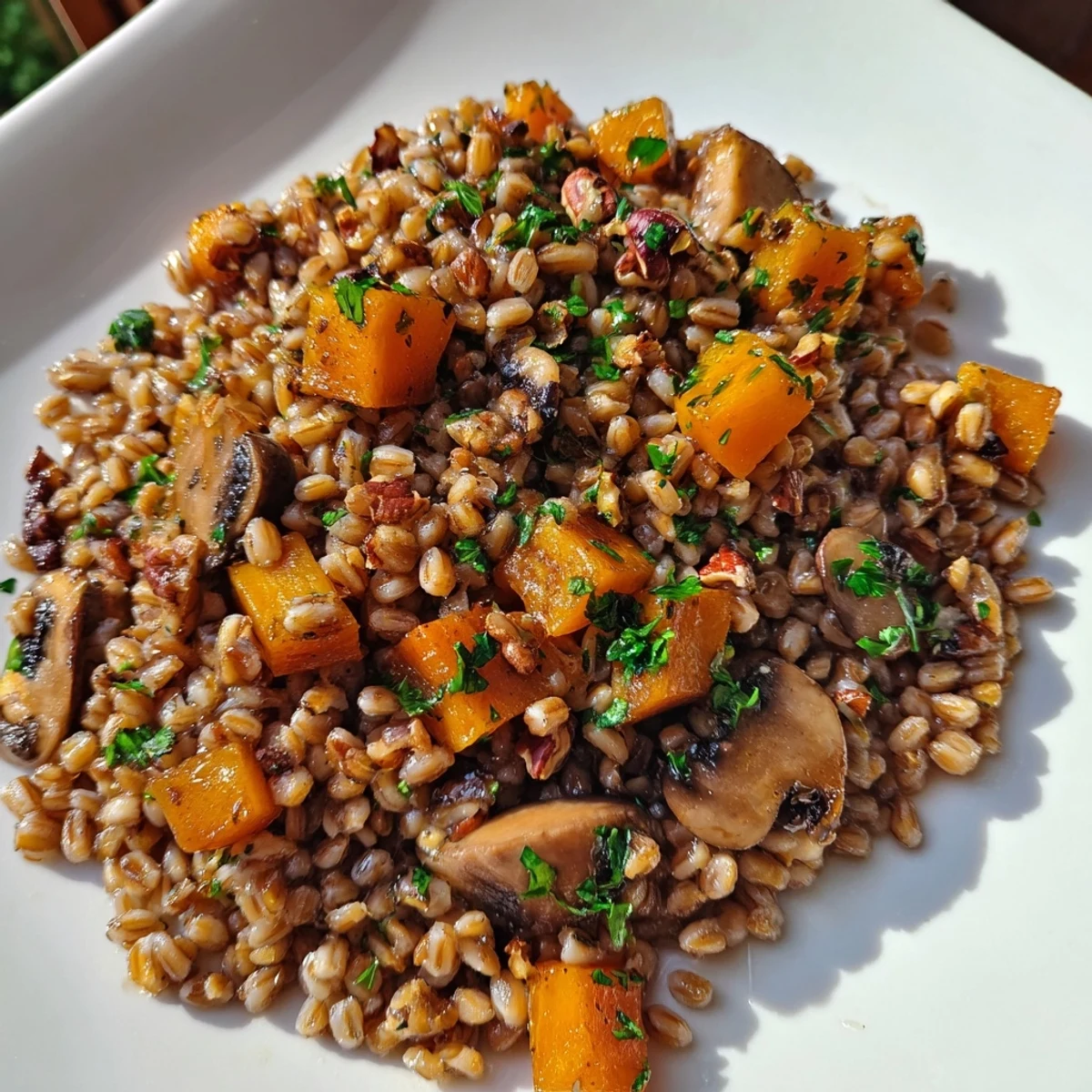
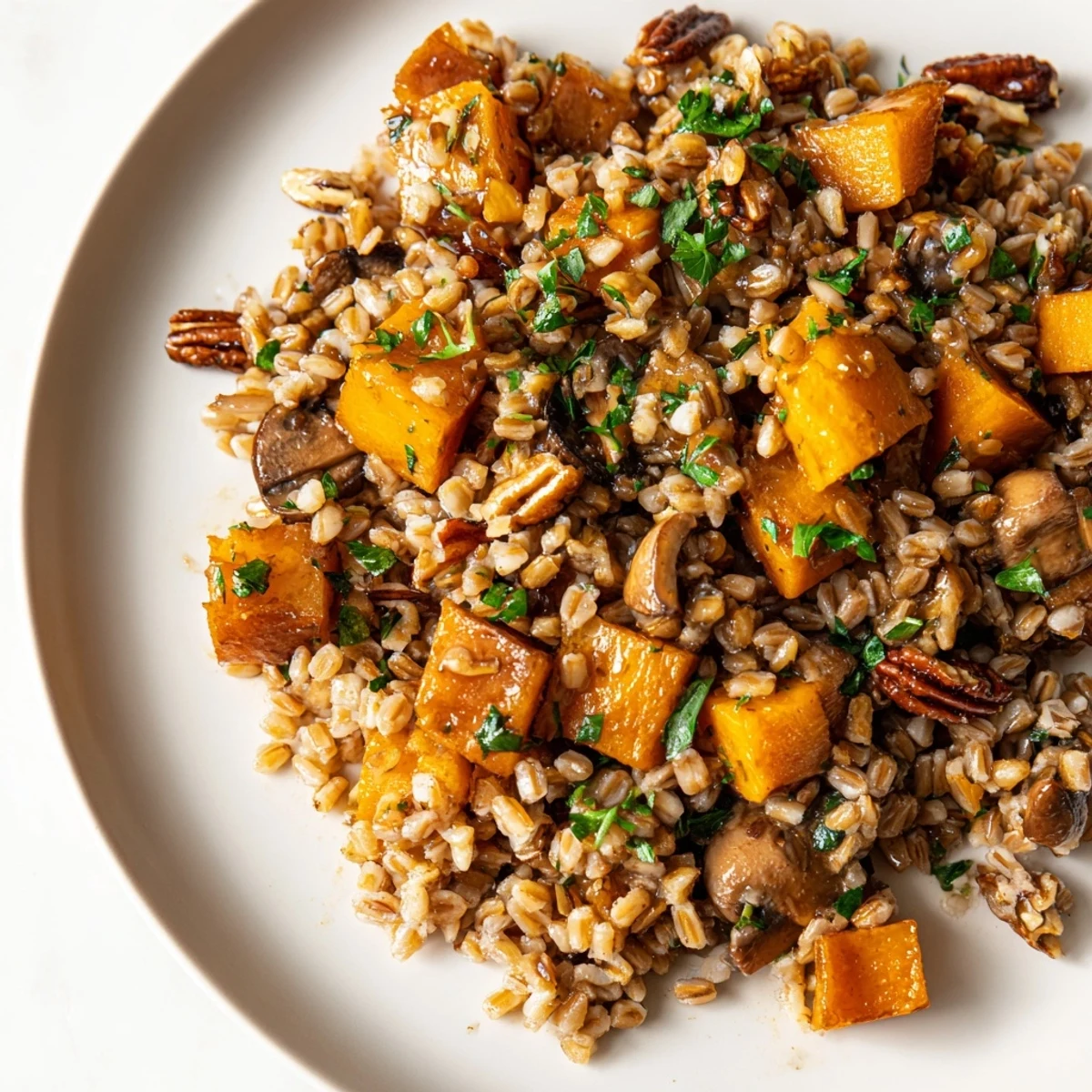
Save This savory grain dish combines nutty farro with oven-roasted butternut squash, cremini mushrooms, and red onion. A subtle maple glaze—made from pure maple syrup, apple cider vinegar, Dijon mustard, and fresh thyme—coats the grains and vegetables, enhancing the natural flavors. Toasted pecans and fresh parsley garnish the dish, adding crunchy texture and freshness. Ideal for a quick yet nourishing meal, it's easy to prepare with simple steps and adaptable to grain preferences.
Last autumn, I was standing in my kitchen on a quiet Sunday afternoon when the smell of roasting butternut squash drifted from the oven. I'd thrown together whatever grain and vegetables I had on hand, drizzled them with maple syrup and mustard almost by accident, and something magical happened. That dish became the reason friends started asking me to bring something to potlucks, and why I now make it whenever I need comfort food that feels both nourishing and a little bit special.
I remember serving this to my partner on a Tuesday night when we were both exhausted from work, and they actually paused mid-bite and asked for the recipe. That's when I knew it wasn't just my comfort food anymore, it was something worth sharing and perfecting.
Ingredients
- Farro: This pearl-like grain has a chewy texture and nutty flavor that's way more interesting than regular rice, and it won't fall apart when you toss it with the glaze.
- Vegetable broth: Use the good kind if you can, because it seasons the grain as it cooks and makes a real difference in the final taste.
- Butternut squash: Roasting brings out its natural sweetness, which plays perfectly with the maple syrup without making the dish taste dessert-like.
- Cremini mushrooms: They add an earthy depth that balances the sweetness, and they release their moisture as they roast, creating little flavor pockets.
- Red onion: The sharpness mellows when roasted, adding complexity without overpowering anything.
- Maple syrup and apple cider vinegar: This combination is the secret to why the glaze tastes sophisticated instead of one-note, the vinegar keeps it from being cloying.
- Dijon mustard: It might seem unexpected, but it adds a subtle heat and prevents the maple from tasting too sweet.
- Fresh thyme: This herb ties everything together, it's almost like the dish's backbone.
- Toasted pecans: They add a crucial crunch and a warm, buttery note that makes every bite more interesting.
Instructions
- Start the grain:
- Combine farro and broth in a medium saucepan and bring to a boil, then turn the heat down, cover it, and let it simmer gently for 25 to 30 minutes. You'll know it's done when the grains are tender but still have a slight chew to them, not mushy.
- Prep and roast the vegetables:
- While the farro cooks, toss your butternut squash cubes, sliced mushrooms, and diced red onion with olive oil, salt, and pepper. Spread them on a baking sheet and roast at 400°F for 20 to 25 minutes, stirring once halfway through, until they're golden at the edges and completely tender.
- Make the glaze:
- In a small bowl, whisk together maple syrup, apple cider vinegar, Dijon mustard, and fresh thyme leaves until everything is well combined and smooth.
- Bring it all together:
- Once the farro is done, drain any excess liquid and transfer it to a large bowl along with the roasted vegetables. Pour the maple glaze over everything and toss gently but thoroughly until each grain and vegetable piece is coated.
- Finish and serve:
- Transfer to a serving platter and scatter the toasted pecans and fresh parsley over the top if you're using them. Serve it warm, and watch how people gravitate toward this dish.
 Save
Save The first time someone told me this dish reminded them of eating at their grandmother's table, I realized that food has this power to hold memories and create new ones at the same time. That's when cooking stopped being just a task and became something I actually looked forward to.
Why This Glaze Works
The magic of this dish lives in that glaze, honestly. Maple syrup alone would be too one-dimensional, so the apple cider vinegar gives it brightness and prevents it from tasting like dessert. The Dijon mustard adds a subtle heat that keeps everything balanced, and the thyme ties it all together with an herbaceous note that feels intentional and sophisticated. When you drizzle this over warm grain and roasted vegetables, it coats everything and seeps into the nooks and crannies.
Building Flavor with Roasted Vegetables
Roasting is non-negotiable here because raw or steamed vegetables would make this taste healthy in a way that feels like deprivation. When butternut squash and mushrooms get hot, their natural sugars caramelize and concentrate, and the red onion loses its sharp bite and becomes sweet. It's the difference between a salad and something you actually crave. The brown bits on the edges are where the real flavor lives, so don't be afraid to let them get a little charred.
Making It Your Own
This recipe is a framework, not a straitjacket, so feel free to swap grains based on what you have or what your body handles well. Quinoa works beautifully if you want something lighter, barley gives it a chewier texture, and brown rice makes it earthier and more substantial. The same goes for vegetables, Brussels sprouts add a nutty bitterness that's incredible, carrots bring sweetness, and kale adds something more robust if you want the dish to lean savory. The glaze is really the through-line that ties everything together, so keep that consistent and play with everything else.
- Consider doubling the glaze recipe if you like things more heavily coated and saucier.
- Add crumbled goat cheese or a drizzle of tahini right before serving for extra richness and complexity.
- Make it ahead and reheat gently, the flavors actually deepen and marry better as it sits overnight.
 Save
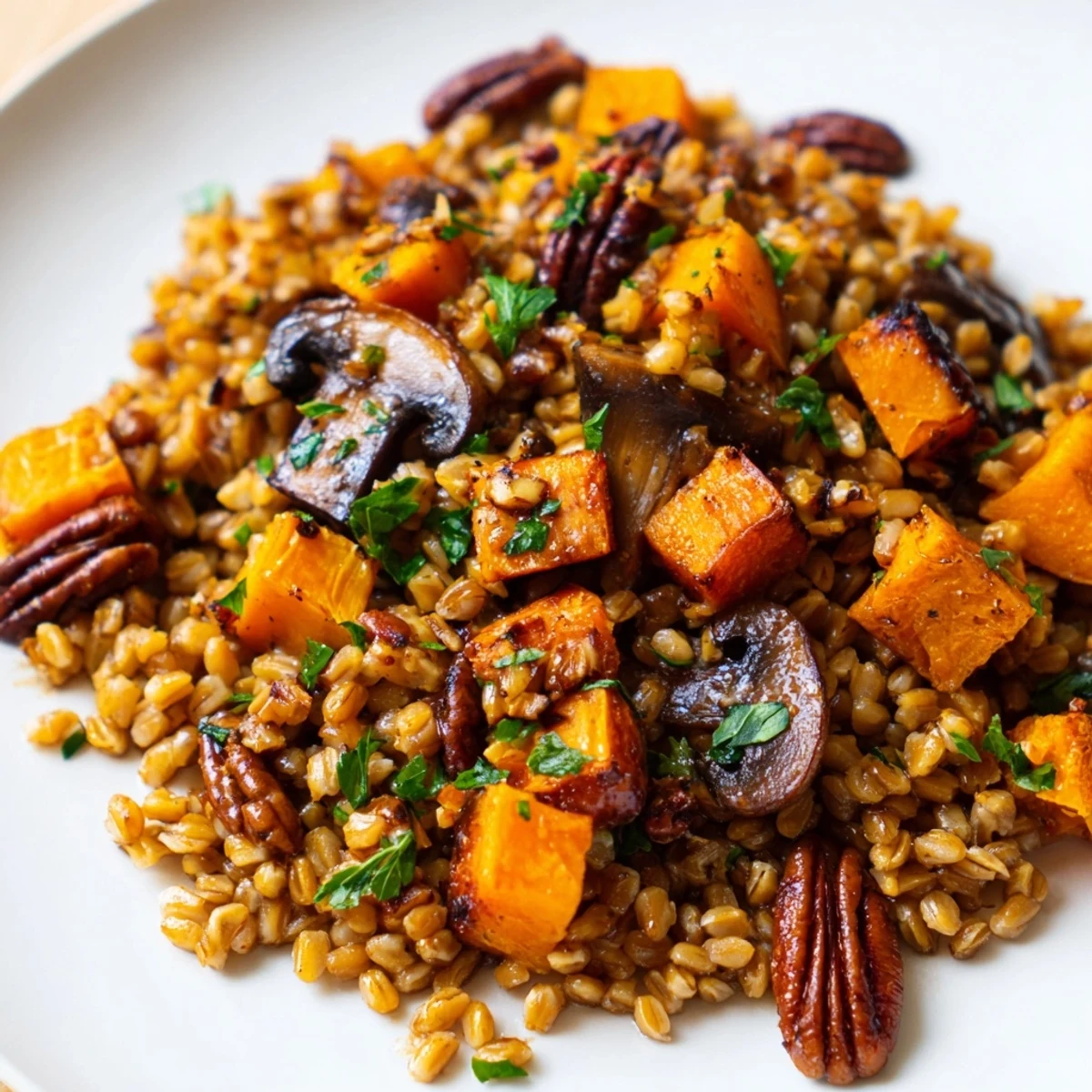
Save This grain dish became a staple in my kitchen because it proves that wholesome food doesn't need to be boring, and that the simplest dishes sometimes turn out to be the ones people actually remember. Make it for yourself first, then share it.
Recipe FAQs
- → What grain works best for this dish?
-
Farro is the traditional choice for its nutty flavor and chewy texture, but quinoa, barley, or brown rice are great alternatives.
- → How should the vegetables be prepared?
-
Dice the butternut squash and red onion, slice the cremini mushrooms, then toss with olive oil, salt, and pepper before roasting until tender and golden.
- → Can this dish be served warm or cold?
-
It is delicious served warm right after mixing, but can also be enjoyed at room temperature as a hearty side or main.
- → What adds the subtle sweetness in this dish?
-
A maple-based glaze combining pure maple syrup with apple cider vinegar, Dijon mustard, and thyme adds balanced sweetness and depth.
- → Are there any common allergens to consider?
-
Toasted pecans add crunch but may pose a tree nut allergy risk; farro contains gluten, so use gluten-free grains if needed.