 Save
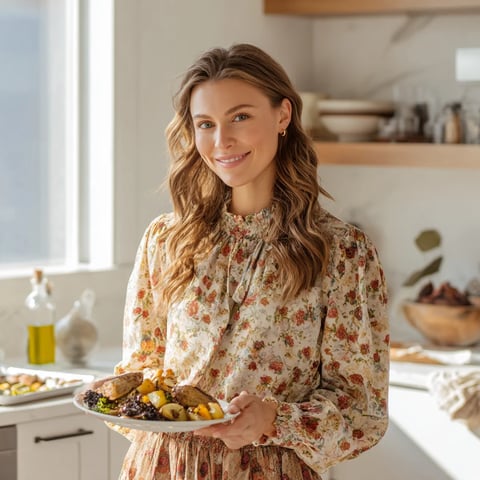
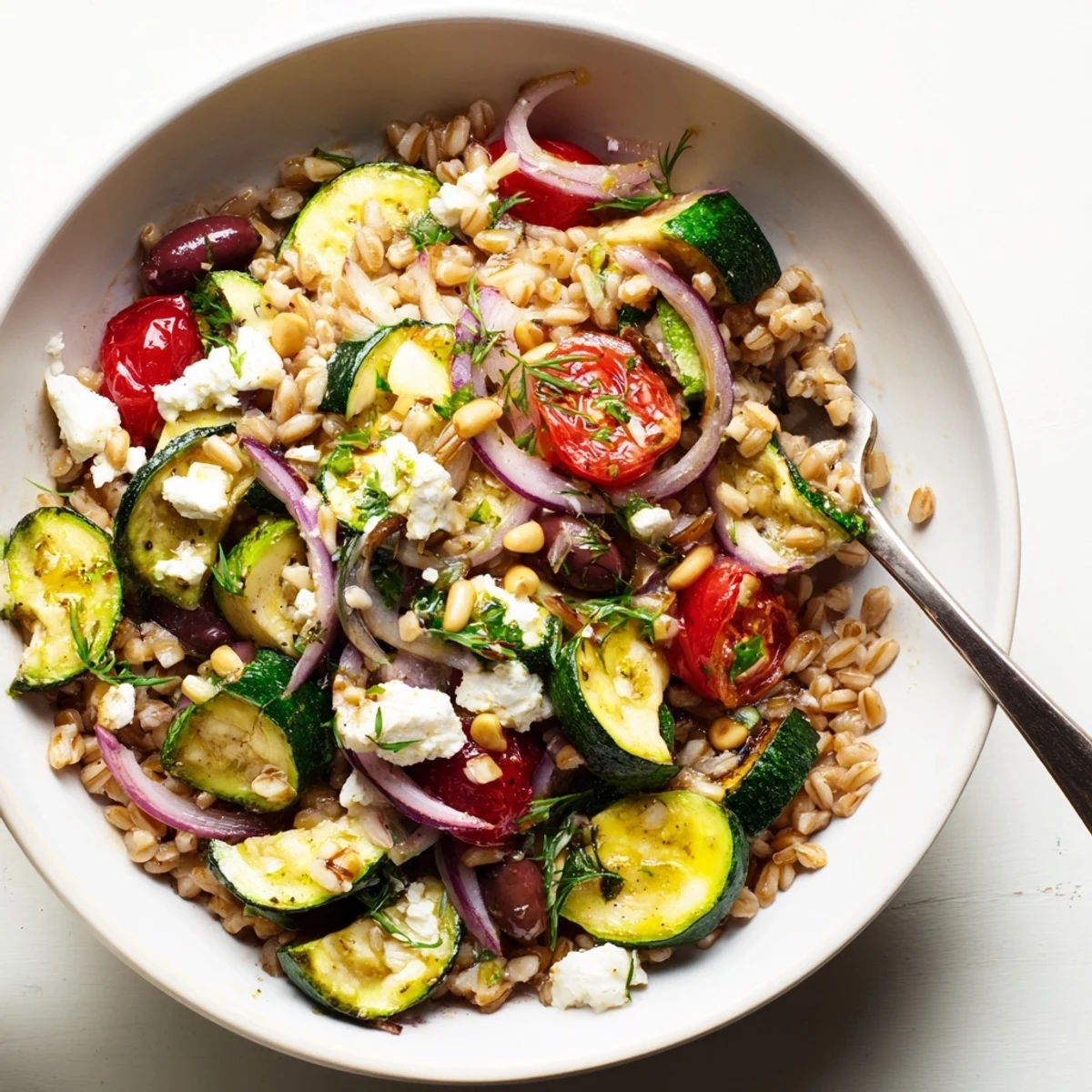
Save This grain bowl combines nutty farro cooked until tender with oven-roasted zucchini, cherry tomatoes, red onion and bell pepper. Tossed with a lemon-herb vinaigrette, then folded with Kalamata olives, crumbled feta, parsley and optional toasted pine nuts. Ready in about 50 minutes, it’s served warm or at room temperature and swaps easily to quinoa or added protein.
The summer my neighbor Elena overloaded me with zucchini from her garden, I made this grain bowl four times in a single week and never got tired of it. Something about the way roasted zucchini curls at the edges and soaks up that lemony vinaigrette makes it disappear fast, even from people who claim they do not like vegetables. Farro was a late discovery for me, but once I tasted its chewy, nutty bite underneath all those Mediterranean flavors, I was completely sold. This bowl has since become my answer to everything from potlucks to lazy Tuesday dinners.
I brought a massive bowl of this to a backyard gathering last July, fully expecting to have leftovers for lunch the next day. Two friends who always skip the vegetarian dishes went back for thirds, and one of them texted me the recipe three days later asking about farro brands at the grocery store. That moment when a meat eater voluntarily chooses your grain bowl over everything else on the table is the highest compliment a home cook can get.
Ingredients
- Farro (1 cup, 180 g): The chewy, nutty base that holds up beautifully to dressings without turning mushy, so do not be tempted to swap it for something delicate.
- Zucchini (2 medium): Cut into even half inch pieces so every bite roasts uniformly and gets those golden caramelized edges.
- Cherry tomatoes (1 cup, 150 g): Halved, they burst during roasting and create little pockets of sweet acidity throughout the bowl.
- Red onion (1 small): Thinly sliced so it roasts into soft, sweet ribbons rather than staying crunchy and overpowering.
- Red bell pepper (1): Chopped roughly the same size as the zucchini for even cooking and a pop of color.
- Olive oil (2 tbsp for roasting, 3 tbsp for vinaigrette): Use a good quality oil here since it is doing double duty as a cooking fat and a raw dressing component.
- Dried oregano (1/2 tsp): A little goes a long way on the vegetables, and it echoes the fresh oregano in the vinaigrette.
- Salt and pepper: Seasoning at each stage, from the farro cooking water to the roasting pan to the dressing, builds layers of flavor.
- Kalamata olives (1/2 cup, 80 g): Halved and pitted, they bring the briny punch that makes this taste unmistakably Mediterranean.
- Feta cheese (1/3 cup, 50 g): Crumbled over the top at the end so it stays creamy and distinct rather than melting into everything.
- Fresh parsley (1/4 cup, 10 g): Adds a fresh, grassy finish that lifts the whole bowl, so do not skip it even if it feels optional.
- Pine nuts (2 tbsp, optional): Toasted lightly in a dry pan until golden, they add a buttery crunch that is worth the extra step.
- Lemon juice (2 tbsp): Fresh squeezed only, since the bottled stuff tastes flat and this dressing is all about brightness.
- Dijon mustard (1 tsp): Acts as an emulsifier to keep the vinaigrette from separating, and adds a subtle sharpness.
- Garlic (1 clove): Finely minced so it distributes evenly through the dressing without hitting anyone with a raw chunk.
- Fresh oregano (1 tbsp, or 1 tsp dried): The fresh stuff is worth seeking out for the vinaigrette, but dried works in a pinch.
Instructions
- Get the oven hot:
- Preheat to 425°F (220°C) and line a baking sheet with parchment paper so nothing sticks and cleanup takes ten seconds.
- Cook the farro:
- Combine farro, 2 ½ cups water, and ½ tsp salt in a medium saucepan, bring to a boil, then reduce heat, cover, and simmer 20 to 25 minutes until tender but still pleasantly chewy. Drain any excess water and set aside.
- Prep and roast the vegetables:
- Toss the zucchini, halved cherry tomatoes, sliced red onion, and chopped bell pepper with 2 tbsp olive oil, dried oregano, ½ tsp salt, and ½ tsp pepper directly on the baking sheet, spread everything in a single layer so it roasts instead of steams, and bake for 20 to 25 minutes, stirring once halfway through, until golden and tender.
- Whisk the vinaigrette:
- In a small bowl, whisk together 3 tbsp olive oil, lemon juice, Dijon mustard, minced garlic, fresh oregano, ¼ tsp salt, and ¼ tsp pepper until the dressing looks creamy and emulsified.
- Bring it all together:
- In a large bowl, combine the cooked farro, roasted vegetables, halved olives, and half the parsley, drizzle generously with vinaigrette, and toss until everything is evenly coated and glistening.
- Build your bowls:
- Divide among four bowls, top with crumbled feta, the remaining parsley, and toasted pine nuts if using, and serve warm or at room temperature.
 Save
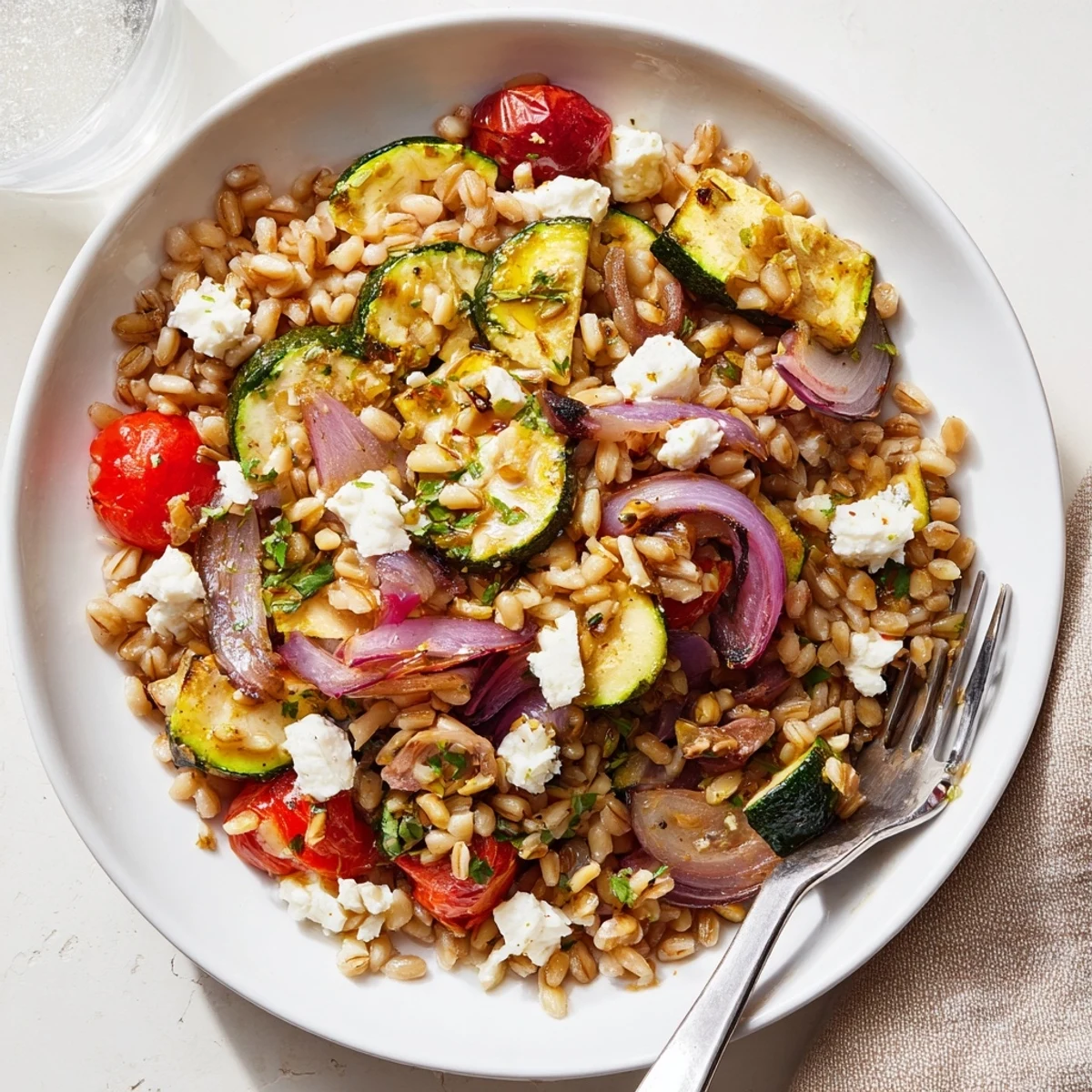
Save The first time I ate the leftovers cold from the fridge, standing with the door still open, I realized this dish had quietly become the thing I crave most when I want something nourishing but effortless.
Making It Your Own
This bowl is endlessly flexible once you understand the basic structure of chewy grain, roasted vegetables, something briny, something creamy, and a bright dressing. Try swapping the zucchini for roasted eggplant in late summer, or add a handful of chickpeas when you need more staying power. Grilled chicken strips work beautifully if you are cooking for mixed dietary preferences and want one meal to satisfy everyone at the table.
Gluten Free and Dairy Free Swaps
Replace the farro with quinoa or brown rice for a gluten free version, keeping in mind that quinoa cooks much faster so adjust your timing accordingly. For a dairy free bowl, simply omit the feta or use a plant based alternative, and the olives and lemon vinaigrette carry enough bold flavor that you will not feel like anything is missing. Toasted sunflower seeds make a nut free substitute for pine nuts while still adding that satisfying crunch on top.
Storage and Meal Prep Advice
Each component stores beautifully on its own for up to four days in airtight containers, making this ideal for weekly meal prep. Keep the vinaigrette in a separate jar so the farro does not absorb all the liquid overnight and become heavy. The roasted vegetables actually deepen in flavor after a day in the fridge, which is a rare quality that makes the effort of cooking ahead feel genuinely rewarding.
- Store dressed and undressed portions separately if you plan to eat it over multiple days.
- Add the feta and parsley only when you are ready to serve so they stay fresh and vibrant.
- Bring refrigerated bowls to room temperature for about twenty minutes before eating for the best flavor and texture.
 Save
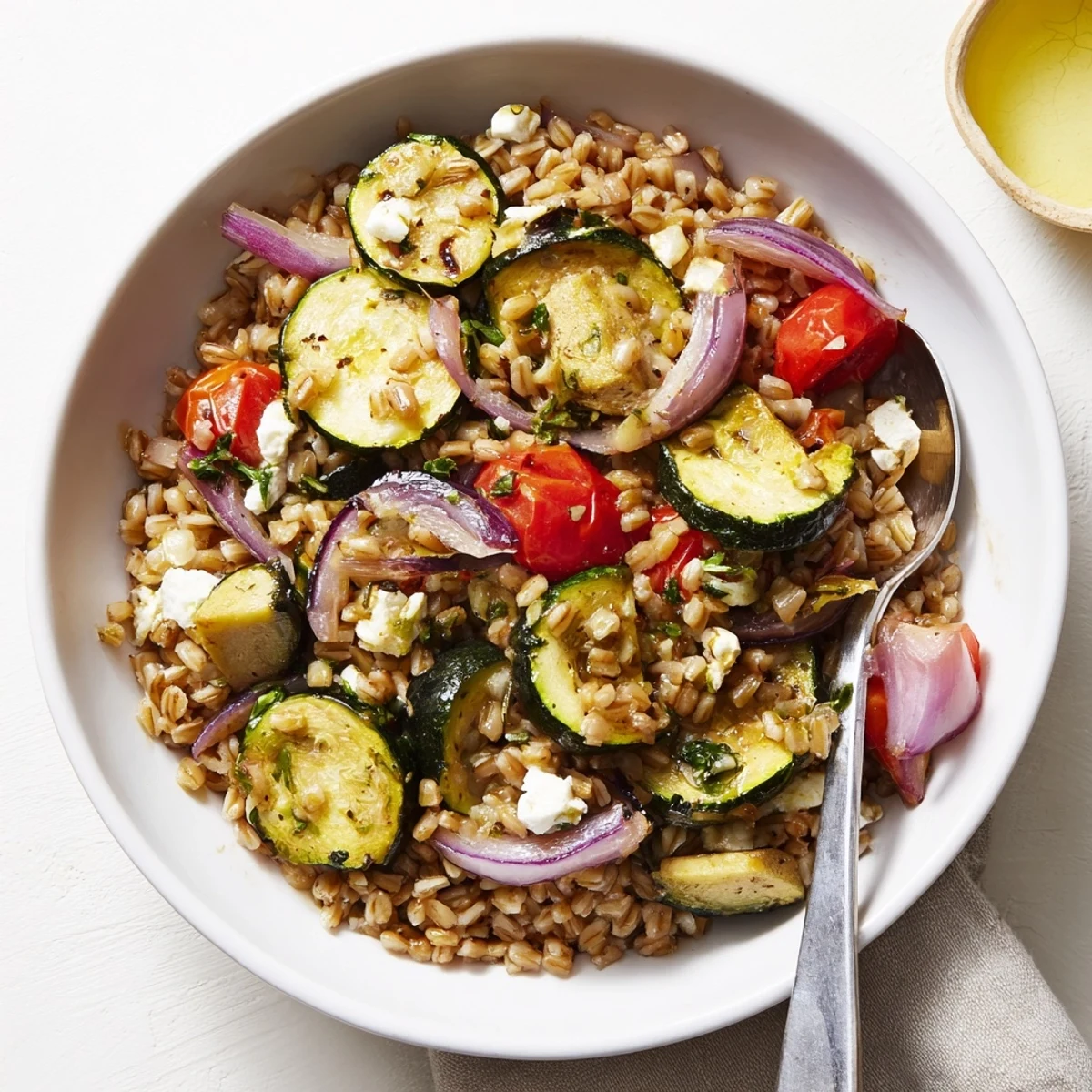
Save This bowl tastes like sunshine on a plate, and I hope it brings the same easy contentment to your kitchen that it has brought to mine countless times.
Recipe FAQs
- → How long should farro simmer?
-
Pearled farro usually simmers 20–25 minutes in simmering water until tender. Drain any excess, then fluff with a fork. If using whole grain farro, increase cooking time and liquid according to package instructions.
- → What’s the best way to roast the vegetables?
-
Roast at 425°F (220°C) on a lined baking sheet tossed with olive oil, oregano, salt and pepper. Spread in a single layer and turn once halfway through for even browning and caramelization, about 20–25 minutes total.
- → How can I make this dairy-free or vegan?
-
Omit the feta or swap for a tangy plant-based cheese. To boost creaminess and protein, add chickpeas, avocado, or a sprinkle of toasted seeds or nuts in place of cheese.
- → Can I swap the farro for another grain?
-
Yes. Quinoa, brown rice or barley work well; adjust the cooking time and liquid. Quinoa shortens overall time, while brown rice and barley need longer simmering and more water.
- → How should leftovers be stored and reheated?
-
Store components in separate airtight containers for 3–4 days. Keep vinaigrette separate to prevent sogginess. Reheat gently in a skillet or microwave, or enjoy chilled as a grain salad.
- → Any tips for boosting flavor or texture?
-
Add toasted pine nuts or almonds for crunch, a splash of red wine vinegar for brightness, or finish with extra lemon zest and fresh herbs to lift the flavors before serving.