
 Save
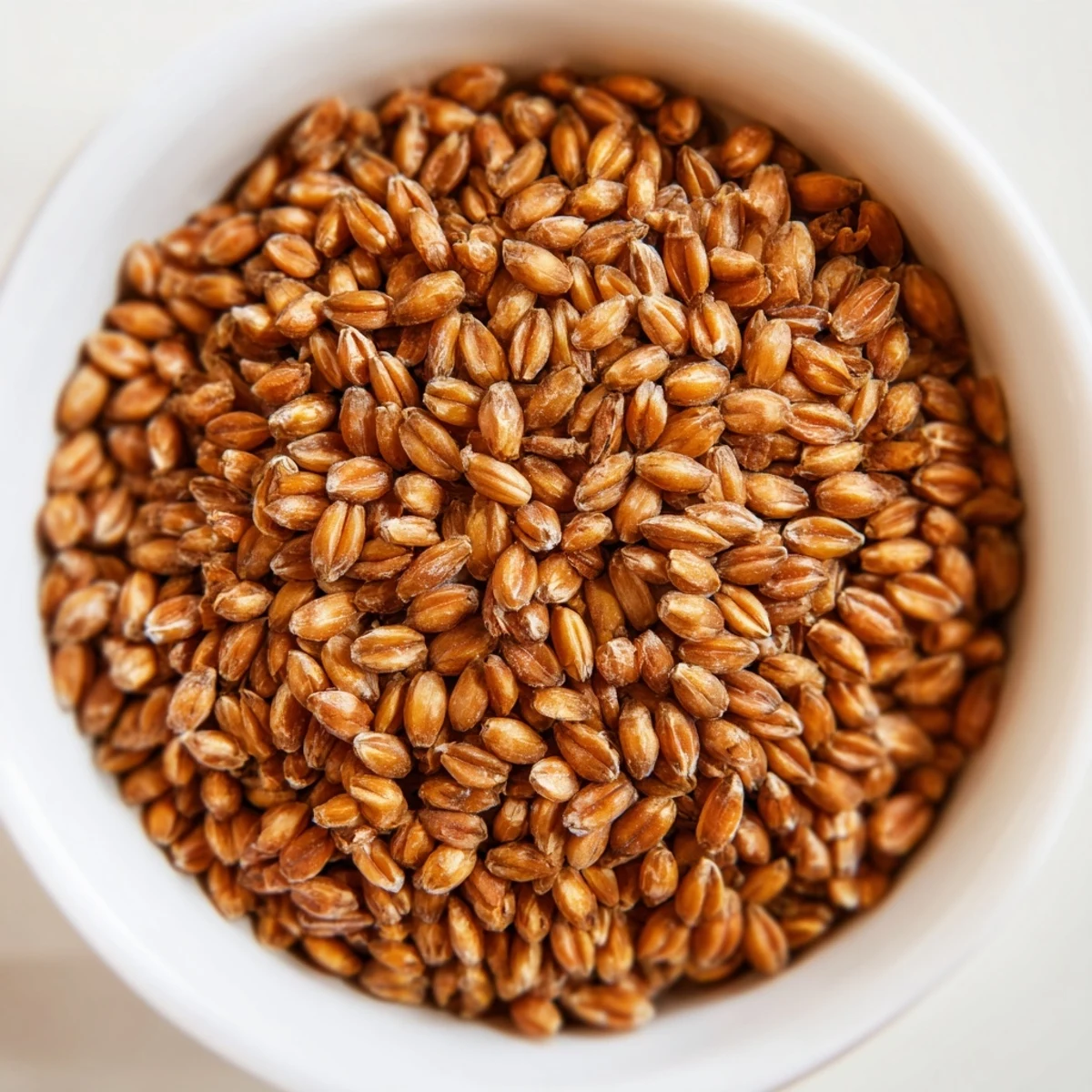
Save Barley grains toasted until golden brown develop a warm, nutty aroma and crunchy texture. This simple process enhances barley's natural flavor, making it a versatile addition to beverages like barley tea, baked goods, or as a topping for salads. Toast in an oven at 375°F for 15–20 minutes, stirring halfway through to ensure even roasting. Cooling before storing preserves freshness. Adjust roasting duration to control flavor intensity.
The first time I truly understood what roasted barley could do was on a quiet morning when my grandmother handed me a steaming cup of mugicha, its golden-brown liquid warming my hands while the kitchen filled with an aroma that somehow felt both comforting and unfamiliar. She'd roasted the barley herself the day before, filling the entire house with that distinctive nutty scent that made me curious before I even tasted it. That simple gesture—taking raw grains and transforming them through heat into something deeply aromatic—stayed with me. Now, whenever I roast barley, I'm transported back to her kitchen, and I find myself creating that same moment for others.
I remember making a batch of roasted barley for a friend who'd mentioned never having real mugicha before, and watching their face light up when they took that first sip was worth every minute. The kitchen had been quiet until that moment—just the hum of the cooling barley and the clink of ice cubes—but their reaction made it feel like a celebration. That's when I realized this simple ingredient deserved more attention, more respect, and definitely more kitchen time.
Ingredients
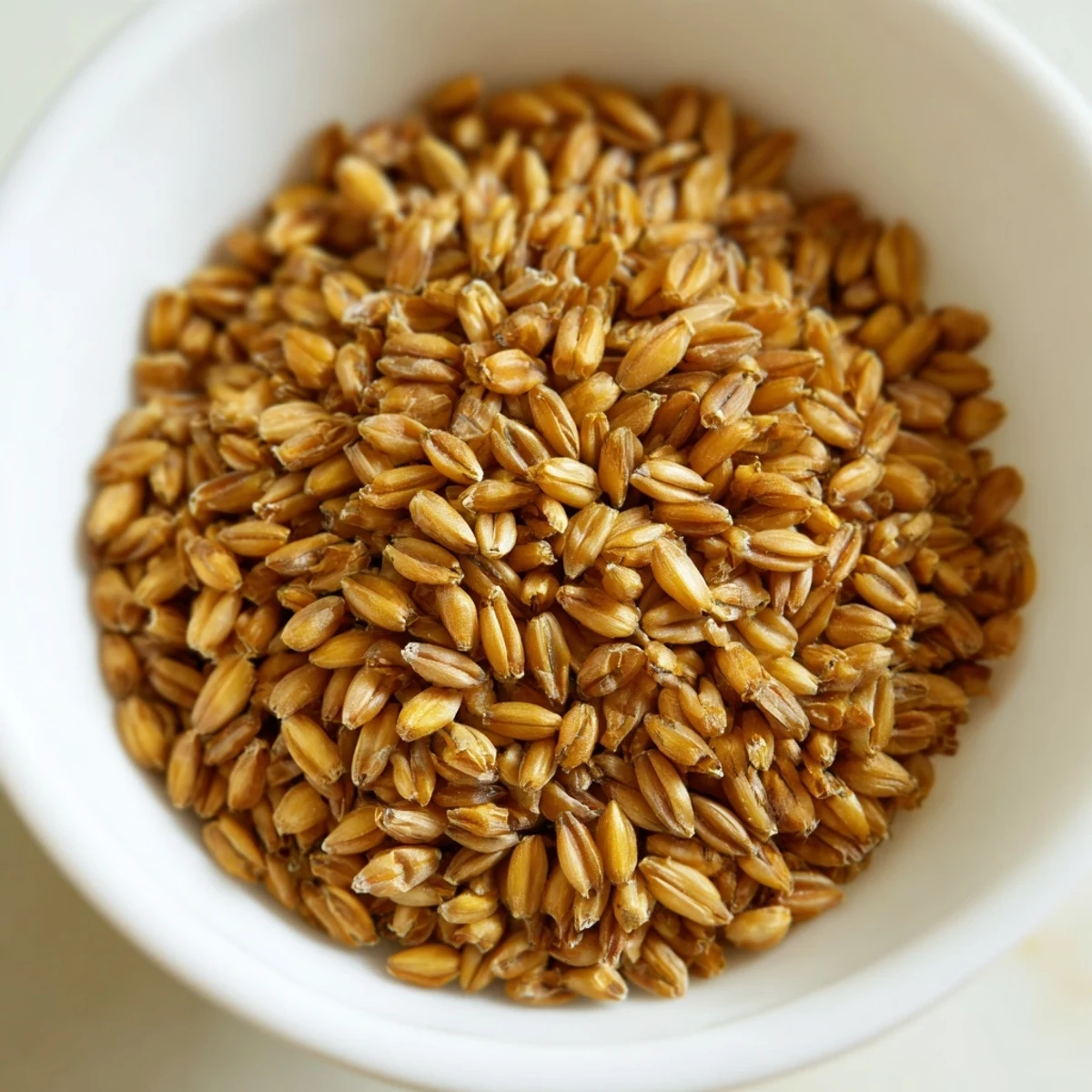
- Whole barley (hulled or pearl): Use hulled barley if you want more nutrition and fiber, or pearl barley for a slightly milder flavor and faster roasting—either one transforms beautifully when heat brings out those deep, complex notes.
Instructions
- Set your oven to the right temperature:
- Preheat to 375°F (190°C) so the heat is steady and even when your barley goes in.
- Rinse and dry with intention:
- Run cold water over the barley, drain it well, then spread it on a clean kitchen towel and pat it dry—this step matters because moisture slows browning and can create uneven roasting.
- Arrange for even heat:
- Line a baking sheet with parchment paper and spread the barley in a single layer, making sure no grains are piled on top of each other.
- Roast and watch for the transformation:
- Place in the oven for 15–20 minutes, stirring halfway through so every grain gets its turn near the heat—you'll know it's ready when the grains turn golden brown and that incredible nutty aroma fills your kitchen.
- Cool before storing:
- Let it cool completely on the baking sheet or a clean surface, then transfer to an airtight container where it'll keep for weeks.
 Save
Save There's a moment during roasting when the barley stops smelling like grain and starts smelling like possibility—like it's becoming something entirely new. That's when I know I've got a batch worth keeping.
Ways to Use Your Roasted Barley
Once you've got roasted barley on hand, the uses multiply in ways you might not expect. Brew it as tea by steeping the grains in hot water for a drink that's warming and mildly sweet with no caffeine to keep you awake. Toss a handful into bread doughs for a subtle nutty undertone and interesting texture, or scatter it over salads and grain bowls where it adds both crunch and flavor that feels special without being obvious.
Stovetop Alternative
If your oven is already full or you're the type who prefers to keep an eye on things, roasting barley in a dry skillet over medium heat works just as well—it just requires more attention and constant stirring. The benefit is that you're right there with the grain the entire time, watching the color deepen and smelling each stage of the transformation, which some people find more satisfying than the passive oven method.
Customizing Your Roast
The roasting time is your control knob for flavor intensity, and learning to adjust it is what separates a good batch from one that feels uniquely yours. A shorter roast, closer to 15 minutes, gives you a gentler, milder barley—still nutty but with restraint. Push it toward 20 minutes and you'll unlock deeper, more complex flavors that can almost taste chocolatey in the way they deepen your tea or bread.
- Start checking around the 12-minute mark so you catch the exact moment of golden-brown perfection before it tips toward too dark.
- If roasting on the stovetop, medium heat is your friend—high heat can scorch the bottom grains while the top ones lag behind.
- Cool completely before tasting to get an accurate sense of the final flavor, since warm grains taste slightly different than cooled ones.
 Save
Save Roasted barley is proof that sometimes the most meaningful kitchen moments come from the simplest ingredients and the smallest acts of attention. Keep a jar of it nearby, and you'll find yourself reaching for it more often than you'd expect.
Recipe FAQs
- → What is the best way to roast barley for a nutty flavor?
-
Spread rinsed and dried barley grains evenly on a parchment-lined baking sheet. Roast in a preheated oven at 375°F for 15–20 minutes, stirring once to ensure even toasting and enhance nutty aromas.
- → Can barley be toasted on the stovetop instead of the oven?
-
Yes, toast barley in a dry skillet over medium heat, stirring constantly until grains turn golden brown and release a nutty aroma. This method offers more control over roasting intensity.
- → How should roasted barley be stored to maintain freshness?
-
Allow roasted barley to cool completely, then store it in an airtight container away from moisture and heat to preserve its crunch and flavor.
- → What culinary uses are there for roasted barley grains?
-
Roasted barley can be brewed into barley tea (mugicha), added to bread dough for texture, or sprinkled on salads for a crunchy topping.
- → Is it necessary to rinse barley before roasting?
-
Yes, rinsing barley removes dust and impurities. After rinsing, dry the grains thoroughly to ensure even roasting and prevent steaming.