
 Save
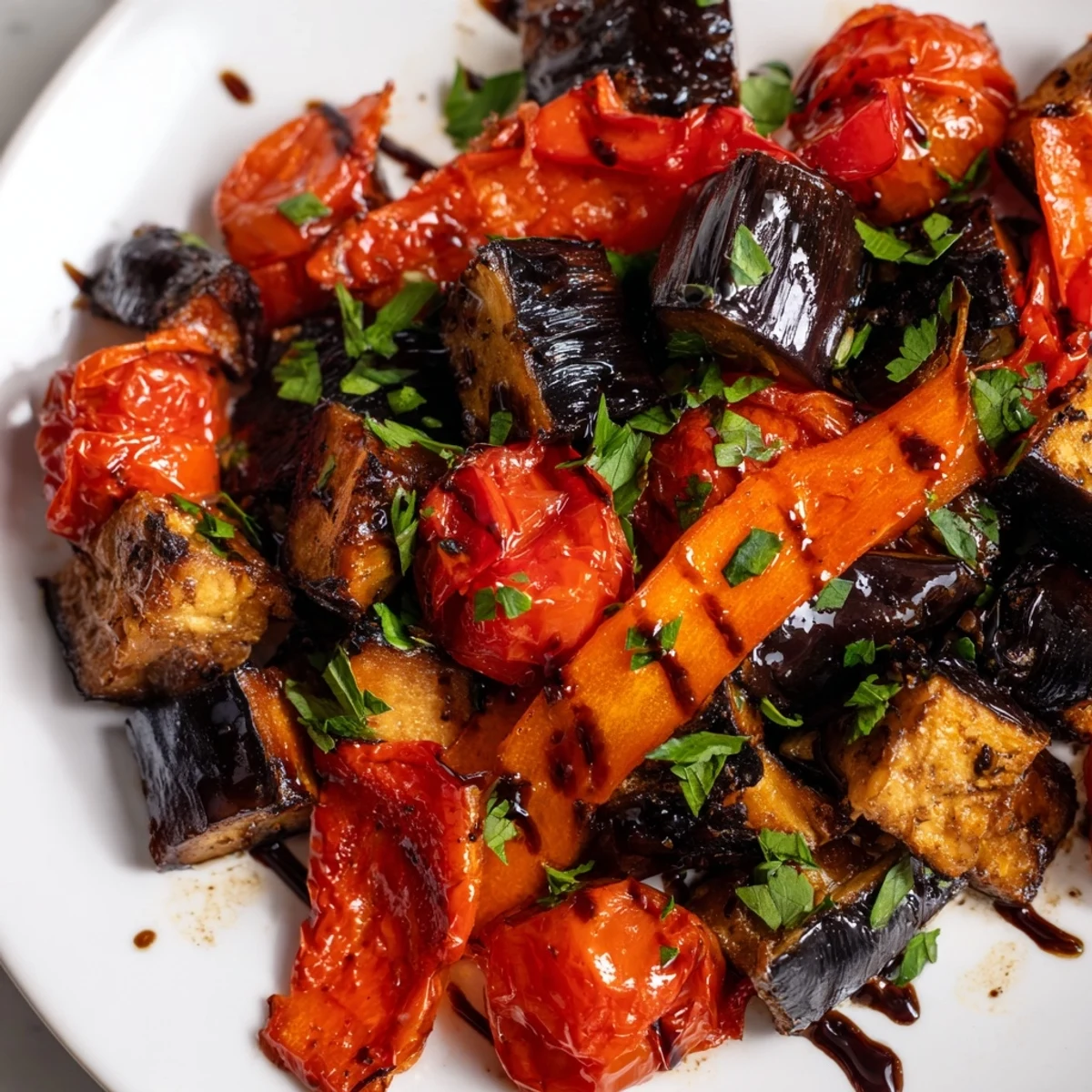
Save Create a vibrant medley of seasonal vegetables by roasting bell peppers, zucchini, eggplant, cherry tomatoes, carrots, and red onion at 220°C until caramelized and lightly charred. Toss vegetables with olive oil, sea salt, black pepper, smoked paprika, thyme, and oregano before spreading on a baking sheet. Roast for 30-35 minutes, turning halfway through for even cooking. Finish with fresh parsley and balsamic glaze for depth of flavor. This versatile side serves four and works beautifully alongside grilled proteins, pasta, or grain bowls.
The first time I made roasted charred vegetables, it was out of desperation when I had too much produce about to spoil. The oven transformed those forgotten vegetables into something so deeply flavorful that I actually called my sister mid-bite. The kitchen filled with a sweet, smoky aroma that seemed impossible from such simple ingredients.
Last autumn, I brought this colorful platter to a potluck dinner where the host had carefully planned an elaborate menu. Everyone kept returning to these simple vegetables, asking what special ingredient I had used. I just smiled and said it was all about the char, watching with quiet satisfaction as the platter emptied before the fancy main course.
Ingredients
- Bell peppers: The red and yellow varieties add sweetness and vivid color, and I learned they char beautifully if you resist stirring them too often.
- Zucchini: Cut slightly thicker than you think you should since they shrink considerably while roasting.
- Red onion: These transform from sharp to candy-sweet when roasted, becoming my favorite component.
- Eggplant: The flavor sponge of the mix, absorbing all those wonderful seasonings while developing a meaty texture.
- Cherry tomatoes: Leave these whole so they burst in the oven, creating little pockets of tangy sauce throughout the dish.
- Carrot: The diagonal cut increases surface area for better caramelization and looks more elegant on the plate.
- Smoked paprika: This is my secret weapon that enhances the charred flavor even in less charred spots.
- Fresh herbs: I started adding these at the end after a happy accident when I knocked my herb plant onto the finished dish.
Instructions
- Prep with purpose:
- Heat your oven to a hot 425°F and line your baking sheet with parchment paper. The high heat is non-negotiable for achieving that perfect char.
- Season generously:
- In a large bowl, toss your rainbow of chopped vegetables with olive oil, salt, pepper, smoked paprika, thyme, and oregano. Take time to ensure every piece gets coated, using your hands if needed.
- Create breathing room:
- Spread everything in a single layer without overcrowding. If vegetables are too close, they'll steam rather than roast, and we want that caramelization.
- Roast with patience:
- Let them cook for 30-35 minutes, turning once halfway. Listen for that gentle sizzle that tells you transformation is happening.
- Finish with flair:
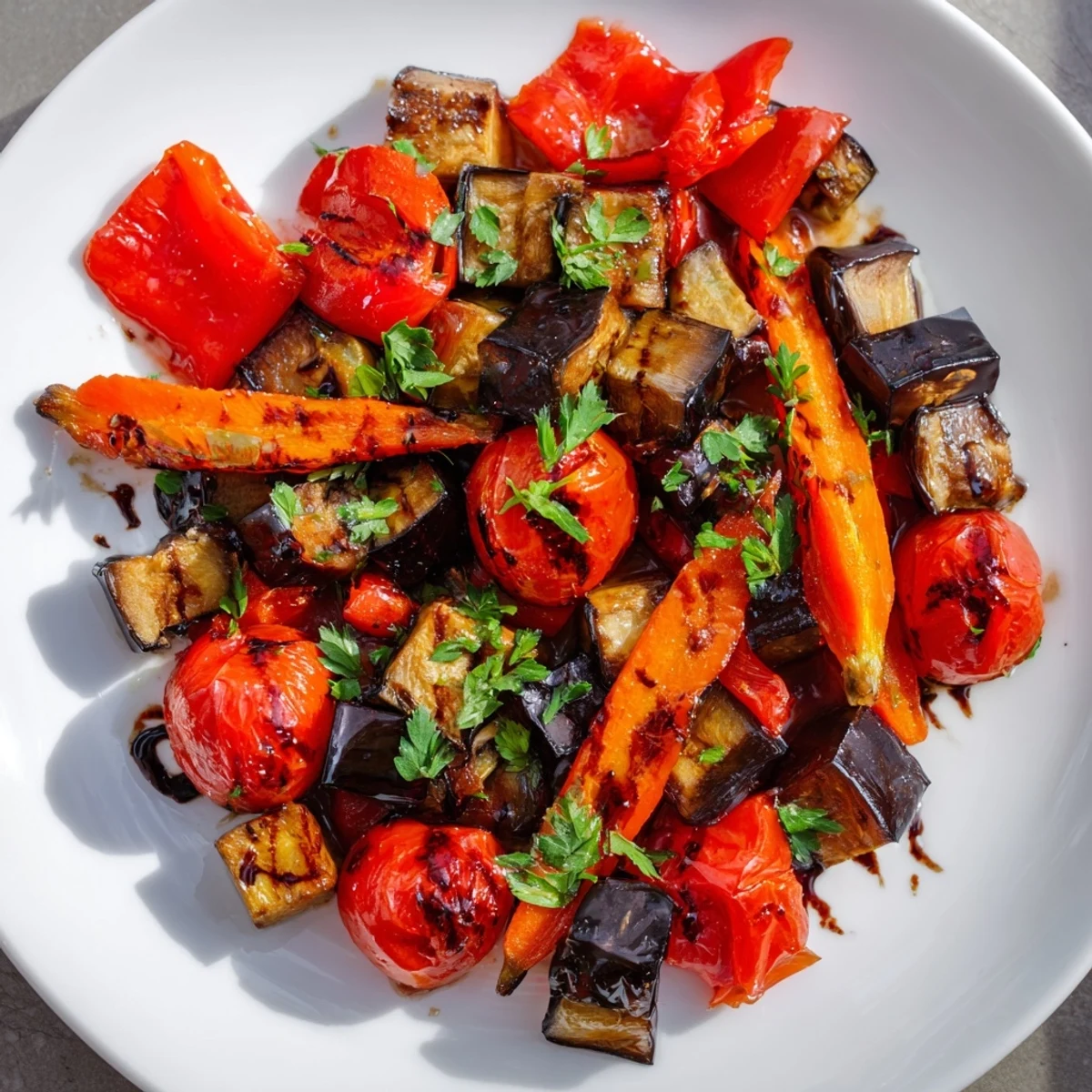
- Transfer to your serving dish, sprinkle with fresh parsley, and add that optional drizzle of balsamic glaze that somehow ties everything together. The contrast of the dark glaze against the colorful vegetables always makes me smile.
 Save
Save One evening during a power outage, I served these vegetables at room temperature alongside some cheese and bread. By candlelight, what started as a makeshift dinner turned into one of the most memorable meals with my husband, proving that sometimes the simplest foods create the strongest connections.
Seasonal Variations
Summer brings the gift of corn cut into rounds and pattypan squash that char beautifully, while autumn calls for butternut squash and brussels sprouts that develop nutty undertones. Winter root vegetables like parsnips and turnips bring unexpected sweetness when their edges blacken, and spring asparagus needs barely any time to develop those perfect grill marks.
Serving Suggestions
These vegetables have rescued countless meals in my kitchen, transforming from side dish to main event. They become an instant pasta primavera when tossed with penne and a splash of olive oil, elevate a simple grain bowl with their complex flavors, or make a perfect bed for a piece of grilled fish or chicken.
Storage and Leftovers
The charred vegetables actually develop deeper flavors overnight in the refrigerator, which I discovered after midnight snacking directly from the container. These leftovers shine in frittatas, folded into omelets, or stuffed into sandwiches with a smear of hummus.
- Store in an airtight container in the refrigerator for up to 3 days.
- Reheat gently in a skillet rather than microwave to maintain texture.
- Serve cold in summer salads with a squeeze of lemon juice to brighten.
 Save
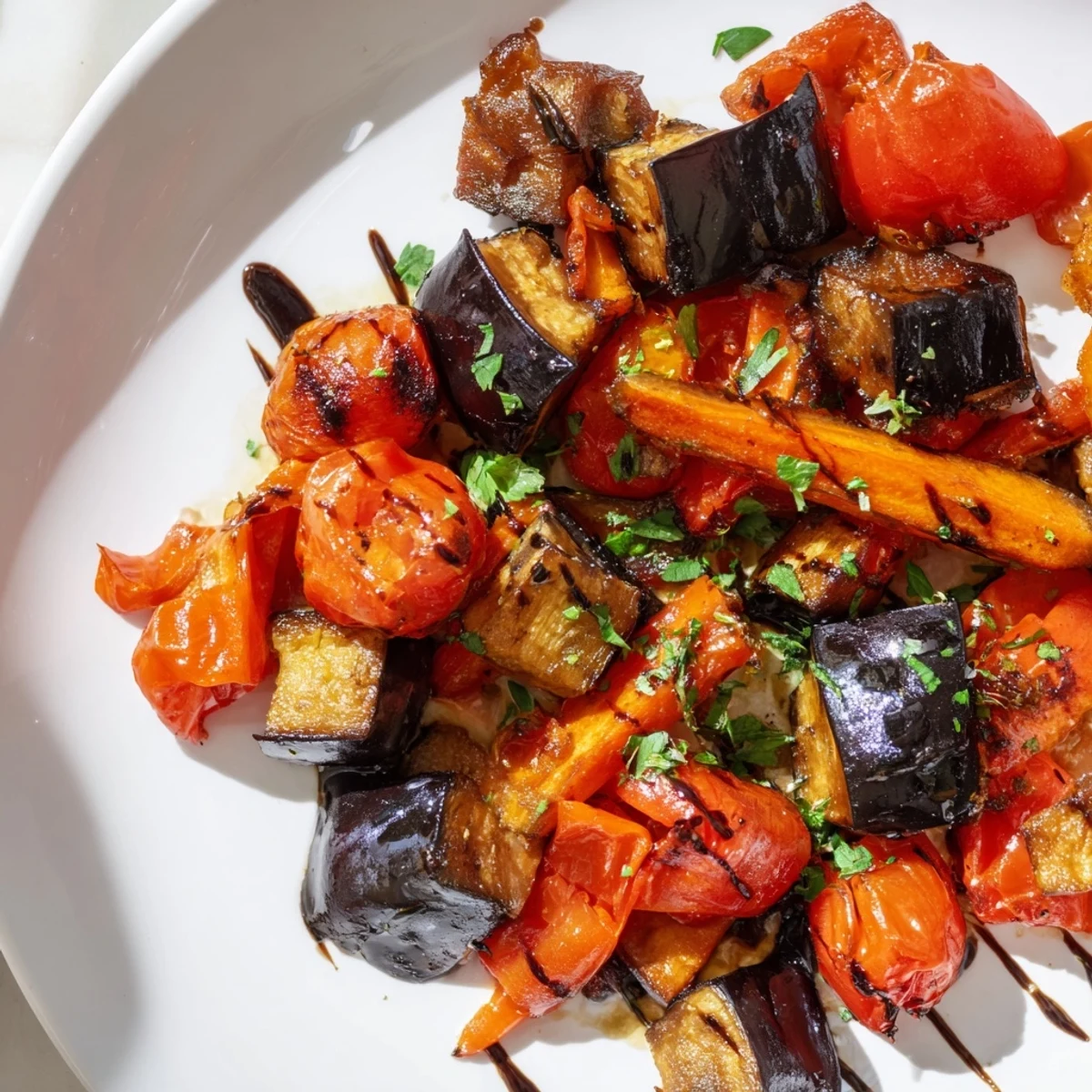
Save Every time I make these roasted vegetables, I find something new to appreciate about their simplicity and flavor. They remind me that cooking isnt always about complexity, but about respecting ingredients and understanding transformation.
Recipe FAQs
- → What temperature should vegetables be roasted at for proper charring?
-
Roast at 220°C (425°F) for optimal caramelization and charring. This high heat allows the vegetable surfaces to brown and develop deeper flavors while keeping the insides tender.
- → How can I prevent vegetables from overcrowding on the baking sheet?
-
Spread vegetables in a single layer without overlapping. Use a large baking sheet or divide between two sheets if needed. Overcrowding traps steam and prevents proper caramelization.
- → Can I substitute vegetables based on what's in season?
-
Yes, absolutely. Broccoli, cauliflower, sweet potatoes, bell peppers, mushrooms, and root vegetables all roast beautifully. Adjust cooking time if using harder vegetables like potatoes or turnips.
- → What does turning vegetables halfway through accomplish?
-
Turning ensures even browning and charring on all sides. It prevents one side from burning while the other remains pale, creating balanced caramelization and texture throughout.
- → How do I achieve more char without burning the vegetables?
-
After roasting, place vegetables under the broiler for 2-3 minutes, watching closely. The high direct heat intensifies charring quickly without overcooking the interior.
- → What's the best way to serve roasted charred vegetables?
-
Serve warm as a standalone side, toss with hot pasta, layer over grains, or pair with grilled proteins. They're equally delicious at room temperature in salads or grain bowls.