
 Save
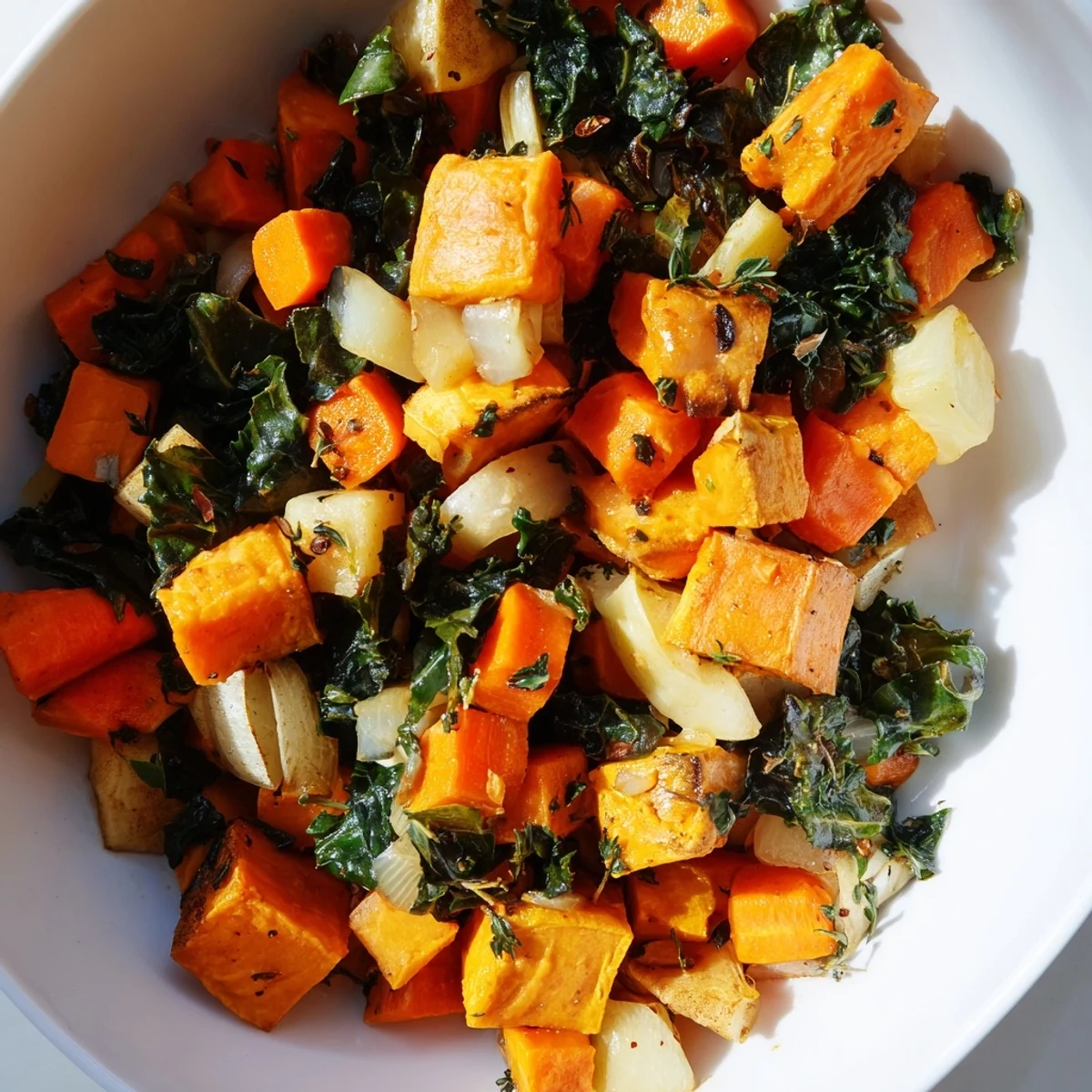
Save Roast carrots, parsnips, rutabaga, and sweet potato with thyme and garlic until tender. Sauté kale and Swiss chard until wilted. Whisk together apple cider vinegar, Dijon mustard, and honey for a tangy vinaigrette. Toss the warm roasted vegetables and greens together, drizzle with the dressing, and serve immediately for a nourishing meal.
There's something about November that makes me crave vegetables I normally overlook. I was standing in the farmers market one crisp morning, surrounded by towers of root vegetables still dusted with soil, when an older woman next to me started piling parsnips into her basket like they were treasure. That afternoon, I roasted them with carrots and sweet potatoes, and the kitchen filled with this warm, almost caramel-like smell that made everything feel intentional. That dish taught me that winter food doesn't have to be heavy—it can be bright and alive.
I made this for a dinner party on the coldest night of December, and my friend Sarah—who claims to hate anything leafy—went back for thirds. She kept saying it tasted like autumn and spring at the same time, which is exactly what I was trying to do. That moment made me realize this isn't just a side dish; it's a conversation starter.
Ingredients
- Carrots: Two medium ones, cut into chunky pieces so they caramelize properly without turning to mush. The edges brown and sweeten naturally, which is where all the flavor lives.
- Parsnip: One large one adds an earthy sweetness that deepens as it roasts. Don't skip this—it's the secret ingredient nobody expects.
- Rutabaga or turnip: One small one keeps everything grounded with a mild, slightly peppery bite. Either works beautifully depending on what your market has.
- Sweet potato: One medium piece adds a gentle sweetness and keeps the dish from feeling too austere. Cube it carefully so it cooks evenly with the other roots.
- Kale: Four cups with the stems removed and leaves chopped. Mature kale gets sweeter and less bitter when treated with olive oil and heat, which changes everything.
- Swiss chard: Two cups, same treatment as the kale. Its tender stems are actually delicious, so don't throw them away—chop them and add them to the pan first.
- Olive oil: Three tablespoons total, divided between roasting and sautéing. Quality matters here because there's nothing else to hide behind.
- Fresh thyme: One tablespoon of leaves, or one teaspoon dried. This herb ties the whole dish together with subtle earthiness.
- Garlic: Two cloves minced fine enough to distribute evenly. Burnt garlic tastes bitter, so watch it carefully in the skillet.
- Salt and black pepper: Season in layers as you go, not just at the end. Your finished dish will taste infinitely better.
- Apple cider vinegar: One tablespoon brings acidity that cuts through the richness of the roasted vegetables. Taste before you add more—a little goes a long way.
- Dijon mustard: One teaspoon adds depth and helps emulsify the dressing so it clings to the vegetables instead of pooling at the bottom.
- Honey or maple syrup: One teaspoon balances the sharpness of the vinegar and mustard with just a whisper of sweetness.
Instructions
- Set your oven up for success:
- Preheat to 400°F and line a baking sheet with parchment paper so nothing sticks and cleanup becomes effortless. An oven thermometer helps here—you'd be surprised how many ovens run cool.
- Build flavor on the root vegetables:
- In a large bowl, toss your carrots, parsnip, rutabaga, and sweet potato with two tablespoons of olive oil, the thyme, minced garlic, salt, and pepper. Make sure every piece is coated, because the oil is what helps them brown.
- Roast until golden:
- Spread everything in a single layer on your baking sheet and slide it into the oven for 25 to 30 minutes. Stir halfway through so they brown evenly on all sides—this is when the kitchen starts smelling incredible.
- Wilt the greens gently:
- While the roots roast, heat the remaining tablespoon of olive oil in a large skillet over medium heat. Add your kale and Swiss chard, stirring frequently for three to four minutes until they're tender but not mushy, then season lightly with salt and pepper.
- Make the vinaigrette:
- Whisk together the apple cider vinegar, Dijon mustard, and honey in a small bowl. Taste it—it should make your mouth water, sharp and balanced with a hint of sweetness.
- Bring it all together:
- Transfer the roasted roots and sautéed greens to a serving bowl and drizzle the vinaigrette over top. Toss gently so everything is evenly coated, then taste and adjust seasoning if needed before serving warm.
 Save
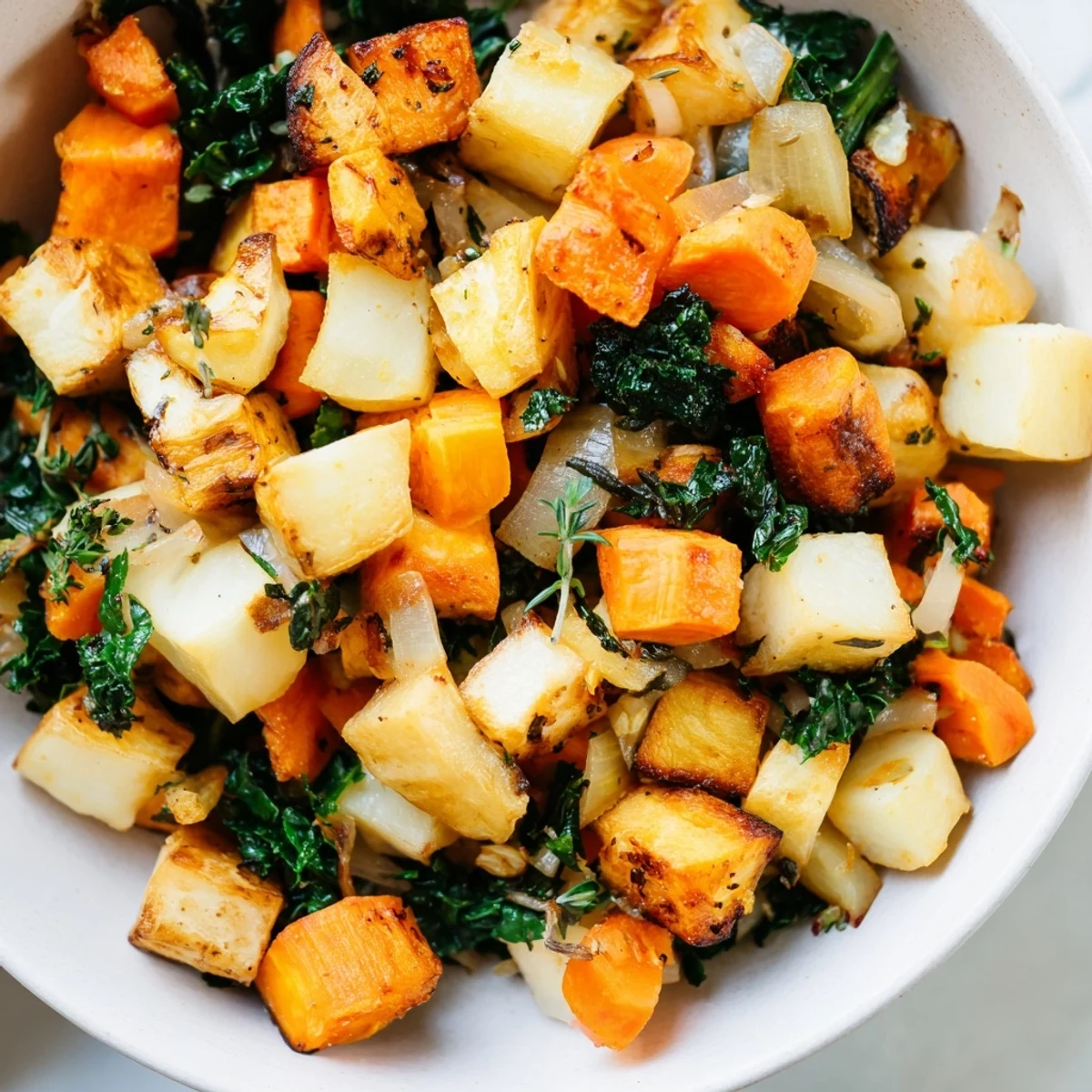
Save My neighbor asked for this recipe after I brought her a container following her surgery. She texted me weeks later saying she'd made it three times already, and suddenly I understood why grandmothers guard their recipes so carefully. Food like this becomes part of someone's story.
When to Make This
This dish shines from October through March when root vegetables are at their peak and fresh greens are actually exciting. The cold-weather vegetables taste sweeter and more substantial than their summer counterparts, and there's something psychologically comforting about eating something that grew in hard soil. Winter cooking doesn't have to feel limiting—this is proof that the season offers its own kind of generosity.
Variations That Work
Once you understand how this dish works, you can swap things around based on what you find at the market or what's lingering in your crisper drawer. Roasted beets add earthiness and deep color, collard greens work beautifully if kale feels too intense, and spinach is a gentler option if you're serving someone who's not into assertive greens. The backbone stays the same—roasted roots plus quick-sautéed greens plus bright vinaigrette—but the details become yours to shape.
- Toss in roasted beets for extra color and a deeper, earthier sweetness that pairs oddly well with the vinaigrette.
- Substitute collard greens or spinach if you want something milder, or use whatever greens look best at your market.
- This pairs beautifully with roasted chicken, lentil stew, or really any main that could use a vegetable ally on the plate.
Storage and Serving
This tastes best served warm the day you make it, but it keeps well in the refrigerator for three days—just store the components separately if you want the greens to stay bright and crisp. The vinaigrette can be made up to a week ahead, which means you're genuinely close to easy dinner on a busy weeknight. Reheat gently in a skillet if you want it warm again, or serve it at room temperature, which is actually lovely.
 Save
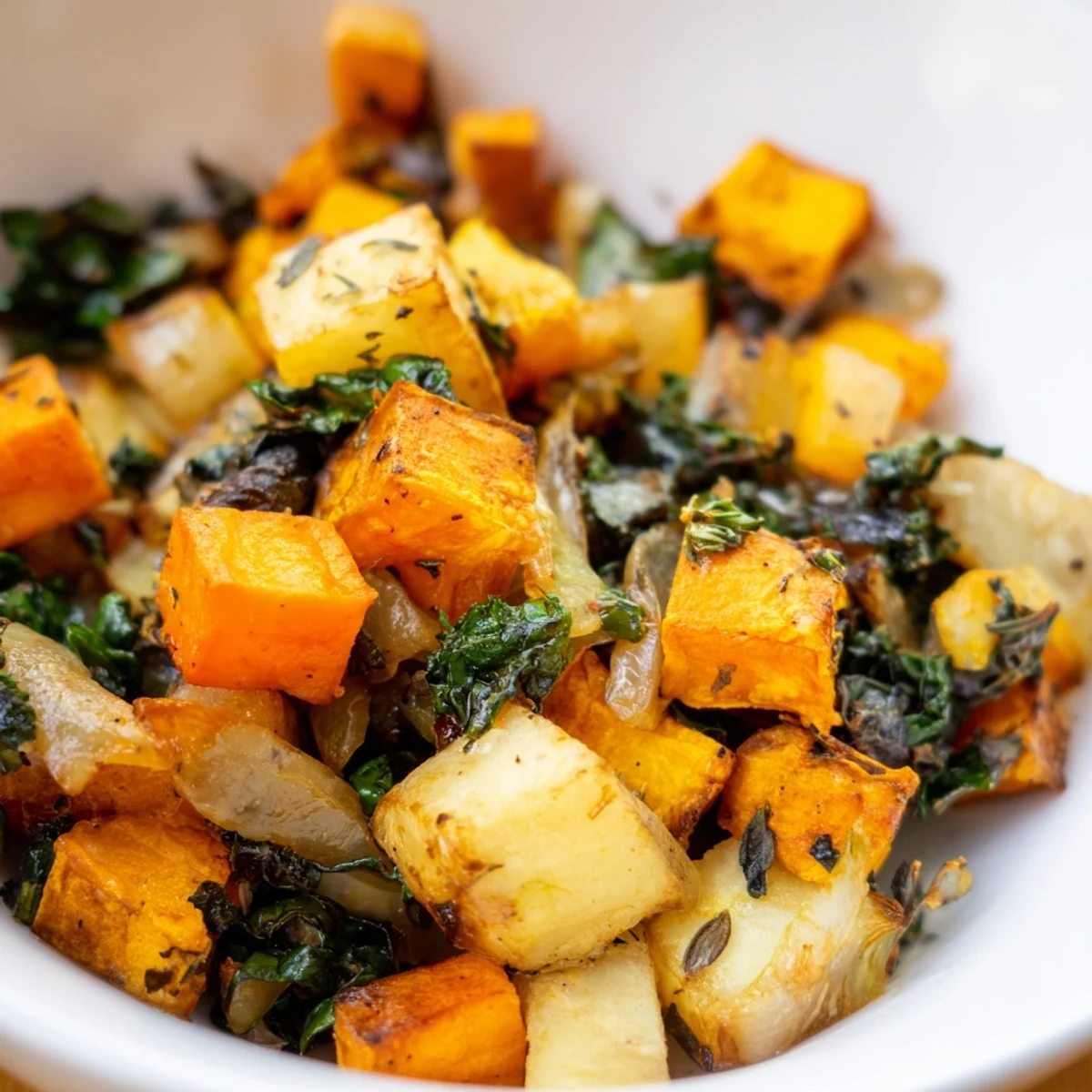
Save There's a quiet satisfaction in putting a plate down that looks like autumn and tastes like care. This dish does that every time.
Recipe FAQs
- → What other greens can I use?
-
Collard greens or spinach make excellent substitutes for the kale and Swiss chard if you prefer a different flavor profile.
- → Can I add beets to this?
-
Yes, roasted beets are a wonderful addition that adds vibrant color and extra sweetness to the dish.
- → Is this suitable for vegans?
-
Simply substitute maple syrup for the honey in the vinaigrette to make this dish entirely plant-based.
- → How should I store leftovers?
-
Store the cooled vegetables and greens in an airtight container in the refrigerator for up to three days.
- → What main dishes pair well?
-
This pairs beautifully with roasted chicken, pork tenderloin, or a hearty lentil stew for a complete meal.