
 Save
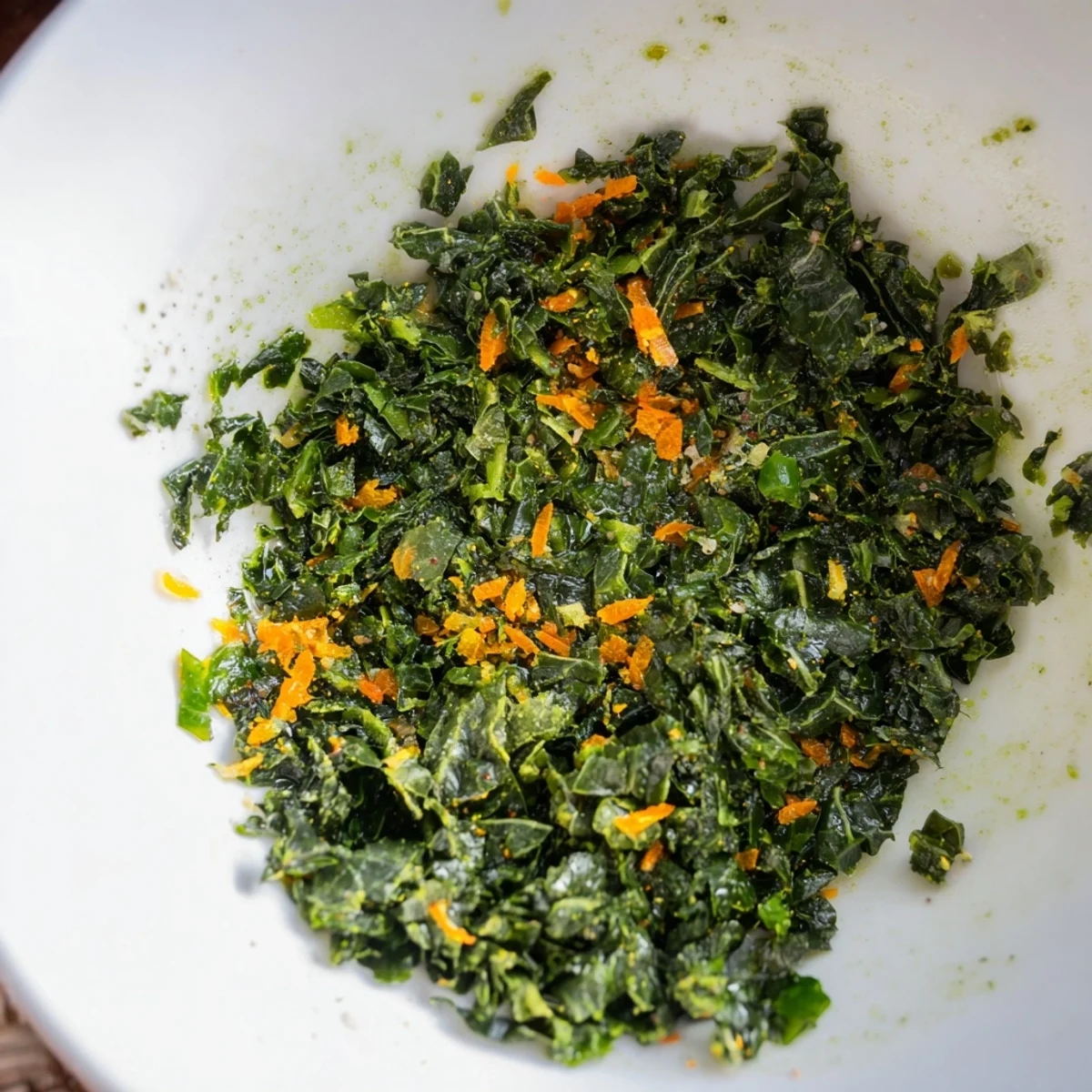
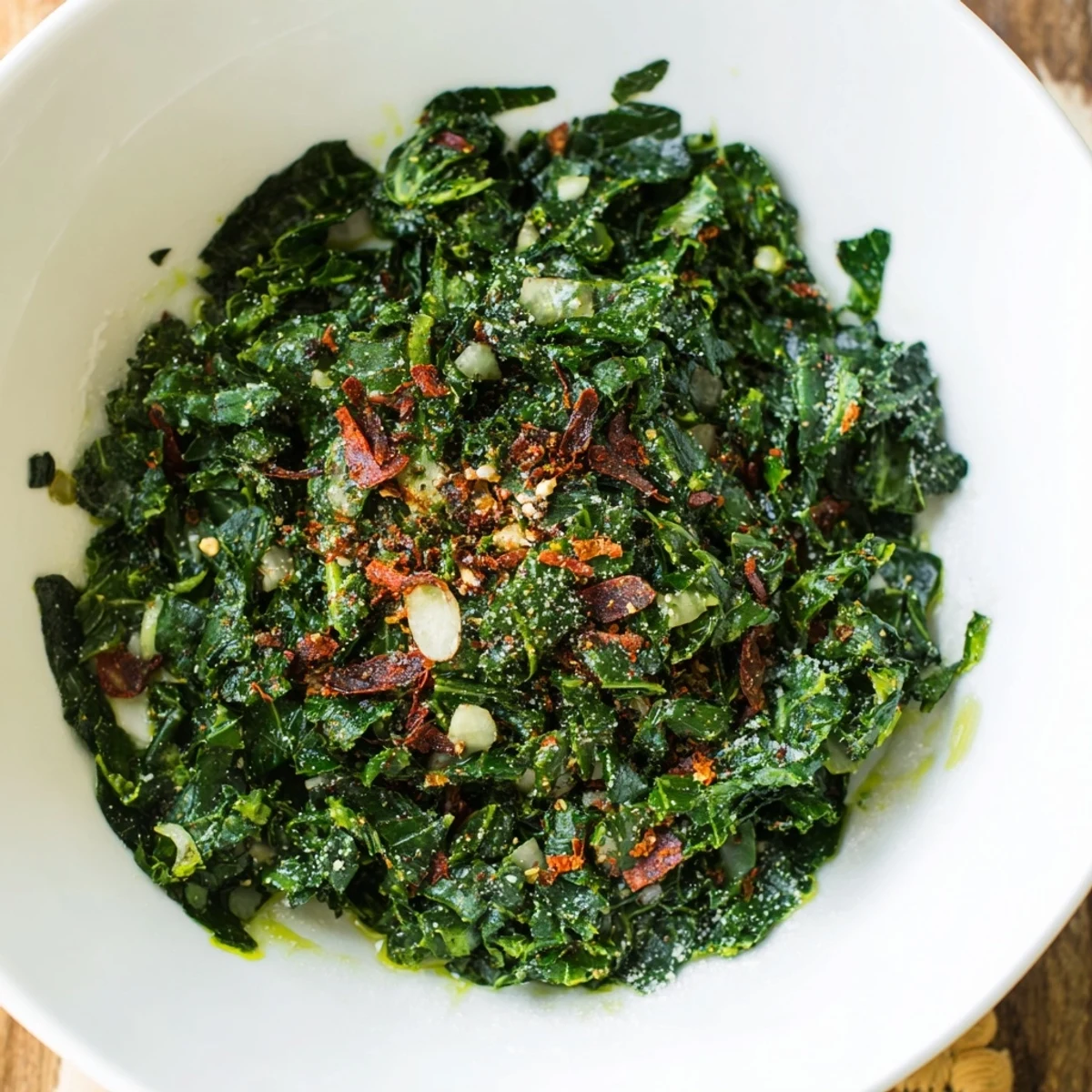
Save This dish features tender kale leaves sautéed gently with thinly sliced garlic in extra virgin olive oil. The cooking process softens the kale while maintaining its vivid green color and nutrients. A splash of fresh lemon juice brightens the flavors, balanced by sea salt and black pepper. Optional crushed red pepper flakes add a mild heat. Ideal alongside roasted meats or as a wholesome plant-based side, this quick 20-minute preparation highlights simple ingredients for a nourishing addition to any meal.
There's something about the way kale transforms in a hot skillet that still catches me off guard—those rigid, curly leaves suddenly becoming tender and almost silky, releasing their earthy sweetness. I stumbled onto this version years ago when I was trying to figure out how to actually enjoy kale instead of forcing myself through it like a chore. The secret was simpler than I expected: patience, good olive oil, and garlic that stays golden instead of burnt.
I made this for a dinner party once where someone mentioned they were tired of sad salads, and I threw this together on the side. By the end of the night, someone asked for the recipe before asking about the main dish—which felt like a small victory for a bunch of greens that usually gets overlooked.
Ingredients
- Kale: A large bunch with stems removed and leaves chopped—the stems are tough and woody, so don't bother with them, and rough chopping lets the pieces cook unevenly in the best way, creating some crispy edges.
- Garlic: Two cloves thinly sliced so they soften into the oil instead of staying hard little pebbles.
- Extra-virgin olive oil: Two tablespoons is your fat base and flavoring—don't skimp here because it's doing all the heavy lifting.
- Sea salt and black pepper: Season to taste because every bunch of kale has a slightly different mineral intensity.
- Lemon juice: A tablespoon of fresh squeezed brightens everything and cuts through the earthiness so nothing feels heavy.
- Red pepper flakes: Optional but they add a whisper of heat that makes people wonder what the secret ingredient is.
Instructions
- Prepare Your Kale:
- Wash it thoroughly and dry it completely—wet kale steams instead of sautéing and you lose all that beautiful texture. Remove those tough woody stems and chop the leaves into bite-sized pieces that are manageable to eat.
- Start the Garlic:
- Heat olive oil in a large skillet over medium heat, then add sliced garlic and listen for it to start sizzling gently. Watch it like a hawk for about a minute because the line between fragrant and burnt is about thirty seconds.
- Add the Kale Gradually:
- Don't dump all the kale in at once or you'll have a panicked moment trying to stir a mountain of leaves. Add it in batches, letting each addition wilt down before adding more, and stir occasionally for five to six minutes until it's tender and still that vibrant green color.
- Season and Finish:
- Sprinkle with salt and pepper, then drizzle with lemon juice and toss everything together so the brightness hits every bite. If you want heat, dust with red pepper flakes now and serve immediately while it's still warm.
 Save
Save This became one of those sides I started making reflexively whenever someone was coming over, and people started requesting it specifically. It proved to me that simple food done well is always more memorable than complicated food done carelessly.
Why This Works as a Side Dish
Kale has this earthy, almost mineral quality that plays beautifully with roasted meats—it grounds the plate instead of competing for attention. The lemon brightness cuts through richness, and the simplicity means you're not juggling flavors while you're managing a whole dinner. It's also one of those vegetables that actually improves the more you let it sit and cool slightly, so you can make it before your main course finishes.
Making It Your Own
The base recipe is perfect as-is, but I've discovered a few directions that feel natural depending on what I'm serving it with. A pinch of smoked paprika adds a faint sweet smokiness that's especially good with grilled fish, or you can add a splash of vegetable broth in the last minute of cooking to keep things juicier. If you want texture contrast, toasted nuts scattered on top or even nutritional yeast for a cheese-like note work without overwhelming the kale's flavor.
Storage and Serving Ideas
This keeps in the fridge for three days in an airtight container, though it's honestly best eaten fresh and warm. Cold leftovers can be stirred into grain bowls the next day where they act as a salty, tangy element that holds everything together.
- Crumble it into pasta for an unexpected earthy note that makes simple dishes feel intentional.
- Layer it in a grain bowl with something creamy to balance the kale's slight bitterness.
- Serve it at room temperature as part of a vegetable spread if you're meal prepping and want something that stands on its own.
 Save
Save This is one of those recipes that proved to me that the most satisfying food doesn't need to be complicated—just intentional. Keep this in your rotation and it'll become the side dish people actually eat.
Recipe FAQs
- → How do you avoid overcooking kale in this dish?
-
Cook the kale just until wilted and tender, about 5-6 minutes, stirring occasionally to keep even heat. Avoid browning the garlic to maintain a fresh flavor.
- → Can I use other types of kale?
-
Yes, curly, dinosaur, or baby kale work well. Adjust cooking time slightly for tougher varieties to ensure tenderness.
- → What enhances the flavor of sautéed kale?
-
Fresh garlic, a good quality olive oil, sea salt, and a finishing squeeze of lemon juice provide bright, balanced tones that complement the greens.
- → Are crushed red pepper flakes necessary?
-
No, they are optional but add a pleasant mild heat that can elevate the dish’s flavor profile.
- → What are suggested additions for variety?
-
Try adding a pinch of smoked paprika, toasted nuts, or a sprinkle of nutritional yeast to introduce new layers of flavor.