
 Save
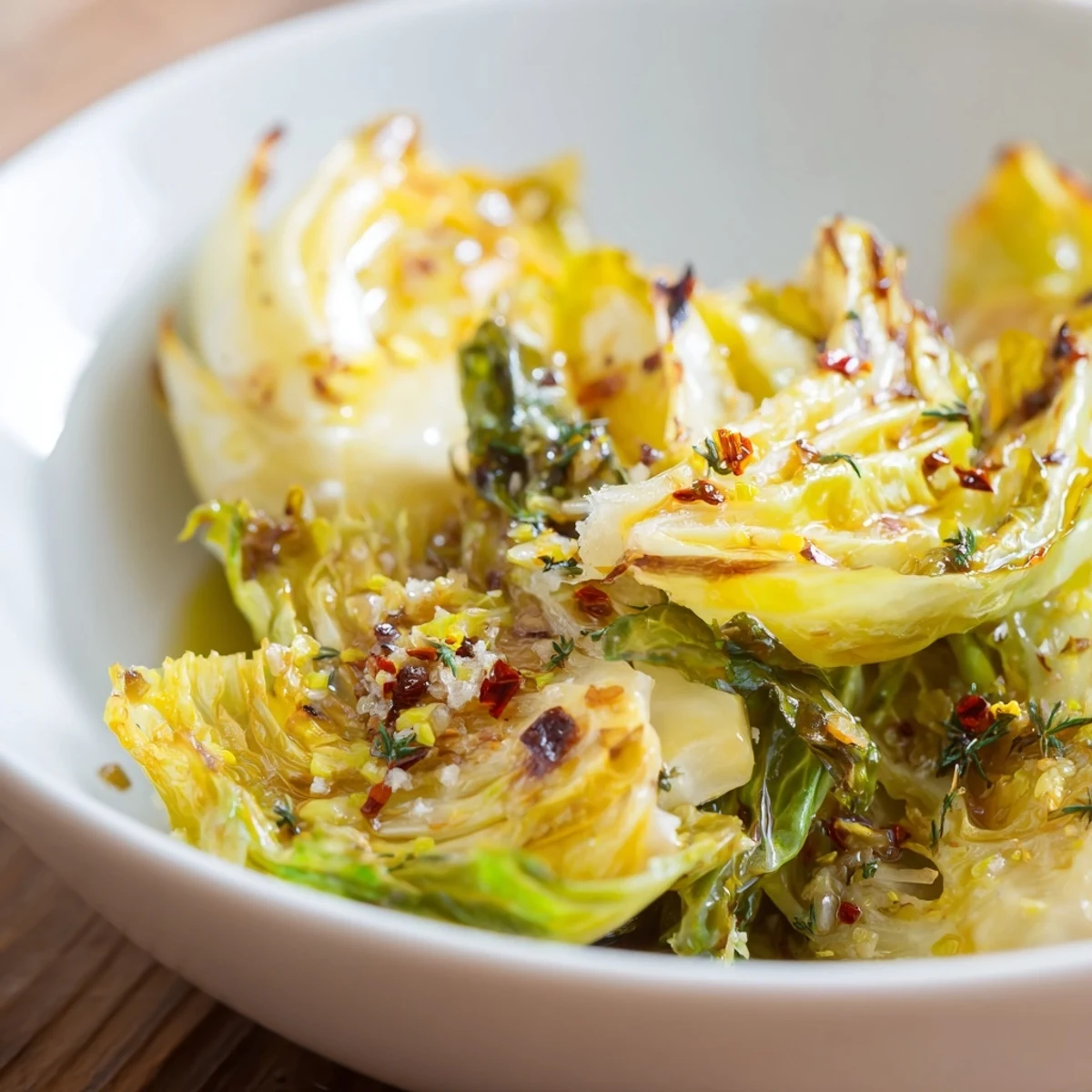
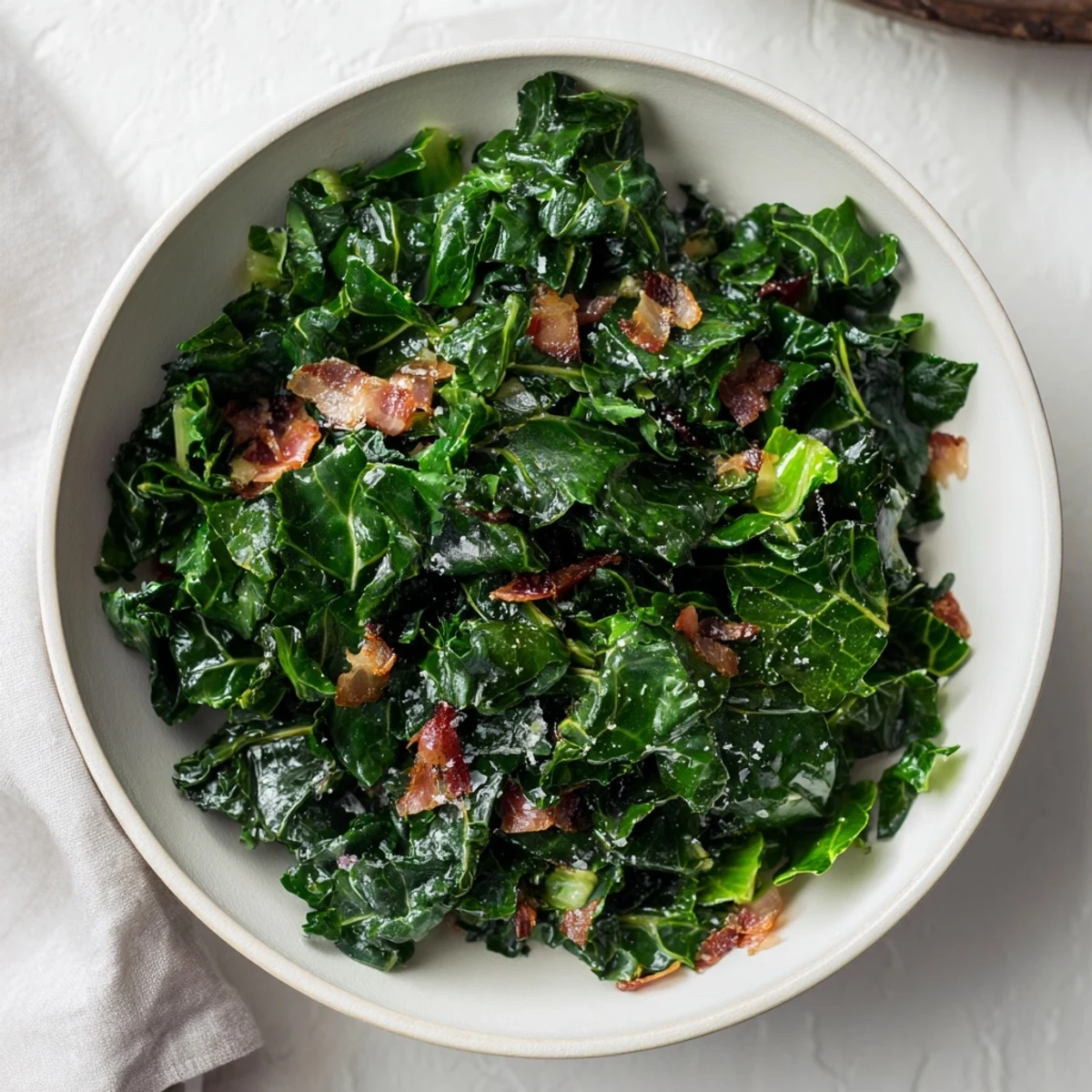
Save This vibrant kale side features tender leaves sautéed gently with garlic in extra-virgin olive oil. The kale retains a bright green hue and a pleasant softness after several minutes of cooking. A finishing touch of fresh lemon juice adds a subtle brightness and balances the rich oiliness. Seasoned simply with salt, pepper, and optionally a sprinkle of red pepper flakes, this dish complements roasted meats or can star as a wholesome vegan addition. Quick to prepare, it offers a nutrient-packed burst of flavor perfect for any meal.
There's a Tuesday morning I think about often—the kind where I stood at the farmers market, drawn to a bunch of kale so vibrant it almost glowed green under the sun. I'd seen kale everywhere by then, trendy and ubiquitous, but something about the texture of those leaves made me want to actually cook it instead of turning it into juice. That afternoon, I sautéed it with nothing but garlic, olive oil, and lemon, and the moment that smell hit my kitchen, I realized I'd been doing it wrong all those years. It wasn't the ingredient that was the problem—it was how I'd been treating it.
My partner came home while I was finishing this dish, and the first thing they did was steal a handful of kale straight from the pan—no plate, no judgment, just pure instinct. That's when I knew this recipe had crossed from "side dish" into "something people will eat standing at the counter." We ended up sharing the whole batch that night, sitting on the kitchen counter with our feet dangling, talking about nothing important.
Ingredients
- Kale, 1 large bunch (about 250 g): The thick stems are bitter and tough, so remove them without hesitation—your future bites will thank you.
- Garlic, 2 cloves thinly sliced: Thin slices cook faster and distribute their flavor evenly, unlike chunks that turn harsh.
- Extra-virgin olive oil, 2 tbsp: This is where flavor lives; cheap oil means your kale tastes like regret.
- Sea salt, 1/2 tsp: Layer it in rather than adding it all at once—you'll taste the difference.
- Freshly ground black pepper, 1/4 tsp: Pre-ground pepper has lost its personality; this takes two minutes and transforms everything.
- Lemon juice, 1 tbsp freshly squeezed: The acid wakes up kale's earthiness and makes it taste alive instead of dense.
- Crushed red pepper flakes, 1/4 tsp optional: Just enough to whisper heat at the end, never scream.
Instructions
- Wash and prep the kale:
- Rinse it thoroughly under cold water and dry it completely using a salad spinner or kitchen towel—moisture is the enemy of that tender, slightly crispy texture you're after. Once it's dry, remove those tough stems by folding the leaf and slicing them away, then chop the leaves into bite-sized pieces that fit comfortably on your fork.
- Wake up the garlic:
- Pour the olive oil into a large skillet over medium heat and let it shimmer for a moment, then add your sliced garlic and listen for that gentle sizzle. Stir it constantly for about a minute until it smells absolutely incredible but before it turns golden—the moment it begins to brown, pull the pan slightly off the heat to stop the cooking.
- Wilt the kale in batches:
- Add a big handful of chopped kale to the pan and stir it around for a minute or so until it darkens and collapses, then add more. Keep doing this until all your kale has made its way into the pan and begun its transformation from rigid to tender, which takes about 5–6 minutes of gentle, occasional stirring.
- Season and finish:
- Sprinkle salt and pepper across the pan, toss everything together, then squeeze fresh lemon juice over the top and toss again until every piece glistens. Taste it, adjust the seasoning if needed, then if you want a subtle kick of heat, scatter a pinch of red pepper flakes across the top.
 Save
Save There's something about feeding people food that tastes simple but costs very little that changes how they see you. After years of complicated recipes that demanded attention and technique, I realized that three perfect ingredients—kale, garlic, oil—could do something no elaborate dish ever managed. They made people slow down and taste the actual food instead of the story I'd told myself about cooking.
Why This Works Every Time
Kale has a reputation for being bitter and impossible, but that's only true if you don't respect how it wants to be cooked. High heat makes it bitter and angry; medium heat with patient stirring lets it relax into something sweet and nutty. The garlic provides a delicate warmth, the oil makes everything smooth and silky, and the lemon acid is what brings all three elements into focus.
The Simplicity Trap
I used to overthink this dish—adding vegetable broth, smoked paprika, even nutritional yeast—because three ingredients felt too easy to be legitimate. Then I realized that simplicity isn't laziness; it's confidence. You don't need to dress this up unless you genuinely want to, and honestly, it doesn't ask for much. The kale already knows how to shine if you just give it the right conditions.
How to Serve It
I've eaten this alongside roasted chicken and felt completely satisfied; I've stirred it into pasta right before serving and watched people reach for seconds; I've used it as a base for grain bowls and added eggs, nuts, or cheese on top. It's the kind of side dish that refuses to stay modest—it quietly becomes the best part of the meal. Whatever you pair it with, serve it warm and use it quickly; leftover kale toughens up and loses its charm.
- Try topping with toasted nuts, seeds, or a light sprinkle of parmesan for unexpected texture.
- Stir it into warm grains or pasta just before plating so it stays vibrant and doesn't wilt further.
- Keep the lemon wedge nearby at the table so people can add more brightness if they want it.
 Save
Save Some dishes teach you something about cooking; others teach you something about being a person who cooks. This one did both. I learned that restraint is a kind of generosity, and that sometimes the best version of something is the plainest version, treated with respect.
Recipe FAQs
- → How do you prepare kale for sautéing?
-
Remove the tough stems and chop the leaves into bite-sized pieces after washing and drying them thoroughly. This ensures even cooking and a pleasant texture.
- → What is the best oil to use for sautéing kale?
-
Extra-virgin olive oil is ideal as it provides a rich and fruity base that complements the garlic and lemon flavors well.
- → How long should kale be sautéed to stay tender yet vibrant?
-
Cooking for about 5 to 6 minutes over medium heat, stirring occasionally, lets the kale wilt without losing its bright green color or becoming mushy.
- → Can I add extra flavors to the kale while cooking?
-
Yes, adding a pinch of smoked paprika or a splash of vegetable broth during sautéing enhances depth, while toasted nuts or nutritional yeast offer a contrasting texture or cheesy note.
- → What is the purpose of adding lemon juice at the end?
-
Lemon juice adds a fresh, tangy brightness that balances the richness of the olive oil and deepens the overall flavor profile.
- → Is this kale preparation suitable for vegan and gluten-free diets?
-
Yes, this side features plant-based ingredients and contains no gluten, making it suitable for vegan and gluten-free diets.