 Save
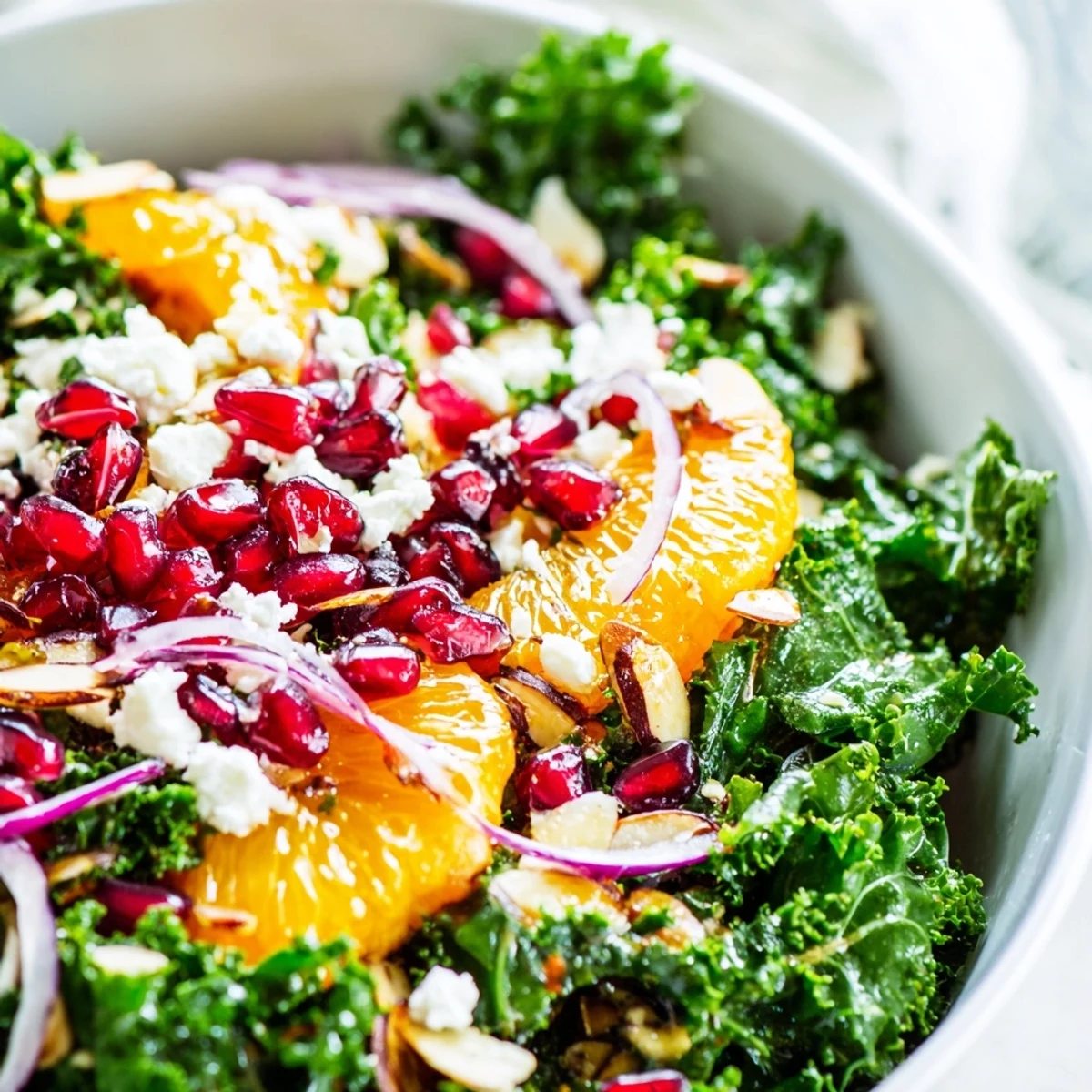
Save This vibrant bowl brings together tender massaged kale, sweet orange segments, and crunchy toasted almonds for a refreshing and satisfying meal. The homemade citrus dressing, bright with fresh orange and lemon juice, ties everything together with a zesty finish that complements the earthy greens perfectly.
Ready in just 15 minutes with no cooking required, this bowl is ideal for busy weekdays or light entertaining. The kale massage technique transforms the curly leaves from tough to silky, while the toasted almonds add satisfying crunch in every bite.
Customize this versatile bowl with your favorite toppings—feta adds creaminess, pomegranate seeds bring festive color, or add protein like grilled chicken for a heartier meal. Perfect for meal prep, the dressed salad holds up beautifully for hours without wilting.
The farmers market had a mountain of dark curly kale on a Saturday morning and I grabbed three massive bunches before I even knew what I was going to do with them. A woman next to me mentioned she shaves hers paper thin and tosses it with winter citrus, which sounded like the kind of simple genius you stumble into once in a while. That afternoon I sat at my kitchen counter peeling oranges while the radio played something forgettable, and by the time I tasted the first forkful I had already decided this would live in my permanent rotation. Something about raw kale meeting sweet orange and crunchy almonds just works in a way that feels effortless but special.
I brought a massive bowl of this to a potluck dinner last winter and watched three self proclaimed salad haters go back for seconds, which remains one of my proudest kitchen moments. My friend David stood in the kitchen eating it straight from the serving bowl before the host even finished setting the table.
Ingredients
- 6 cups curly kale, stems removed and finely shredded: Curly kale holds up beautifully to massaging and stays crisp longer than flat varieties, making it the best choice here.
- 2 large oranges, peeled and segmented: Use whatever citrus you have but navel oranges or blood oranges give the sweetest contrast against the earthy greens.
- 1/2 small red onion, thinly sliced: Soak the slices in ice water for five minutes if you find raw onion too sharp, it tames the bite perfectly.
- 1/3 cup sliced almonds, toasted: Toasting is nonnegotiable here, raw almonds simply do not deliver the same depth of flavor or crunch.
- 1/4 cup crumbled feta cheese: Optional but recommended, the salty tang ties everything together beautifully.
- 1/4 cup pomegranate seeds: Another optional garnish that adds jewel like color and little bursts of tartness.
- 1/4 cup freshly squeezed orange juice: Fresh juice makes a noticeable difference so please skip the bottled stuff.
- 2 tablespoons lemon juice: Balances the sweetness of the orange juice with a bright acidic edge.
- 1 teaspoon orange zest: Rub the zest into the honey before whisking to release the essential oils and amplify the citrus flavor.
- 1 teaspoon Dijon mustard: Acts as the emulsifier that keeps your dressing from separating, a small amount goes a long way.
- 1 teaspoon honey or maple syrup: Maple syrup works wonderfully if you want to keep this fully vegan.
- 1/4 cup extra virgin olive oil: Use a good quality oil here because the dressing is raw and the flavor shines through directly.
- Salt and freshly ground black pepper: Season the dressing aggressively since the kale can handle bold flavors.
Instructions
- Massage the kale:
- Place your shredded kale in a large bowl, drizzle with a teaspoon of olive oil and a generous pinch of salt, then work it with your hands for two to three minutes until the leaves soften and deepen in color. You will feel the texture change under your fingers, going from rigid and rough to supple and almost silky.
- Build the salad:
- Add the orange segments, sliced red onion, and toasted almonds to the massaged kale, tossing gently so the citrus does not break apart. Scatter feta and pomegranate seeds over the top if you are using them.
- Whisk the citrus dressing:
- In a small bowl or mason jar combine the orange juice, lemon juice, orange zest, Dijon mustard, and honey, whisking until smooth. Slowly stream in the olive oil while whisking constantly until the dressing thickens and emulsifies, then season with salt and pepper to your taste.
- Dress and serve:
- Pour the dressing over the salad right before you plan to eat and toss with your hands or tongs until every leaf is lightly coated. Serve immediately because this salad is at its absolute best the moment it comes together.
 Save
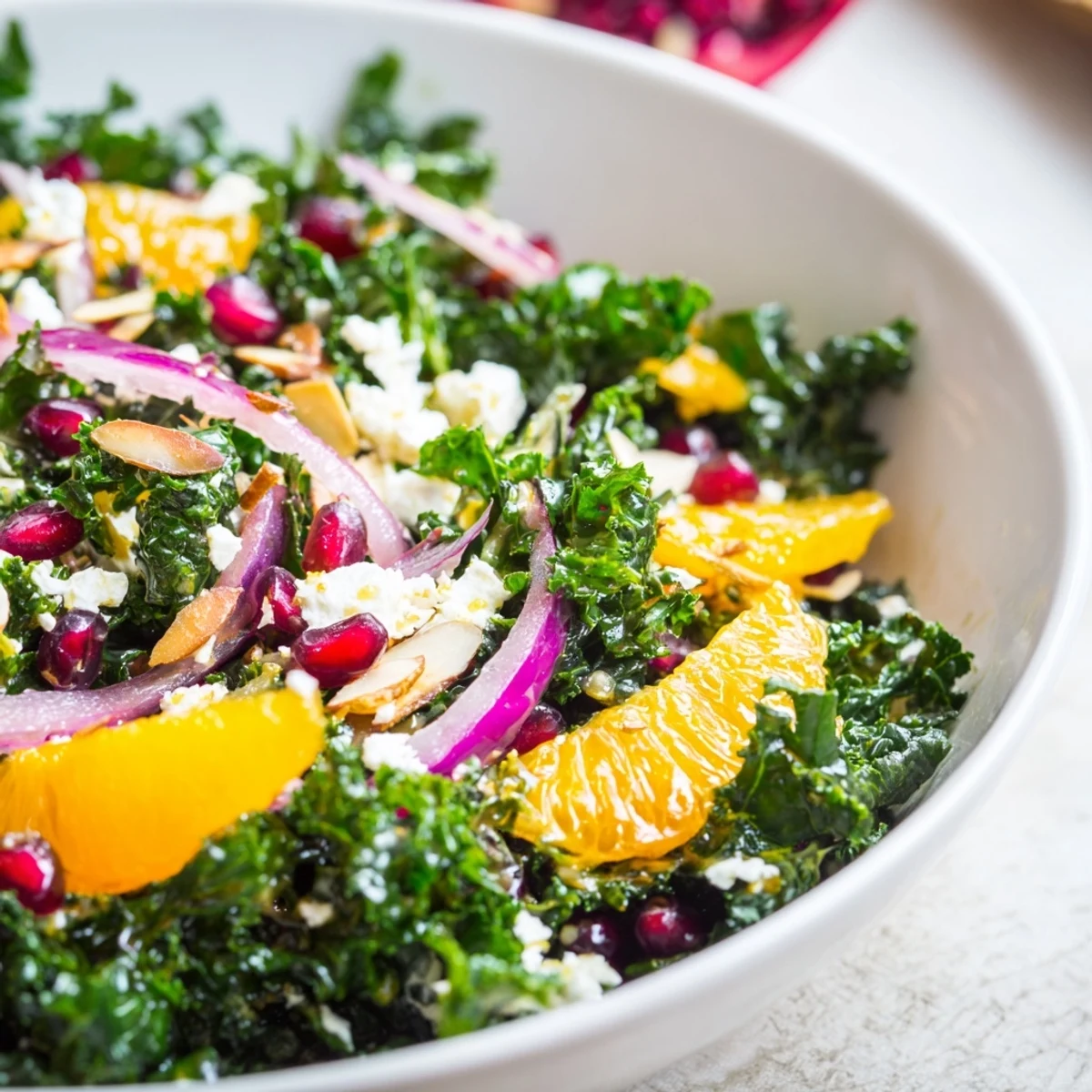
Save There is something quietly satisfying about a raw salad that needs zero cooking equipment and still feels like a complete, thoughtful meal. This one has saved more weeknight dinners than I can count.
Swaps and Variations That Actually Work
Chopped pecans or walnuts step in beautifully if you are out of almonds, and each brings its own personality to the bowl. Goat cheese melts into the leaves a bit more than feta does, creating a creamier feel that some people actually prefer. Grilled chicken or a handful of roasted chickpeas turn this into a main course that keeps you full for hours.
Getting the Texture Right
The thickness of your kale shred matters more than you might expect, so take the extra minute to slice it as thin as you possibly can. A sharp knife makes this easy and almost meditative once you find your rhythm. The finer the shred, the more tender the finished salad.
Making It Your Own
This recipe is more of a framework than a strict set of rules, so treat it as a starting point and follow your cravings. The seasons will guide you toward the right additions, and honestly the best salads I have made came from using up whatever was sitting in the produce drawer.
- Try adding thinly sliced radicchio or endive for a bitter contrast that pairs wonderfully with the sweet orange.
- A handful of dried cranberries or chopped dates can replace the pomegranate seeds when they are out of season.
- Always taste the dressing on its own before pouring it over the salad and adjust the salt or acid until it makes your mouth happy.
 Save
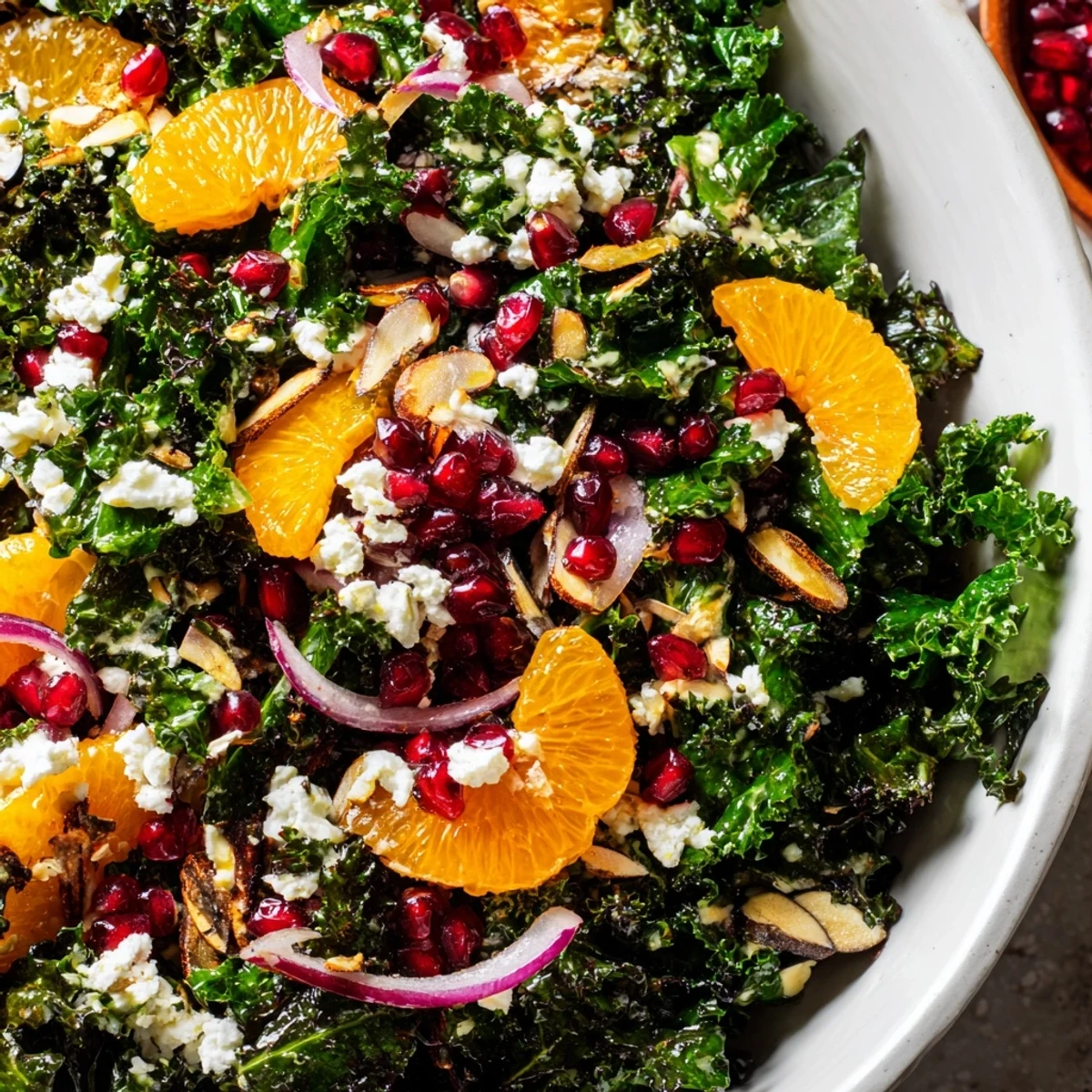
Save Keep this recipe in your back pocket for those days when cooking feels like too much but eating well still matters. It is proof that sometimes the simplest things in the kitchen are the most rewarding.
Recipe FAQs
- → Why should I massage the kale?
-
Massaging kale with olive oil and salt breaks down the tough cellulose structure, transforming bitter, fibrous leaves into tender, silky greens that absorb dressing beautifully and become pleasant to eat raw.
- → Can I make this ahead of time?
-
Absolutely. Massaged kale holds up remarkably well and actually improves after sitting with the dressing. You can prepare everything up to 4 hours in advance, though add toasted almonds just before serving to maintain their crunch.
- → What can I substitute for almonds?
-
Walnuts, pecans, or pumpkin seeds work wonderfully for crunch. For nut-free versions, try sunflower seeds or omit entirely and add extra texture with cucumber slices or crispy chickpeas.
- → How do I properly segment oranges?
-
Cut off the top and bottom of the orange, then slice downward following the fruit's curve to remove peel and white pith. Hold the orange over a bowl and cut between the membranes to release perfect, juice-filled segments.
- → Is this bowl gluten-free and vegetarian?
-
Yes, this bowl is naturally gluten-free and vegetarian. It's easily made vegan by omitting the optional feta cheese or substituting with dairy-free alternatives or nutritional yeast.
- → Can I use a different green?
-
While curly kale works best for the massaging technique, you can use lacinato (dino) kale, though it requires less massaging. Baby spinach or arugula work as alternatives but skip the massage step entirely.