
 Save
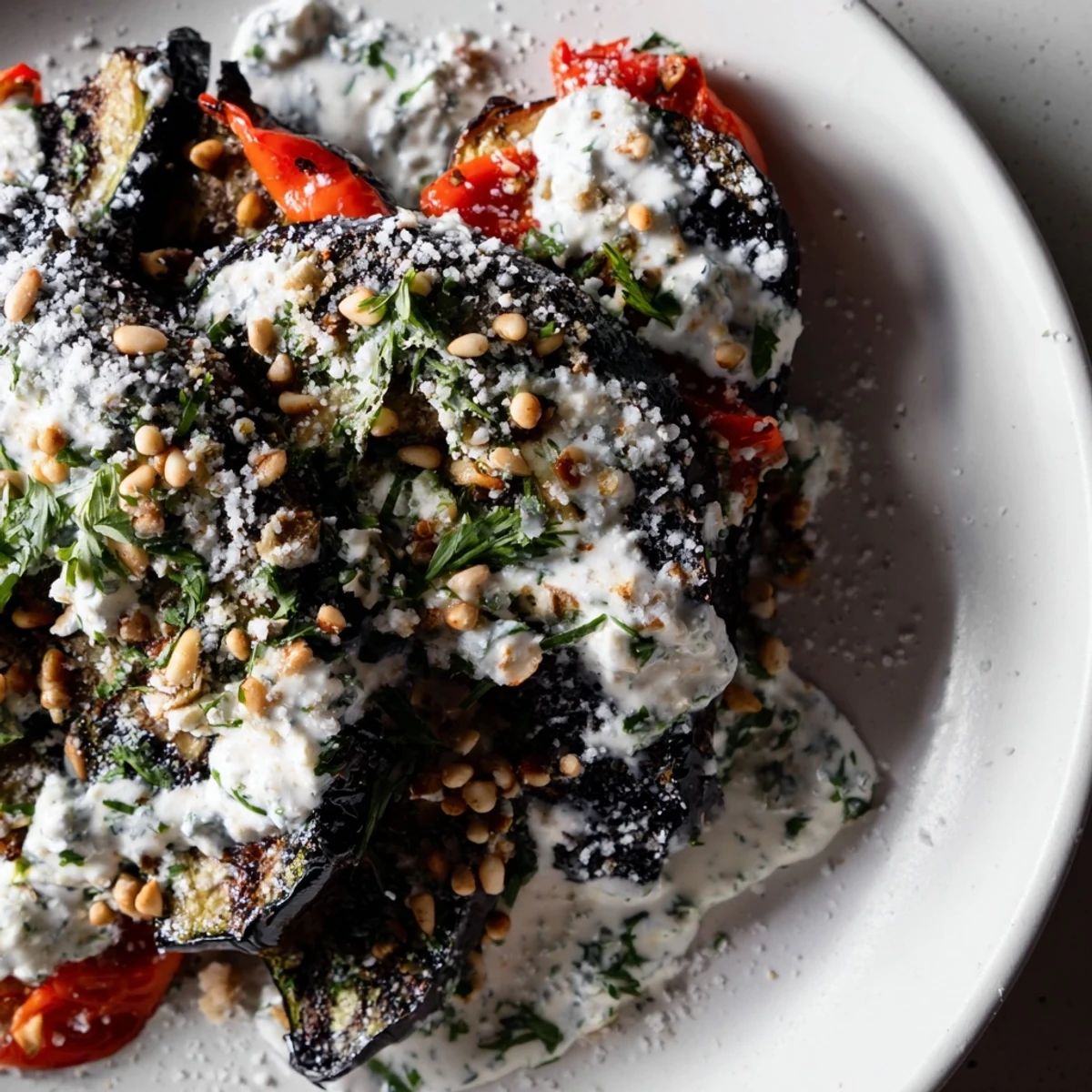
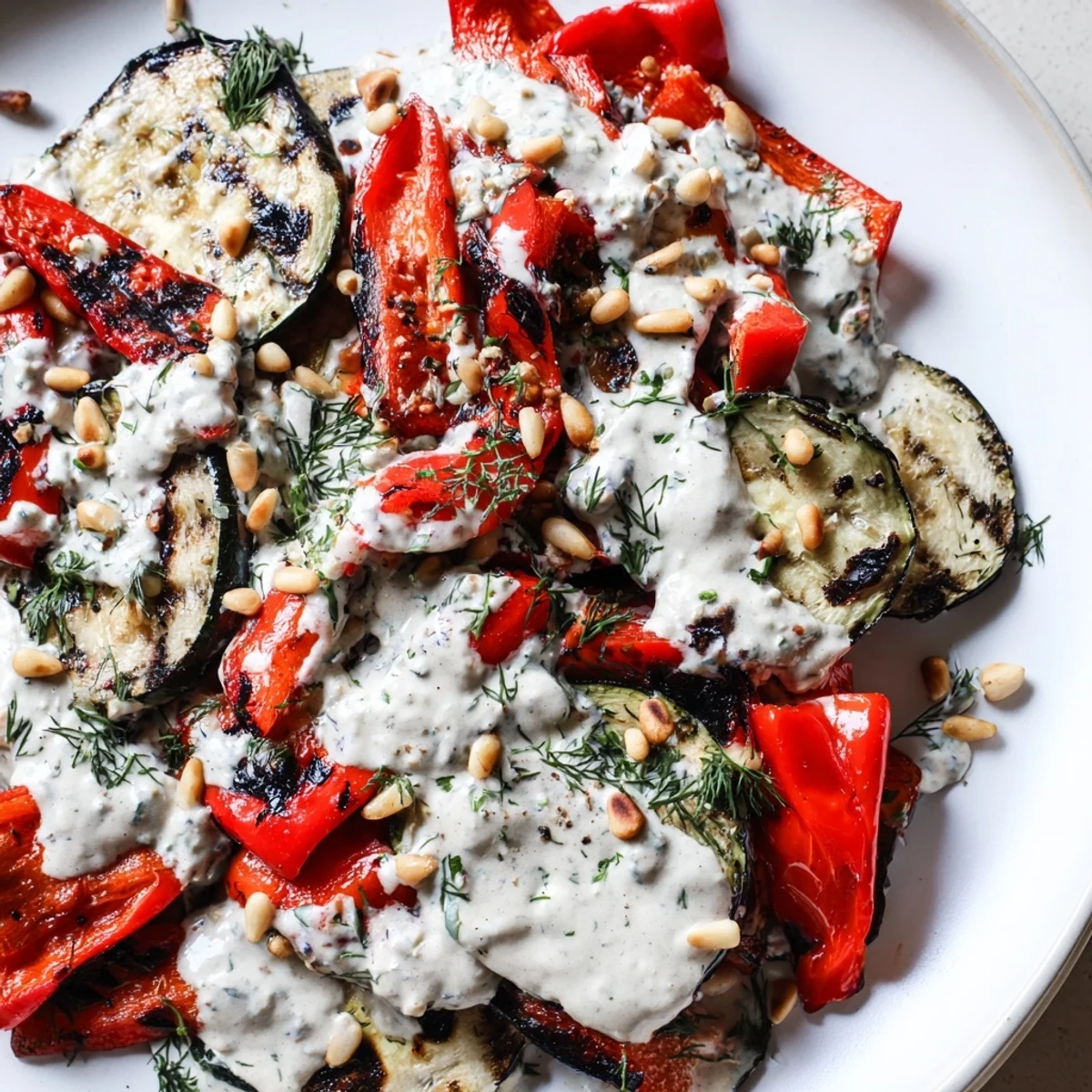
Save This dish features a vibrant assortment of grilled seasonal vegetables—bell peppers, zucchini, eggplant, red onion, and baby carrots—tossed with olive oil, salt, and pepper, then charred to tender perfection. A creamy, tangy dressing of feta cheese, Greek yogurt, lemon juice, and fresh herbs is whipped up and drizzled generously to create a snowy effect. Garnished with toasted pine nuts and parsley, it’s perfect served warm or at room temperature.
Preparation is quick and simple, ideal for a light main dish or a side. This colorful vegetable medley complements a variety of meals and pairs well with crisp white wines. Variations include swapping feta for goat or vegan cheese and adding roasted chickpeas for extra protein.
One evening, while testing a new grill pan, I nearly burned everything but accidentally created something magical—charred vegetables so dark and smoky they looked almost black, then drizzled with a creamy white dressing that reminded me of snow dusting a winter landscape. That happy accident became this dish, which has since become my go-to when I want something that feels both fancy and completely unfussy. The contrast of bitter-sweet char against cool, tangy cream is exactly what happens when you stop overthinking and just let the heat do its work.
I made this for a potluck on a breezy September evening, nervous because I was bringing something meatless to a crowd I wasn't sure about. The platter came back empty, and someone asked for the recipe before dessert was even served. That moment—seeing something I'd almost ruined by accident become the dish everyone wanted—taught me that simplicity with good technique beats complexity every time.
Ingredients
- Red and yellow bell peppers: The sweeter varieties char beautifully and add a natural jammy quality that deepens on the grill.
- Zucchini and eggplant: These soak up char like sponges and become silky when cooked hot and fast; don't skip slicing them thick enough or they disappear.
- Red onion and baby carrots: The onion turns almost candied, while carrots add subtle sweetness and stay slightly firm, creating texture contrast.
- Olive oil, salt, and pepper: This simple trio is all you need to let the vegetables shine; good oil makes a real difference in the final taste.
- Feta cheese and Greek yogurt: The feta adds sharpness and crumble, while yogurt keeps the dressing creamy and tangy without being heavy.
- Lemon juice and garlic: These brighten everything and prevent the dressing from feeling too rich or one-note.
- Fresh dill and toasted pine nuts: Dill whispers rather than shouts, while pine nuts add a buttery crunch that makes people pause mid-bite.
Instructions
- Get your grill seriously hot:
- Preheat to high heat for at least 5 minutes so the vegetables get that crispy, blackened exterior without just steaming inside. You want to hear them sizzle the moment they touch the grill.
- Coat and season generously:
- Toss all vegetables in olive oil, salt, and pepper until every piece glistens. Don't be shy—underseasoned vegetables won't taste as good no matter how charred they get.
- Grill in batches without crowding:
- Work in two batches if needed so nothing steams. Give each piece 3–4 minutes per side, resisting the urge to flip constantly; patience here is when the magic happens. You're looking for deep, uneven charring, not just grill marks.
- Build the snowy dressing:
- While vegetables cook, whisk feta, yogurt, lemon juice, grated garlic, and olive oil until creamy but still slightly lumpy with feta pieces. Taste it before adding dill—you want to taste the tang first.
- Plate like you mean it:
- Arrange charred vegetables on a platter, then drizzle the dressing generously so some pools in the crevices and some streaks across the top, creating that snowy effect. Scatter pine nuts and parsley over the whole thing, and you're done.
 Save
Save My neighbor tasted this and declared she'd been eating vegetables wrong her whole life, which made me laugh because that's exactly how I felt the first time something burned on my grill in just the right way. Now when friends ask what happened to the vegetables, I tell them the grill kissed them, and somehow that sounds better than saying I charred them.
Why Char Changes Everything
Charring isn't about burning; it's about creating texture and flavor through the Maillard reaction, which is just a fancy way of saying heat turns simple vegetables into something complex and craveable. The darker spots taste almost sweet and savory at the same time, completely different from raw or roasted versions. Once you taste truly charred vegetables, steamed ones feel timid by comparison.
Making This Work Year-Round
Summer is grill season, but you can use a grill pan on the stovetop, a cast-iron skillet over high heat, or even an oven broiler if you stay close and watch carefully. The vegetables change with the season too—swap in asparagus or green beans in spring, halved tomatoes in summer, and thick Brussels sprouts sliced in half when fall rolls around. The technique stays the same, but the vegetables taste like that moment in time.
Making the Dressing Your Own
The base of feta and yogurt is bulletproof, but the dressing is your stage. Try goat cheese for more tang, or trade lemon juice for sherry vinegar if you want deeper complexity. A pinch of za'atar or sumac adds color and subtle spice, while crispy breadcrumbs scattered on top give you crunch if the dressing is too soft.
- If you don't have fresh dill, mint or tarragon bring different but equally wonderful flavors to the party.
- Make the dressing a little looser with extra yogurt if serving it warm, since it tightens as it cools.
- Always taste the dressing before plating—feta varies in saltiness, so you might need less salt than the recipe suggests.
 Save
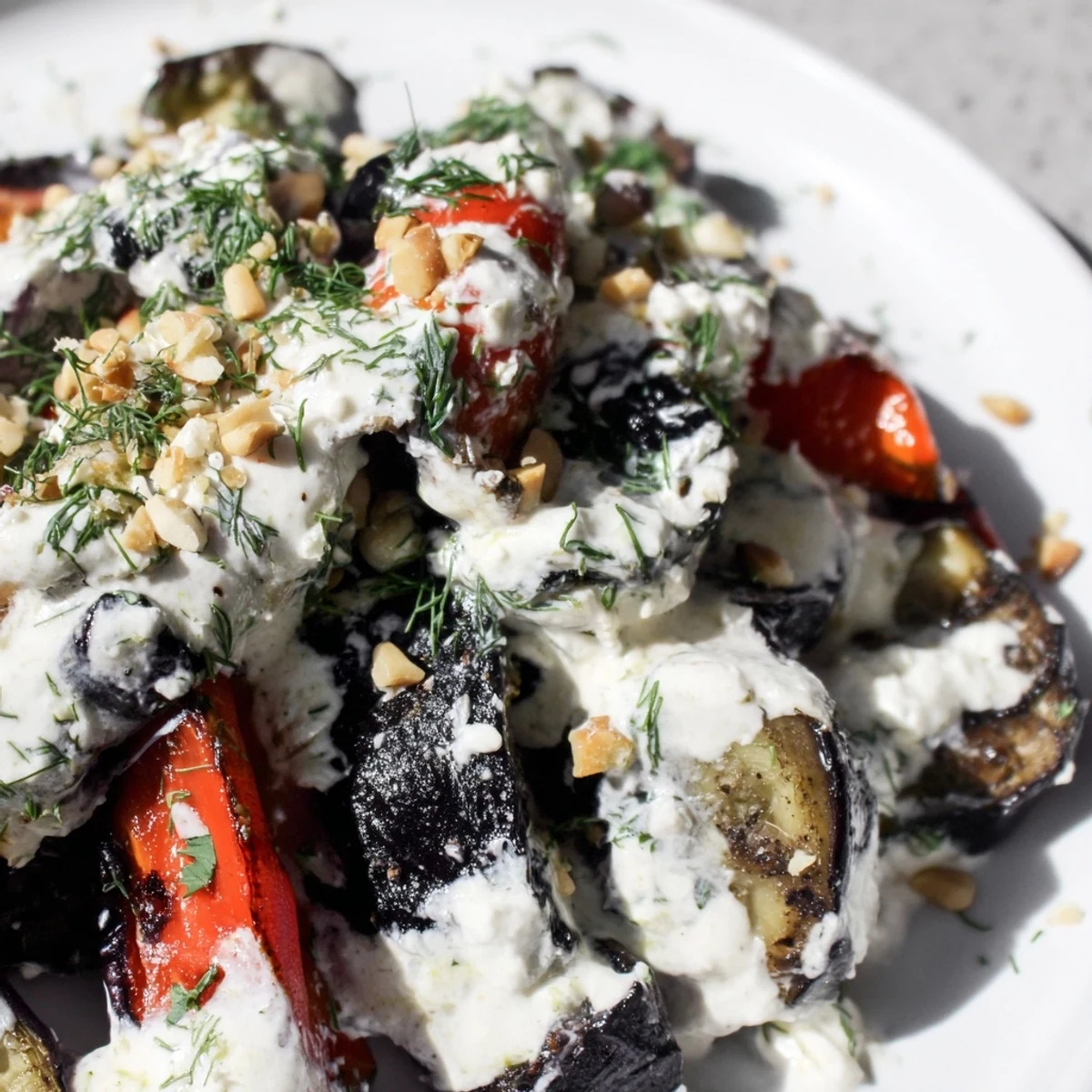
Save This dish taught me that sometimes the best recipes come from small disasters and happy accidents, not perfect planning. Keep making it, and I promise it becomes the one people ask for again.
Recipe FAQs
- → What vegetables are best for charring in this dish?
-
Bell peppers, zucchini, eggplant, red onion, and baby carrots are ideal for grilling until tender and beautifully charred.
- → How is the dressing prepared to achieve a creamy texture?
-
The dressing combines crumbled feta cheese, Greek yogurt, lemon juice, garlic, olive oil, and fresh dill, whisked together until creamy but slightly chunky.
- → Can the feta cheese be substituted for dietary preferences?
-
Yes, goat cheese offers a tangier flavor, and vegan feta alternatives can be used for plant-based diets.
- → What garnishes add texture and flavor to the dish?
-
Toasted pine nuts provide crunch, while chopped fresh parsley adds a bright herbal note.
- → Is this dish suitable for gluten-free and vegetarian diets?
-
Yes, all ingredients are gluten-free and vegetarian-friendly, incorporating dairy and nuts.