
 Save
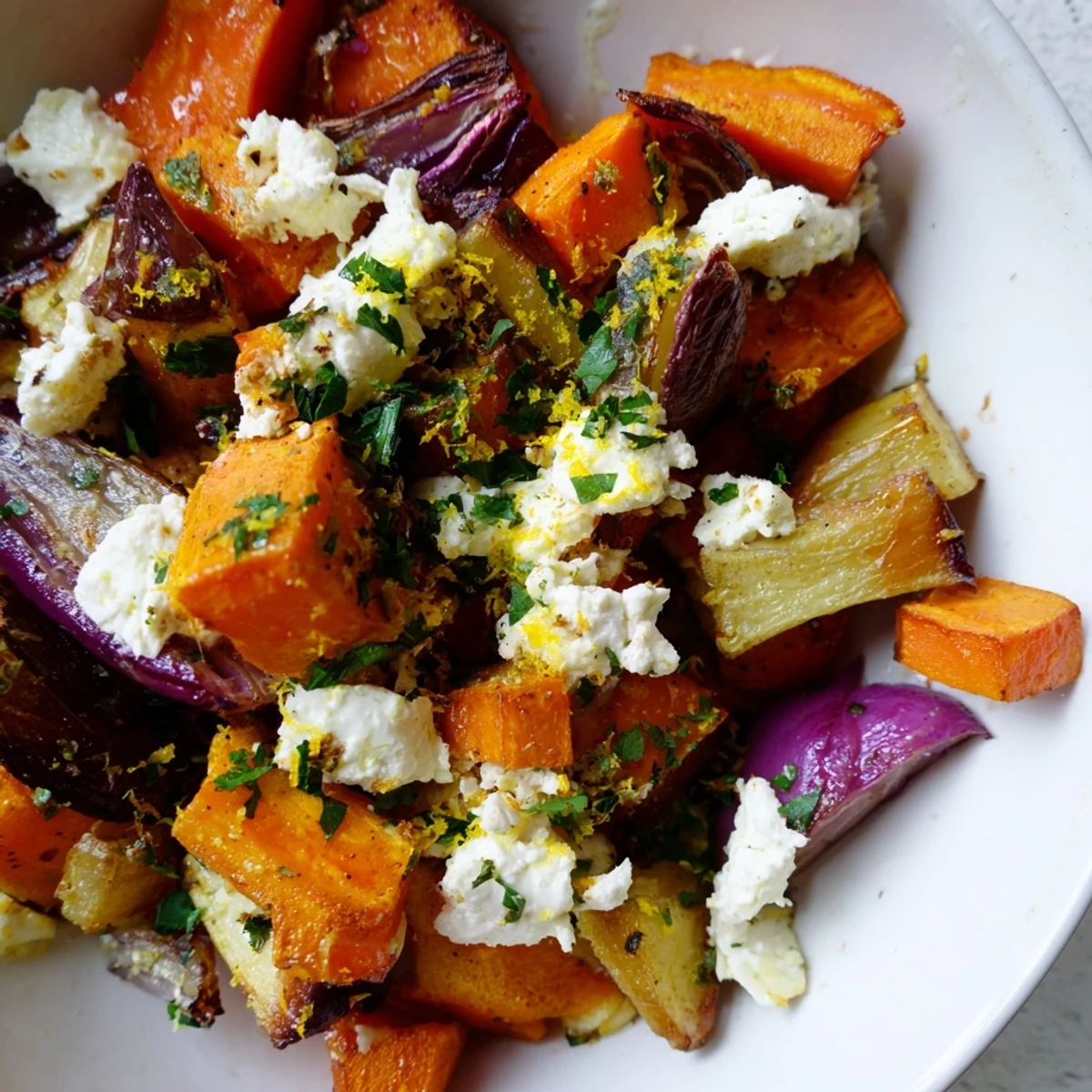
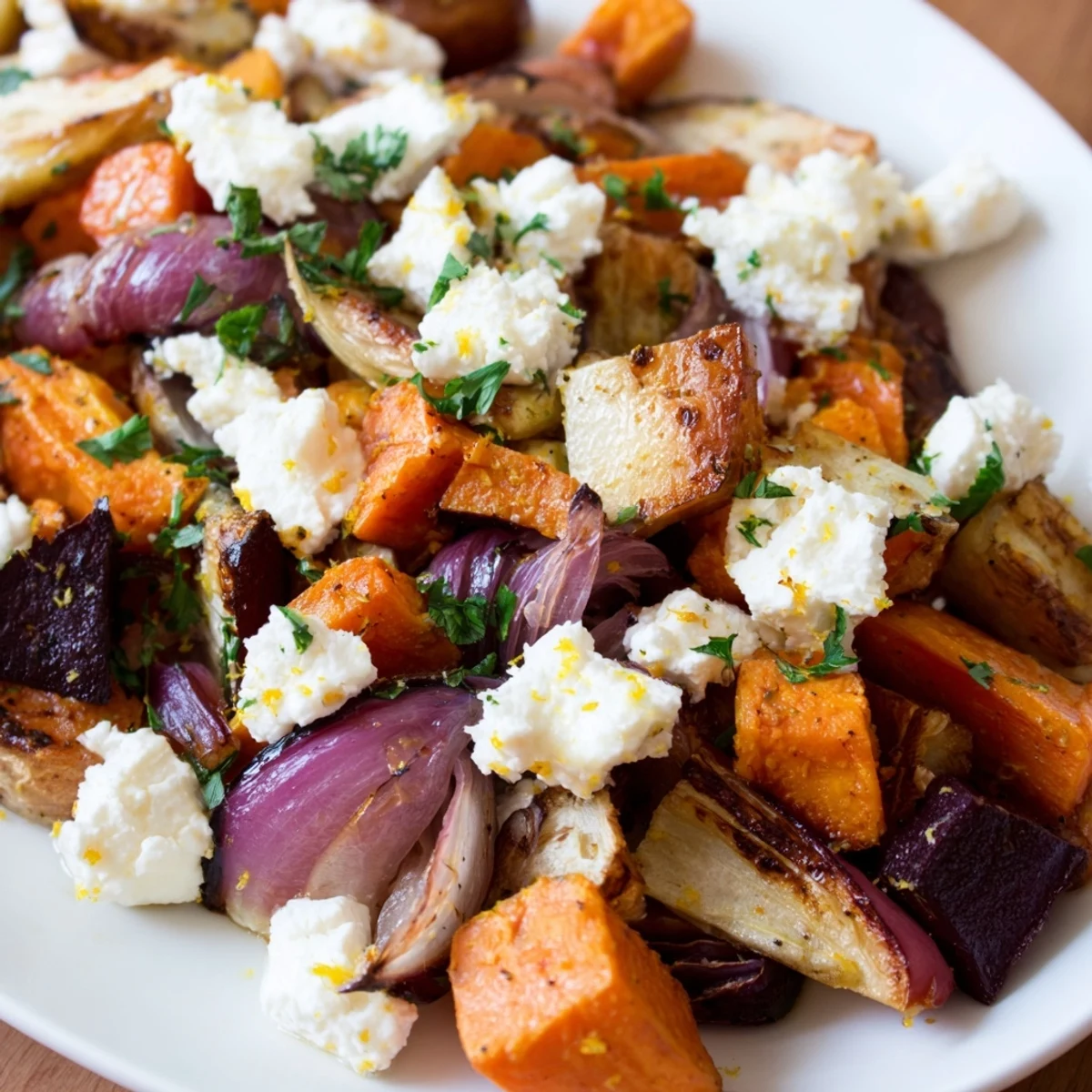
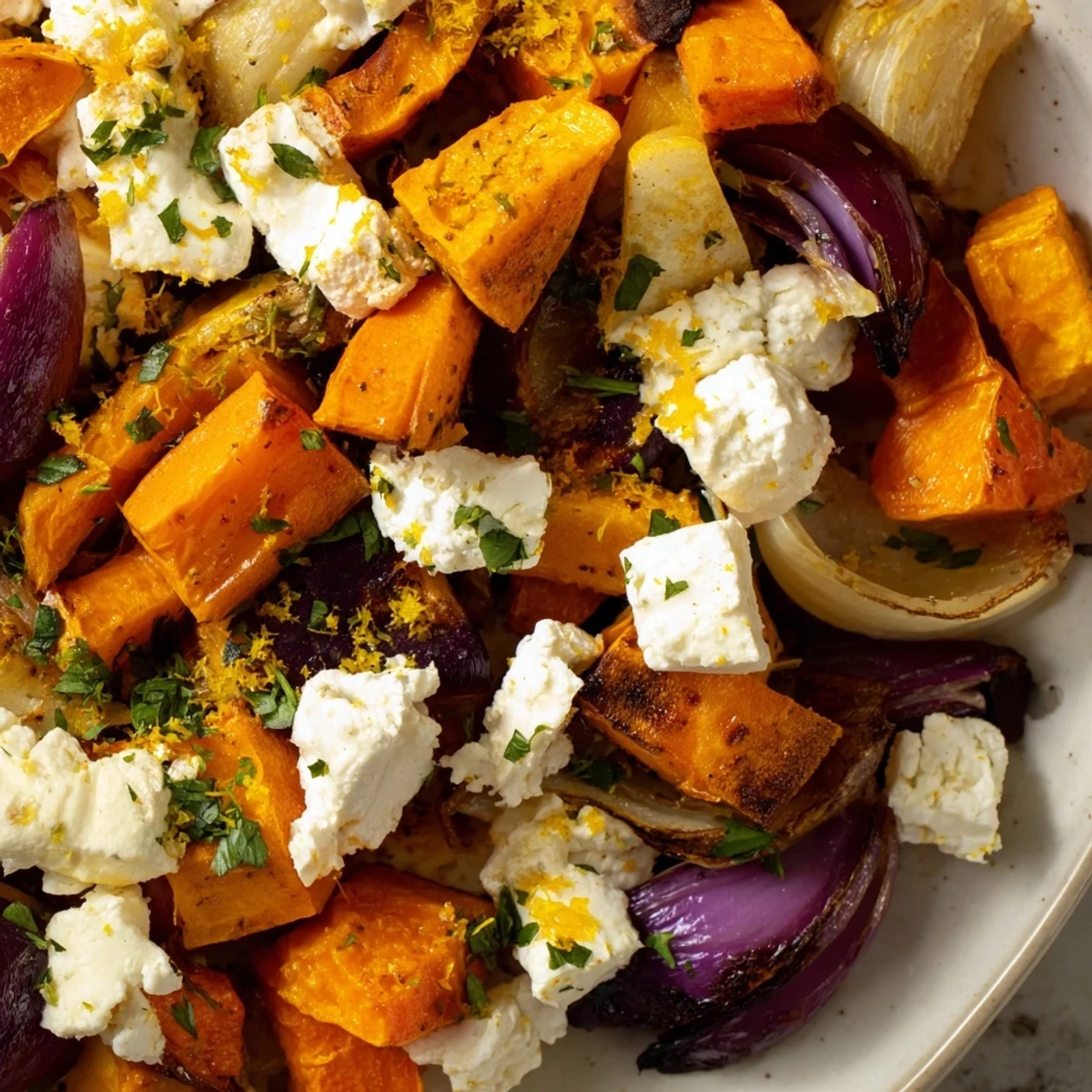
Save This dish features a vibrant mix of root vegetables roasted until beautifully caramelized. The warm vegetables are topped with a snowy layer of soft goat cheese, which melts slightly to create a creamy texture. Fresh parsley and lemon zest add brightness and fresh flavors, balancing the earthy roots. Simple to prepare and perfect for cold months, it serves as a hearty side or vegetarian option.
There's something about the first real cold snap that makes me want to roast everything in the vegetable drawer. Last November, I was rummaging through the kitchen in that restless way you do on a gray afternoon, and I pulled out carrots, parsnips, a sweet potato, and some celeriac that had been quietly waiting. The idea came to me in stages: roast them until the edges caramelize and turn almost burnt-sugar sweet, then while they're still warm, scatter soft goat cheese over top so it melts into creamy pools. It became the dish I reached for every time winter knocked at the door.
I made this for a dinner party once where I'd promised something seasonal and impressive, but I was honestly just tired. My friend Sarah walked into the kitchen as I was tossing the vegetables in herbs and oil, and she asked what I was making with such confidence. I told her: "I'm making winter taste good," and she laughed. When it came to the table—golden, steaming, topped with that snowy goat cheese—even I was surprised at how it glowed.
Ingredients
- Carrots: Look for ones that feel firm and bright; they'll caramelize beautifully and add natural sweetness without overpowering the other vegetables.
- Parsnips: These become almost buttery when roasted, but they can scorch if your oven runs hot, so keep an eye on them in the last few minutes.
- Sweet potato: It adds earthiness and prevents the medley from tasting too one-note; don't skip it even if you're skeptical.
- Celeriac: The secret ingredient that makes this taste more refined, with a subtle celery-root flavor that grounds everything else.
- Red onion: Soften and slightly sweeten during roasting; the purple color stays vibrant even after cooking.
- Olive oil: Use something you actually like tasting, since it coats everything and matters more than you'd think.
- Sea salt and freshly ground black pepper: Coarse salt crystals won't fully dissolve, which is fine—they catch the light and add a nice textural contrast.
- Dried thyme and rosemary: These herbs don't burn the way fresh ones might, and their oils actually intensify as things roast.
- Goat cheese: Choose something soft and spreadable, not aged or crumbly; the chilling step matters because cold cheese won't clump when it hits the hot vegetables.
- Fresh parsley: Adds brightness at the very end, cutting through the richness with its clean, peppery bite.
- Lemon zest: This might feel unnecessary, but those tiny shreds wake up the entire dish and make people wonder what you did differently.
Instructions
- Heat your oven and prepare your stage:
- Set the oven to 220°C and line a large baking tray with parchment paper. Having everything ready means you won't be rushing once you start tossing vegetables, which is when mistakes happen.
- Combine and coat:
- In a large bowl, toss all your cut vegetables together, then drizzle with olive oil and sprinkle with salt, pepper, thyme, and rosemary. The motion of tossing should coat everything evenly; if you see dry spots, add a touch more oil.
- Spread and roast:
- Lay the vegetables in a single layer on your tray, giving them room to touch the hot surface and caramelize rather than steam. Roast for 35 to 40 minutes, stirring halfway through so the bottom pieces don't burn and the top ones get a chance to brown.
- Let it rest briefly:
- Pull the tray from the oven and let the vegetables sit for two or three minutes—this gives them time to relax and the surface to firm up slightly.
- Top with creamy contrast:
- While the vegetables are still warm, crumble the cold goat cheese directly over them. The heat will soften it into creamy pools that look like fresh snow settled on a landscape of golden roots.
- Finish with brightness:
- Scatter the lemon zest and chopped parsley over everything just before serving. This final layer of fresh herb and acid is what makes people ask for the recipe.
 Save
Save My mother tasted this once and told me it was the first time she'd actually wanted to eat vegetables at a dinner party instead of just moving them around her plate. That moment, watching someone who'd spent decades being polite about side dishes actually reach for seconds, felt like a small kitchen victory.
Substitutions That Work Just as Well
If celeriac feels too obscure or you can't find it, swap in a small parsnip or even a small turnip—you're looking for something that adds earthiness and prevents the medley from tasting monotonous. Goat cheese can be replaced with crumbled feta if you want something sharper, or ricotta if you prefer something milder and creamier. Some nights I use a combination of both, layering different textures and flavor notes. For a vegan version, cashew cream or soft vegan cheese works, though the effect is different—less pungent, but still delicious.
Building Flavor Through the Roast
The magic of this dish isn't in complicated technique; it's in understanding that root vegetables are mostly water and starch, and heat drives off the water, concentrating the sugars until the outside edges caramelize. This is why the stirring halfway through matters so much—you're redistributing pieces so some surfaces get deep contact with the hot tray, turning golden and crispy, while others stay tender inside. The herbs don't burn because they're dried and their oils are already volatile, so they actually intensify in flavor. You're not cooking vegetables; you're coaxing their sweetness to the surface.
Serving and Storage Wisdom
This dish tastes incredible straight from the oven, but it's also one of the few recipes where next-day leftovers are somehow better—the flavors have mellowed into each other, and the cheese has fully integrated. I reheat it gently in a 160°C oven for about 10 minutes, just until it's warm enough to eat. You can also eat it at room temperature as a salad of sorts, which is something I discovered by accident when I had leftovers and no time to reheat.
- Leftovers keep for up to three days in an airtight container in the refrigerator.
- You can prepare the vegetables and seasonings the morning of, then roast them when you're ready to eat.
- If you're making this for a crowd, the recipe doubles easily; just use two trays and rotate them halfway through roasting.
 Save
Save This is the kind of recipe that teaches you something about cooking while it's feeding you—that humble vegetables deserve better than steaming in a pot, and that sometimes the best side dish is the one people remember more than the main.
Recipe FAQs
- → What types of vegetables are best for roasting in this dish?
-
Firm root vegetables like carrots, parsnips, sweet potatoes, and celeriac hold up well during roasting, caramelizing beautifully while retaining texture.
- → Can I substitute the goat cheese for another type?
-
Yes, soft cheeses like feta or ricotta work well as alternatives, offering different flavor profiles while maintaining creaminess.
- → How do I achieve the snowy cheese effect?
-
Crumble chilled goat cheese over warm vegetables after roasting; the gentle heat softens but doesn’t fully melt the cheese, creating a snowy look.
- → What herbs complement the roasted vegetables?
-
Dried thyme and rosemary add earthy, aromatic notes that enhance the natural sweetness of the roots.
- → How can this dish be adapted for a vegan diet?
-
Replace goat cheese with a vegan soft cheese alternative and ensure any added ingredients are plant-based.