
 Save
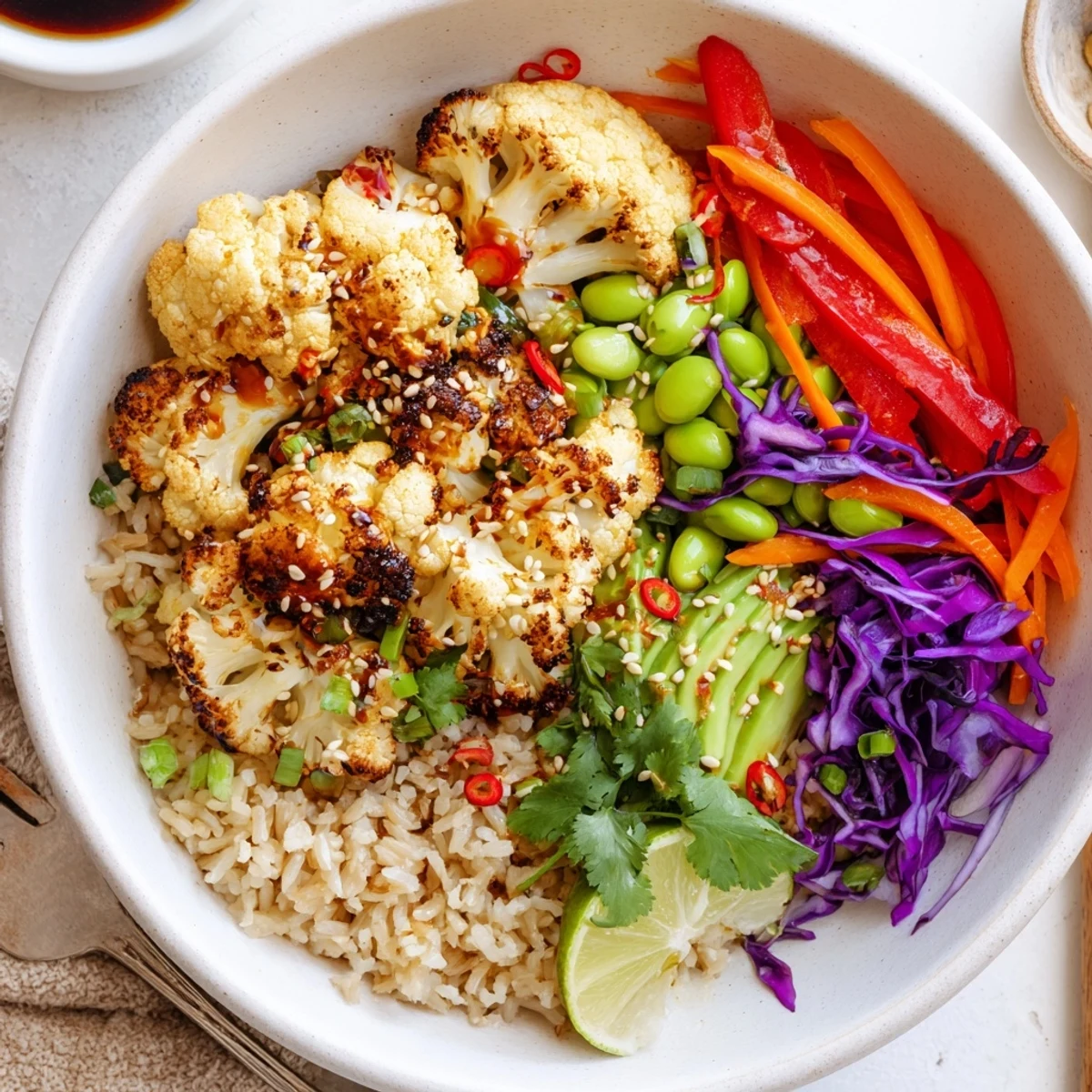
Save Roast cauliflower tossed in chili oil and smoked paprika until golden and crisp. Serve it atop brown rice or quinoa with sliced bell pepper, shredded cabbage, carrots, steamed edamame and scallions. Finish with avocado, toasted sesame seeds, cilantro and a splash of soy or tamari and lime. Adjust chili oil for heat and add roasted chickpeas for extra crunch.
The dance of sizzling chili oil never fails to wake up my kitchen on gray afternoons. One chilly February, I decided to paint dinner with color—spicy roasted cauliflower, crisp veggies, toasted sesame. The aroma alone teased my roommates out of their rooms, fueled less by nostalgia and more by an impatient hunger. This bowl is proof that the right heat and crunch can turn any dreary day into something wide awake.
Last spring, my friend Maya wandered into my kitchen while I shook sesame seeds onto a still-steaming tray of roasted cauliflower. We ended up doubling the batch because she snagged half the pan before it even hit the bowls—her laugh echoing over the snap and pop of seeds.
Ingredients
- Cauliflower: Pick one with tight, pale florets—don’t be shy about trimming off any soft spots.
- Chili oil: I learned to stir well before pouring since the spice and sediment settle at the bottom.
- Olive oil: Softens sharp edges of the chili heat and roasts the cauliflower evenly.
- Smoked paprika: Adds earthy depth; once I tried regular and missed that hint of woodsmoke.
- Sea salt: Just enough to coax out flavor without overpowering the veggies.
- Black pepper: Use freshly ground if you can—the aroma is everything.
- Brown rice or quinoa: Either works, but rice feels more comforting on a cold evening.
- Red bell pepper: That bright color is the quickest way to make any bowl pop.
- Purple cabbage: Shredded fine, it soaks up extra dressing and keeps its crunch.
- Carrots: Sometimes I buy pre-shredded to save time—no shame in shortcuts.
- Edamame: Steam from frozen; it thaws fast and adds protein without fuss.
- Scallions: Slice thinly on the bias for a little chef flourish.
- Sesame seeds: I toast mine in a dry skillet until they leap with a tiny pop.
- Avocado: Slicing it last keeps it green and velvety.
- Fresh cilantro: Optional, but it truly livens up every bowlful.
- Soy sauce or tamari: Taste as you drizzle—start light and adjust from there.
- Lime wedges: That squeeze of acidity unites all the flavors.
Instructions
- Get the oven roaring:
- Crank the oven to 425°F and let it properly heat while you line a baking sheet with parchment (, so nothing sticks).
- Tumble and toss:
- In a big bowl, coat the cauliflower florets with chili oil, olive oil, smoked paprika, salt, and pepper—use your hands for even coverage so every bite sings.
- Roast with purpose:
- Spread the florets in one layer and roast for 25–30 minutes, stirring halfway until their edges are crispy and gold.
- Cook your grains:
- If you haven’t yet, get the rice or quinoa going now—follow the package and let the steam do its thing.
- Prep the rainbow veggies:
- While things roast, slice peppers, shred cabbage and carrots, and steam the edamame so your toppings are ready for assembly.
- Bowl it all up:
- Layer rice or quinoa in each bowl, divide veggies and the hot cauliflower on top, making it colorful and generous.
- Top and finish:
- Add avocado, a shower of sesame seeds, optional cilantro, a drizzle of soy sauce or tamari, and a lime wedge to squeeze over every bite.
 Save
Save One picnic afternoon, someone asked if the bowl was meant to be shared, but nobody handed over their fork. It was the first time a veggie dish disappeared before the grilled food did, and that's when this recipe earned a permanent spot in my lineup.
How to Get Perfect Crispy Cauliflower
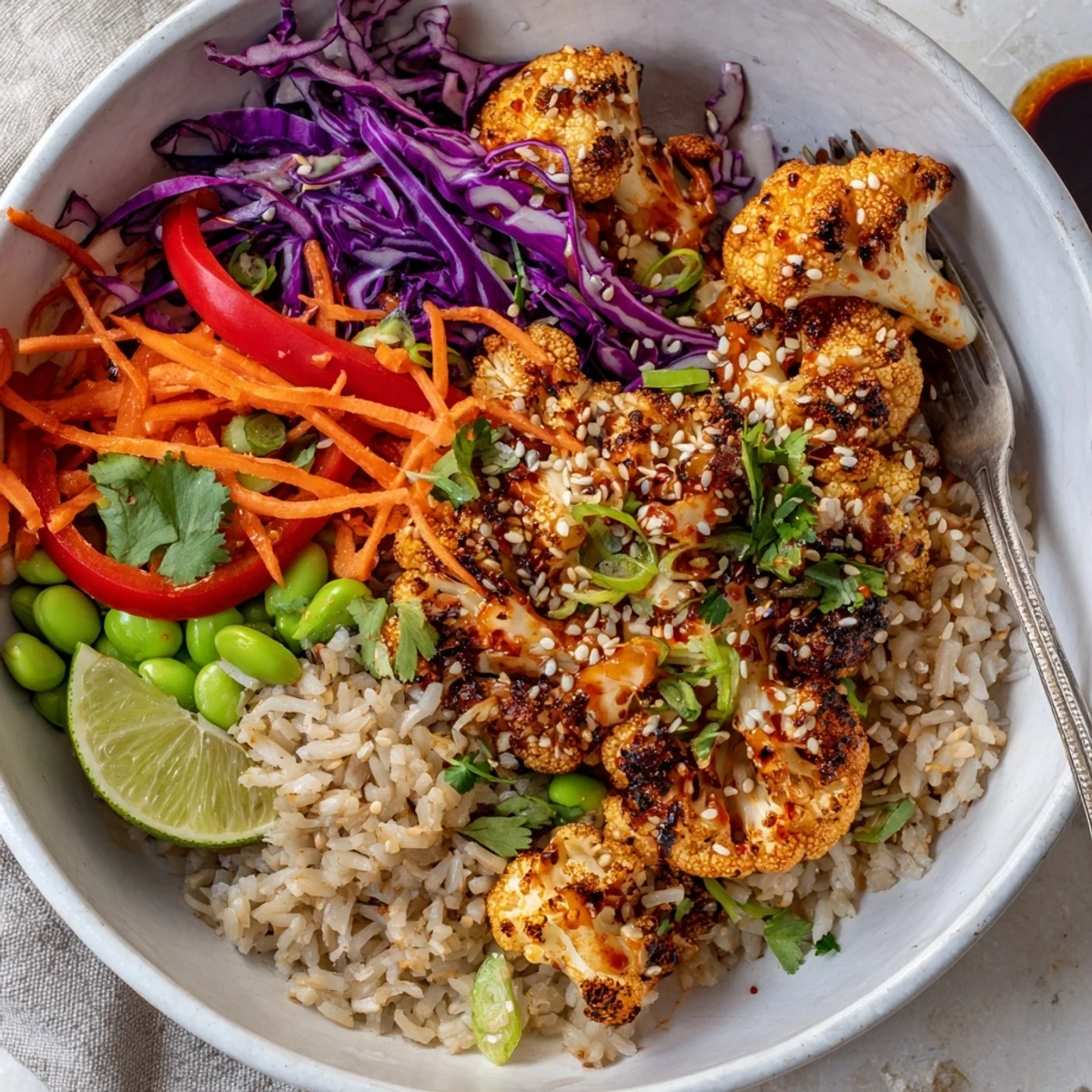
Even roasting is key: spread out the florets and don't overcrowd the pan. The hot air gives each piece that caramelized crispiness on the outside while keeping the center tender. Stirring once halfway is enough—any more and you'll risk breaking them apart or steaming them by accident.
Building a Bowl for Color and Crunch
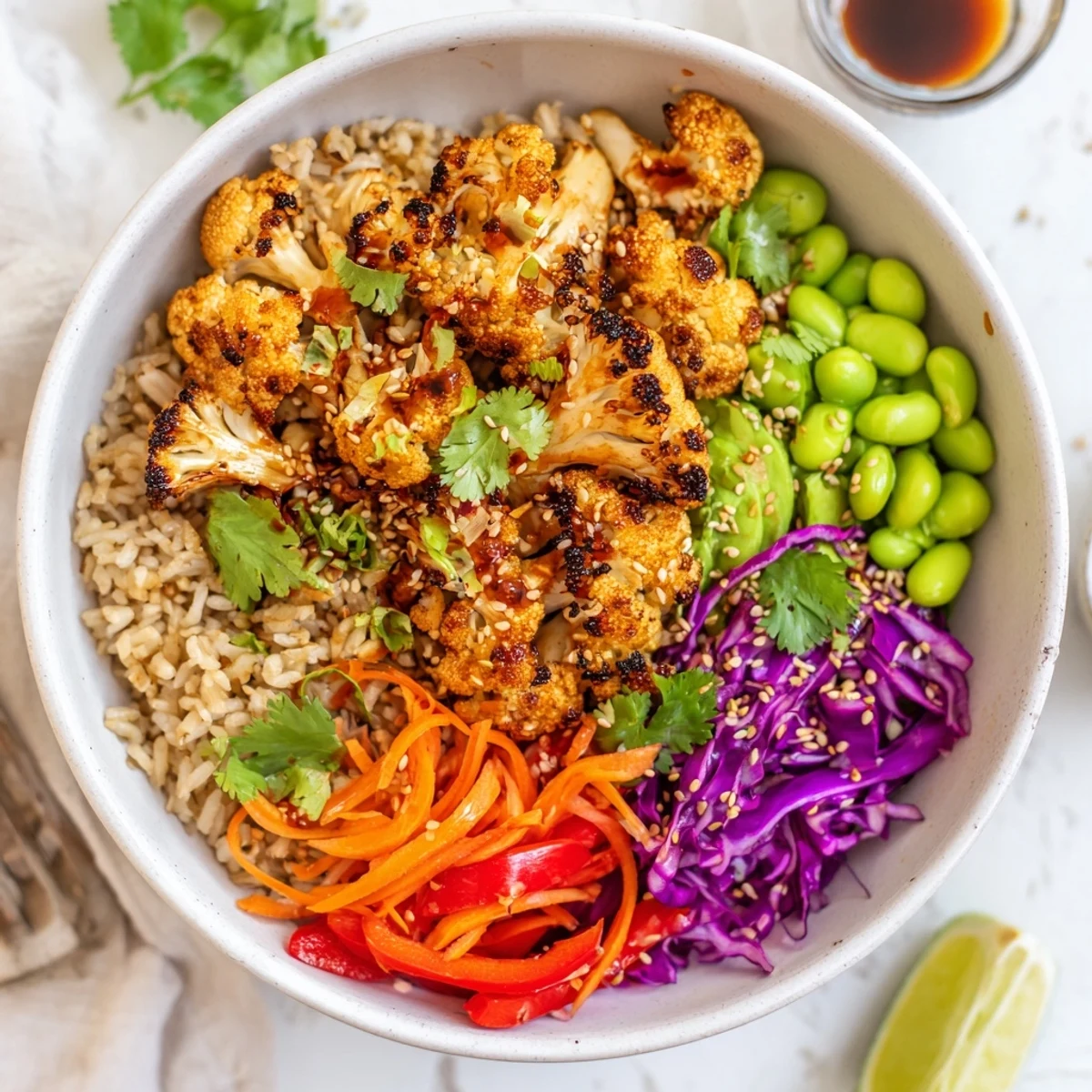
It's the mix of fresh and roasted, soft and crisp, that makes these bowls so satisfying. I love watching the purple cabbage turn brighter when it meets the warmth of the cauliflower. Every bite feels different and lively thanks to the layering of textures and colors.
Adjust the Heat to Make It Yours
The beauty of chili oil is that it's easy to play with—just taste a little before you marinate if you're not sure how spicy yours is. When cooking for heat-seekers, I’ll add a dash of sriracha or even sprinkle in a pinch of red pepper flakes at the end.
- Taste chili oil on a spoon before roasting—it can vary wildly in heat.
- Add extra avocado to cool things off if you get carried away with spice.
- Crispy chickpeas or toasted nuts make a great emergency topping if you run out of sesame seeds.
 Save
Save A little spice, a lot of texture, and a bowlful of color—this meal always feels as fresh as the day I first threw it together. Serve it up, pass the limes, and watch it disappear in minutes.
Recipe FAQs
- → How do I get the cauliflower crispy and browned?
-
Roast at a high temperature (425°F/220°C) on a single layer so air circulates. Toss florets evenly in oil and spices, avoid overcrowding, and stir once halfway through for even browning.
- → What are good grain or base substitutions?
-
Swap brown rice or quinoa for cauliflower rice for a lower-carb bowl, farro for nuttier chew, or a bed of mixed greens for a lighter option.
- → How can I tone down the heat if it's too spicy?
-
Reduce the chili oil amount, mix some neutral oil with it, or cool the bowl with avocado slices and a squeeze of lime. A drizzle of tahini or yogurt-style alternative also mellows spice.
- → What's the best way to toast sesame seeds?
-
Toast seeds in a dry skillet over medium heat, shaking or stirring constantly, for 1–2 minutes until fragrant and lightly golden. Remove promptly to avoid burning.
- → How should leftovers be stored and reheated?
-
Store components separately in airtight containers for up to 3–4 days. Reheat cauliflower in a hot oven or skillet to revive crispness; warm grains in the microwave or stovetop with a splash of water.
- → Can this be made soy-free or nut-free for allergies?
-
Use coconut aminos or a gluten-free soy substitute instead of soy sauce/tamari, and omit added nuts; check chili oil labels for sesame or nut ingredients and choose allergen-free brands.