
 Save
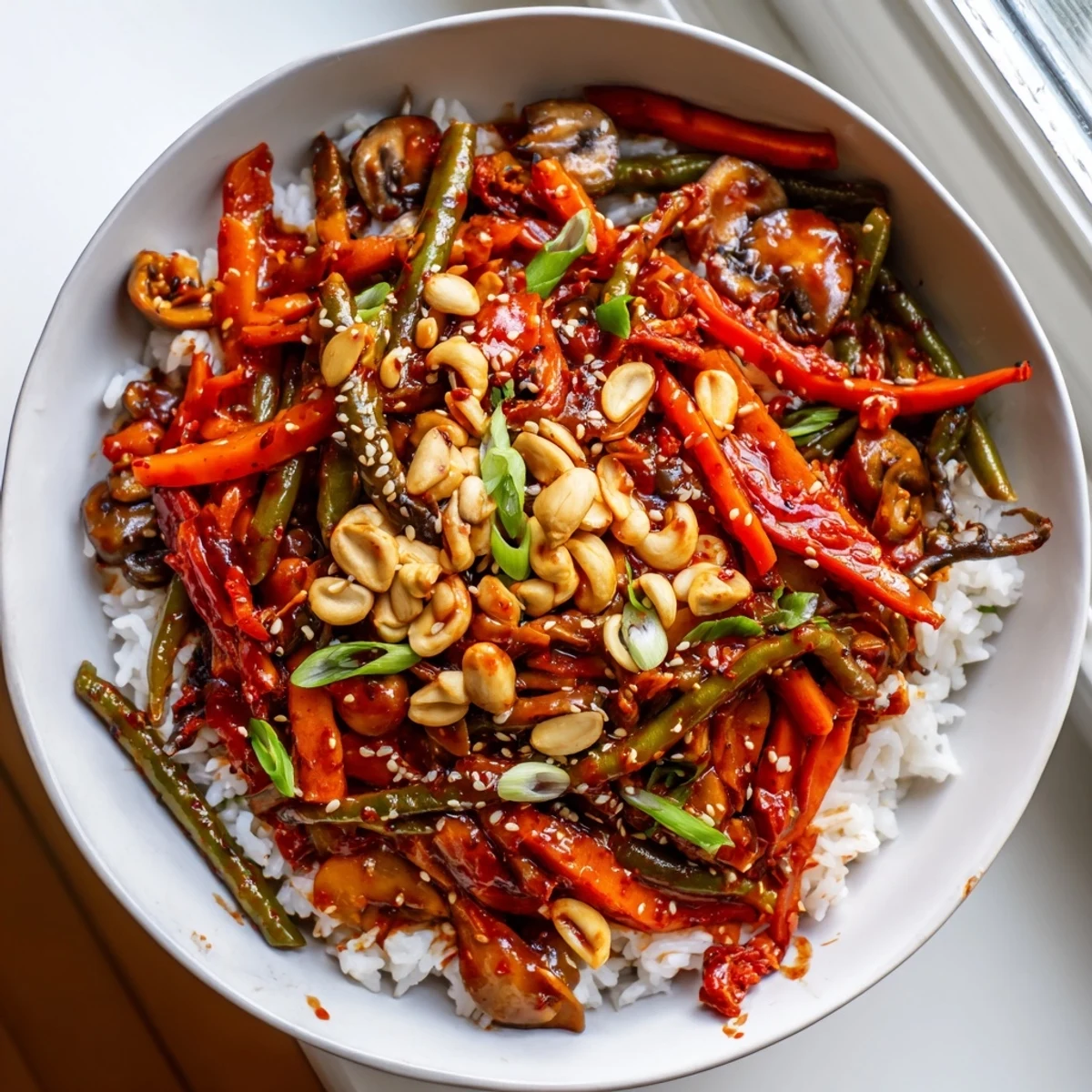
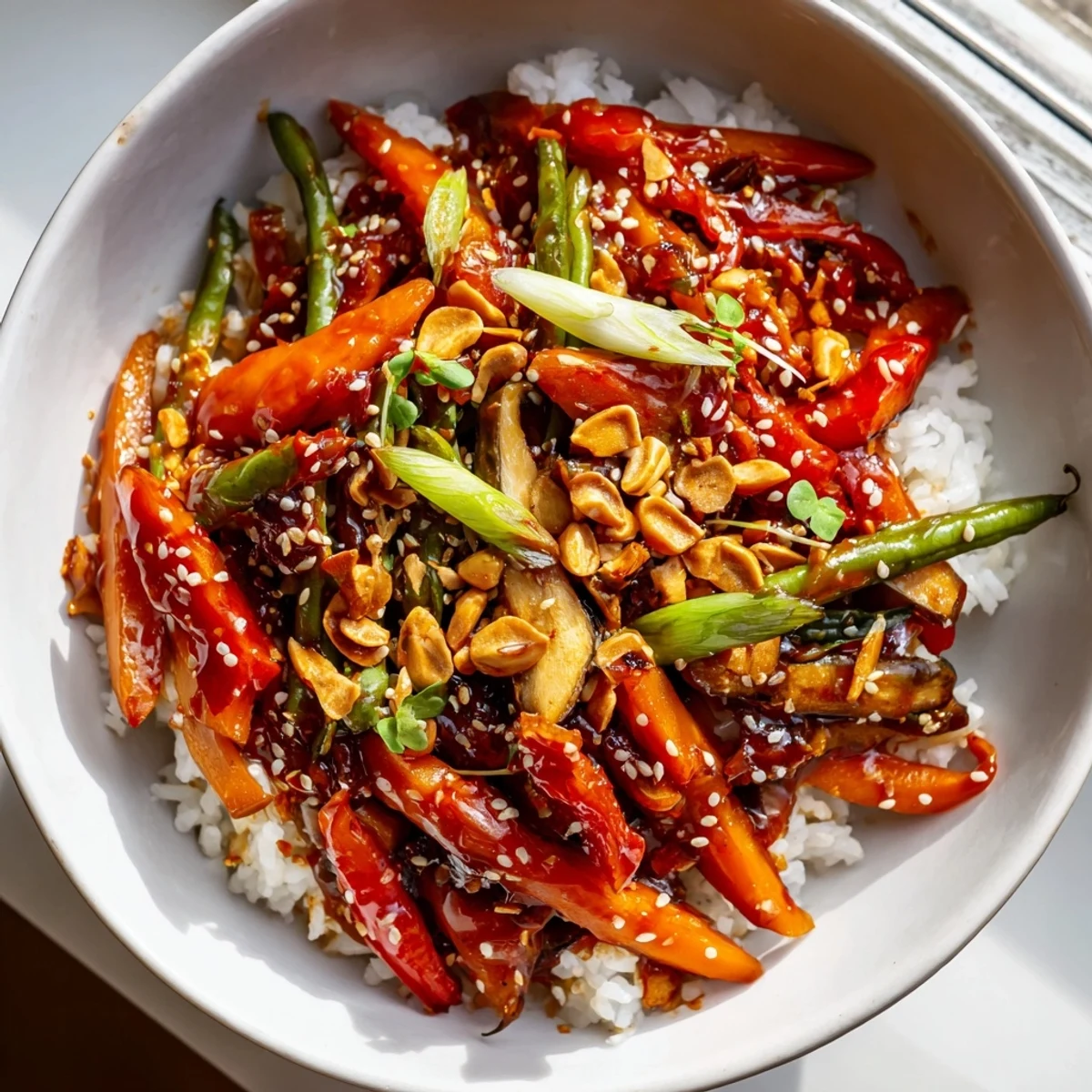
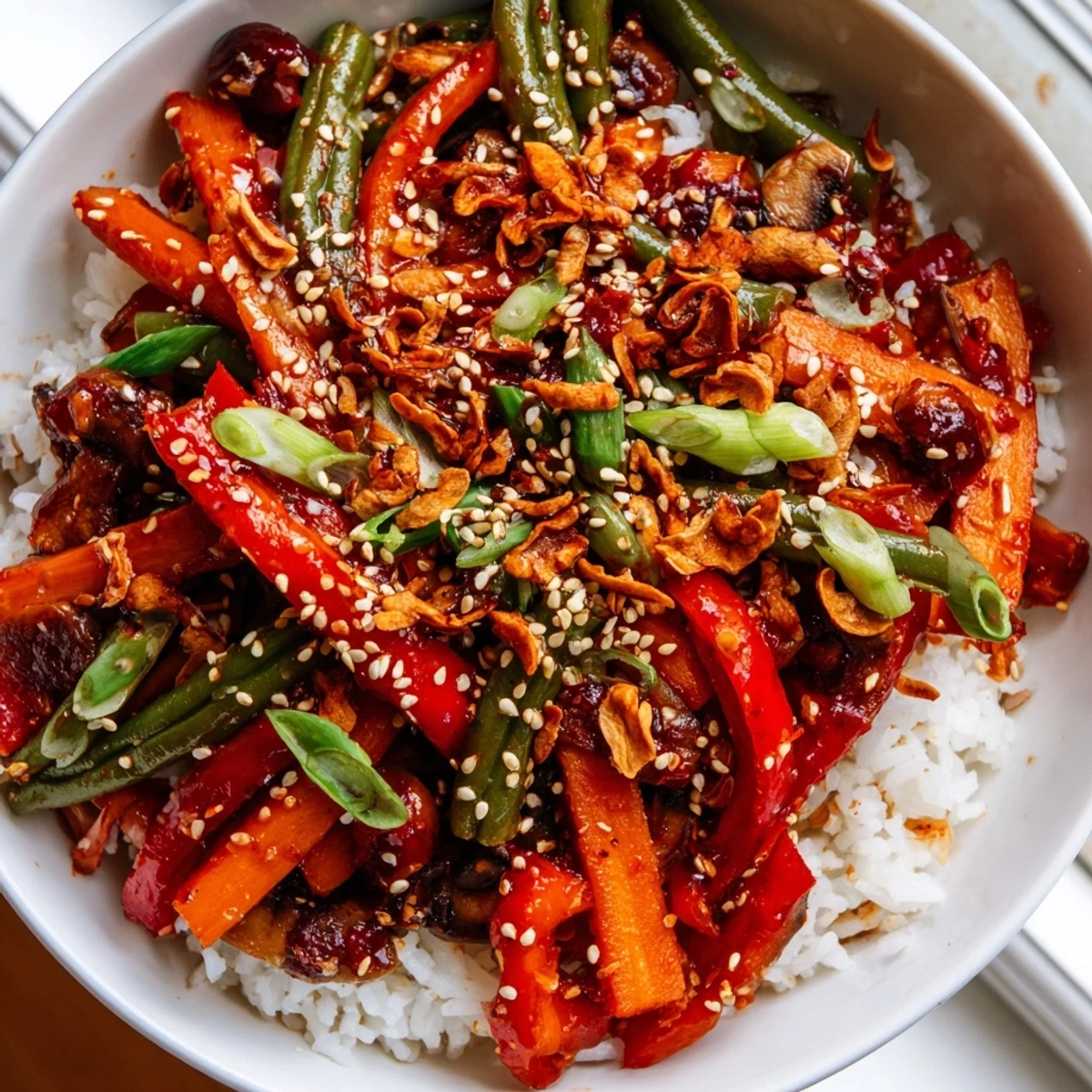
Save This Korean-inspired bowl brings together crisp-tender green beans, bell peppers, carrots, and mushrooms stir-fried in a bold gochujang sauce. Served over fluffy jasmine rice and finished with golden crispy garlic slices, toasted sesame seeds, and fresh herbs, it delivers a satisfying balance of heat, texture, and umami.
Ready in just 40 minutes, this plant-based dish is perfect for weeknight dinners and easily adapts to your spice preference. Add tofu or edamame for extra protein.
My wok was still sizzling from a failed attempt at pad thai when I decided to pivot entirely and toss together whatever vegetables were wilting in my crisper drawer with a jar of gochujang I had been ignoring for months. That happy accident turned into the most requested dinner in my household, a bowl so vivid and satisfying that even my takeout loyalist roommate stopped ordering Korean delivery on weeknights.
I made this for a friend who claimed she hated green beans, watching her go back for seconds and then thirds before admitting these were different. There is something about the char and the sticky sauce that transforms an ordinary vegetable into the thing everyone fights over.
Ingredients
- Green beans (400 g, trimmed): The star of the bowl, so pick beans that snap when you bend them and avoid any that feel limp or leathery.
- Red bell pepper (1 medium, thinly sliced): Brings sweetness and a bright color contrast that makes the bowl look as good as it tastes.
- Carrots (2 medium, julienned): Cut them thin so they cook quickly alongside the beans and pick up the sauce evenly.
- Shiitake or cremini mushrooms (100 g, sliced): Shiitake give a deeper, earthier flavor, but cremini work beautifully if that is what you have.
- Spring onions (2, sliced, white and green separated): The white parts get sauteed early for a savory base, while the greens become a fresh finishing garnish.
- Jasmine or short grain rice (250 g, rinsed): Rinsing removes excess starch and gives you fluffy, separate grains that soak up the sauce without turning gummy.
- Gochujang (3 tbsp): The soul of this dish, a fermented Korean chili paste that is less about raw heat and more about deep, complex, slightly sweet warmth.
- Soy sauce (1 1/2 tbsp): Adds salt and umami to anchor the sauce, and you can swap in tamari if you need it gluten free.
- Toasted sesame oil (1 tbsp): A little goes a long way and its nutty aroma makes the whole kitchen smell incredible.
- Rice vinegar (2 tsp): Balances the sweetness and richness with a gentle tang that brightens every bite.
- Maple syrup or agave (2 tsp): Rounds out the chili heat and helps the sauce caramelize slightly when it hits the hot pan.
- Water (2 tbsp): Just enough to thin the sauce so it coats the vegetables instead of clumping.
- Garlic cloves (4 large, thinly sliced): Sliced, not minced, because thin slices fry up into shatteringly crisp little ribbons that are impossible to stop eating.
- Neutral oil (2 tbsp): Use one tablespoon for frying the garlic and one for stir frying the vegetables so nothing burns.
- Toasted sesame seeds (1 tbsp): A sprinkle at the end adds crunch and a toasty finish that ties everything together.
- Fresh cilantro or microgreens (optional): Either one adds a fresh, grassy pop that lifts the whole bowl.
Instructions
- Get the rice going:
- Rinse the rice under cold water until it runs mostly clear, then cook it according to the package directions while you prepare everything else so it is ready and warm when the vegetables are done.
- Whisk the sauce:
- In a small bowl, stir together the gochujang, soy sauce, sesame oil, rice vinegar, maple syrup, and water until you have a smooth, unified sauce with no lumps, then set it beside the stove where you can grab it quickly.
- Fry the crispy garlic:
- Heat one tablespoon of neutral oil in a large skillet or wok over medium heat, add the sliced garlic, and stir constantly for about two to three minutes until the slices turn a deep golden brown, then immediately scoop them out with a slotted spoon onto a paper towel because they will burn fast if you hesitate.
- Build the vegetable base:
- In the same skillet with the remaining tablespoon of oil turned up to medium high, toss in the white parts of the spring onions and let them sizzle for about thirty seconds until fragrant.
- Cook the mushrooms:
- Add the sliced mushrooms and spread them out, letting them cook undisturbed for a minute before stirring so they develop some golden edges, about two to three minutes total.
- Add the main vegetables:
- Toss in the green beans, bell pepper, and julienned carrots, then stir fry everything together for four to five minutes until the beans are crisp tender and still have a slight snap when you bite one.
- Sauce and toss:
- Pour the gochujang sauce over the vegetables and toss vigorously so every piece gets coated, cooking for one to two minutes until the sauce bubbles, thickens slightly, and clings to everything in a glossy layer.
- Assemble the bowls:
- Divide the warm rice among four bowls, spoon the saucy vegetables on top, and finish with the crispy garlic, sesame seeds, green onion tops, and a scattering of cilantro or microgreens if you are using them.
 Save
Save One rainy Tuesday I packed the leftover vegetables and rice into a container for lunch the next day, and when I reheated it at work three coworkers stopped mid conversation to ask what smelled so incredible.
Making It Your Own
This bowl is endlessly adaptable once you understand the basic structure of crisp vegetables, bold sauce, and that crunchy garlic topping. Pan fried tofu cubes tossed in at the end turn it into a proper feast, and steamed edamame scattered on top adds protein without any extra cooking.
Storing and Reheating Leftovers
Keep the crispy garlic in a small separate container if you can manage it, because it loses its crunch when stored with the saucy vegetables overnight. Everything else holds up beautifully in the fridge for up to three days and reheats in a skillet or microwave in just a couple of minutes.
What to Watch Out For
Most of the common pitfalls with this recipe come down to timing and heat management rather than technique. A few small adjustments make a huge difference in the final result.
- Do not skip rinsing the rice or you will end up with a sticky clump that fights the sauce instead of absorbing it.
- Crowd the pan too much and the vegetables will steam instead of stir fry, so use the largest skillet you own.
- Taste the finished sauce on a bean before serving and adjust with an extra splash of soy sauce or maple syrup if it needs balancing.
 Save
Save Some bowls are just dinner, but this one feels like a small celebration of how good vegetables can be when you treat them right. Keep a jar of gochujang in your fridge and this meal is never more than twenty minutes away.
Recipe FAQs
- → Can I make this bowl ahead of time for meal prep?
-
Yes, this bowl stores well for meal prep. Keep the rice, vegetable mixture, and crispy garlic in separate airtight containers in the refrigerator for up to 3 days. Reheat the rice and vegetables together, then add the crispy garlic just before eating to maintain its crunch.
- → What can I substitute for gochujang?
-
If gochujang is unavailable, you can mix miso paste with sriracha or sambal oelek as a rough substitute. The flavor won't be identical, but it will still deliver a spicy, fermented depth. Alternatively, a blend of Korean red pepper flakes (gochugaru) with a little soy sauce and maple syrup works well.
- → How do I adjust the spice level?
-
For milder heat, reduce the gochujang to 1 or 2 tablespoons and add extra soy sauce and maple syrup to balance the flavor. For more spice, increase the gochujang or add a pinch of Korean red pepper flakes or a dash of sriracha to the sauce.
- → What protein additions work best with this bowl?
-
Pan-fried or baked tofu cubes are an excellent match, soaking up the gochujang sauce beautifully. Steamed edamame, tempeh, or chickpeas also pair well. For a non-vegan option, a soft fried egg on top adds richness and complements the spicy-sweet sauce perfectly.
- → How do I ensure the garlic gets crispy and doesn't burn?
-
Slice the garlic evenly and thinly, then cook it in oil over medium heat, stirring frequently. Remove the slices as soon as they turn light golden, as they will continue to darken from residual heat. Using a slotted spoon helps remove them quickly. Never cook garlic on high heat if you want it crispy without bitterness.
- → Is this dish gluten-free?
-
The standard version contains gluten from soy sauce and some gochujang brands. To make it gluten-free, substitute soy sauce with tamari and use certified gluten-free gochujang. Always double-check the labels on your gochujang, as some brands include wheat in their ingredients.