
 Save
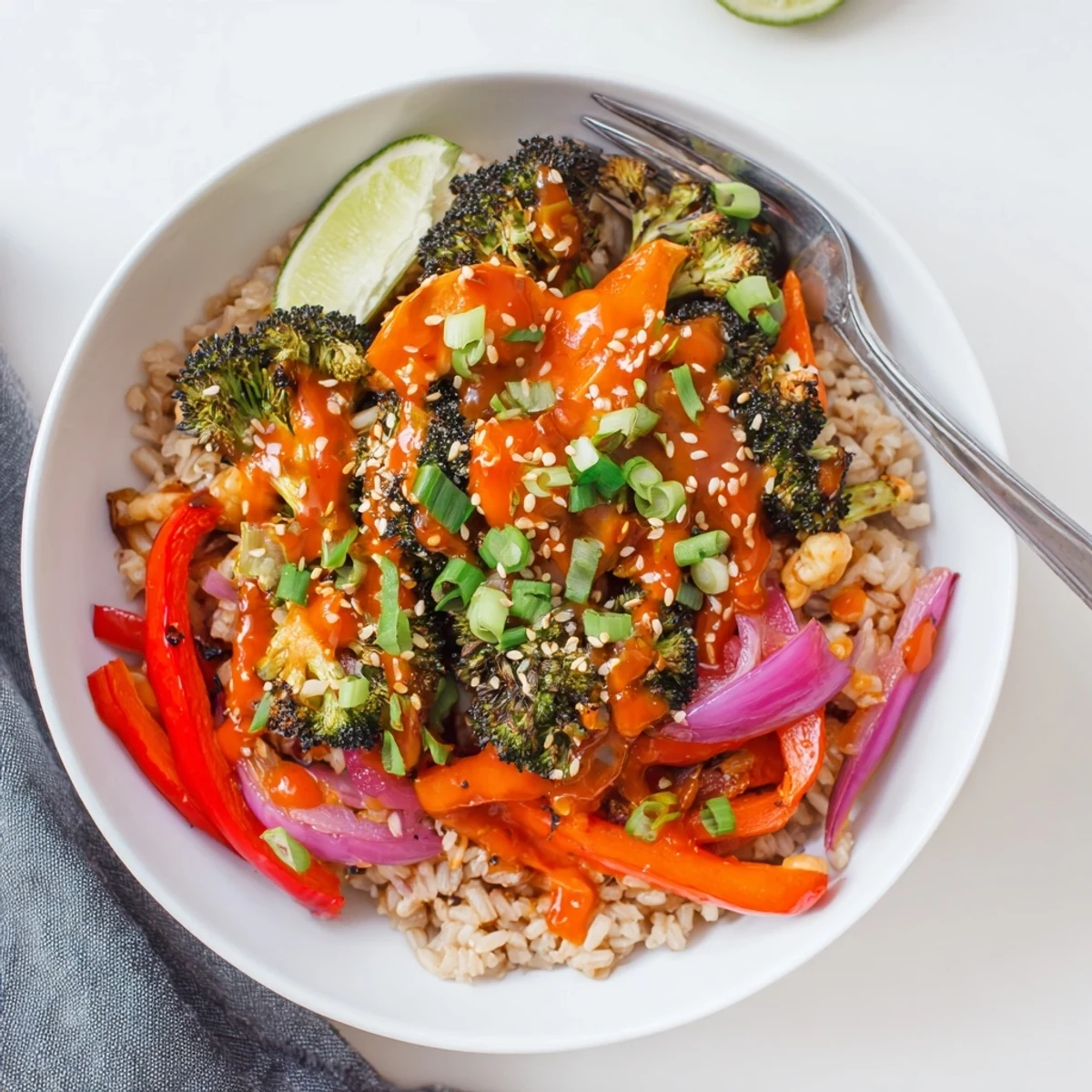
Save This Korean-inspired bowl starts with florets, bell pepper, carrot and red onion tossed in a bold gochujang-sesame glaze. Roast at 425°F until edges caramelize, then serve over warm brown rice. Top with toasted sesame seeds, scallions and a squeeze of lime for brightness.
Swap in tofu or edamame for protein, adjust gochujang for heat, or use quinoa for a lighter base.
The sizzle of veggies roasting in the oven always reminds me of those lively weeknights when I want something bold but effortless. The sharp scent of garlic and ginger whisking into gochujang sauce makes my kitchen feel like it's about to throw a party. Preparing this spicy broccoli veggie bowl the first time was less about searching for comfort, more about chasing color and crunch. It's a dish that practically insists you plate it with a flourish, and that energy is contagious.
One Thursday last spring, I threw this together while chatting with a friend perched on my kitchen counter, both of us absentmindedly munching sesame seeds. The vibrant colors drew us in, but the tangy aroma of roasting broccoli kept our conversation drifting back to dinner. Even my friend who claimed not to like spicy food cleaned their bowl. We ended up scraping the sauce bowl with rice, not wanting a single glossy drop to go to waste.
Ingredients
- Broccoli: Florets roast up tender and caramelized trust me never skip tossing them in sauce before roasting.
- Red bell pepper: Adds natural sweetness and vibrant color plus it softens beautifully under high heat.
- Carrot: Sliced on the bias for quicker, even roasting with just the right amount of crunch left.
- Red onion: Turns jammy and sweet in the oven balancing the spicy gochujang kick.
- Cooked brown or white rice: Your sturdy, comforting base; I lean on brown rice for extra nutty depth but both work well.
- Gochujang (Korean chili paste): Essential for heat, savoriness, and that characteristic Korean flavor profile brighten it with cider vinegar, if you like.
- Soy sauce: Adds deeply savory umami, but tamari swaps in seamlessly for gluten-free needs.
- Toasted sesame oil: Just the right touch of smoky nuttiness—add sparingly for best flavor.
- Maple syrup or agave: Use for a gentle sweetness that plays off the fire of the gochujang.
- Rice vinegar: Brightens and balances the sauce so it doesn't overwhelm the veggies.
- Garlic: Minced fresh, its bite softens as it roasts and perfumes the whole bowl.
- Fresh ginger: Brings a sharp warmth and helps the sauce pop—never use powdered here.
- Toasted sesame seeds: For a nutty crackle in every bite toasted seeds make all the difference.
- Scallions: Vibrant, fresh, and peppery; slice thinly for the best scatter on top.
- Fresh cilantro or parsley: Lifts everything with a flash of green and herby brightness optional but worth it if you have some.
- Lime wedges: A final spritz ties the flavors together and adds a zesty finish right at the table.
Instructions
- Fire up the oven:
- Preheat to 425°F (220°C) and line a sheet with parchment—hear it crinkle as you press it down, promising easy cleanup later.
- Prep the veggies:
- Tumble broccoli, pepper, carrot, and onion into a big bowl; their colors will already look like a painter's palette.
- Whisk the sauce:
- Combine gochujang, soy, sesame oil, maple, vinegar, garlic, and ginger until gleaming and smooth—the aroma will have you sneaking a taste.
- Dress and toss:
- Pour half the sauce over the waiting veggies and mix with your hands for the most even coating—don't hold back.
- Roast to perfection:
- Spread vegetables on the tray and roast 20–25 minutes, flipping halfway so the edges caramelize and crisp.
- Assemble the bowls:
- Spoon rice into bowls, top with the golden roasted veggies, and drizzle with the remaining sauce for extra punch.
- Add the finishing touches:
- Scatter with sesame seeds, fresh scallions, cilantro if you have it, and set out lime wedges for that tangy, fresh squeeze right before eating.
 Save
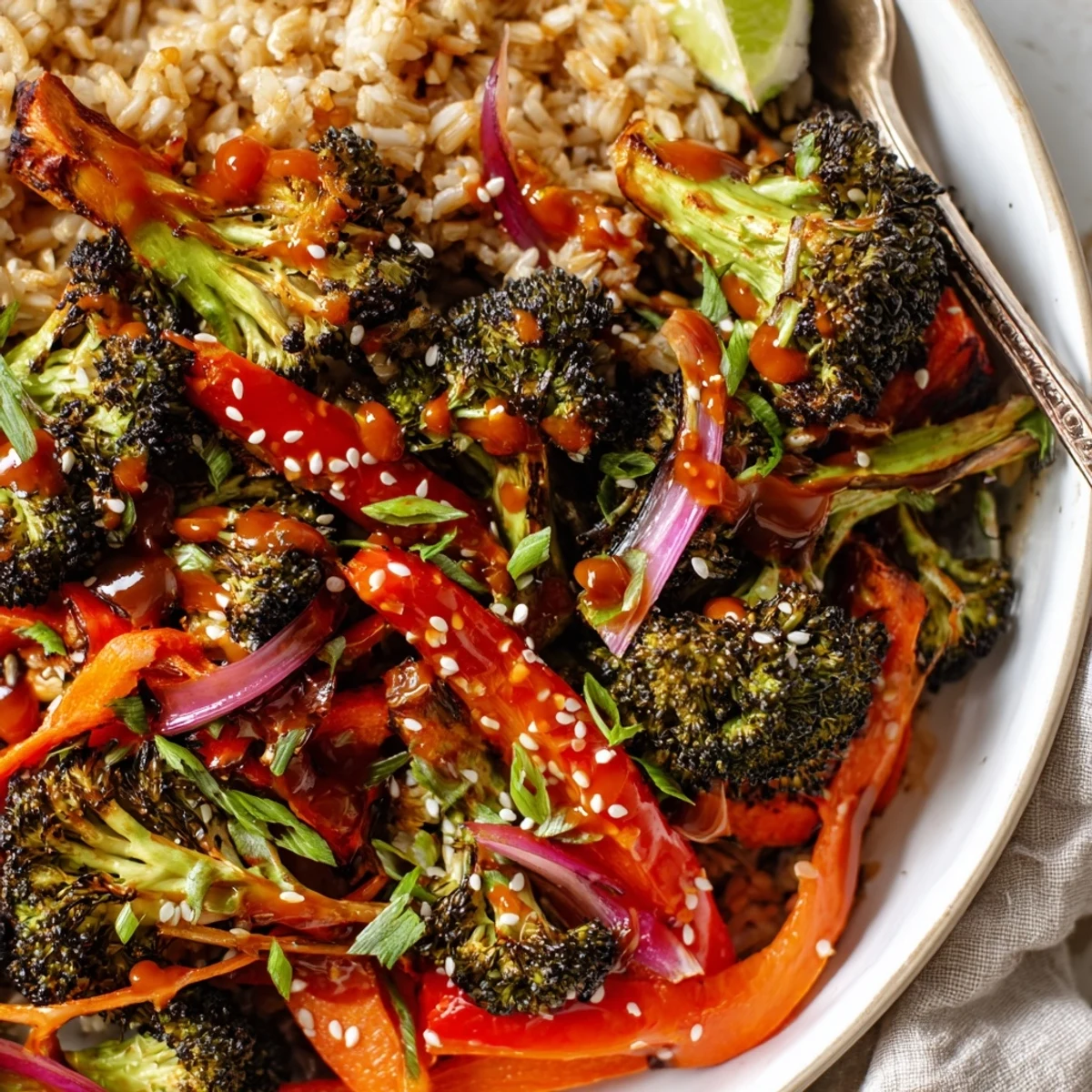
Save This bowl once turned an ordinary Tuesday into a tableful of laughter when every person at dinner layered on extra sauce, daring the next for more spice. With every forkful, a hum of happiness lingered—proof that a meal can spark connection without grand occasion.
A Saucy Tip for Extra Flavor
If you love bold taste, don't be shy with the reserved gochujang sauce. Drizzling it right after serving keeps the roasted veggies crispy yet loaded with mouthwatering heat.
Building in Protein (If You Want)
Toss in cubes of baked tofu or a handful of shelled edamame before roasting for a little extra protein punch. The sauce clings beautifully to tofu, making it a party for the taste buds and the eyes.
Make It Your Own—All About Variations
Quinoa or cauliflower rice slip perfectly under these veggies for an easy swap when rice isn't what you want. For even more crunch, add quick-pickled radishes or a sprinkle of peanuts before serving. I've even added leftover roasted sweet potatoes for a cozy, sweet balance—it never disappoints.
- Don't forget to taste the sauce and adjust to your heat tolerance before assembling.
- A dash of rice vinegar can brighten up leftovers on day two.
- Always buy gochujang suited to your spice level—they vary a lot!
 Save
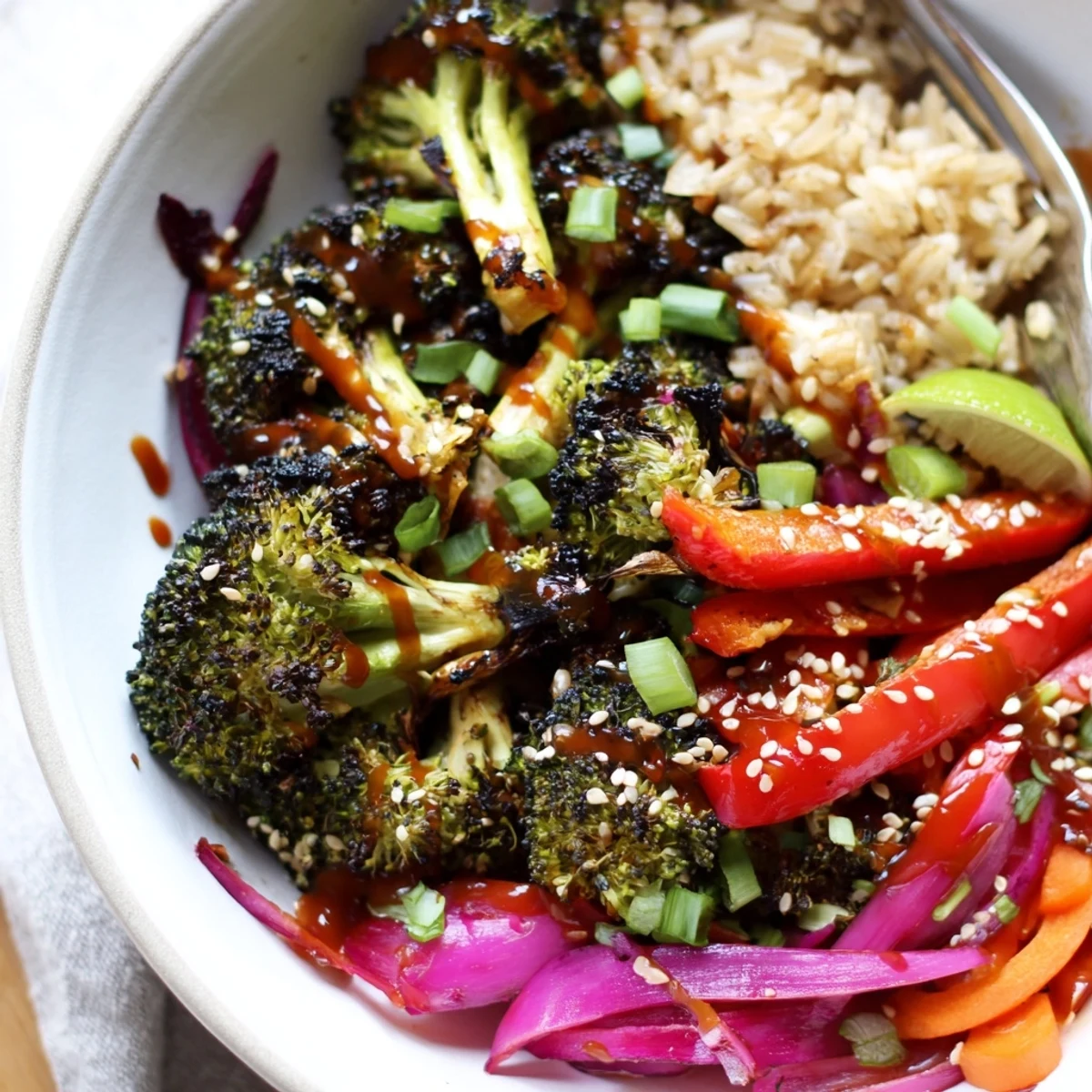
Save Hope this vibrant bowl brings as much fiery, cheerful energy to your table as it does to mine—here's to big flavors and everyday wins, one spoonful at a time.
Recipe FAQs
- → How can I make the broccoli crispy?
-
Cut florets into even pieces, dry them thoroughly, and roast in a single layer at 425°F. Toss once halfway and allow edges to caramelize for crisp-tender texture.
- → What can I use instead of gochujang?
-
Mix sambal oelek with a touch of miso and maple syrup for depth, or combine sriracha with soy sauce and a dash of rice vinegar to mimic the sweet-umami heat.
- → How do I make this gluten-free?
-
Choose a gluten-free gochujang or substitute with tamari-based chili paste, and use tamari in place of regular soy sauce to keep the glaze gluten-free.
- → What proteins pair well with this bowl?
-
Pan-baked or oven-baked tofu, steamed edamame, or crispy tempeh add protein and texture. Marinate or toss them in some of the gochujang sauce before serving.
- → Any tips for balancing heat and sweetness?
-
Start with less gochujang and add more to taste. Counter heat with a touch more maple syrup or a squeeze of lime to brighten flavors without overpowering.
- → How should leftovers be stored and reheated?
-
Store cooled components separately in airtight containers for up to 3 days. Reheat roasted veggies in a hot oven or skillet to revive edges; microwave for rice if pressed for time.