
 Save
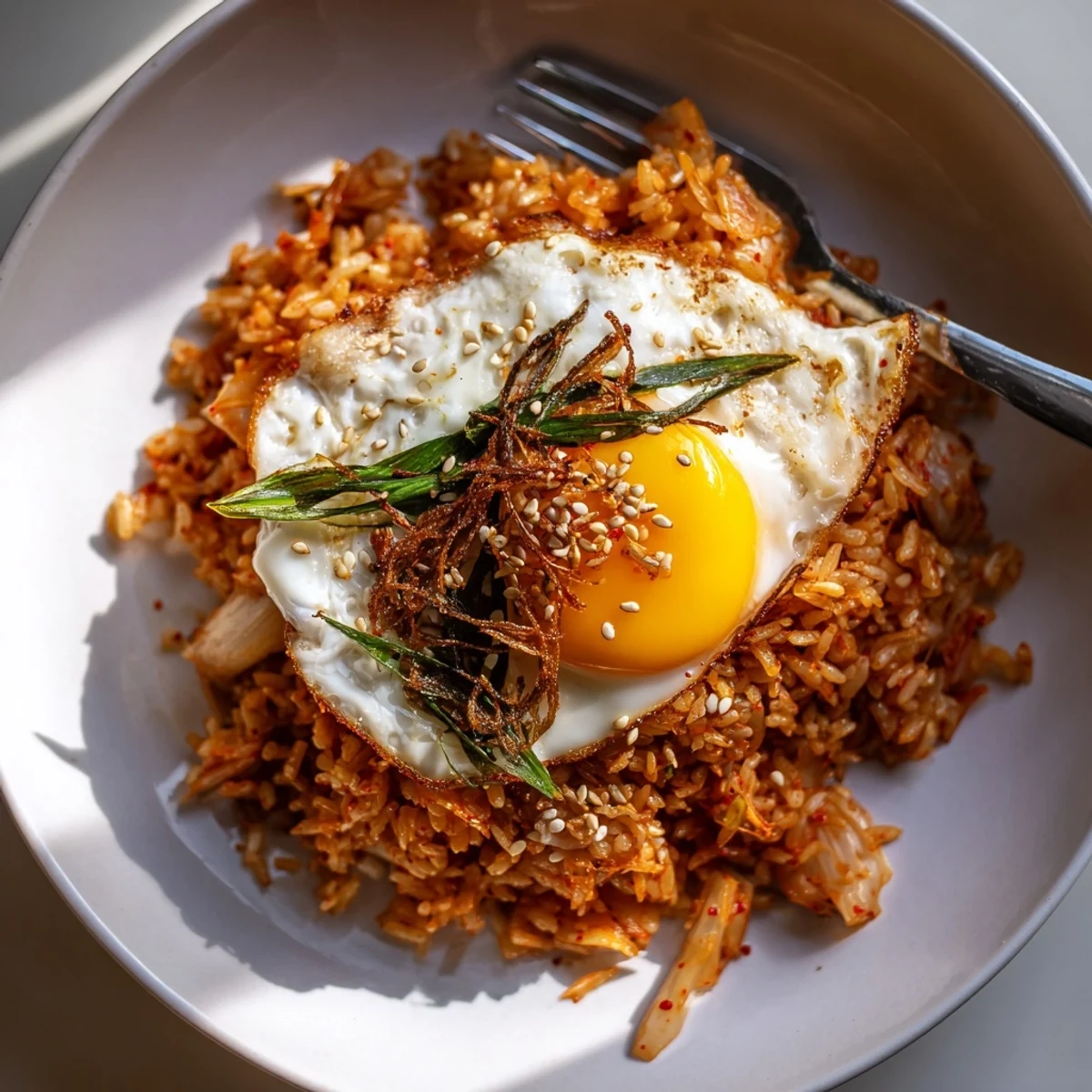
Save This kimchi and garlic fried rice combines day-old jasmine rice, chopped kimchi and its juice, minced garlic, and scallions, stir-fried with soy, sesame oil and optional gochujang. Crispy shallots fried until golden add crunch; finish with sesame seeds and an optional fried egg. Quick to make, adaptable with tofu or vegetables.
There's something electrifying about the sizzle of shallots hitting hot oil that always wakes me up, even on the sleepiest weekday afternoon. A craving for punchy, tangy flavors sent me rummaging for kimchi one breezy, dull Tuesday, and before I knew it, kimchi garlic fried rice became my answer to the eternal &what's for dinner& dilemma. This dish was not born of grand plans—just a surplus of rice and a hankering for something deeply satisfying. The memory of its aroma—a riot of garlic, spice, and toasted sesame—still makes me a little hungry every time I think of it.
Once, my housemate wandered into the kitchen mid-fry and declared it smelled 'better than any takeout joint down the street.' I let her sneak a crispy shallot or two from the draining plate, and by the time the rice hit the table, we were already giggling over whose chopsticks moved quicker. Moments like these make this fried rice feel like more than a meal—it's my favorite excuse to gather everyone in the kitchen, no occasion needed.
Ingredients
- Cooked jasmine rice: Day-old, cold rice is honestly non-negotiable—it fries up fluffy, never mushy, so I always plan for leftovers.
- Kimchi (plus juice): The heart and backbone of this dish; use your favorite brand and don’t waste the juice—it adds serious depth.
- Garlic: I go heavy on garlic for layers of rich aroma and heat, and mince it fine so it doesn’t burn.
- Onion: The extra sweetness rounds out kimchi’s tang; finely chopped for a quick, even sauté.
- Scallions: Separating white and green parts means double the flavor; the greens add freshness right at the end.
- Soy sauce: Adds umami backbone—taste toward the end and adjust to avoid over-salting.
- Gochujang: For the spicy, fermented kick; I add just a little, but you can dial it up or skip if mild is your mood.
- Toasted sesame oil: Just a drizzle at the end makes everything wonderfully nutty and fragrant.
- Black pepper: A pinch works wonders for warmth and depth.
- Shallots: Thinly sliced is key—use a sharp knife and take it slow for shatteringly crisp results.
- Neutral oil: Use something like vegetable or canola so the shallots and aromatics shine.
- Toasted sesame seeds: That subtle crunch and nutty finish—don’t skip if you have them.
- Fried eggs (optional): A runny yolk over hot rice is pure magic and meal-worthy on its own.
Instructions
- Crisp the shallots:
- Pour the neutral oil into a small skillet, gently heating it up. Add the shallots—they’ll bubble cheerfully—stirring often until they go golden and smell sweet, then scoop them out and let them rest on paper towels.
- Sauté aromatics:
- In a big skillet or wok, use a spoonful of the flavorful shallot oil and warm it over medium-high. Toss in the garlic, onion, and white scallion bits and stir just until they’re soft and your kitchen smells incredible.
- Caramelize the kimchi:
- Tip in the chopped kimchi and give it a few minutes so it browns slightly, mellowing some of the tartness. Stir in the kimchi juice and gochujang, letting the paste melt into everything.
- Add the rice:
- Tumble in all the cold rice—break up any clumps with your spatula and keep the grains moving so they heat and get lightly crisped in spots.
- Season and finish:
- Drizzle over the soy sauce and sesame oil, dust in the black pepper, then toss in the green parts of the scallion for a bright finish. Mix well until everything’s piping hot and dreamy.
- Spoon and top:
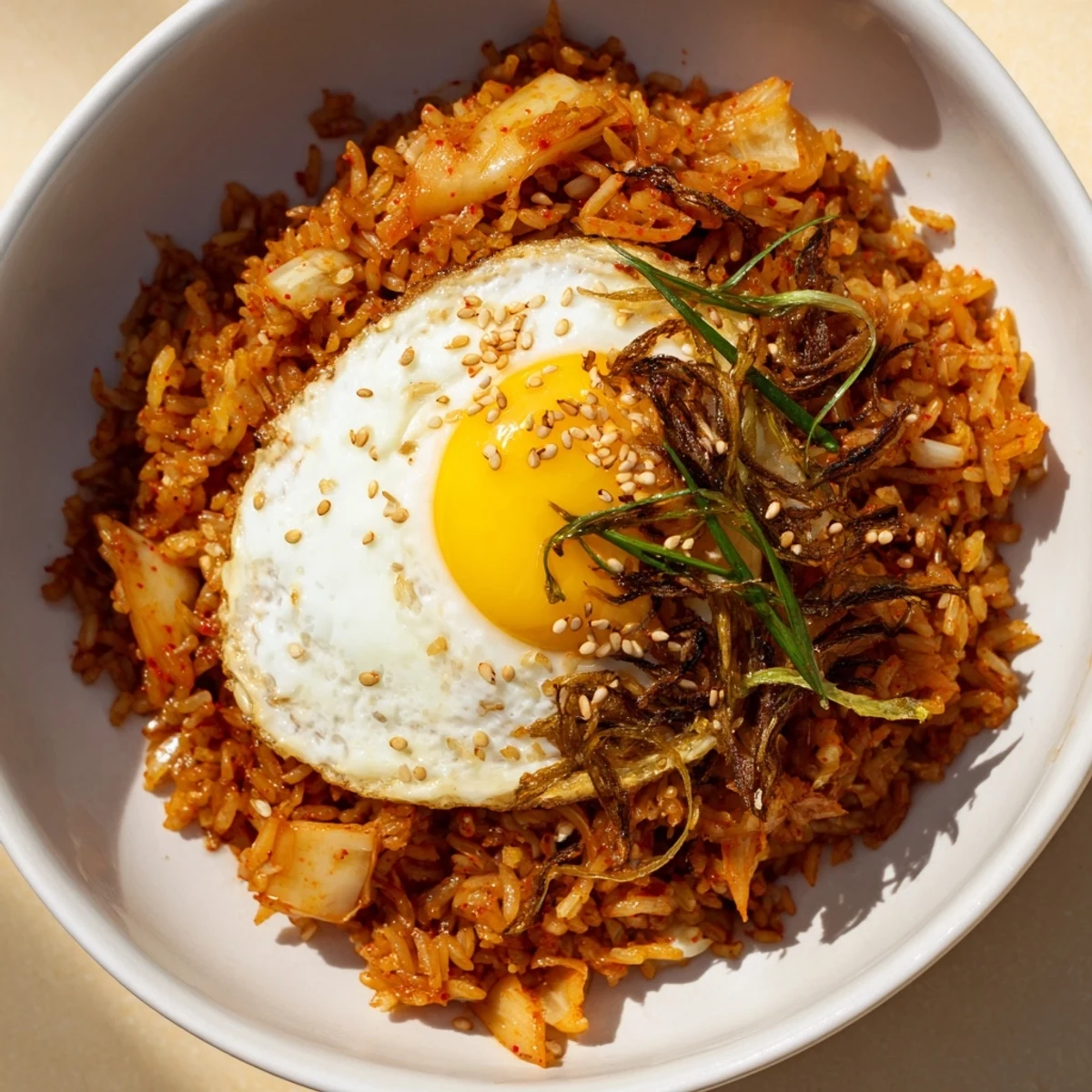
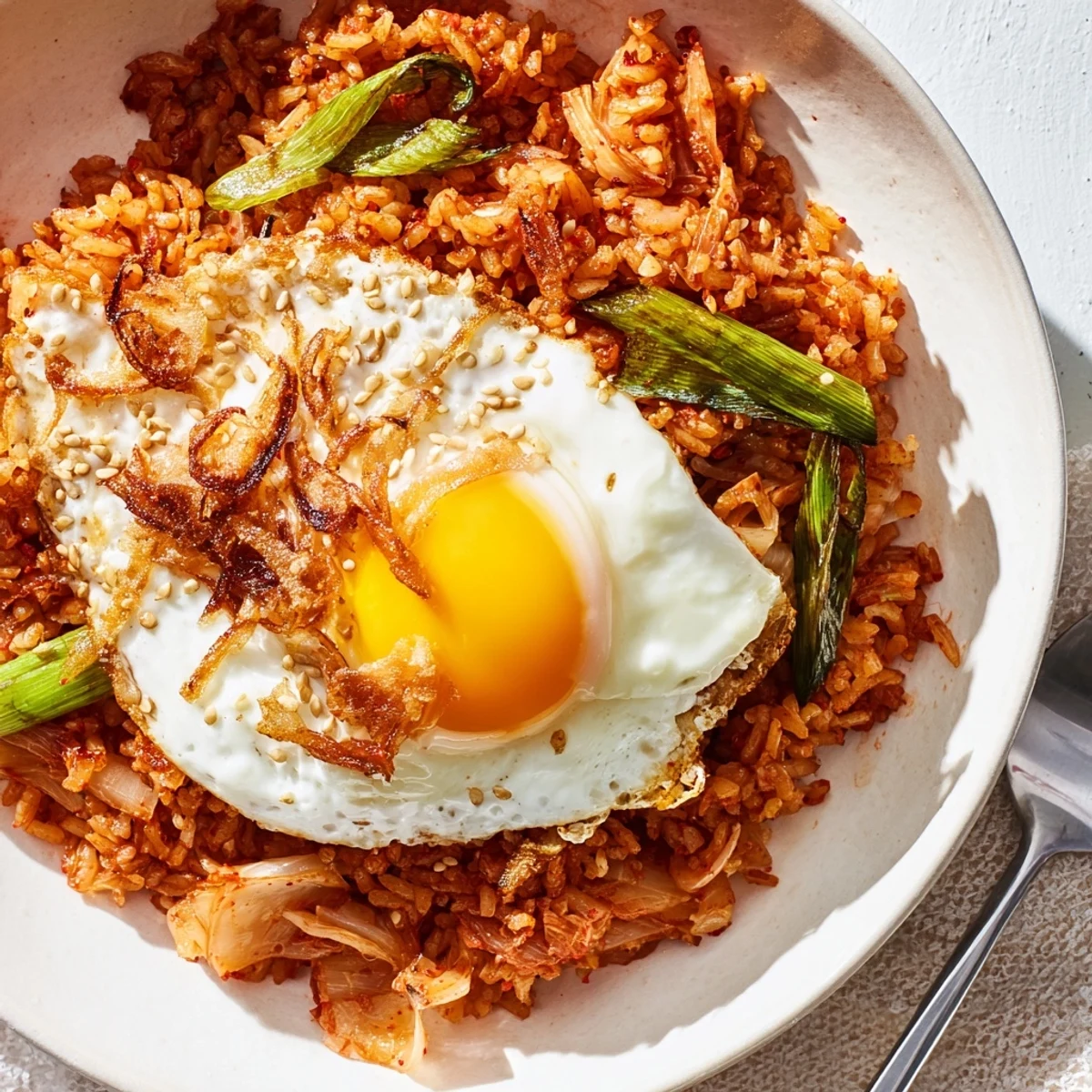
- Serve it all immediately, showered with your crispy shallots, sesame seeds, and, if you like, a fried egg perched on top.
 Save
Save I’ll never forget the impromptu dinner when a friend, arriving late from work, groaned in relief at the first forkful of this fried rice. Somehow, a simple bowl at the end of a long day felt like a tiny celebration—warm, familiar, and completely satisfying.
Best Ways to Customize Your Bowl
If the fridge has stray vegetables or bits of leftover tofu, toss them in—this rice welcomes improvisation without judgement. Mushrooms soak up the flavors beautifully, and carrots or peas add cheerful color. Even swapping in brown rice or another grain isn’t out of place here.
Simple Sidekicks to Serve With
I like pairing this with a chilled mug of barley tea or a crisp light lager if the mood calls for it. Quick cucumber pickles or a pile of lightly dressed greens are great to cut through the richness and heat. Whatever you serve alongside, the rice remains the star.
Troubleshooting & Last Second Fixes
Occasionally, I get distracted and let the shallots brown too quickly—don’t walk away, they go from perfect to burnt before you know it. If your rice feels a bit dry, a tablespoon or two of water or extra kimchi juice added near the end will fix it. Always give it a final taste before serving; sometimes just an extra dash of soy or sesame oil makes all the difference.
- If the skillet gets too dry while frying rice, drizzle in a little more of the reserved shallot oil.
- Keep the heat medium-high for that irresistible bit of char at the bottom.
- Scatter the crispy shallots on just before serving so they stay crunchy.
 Save
Save Hope this rice brings as much comfort and fun to your kitchen as it has to mine. Don’t be afraid to experiment—you might just stumble onto your new go-to meal!
Recipe FAQs
- → Why use day-old rice?
-
Day-old jasmine rice has a drier texture that prevents clumping and helps each grain fry up separated and slightly crisp rather than mushy.
- → How do I get perfectly crispy shallots?
-
Slice shallots thin, fry in neutral oil over medium heat, stir frequently to avoid burning, and remove once golden. Drain on paper towels to keep them crisp.
- → Can I adjust the spice level?
-
Yes—reduce or omit gochujang and use less kimchi juice for milder heat, or add more gochujang for extra kick. Balance with a touch more sesame oil or soy if needed.
- → What are good protein additions?
-
Fold in diced tofu, sliced mushrooms, or leftover cooked chicken for more protein. Add toward the end of stir-frying so they warm through without overcooking.
- → How should leftovers be stored and reheated?
-
Cool quickly, refrigerate in an airtight container for up to 3 days. Reheat in a hot skillet with a splash of oil, breaking up clumps to revive texture; avoid the microwave for best results.
- → How do I control saltiness?
-
Taste after adding soy and kimchi juice; dilute with a little rice or a splash of water if too salty, or add more rice and a squeeze of lime to brighten without extra salt.