
 Save
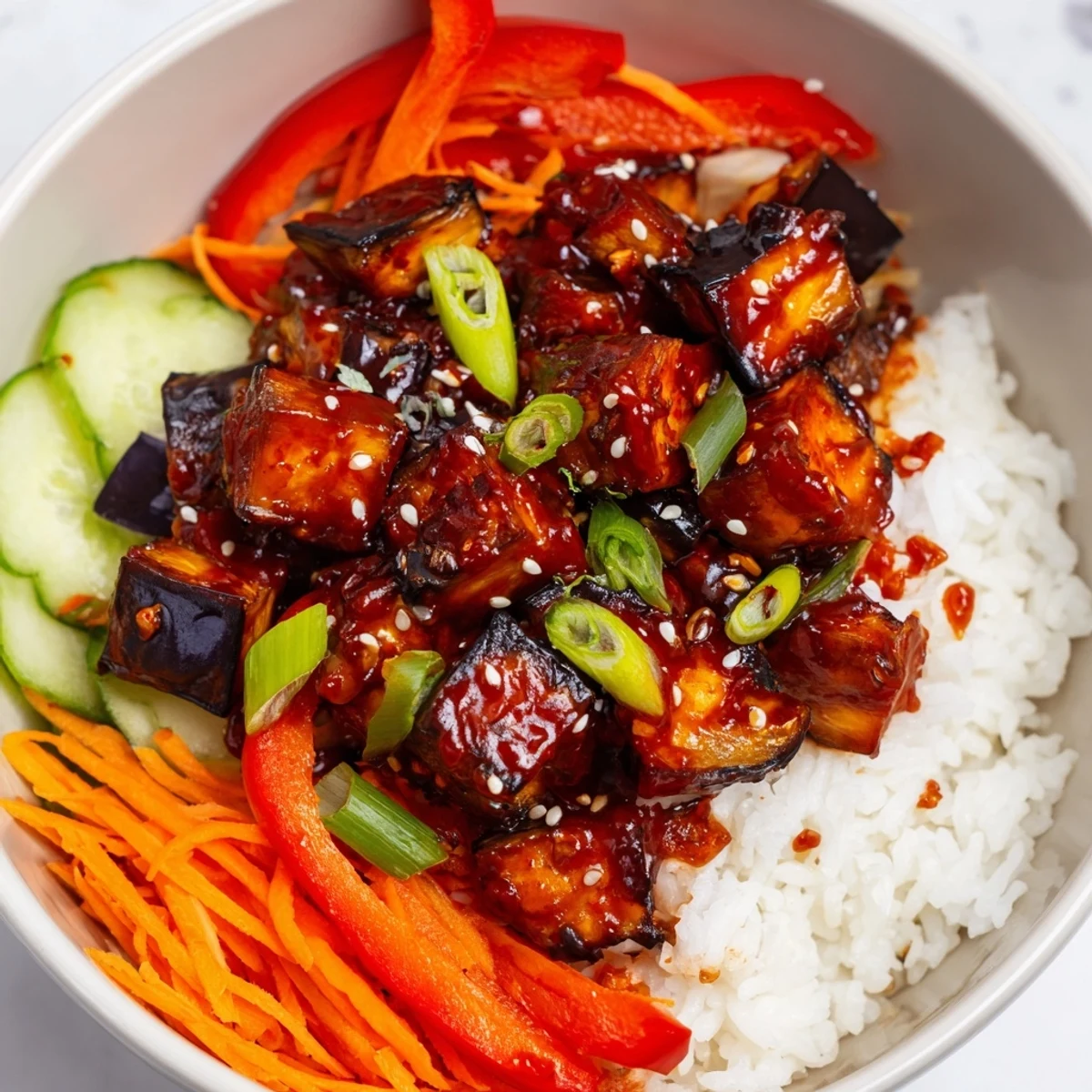
Save This Korean-inspired bowl features cubed eggplant roasted at high heat until deeply caramelized, then coated in a bold gochujang sauce made with soy sauce, rice vinegar, maple syrup, sesame oil, garlic, and ginger.
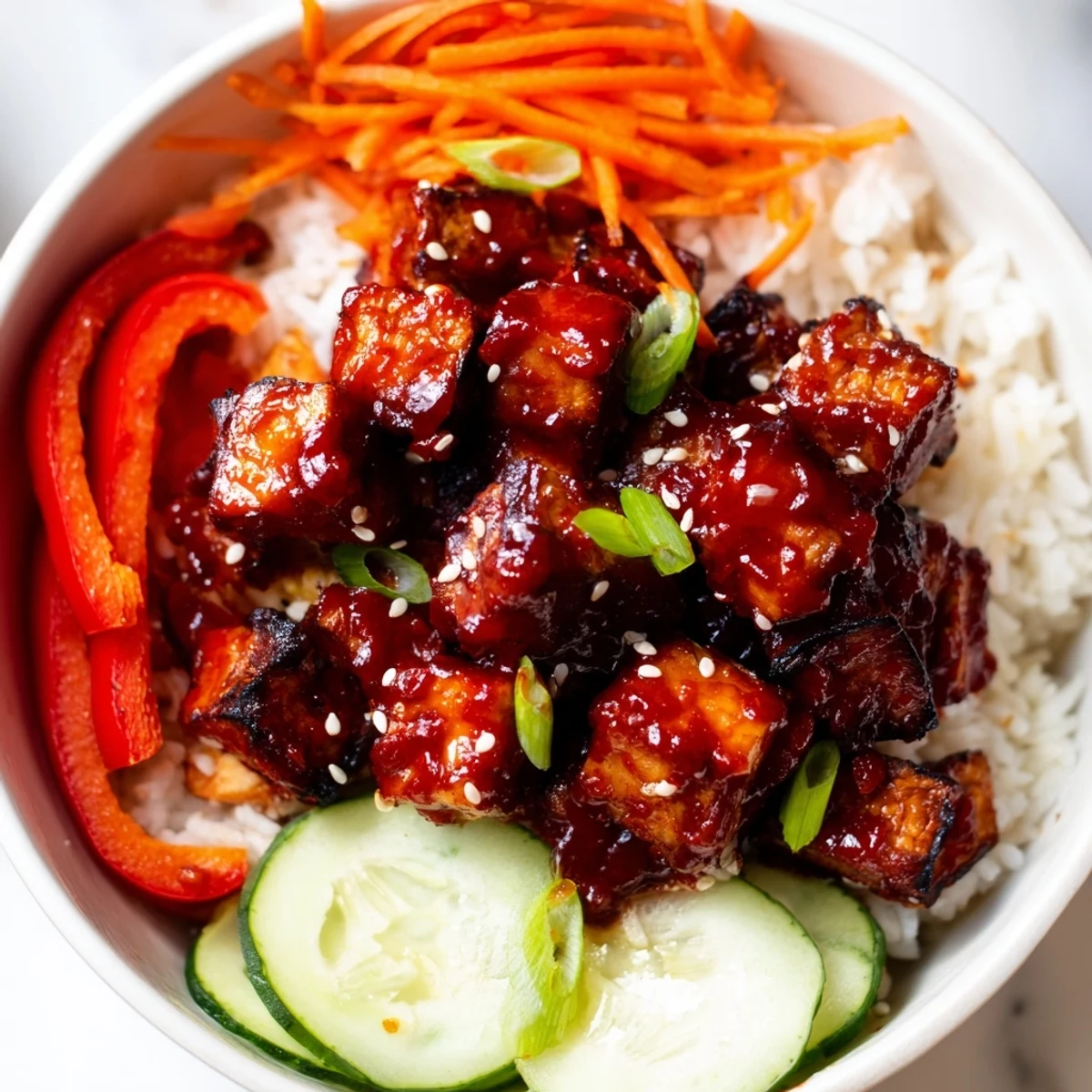
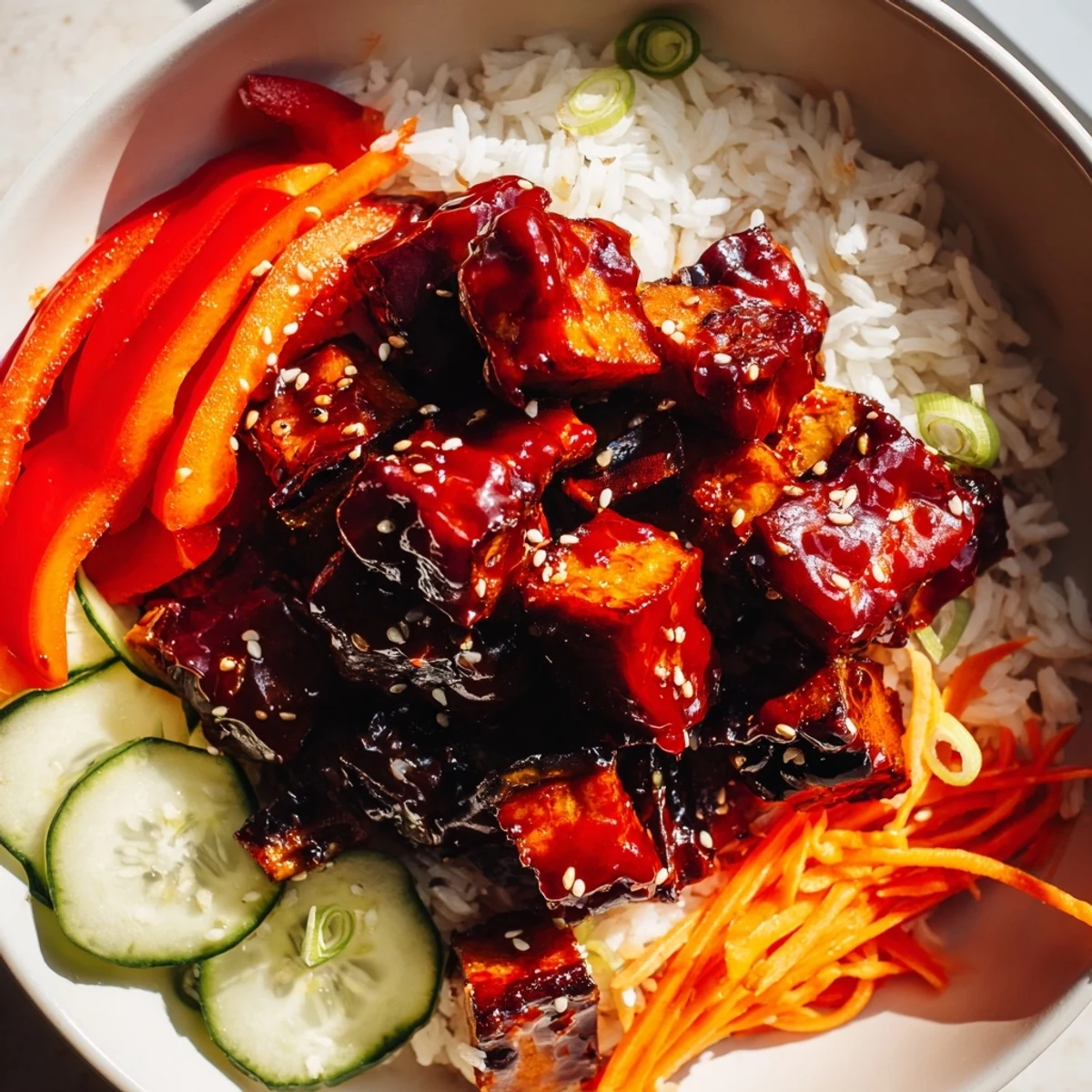
Layered over fluffy jasmine rice with shredded carrots, crisp cucumber, sliced bell peppers, and green onions, it delivers a satisfying mix of textures and flavors.
Finished with a generous sprinkle of toasted sesame seeds and fresh herbs, this dish comes together in under an hour and works beautifully for meal prep throughout the week.
The smell of gochujang hitting a hot oven for the first time stopped me mid sentence during a phone call with my sister. I had been experimenting with Korean flavors on a rainy Tuesday, something about the gloom outside pushing me toward bold, fiery food. That eggplant came out of the oven looking like lacquered jewels, and I burned my tongue tasting it straight off the pan because patience has never been my strength in the kitchen.
I brought this bowl to a potluck where a friend who normally picks at vegetables went back for thirds and asked me to text her the recipe before she even finished chewing. The crunch of raw cucumber against the sticky, caramelized eggplant is the kind of contrast that makes people close their eyes when they eat.
Ingredients
- 2 medium eggplants, cut into 1 inch cubes: Salting them briefly draws out moisture and helps them absorb more of that gorgeous sauce.
- 1 red bell pepper, sliced: Adds a bright sweetness that balances the fiery gochujang beautifully.
- 1 cup shredded carrots: Raw shredded carrots give the bowl a satisfying crunch and a pop of orange color.
- 1 cup cucumber, thinly sliced: Cool and crisp, these are the refreshing counterpoint every spicy bowl needs.
- 4 green onions, sliced: A sharp little bite that ties all the flavors together at the end.
- 3 tbsp gochujang (Korean chili paste): The heart and soul of this dish, offering fermented depth and a heat that builds slowly.
- 2 tbsp soy sauce: Brings salt and umami that anchor the sweeter elements of the sauce.
- 1 tbsp rice vinegar: A gentle acidity that keeps the sauce from feeling heavy or cloying.
- 1 tbsp maple syrup or honey: Just enough sweetness to round out the chili paste and let it caramelize.
- 1 tbsp toasted sesame oil: This is the fragrance that fills your kitchen and makes people ask what you are cooking.
- 2 cloves garlic, minced: Fresh garlic matters here because its sharpness cuts through the richness of roasted eggplant.
- 1 tsp grated ginger: A whisper of warmth that makes the sauce taste more complex than it actually is.
- 2 cups cooked jasmine or brown rice: The fluffy bed that soaks up every last drop of sauce at the bottom of the bowl.
- 2 tbsp toasted sesame seeds: Nutty little specks that add both texture and a toasty aroma.
- Fresh cilantro or mint leaves (optional): A handful of herbs at the end makes the whole bowl sing with freshness.
- 2 tbsp neutral oil (grapeseed or canola): Used for roasting because it lets the eggplant crisp without burning.
- Salt and pepper, to taste: Seasoning the eggplant before roasting is the step most people skip and regret.
Instructions
- Prepare your oven:
- Crank the oven to 425 degrees Fahrenheit and line a baking sheet with parchment paper so nothing sticks and cleanup stays effortless.
- Roast the eggplant:
- Toss the cubed eggplant with one tablespoon of oil, a generous pinch of salt, and pepper. Spread everything in a single layer on the sheet because overcrowding leads to steaming instead of that gorgeous caramelization you want. Roast for 20 minutes, flipping the cubes halfway through so they brown evenly.
- Build the gochujang sauce:
- While the eggplant roasts, whisk together gochujang, soy sauce, rice vinegar, maple syrup, sesame oil, garlic, and ginger in a small bowl until smooth. Taste it on your fingertip and adjust the heat if you are feeling brave or cautious.
- Add the bell peppers:
- After those first 20 minutes, scatter the sliced red bell pepper onto the baking sheet with the eggplant. Drizzle with the remaining oil and roast for 10 more minutes until the eggplant looks deeply caramelized and the peppers have softened just enough to lose their raw crunch.
- Coat everything in sauce:
- Transfer the hot roasted vegetables into a large bowl and pour the gochujang sauce over them. Toss vigorously, watching the glossy red sauce cling to every surface of the eggplant and peppers.
- Assemble your bowls:
- Divide the warm rice among four bowls, then pile on the saucy roasted vegetables, shredded carrots, cucumber slices, and green onions. The contrast of hot and cool ingredients is what makes each bite interesting.
- Finish and serve:
- Sprinkle generously with toasted sesame seeds and scatter fresh herbs on top if you are using them. Serve right away while the eggplant is still warm and the sauce is at its stickiest.
 Save
Save One evening I ate this bowl sitting on the kitchen floor because the table was covered in mail and I could not wait long enough to clear it off. Sometimes the best meals happen in the most undignified ways.
What to Serve Alongside
A glass of chilled green tea or a crisp Riesling cuts right through the richness of the gochujang and cools the palate between bites. I have also served this with a quick pickled radish on the side, which adds a sharp tangy crunch that complements the sticky eggplant perfectly.
Making It Your Own
This bowl welcomes substitutions with open arms. Try baked tofu or a soft boiled egg on top for protein, or swap the rice for quinoa and cauliflower rice if you want something lighter. The gochujang sauce itself is endlessly versatile, so make extra and drizzle it over roasted broccoli, crispy tofu, or even a plain bowl of noodles later in the week.
Storing and Reheating
Store the roasted vegetables and rice separately in airtight containers in the refrigerator for up to three days.
- Reheat the eggplant and peppers in a skillet over medium heat to bring back some of that caramelized texture.
- Keep fresh toppings like cucumber and herbs in their own container so they stay crisp.
- The sauce intensifies overnight in the fridge, so you may want a splash of rice vinegar to brighten it up the next day.
 Save
Save This is the kind of recipe that makes you feel like a better cook than you actually are, and there is nothing wrong with embracing that. Share it generously and do not be surprised when it disappears.
Recipe FAQs
- → Can I make this less spicy for sensitive palates?
-
Absolutely. Start with one tablespoon of gochujang instead of three, and add more to taste. You can also balance the heat with an extra drizzle of maple syrup or a spoonful of tahini mixed into the sauce.
- → What's the best way to get caramelized eggplant?
-
Cut the eggplant into even one-inch cubes and toss with a bit of oil, salt, and pepper before spreading in a single layer on the baking sheet. Avoid overcrowding the pan, and flip the cubes halfway through roasting at 425°F for the best caramelization.
- → Can I meal prep this bowl ahead of time?
-
Yes, this bowl is excellent for meal prep. Store the roasted eggplant and sauce separately from the fresh vegetables and rice. Reheat the eggplant and rice, then add the fresh toppings just before eating for the best texture contrast.
- → What protein additions work well here?
-
Baked tofu cubes, pan-seared tempeh, or a soft-boiled egg all pair wonderfully with the gochujang flavors. Edamame is another quick option that adds plant-based protein without extra cooking.
- → Is there a low-carb alternative to rice?
-
Cauliflower rice works great as a low-carb base. Quinoa is another nutritious option if you prefer a whole grain. Both absorb the gochujang sauce beautifully and keep the dish satisfying.
- → How do I store and reheat leftovers?
-
Keep leftovers in an airtight container in the refrigerator for up to four days. Reheat the eggplant and rice in the microwave or on the stovetop over medium heat, adding a splash of water if the sauce has thickened too much.