
 Save
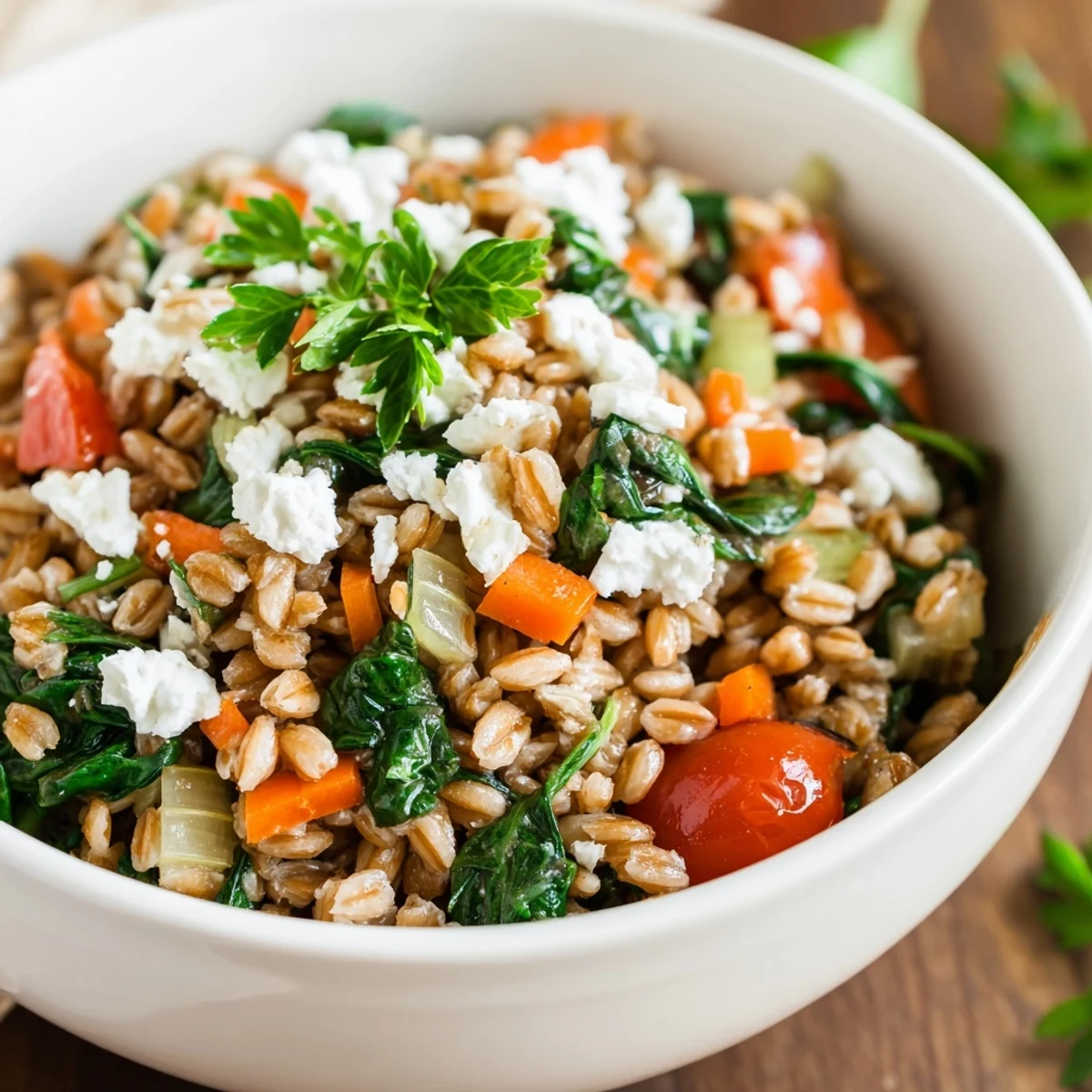
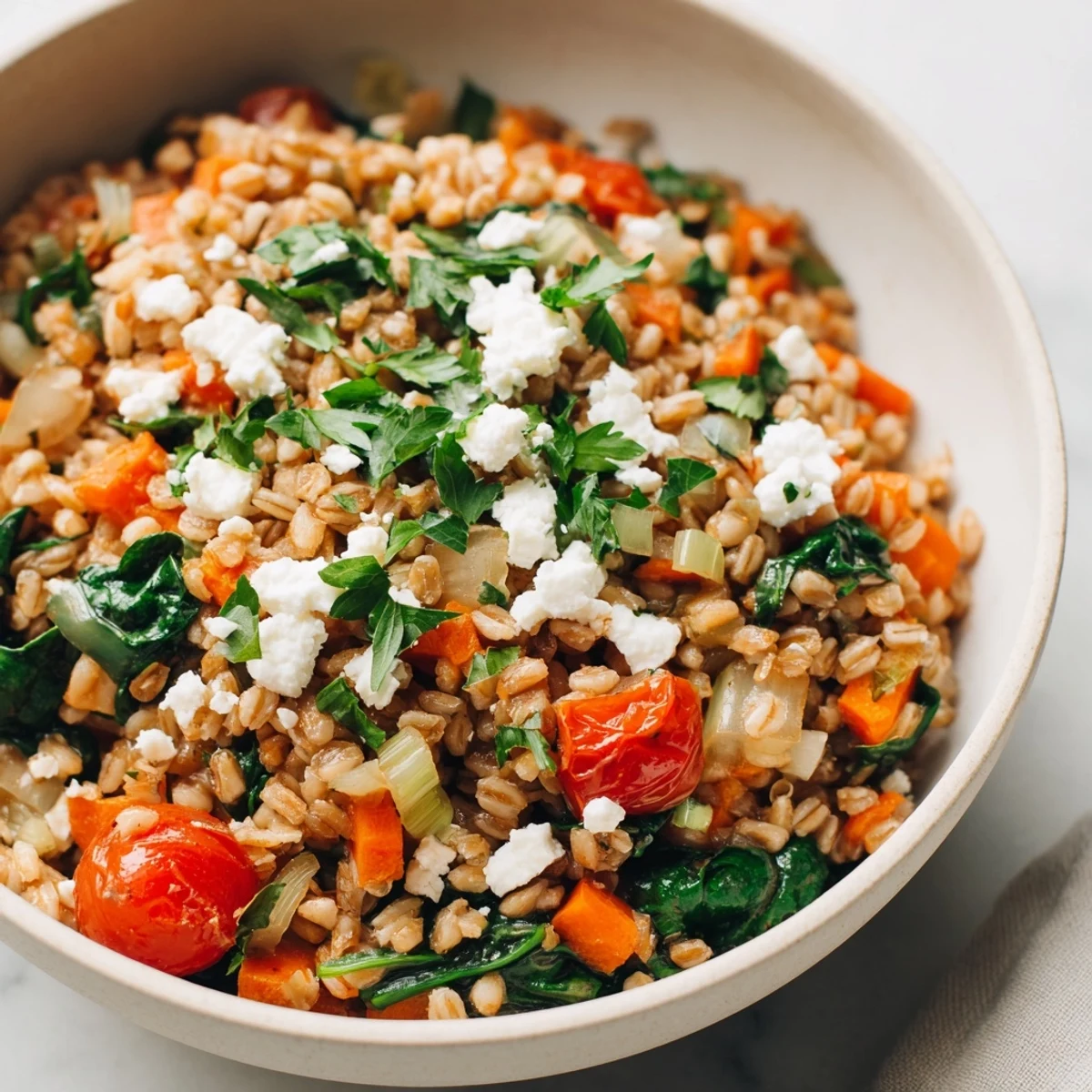
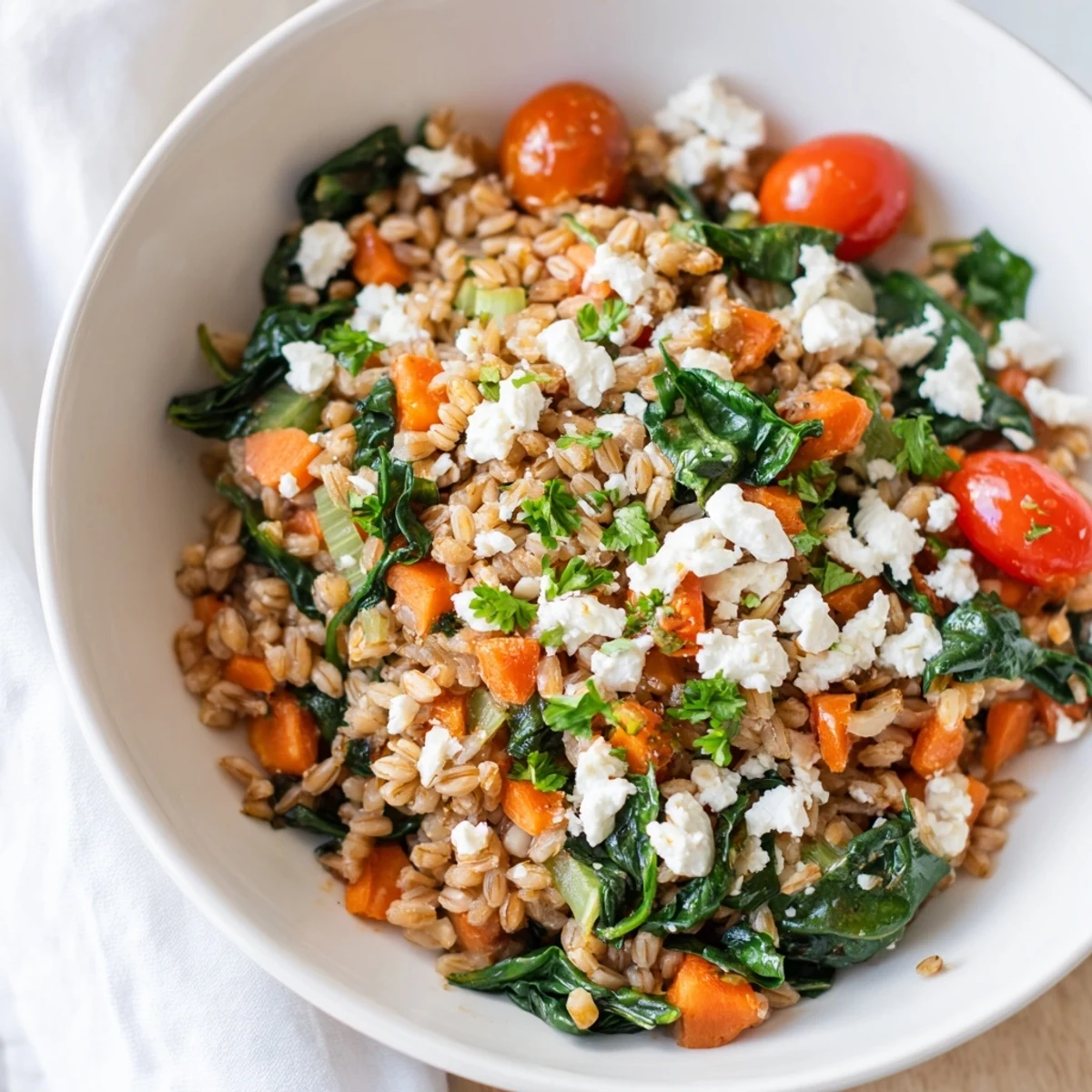
Save This dish features farro simmered until tender, then combined with sautéed onion, carrot, celery, and garlic. Cherry tomatoes and fresh spinach are stirred in, bringing vibrant color and flavors. Finished with lemon juice and parsley, it offers a warm, hearty meal bursting with Mediterranean-inspired notes. Optional feta adds a creamy touch.
Quick to prepare and easy to customize, it's perfect for a wholesome side or light vegetarian option that combines nutty grains and fresh vegetables with simple seasoning.
There's something about the way farro catches the light when it's cooking that makes me stop and actually pay attention. I discovered this dish on a quiet Tuesday evening when I had a handful of vegetables that needed using up and a craving for something more interesting than plain grains. The nutty flavor of farro, the way it stays just slightly chewy no matter how long you cook it, immediately became a comfort I reached for again and again.
I made this for my neighbor one autumn afternoon, and she ate it straight from the skillet while we stood in my kitchen talking about gardens and the way seasons change. She asked for the recipe before she'd even finished her bowl, which told me everything I needed to know about whether it was worth the effort.
Ingredients
- Farro: This ancient grain has a tender yet pleasantly chewy texture and a subtle nuttiness that makes it feel substantial without being heavy.
- Vegetable broth or water: Broth adds flavor, but water works fine if that's what you have, and the vegetables will season everything beautifully anyway.
- Olive oil: Just enough to let the vegetables soften and release their flavors without making the dish feel greasy.
- Yellow onion, carrot, and celery: This aromatic base is the foundation that makes everything taste deeper and more intentional.
- Garlic: Added after the softer vegetables so it doesn't burn, just a minute of cooking releases its perfume throughout the dish.
- Cherry tomatoes: They add bright acidity and color, and they soften slightly but don't turn to mush if you don't overcook them.
- Fresh baby spinach: It wilts almost instantly, so it goes in at the very end to stay vibrant and tender.
- Sea salt and black pepper: These are your adjustment tools at the end, so taste as you go and be generous.
- Dried thyme and fresh parsley: Thyme goes in early to meld into the dish, while parsley is a final bright note that wakes everything up.
- Lemon juice: This is the secret that lifts the whole thing, cutting through richness and making every element taste more like itself.
- Feta cheese: Optional but worthwhile, it adds a salty, creamy contrast that makes this feel finished.
Instructions
- Start the farro:
- Combine rinsed farro and vegetable broth in a medium saucepan and bring it to a boil. You'll see the liquid start to bubble vigorously, then reduce the heat to low, cover it, and let it simmer for 25–30 minutes until the grains are tender but still have a slight chew to them.
- Build the vegetable base:
- While the farro cooks, heat olive oil in a large skillet over medium heat and add the chopped onion, carrot, and celery. Sauté for 5–6 minutes, stirring occasionally, until the vegetables soften and the kitchen starts to smell like something good is happening.
- Toast the aromatics:
- Stir in minced garlic and cook for just 1 minute, until you can smell it clearly and the pan smells fragrant.
- Add the tomatoes:
- Add the halved cherry tomatoes and cook for 2–3 minutes, letting them soften slightly and release their juices into the pan.
- Bring it together:
- Add the cooked farro to the skillet along with the spinach, salt, pepper, and thyme, stirring gently for 2–3 minutes until the spinach is completely wilted and everything is heated through and mingling.
- Finish with brightness:
- Remove from heat and stir in the fresh parsley and lemon juice, then taste and adjust the seasoning with more salt if it needs it.
- Serve:
- Transfer to a serving bowl or individual plates and top with crumbled feta if you're using it, while everything is still warm.
 Save
Save This became the dish I turned to whenever I needed something that felt nourishing without being fussy, and something I could make while thinking about other things. It's the kind of recipe that lets you feel competent in the kitchen without demanding your full attention, which is exactly when the best cooking happens.
Why Farro Is Worth Your Time
Farro has been around for thousands of years, and there's a reason it never goes out of style. Unlike some grains that turn to mush or require constant attention, farro has a natural resilience that makes it almost impossible to overcook. It has a subtle sweetness and nuttiness that tastes good on its own, but also acts like a quiet canvas for other flavors instead of competing with them.
Building Flavors in Layers
The magic of this dish happens because you're not just throwing everything in at once. By starting with the vegetables first, letting them soften, adding the garlic and tomatoes next, and then bringing in the farro, you're building flavors in layers that taste intentional and complete. The longer you let those first vegetables sit in the pan, the more their natural sugars caramelize slightly and deepen the whole dish.
Endless Directions You Can Take It
This is the kind of recipe that gets better the more you make it, because you start noticing what you like and what you'd change. Some days you might add chickpeas for extra protein, other times you might swap in kale instead of spinach because that's what you have. You could toss in sun-dried tomatoes instead of fresh ones, or add a handful of olives, or even top it with a poached egg and suddenly it's a complete meal for dinner instead of a side.
- Keep notes on which vegetables you used and what you'd do differently next time so you remember what worked.
- Make extra and reheat it gently the next day, adding a splash of broth or water to loosen it up again.
- This tastes good at any temperature, so don't hesitate to serve it at room temperature if you're packing it for lunch.
 Save
Save This is a dish that tastes even better when you make it for someone, because watching someone enjoy food you made with care is one of the simple joys of cooking. Come back to this recipe whenever you need something that feels good to eat and good to make.
Recipe FAQs
- → What is farro and how is it cooked?
-
Farro is a nutty whole grain that requires simmering in broth or water until tender but chewy, usually about 25–30 minutes.
- → Can I substitute the vegetables?
-
Yes, you can swap baby spinach for kale or cherry tomatoes for sun-dried tomatoes to vary the dish’s flavor and texture.
- → How is the dish seasoned?
-
It is flavored with sea salt, black pepper, dried thyme, fresh parsley, and a touch of lemon juice for brightness.
- → Is feta cheese necessary?
-
Feta is optional; it adds a creamy, salty contrast but can be omitted or replaced based on preference.
- → What tools are recommended to prepare this dish?
-
A medium saucepan for cooking farro, a large skillet for sautéing vegetables, and standard cutting tools are ideal.
- → Can this dish be made vegan?
-
Yes, simply omit the optional feta cheese to keep the dish plant-based.