
 Save
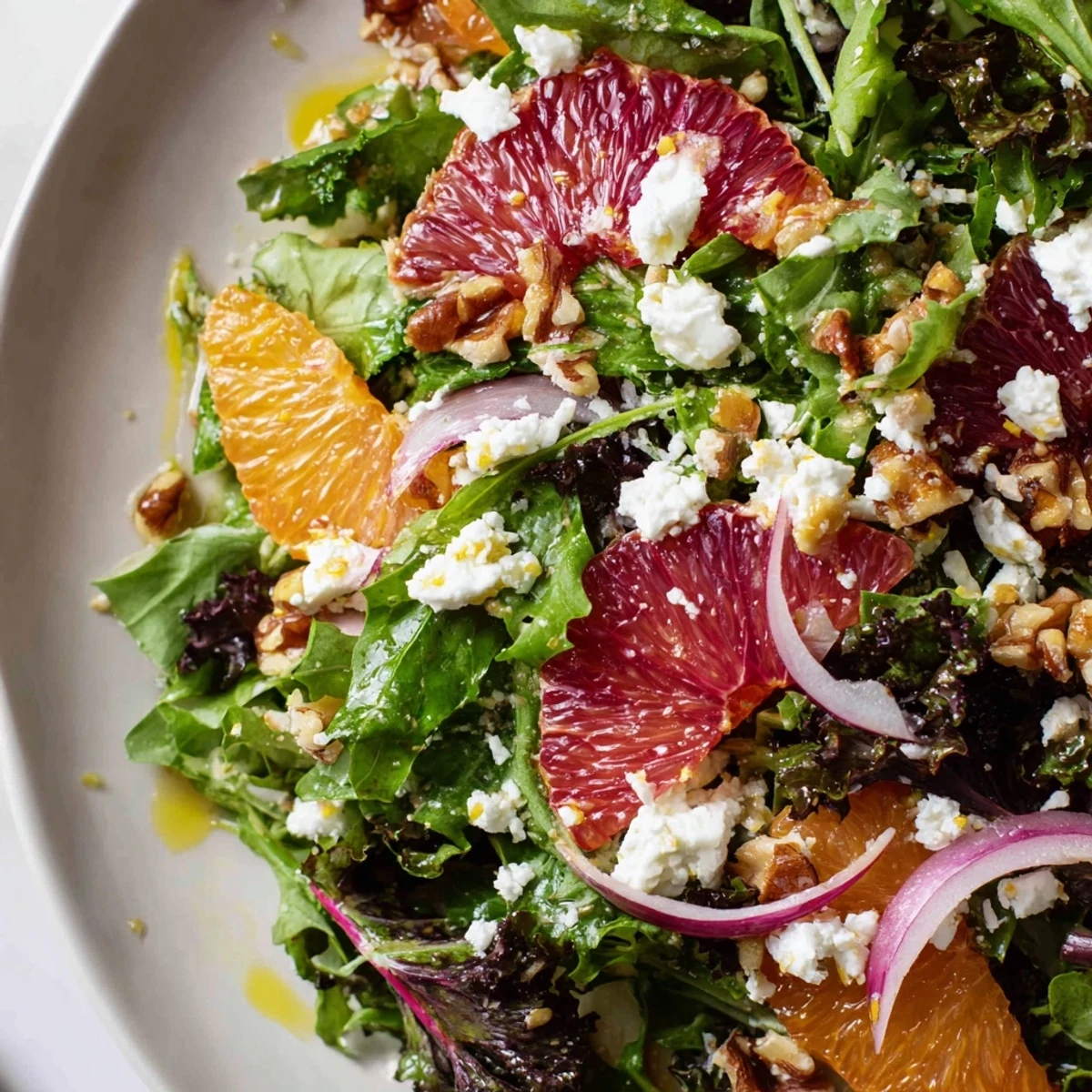
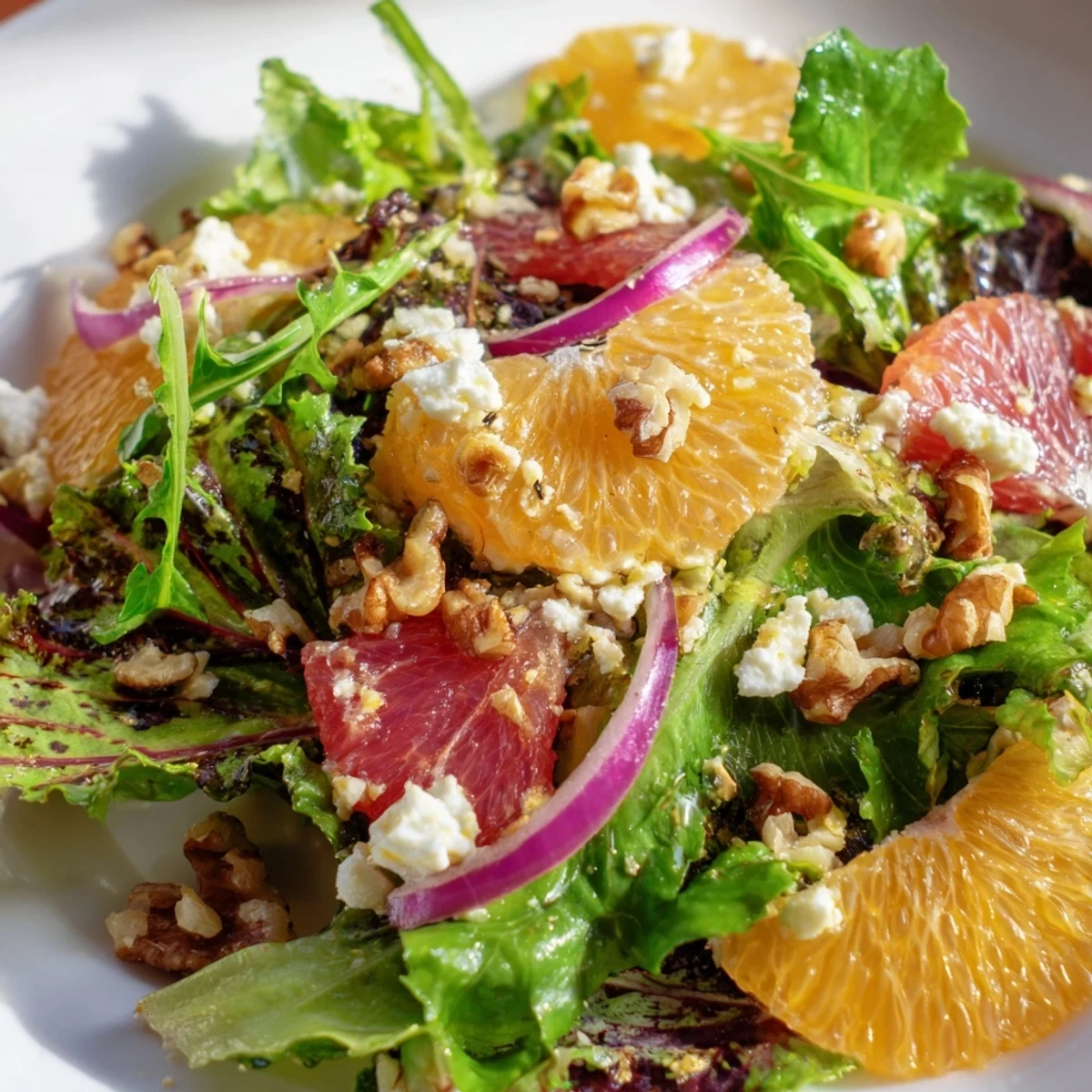
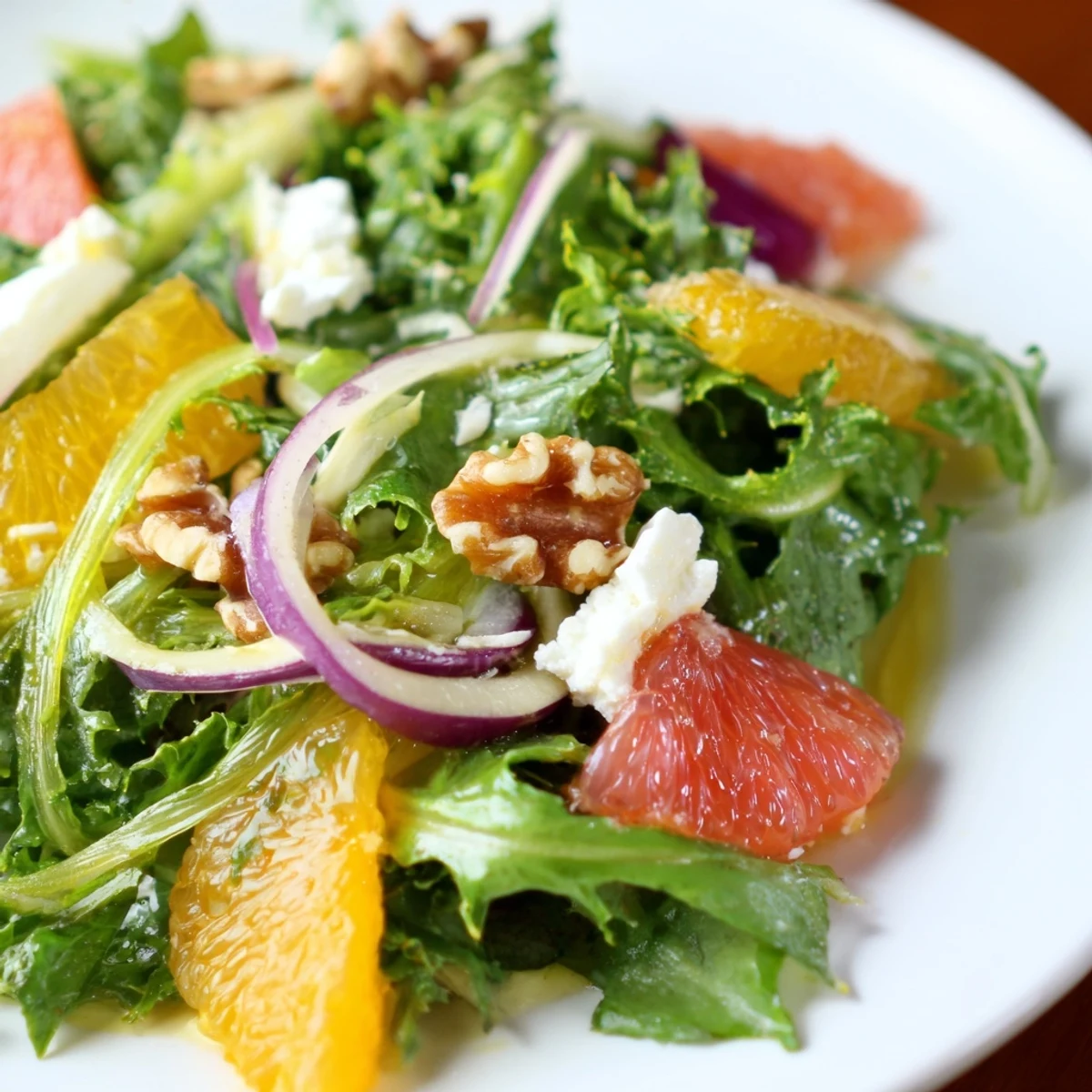
Save Combine crisp mixed winter greens with thinly sliced fennel and red onion. Add fresh segments of orange, grapefruit, and blood orange for a burst of flavor. Whisk together a zesty lemon-honey Dijon dressing to coat the salad, then finish with toasted nuts and crumbled goat cheese for a satisfying crunch.
There's something about winter citrus that catches you off guard—the way a blood orange glows almost neon under kitchen light, promising something brighter than the gray season outside. One February, I was standing in the produce section feeling genuinely sad about salad options when a vendor mentioned she'd just gotten a shipment of blood oranges from Florida, and suddenly I saw it: a salad that could be as vivid and alive as spring, but made entirely from winter's best. This is what I came home and built, and it became the thing I craved on the darkest afternoons.
I made this for friends on a cold Sunday when everyone was tired and hungry and honestly a little sick of winter. The moment I tossed it together and set the bowl on the table, I watched their faces change—you could see them taste the citrus and suddenly remember that color exists. One friend asked for the recipe immediately, then came back a week later saying she'd made it three times already.
Ingredients
- Mixed winter greens: Use whatever feels tender and interesting—arugula brings peppery bite, kale adds chew, frisée gives delicate bitterness, spinach keeps things mild. I mix all of them because variety is the point.
- Winter citrus: The trio of orange, grapefruit, and blood orange creates layers of flavor—regular orange is bright and sweet, grapefruit adds necessary tang, blood orange brings almost tart earthiness. Buy them heavy for the size, which means more juice inside.
- Fennel bulb: Shave it thin on a mandoline or with a sharp knife; it adds a subtle licorice whisper and crisp snap that anchors all that citrus.
- Red onion: Slice it thin so it stays raw and sharp without being aggressive; it's the ingredient that makes everything else taste more like itself.
- Toasted nuts: Walnuts or pecans bring earthiness and texture; toasting them first brings out oils and complexity. If you skip this step, the salad becomes flat.
- Goat cheese: Creamy, tangy, and slightly salty—it's the ingredient that catches citrus juice and turns everything creamier without heaviness.
- Olive oil: Extra virgin, good quality; this isn't one of those recipes where it gets cooked away, so it matters.
- Lemon juice: Fresh only—bottled tastes tinny next to citrus.
- Honey: A small amount rounds out the dressing's sharp edges and helps everything emulsify smoothly.
- Dijon mustard: An emulsifier that also brings sophistication; regular yellow mustard tastes too sweet for this.
Instructions
- Prep the citrus like you mean it:
- Cut the tops and bottoms off each fruit, then slice away the peel and white pith in downward strokes, following the curve. Work over a bowl so you catch every drop of juice—that's liquid gold for the dressing. Slice between the membranes to release segments; they'll come free clean and perfect.
- Build the dressing:
- Whisk olive oil, lemon juice, a tablespoon of the citrus juice you just caught, honey, and mustard together until it looks thick and emulsified. Season with salt and pepper, then taste it straight—it should be bright and slightly sweet, with a bite underneath.
- Combine the greens:
- Put your mixed greens, thinly sliced fennel, and paper-thin red onion in a large bowl. This is where you want to work gently so nothing bruises before it even gets dressed.
- Bring it together:
- Add the citrus segments and pour the dressing over everything. Toss gently but thoroughly so the dressing coats the leaves and the citrus juice mingles with the oil. Let it sit for maybe one minute—long enough for flavors to find each other, not long enough for things to get soggy.
- Finish and serve:
- Scatter toasted nuts over top, then crumble goat cheese across everything. Serve immediately while the greens still have snap and the cheese is still distinct.
 Save
Save I realized while making this for the fourth time that it had become the thing I made when I wanted to feel like myself again during cold months. There's something about a salad that requires no heat but delivers so much brightness that it shifted how I thought about winter eating.
Variations to Keep It Interesting
This salad is forgiving and responds well to what you have. Pomegranate seeds add jewel-like sweetness and pop, avocado brings creaminess if you're skipping the goat cheese, and thinly sliced raw radish adds peppery crunch. I've added everything from roasted chickpeas for protein to toasted sunflower seeds when I was out of nuts, and the salad always tastes like itself. The core structure—fresh greens, winter citrus, sharp onion, creamy element—stays constant while everything else can shift with seasons and what's in your kitchen.
Pairing and Serving
Serve this as a starter before something warm and comforting, or add grilled chicken or roasted fish to make it a full meal. A crisp Sauvignon Blanc drinks beautifully alongside it, or sparkling water with fresh lemon if you're keeping it simple. The acidity and brightness of the salad cuts through richness, so it's perfect before or alongside heavier winter dishes.
Storing and Make-Ahead Notes
You can prep everything ahead—segment the citrus, slice the vegetables, toast the nuts, crumble the cheese—and keep each component separate in the refrigerator for up to a day. Assemble only when you're ready to eat so the greens stay crisp and the flavors feel fresh. The dressing keeps for three days in a jar in the fridge and actually gets better as the flavors marry together.
- Make the dressing first and taste it while you prep the other ingredients so you can adjust seasoning.
- If your fennel is particularly thick or tough, shave it on a mandoline for whisper-thin slices that won't dominate.
- Goat cheese stays creamier and spreads easier if you don't refrigerate it until just before serving.
 Save
Save This salad taught me that winter doesn't have to mean heavy food or sad vegetables. It's become the thing I reach for when I need to remember that brightness exists, even in the coldest months.
Recipe FAQs
- → How do I prepare the citrus?
-
Peel the skin and white pith using a knife, then carefully cut between the membranes to release the segments.
- → Can I make this vegan?
-
Yes, simply omit the goat cheese or replace it with your favorite vegan cheese alternative.
- → What greens work best?
-
Arugula, baby kale, frisée, or spinach provide excellent texture and flavor profiles.
- → Can I add other toppings?
-
Pomegranate seeds or thinly sliced avocado make great additions for extra color and creaminess.
- → How should I store leftovers?
-
It is best enjoyed immediately, but you can store the dressing separately to keep the greens crisp.