
 Save
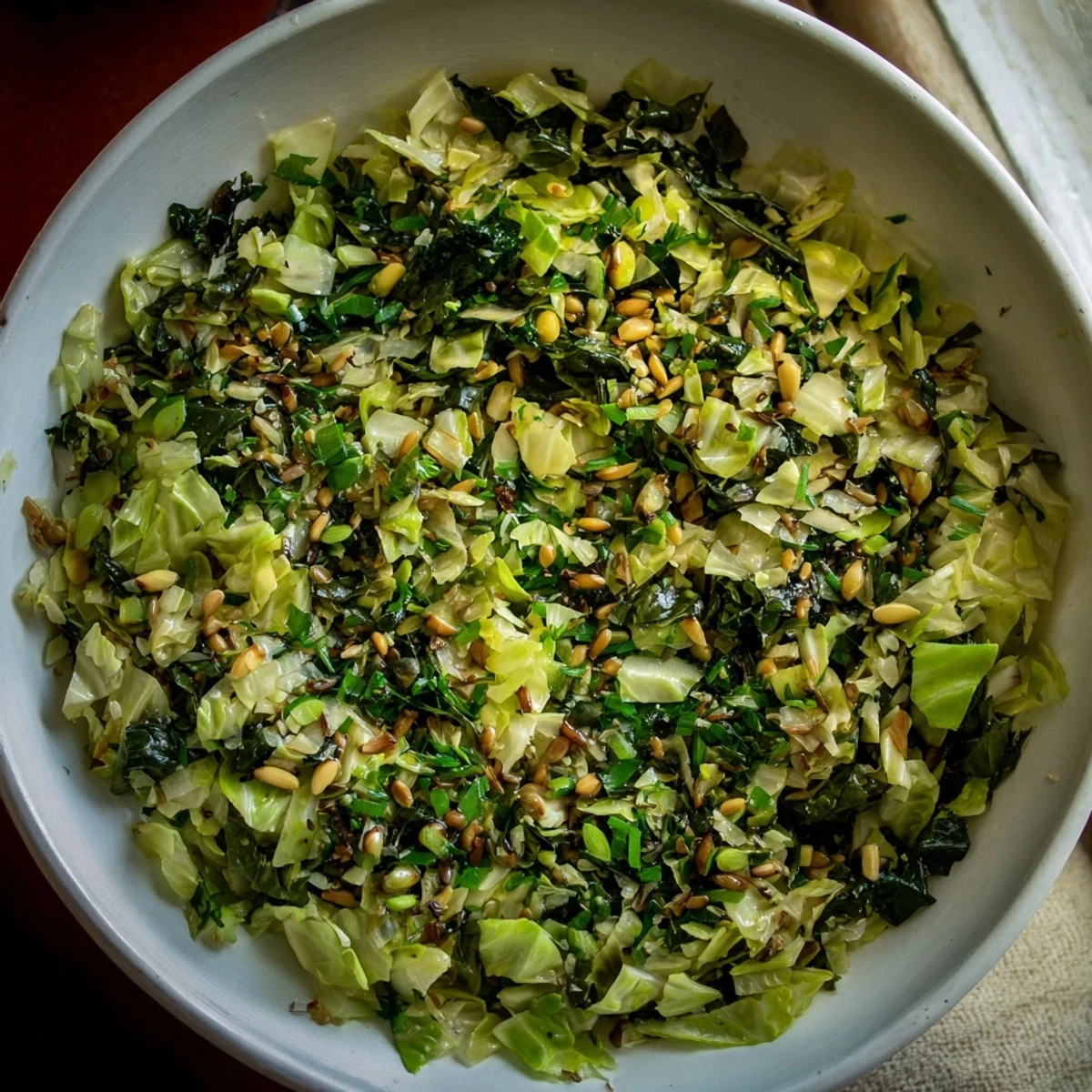
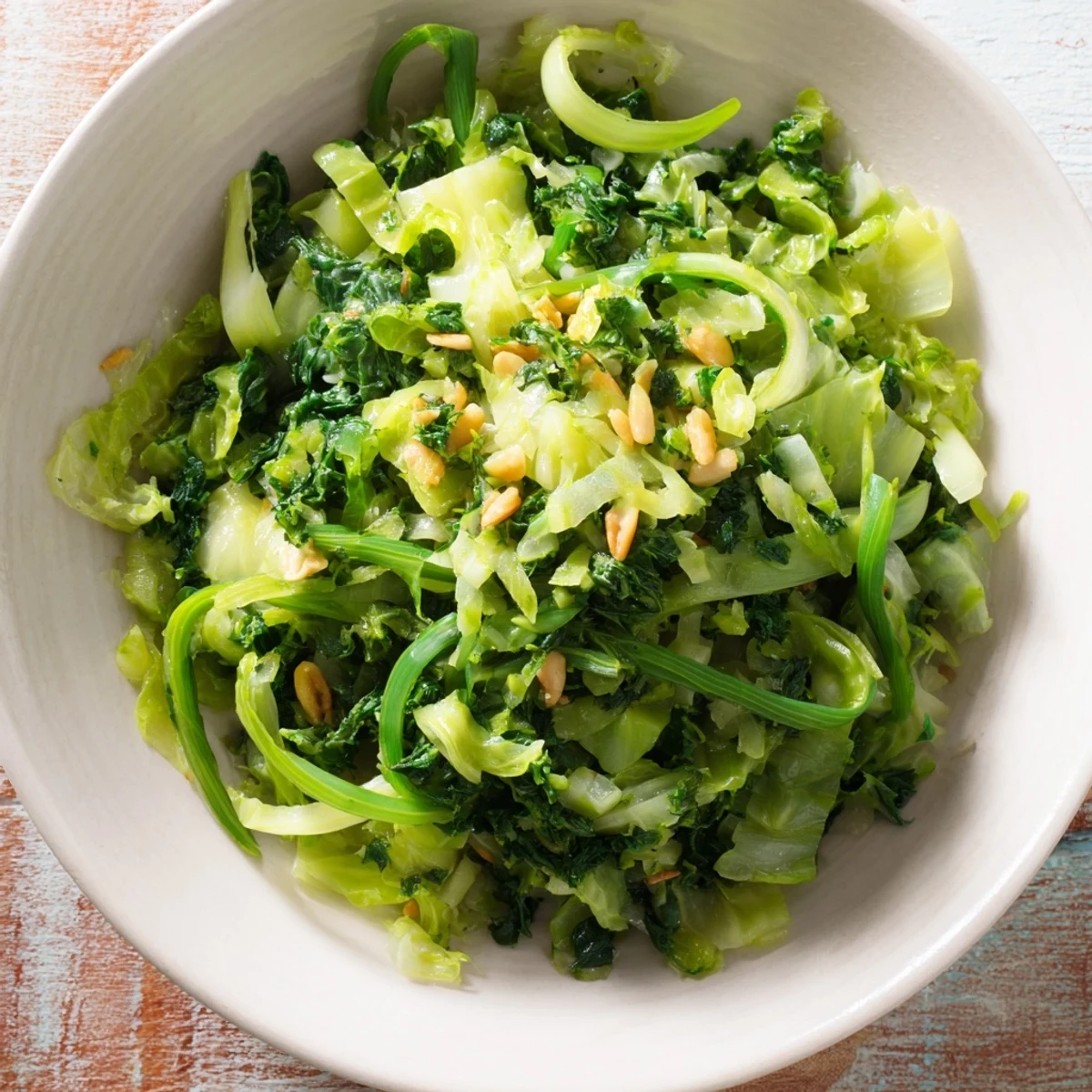
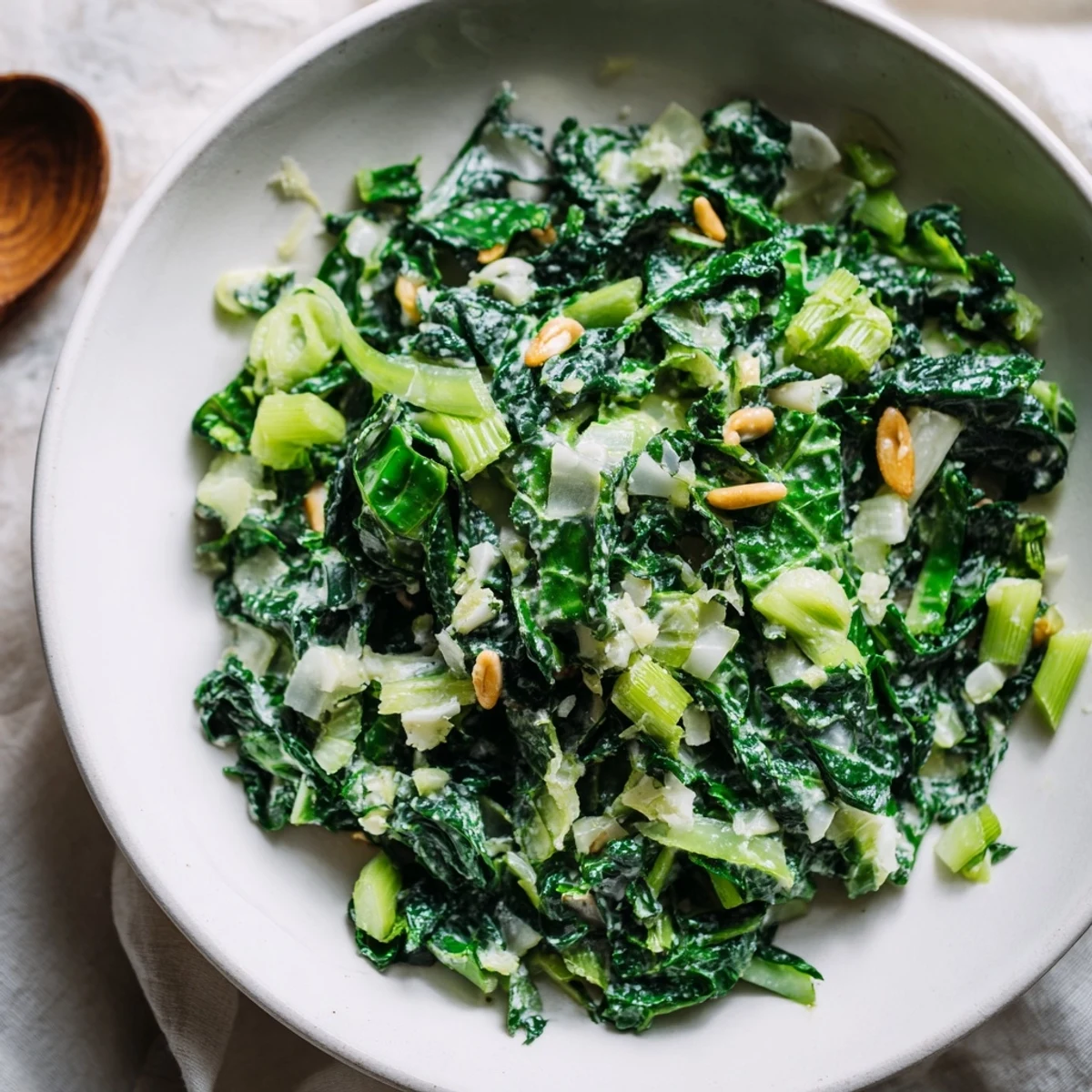
Save This dish brings together a hearty blend of kale, Swiss chard, and baby spinach, gently sautéed with olive oil, shallots, garlic, and fresh thyme. The addition of lemon zest and juice brightens the flavors, while toasted pine nuts add crunch. Perfect as a light vegetarian main or side, it's quick to prepare and offers wholesome nourishment during colder months. Adjust seasoning to taste and consider adding Parmesan or plant-based alternatives for extra richness.
I discovered this recipe on a grey December afternoon when my neighbor stopped by with an armful of fresh greens from her garden. She had that look—the one that says she grew too much and needed help using it up. We stood in my kitchen, and she casually showed me how she sautéed them with just garlic and shallots, finishing with a squeeze of lemon. That simple act transformed what could have been bitter greens into something so warm and inviting that I've made it dozens of times since. Now whenever winter arrives, I find myself craving that same nourishing comfort.
I remember cooking this for my partner after we'd both had a particularly long day. He was skeptical about eating greens until that first bite—the way the lemon brightness cut through the earthiness, the way the toasted pine nuts added that unexpected crunch. He asked for seconds, and I knew I'd found something special to rotate into our regular rotation.
Ingredients
- Kale (200 g, stems removed): Choose lacinato or curly kale—both work beautifully. Removing the stems matters because they take longer to cook and can be tough. Rough chop the leaves; they'll shrink considerably.
- Swiss chard (200 g, stems and leaves separated): This is the secret ingredient that makes the dish feel special. The stems add a subtle sweetness when cooked separately, and the leaves wilt into silky texture. Don't skip separating them—it changes everything.
- Baby spinach (100 g): Added at the very end for its delicate texture. It wilts in seconds, so timing matters here.
- Olive oil (2 tbsp): Good quality oil matters—it's not cooked at high heat, so its flavor comes through. Use something you'd drizzle on bread.
- Shallots (2, thinly sliced): They become sweet and mellow as they cook, creating the flavor foundation. This is not the time to rush—let them soften fully before adding garlic.
- Garlic (3 cloves, minced): Fresh garlic only. The moment you add it, the kitchen smells like comfort. Cook it just until fragrant—burnt garlic turns bitter and ruins everything.
- Fresh thyme (1 tsp) or dried (½ tsp): This adds an earthy note that ties everything together. Fresh is more delicate; dried is more assertive. Choose based on your mood.
- Lemon zest and juice (1 lemon): The zest goes in at the end for brightness; the juice balances the earthiness. This is where the magic happens.
- Sea salt and black pepper: Season gradually as you cook. Greens absorb salt in stages, so taste multiple times.
- Red pepper flakes (pinch, optional): If you like a whisper of heat, this is your secret weapon. Add it sparingly—you want warmth, not fire.
- Toasted pine nuts (2 tbsp): Toast them yourself if possible—raw ones are bland, but toasted ones are buttery and golden. They add textural contrast that elevates the whole dish.
- Parmesan (30 g, grated, optional): Use a microplane to grate it fresh. Pre-grated loses its silkiness. If you skip it for vegan versions, don't skip the pine nuts—you need that richness.
Instructions
- Build your flavor base:
- Heat your olive oil over medium heat until it shimmers slightly. Add the thinly sliced shallots and let them cook undisturbed for a minute—this helps them caramelize. Stir and continue for another 1-2 minutes until they're soft and translucent. You're creating sweetness here that balances the greens' earthiness.
- Awaken the aromatics:
- Add your minced garlic and fresh thyme leaves. Stir constantly for about one minute—this is crucial. You're coaxing out the garlic's flavor without letting it brown. Your kitchen should smell absolutely wonderful right now.
- Soften the Swiss chard stems:
- These take longer than the leaves, so they need a head start. Add them to the pan and cook for about 2 minutes, stirring occasionally. They'll begin to soften and their natural sweetness emerges.
- Wilt the hearty greens:
- Add your chopped kale and Swiss chard leaves all at once. Sprinkle with salt and pepper right over them. Cover your skillet with a lid—this traps the steam and wilts the greens quickly and gently. Stir occasionally for 3-4 minutes. Watch as the pile of greens transforms into something tender and glossy.
- Add the delicate finish:
- Stir in the baby spinach and cook for about 1 minute until it's just wilted. This green cooks so fast that adding it early would leave it mushy and sad. Timing is everything here.
- Brighten with citrus:
- Remove the pan from heat. Add your lemon zest and lemon juice and toss everything together gently. This is where all the flavors come into focus—that brightness cuts through the richness and makes everything sing.
- Serve and celebrate:
- Transfer to a serving dish. Top with your toasted pine nuts and freshly grated Parmesan if using. Serve while warm. The greens will stay warm longer than you'd expect, which is helpful if you're timing other dishes.
 Save
Save Last winter, I made this for a dinner party where someone mentioned being vegetarian almost apologetically. I served these greens as the main, alongside some crusty bread and cheese, and watched her go back for thirds. At the end of the night, she asked for the recipe. That moment—when she realized this wasn't a compromise dish but something genuinely delicious and satisfying—reminded me why I love cooking.
When to Serve This
This dish feels equally at home on a Tuesday night alongside roasted chicken as it does at a holiday table. It's the kind of side that makes people slow down and actually eat their greens instead of pushing them to the side of their plate. In our house, it's become the default green vegetable for nearly everything—it's that good and that versatile. Serve it warm, never cold. It stays warm longer than you'd expect, which is helpful when you're juggling multiple dishes.
Make It Your Own
The beauty of this recipe is that it adapts to what you have on hand or what you're craving. If kale isn't calling to you, collard greens work beautifully and have a milder, slightly sweeter flavor. Bok choy or broccolini would shift the personality entirely but still work. The formula is simple: sturdy greens plus aromatics plus acid equals delicious, so feel confident experimenting.
For a heartier version that becomes a full meal, stir in some white beans or chickpeas during the last minute of cooking. They absorb all those wonderful flavors and add protein and substance. Crispy chickpeas are particularly wonderful here—they add crunch that complements the tender greens. You could also add a fried egg on top for breakfast or brunch.
If you're making this for someone with dietary restrictions, it's naturally gluten-free and easily vegan—just skip the Parmesan or use a plant-based version, and the pine nuts keep it interesting. The recipe as written feeds 4 generously as a side, but doubles easily if you're feeding more people.
- Don't brown the garlic—it turns bitter instantly and ruins the whole dish, so keep the heat at medium and stir constantly
- If your greens seem especially bitter, add a tiny pinch of sugar or honey when you add the lemon juice to balance it out
- Use a skillet with a lid, or even a large pot with a plate balanced on top works in a pinch—you need that steam to wilt the greens gently
 Save
Save This dish became part of my winter ritual not because it's fancy or complicated, but because it's honest food that nourishes both body and spirit. I hope it becomes that for you too.
Recipe FAQs
- → What greens work best for this dish?
-
Kale, Swiss chard, and baby spinach provide a balanced texture and flavor, but you can swap or add other hearty greens like collards or mustard greens.
- → How can I make this dish vegan?
-
Simply omit the Parmesan or replace it with a plant-based cheese alternative or nutritional yeast for a cheesy flavor.
- → Can I add protein to this dish?
-
Yes, incorporating cooked white beans or chickpeas boosts heartiness and makes it more filling as a main dish.
- → What is the best way to sauté the greens evenly?
-
Start with tougher stems like Swiss chard stems, then add leaves gradually, covering the pan to allow gentle wilting while stirring occasionally.
- → Are toasted pine nuts necessary?
-
They add a crunchy texture and nutty flavor, but you can substitute with toasted walnuts or almonds for variation.