
 Save
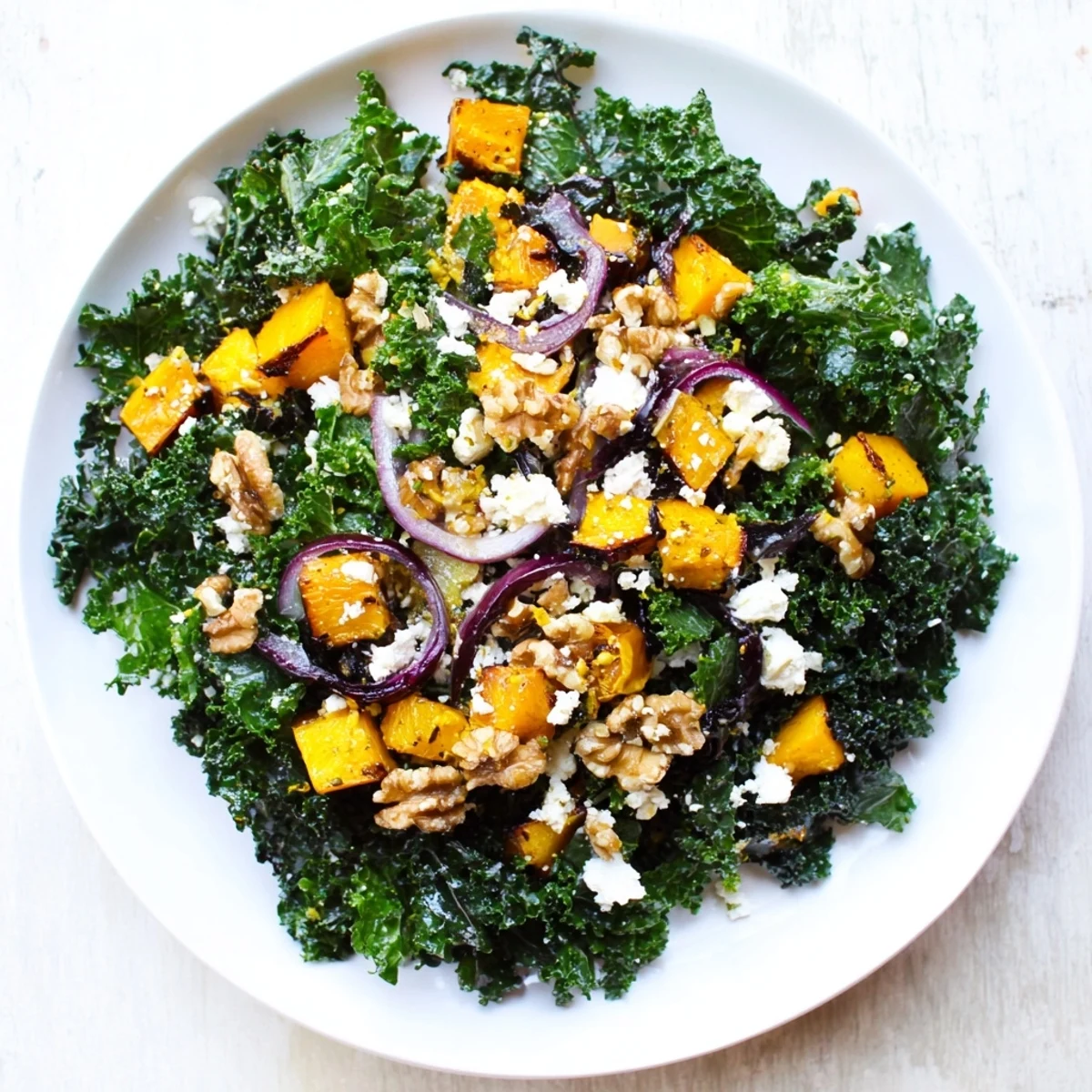
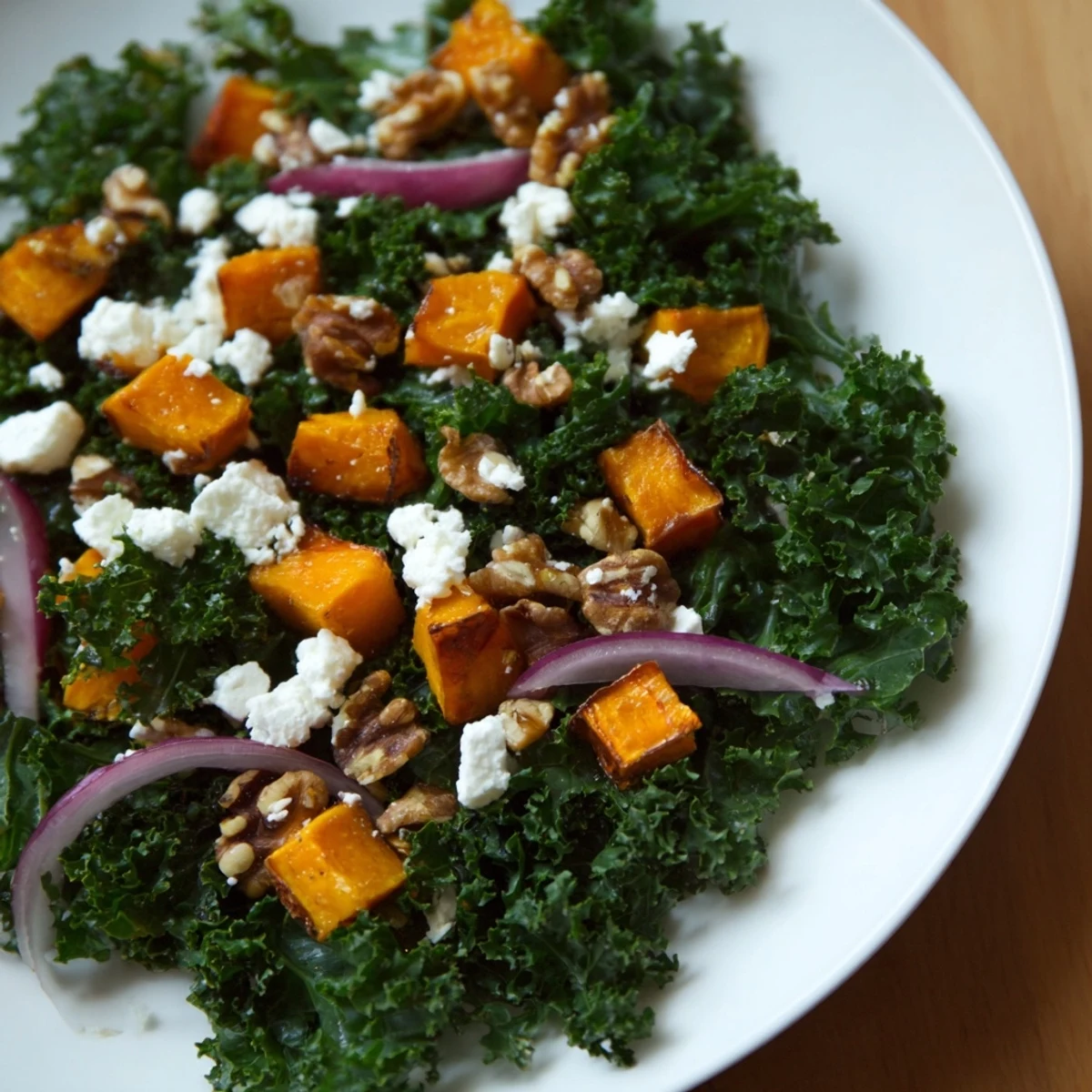
Save This vibrant winter dish highlights tender kale leaves massaged to soften their texture, paired with sweet roasted butternut squash. Crunchy walnuts add a nutty depth, complemented by a zesty maple-mustard dressing that balances savory and sweet notes. The addition of feta cheese and optional apple slices bring creamy and fruity layers, making it a wholesome, nutrient-packed blend ideal for cold months. Preparation is simple, roasting squash until golden and tossing all ingredients to meld fresh and roasted flavors.
There's something about the first truly cold snap that makes me crave salads nobody would expect—and this winter kale salad is exactly that kind of recipe. I discovered it during a November farmers market visit when I couldn't resist a pile of golden butternut squash, and suddenly I was imagining how its sweetness would taste against assertive, massaged kale. The combination felt like a small rebellion against the usual winter heaviness, and I haven't stopped making it since.
I made this for a dinner party right before the holidays when everyone was tired of appetizer platters, and watching people's faces light up as they tasted it taught me something: simple ingredients in the right order create moments. My friend asked for the recipe before she even finished her bowl, and now it shows up at her house too.
Ingredients
- Curly kale, 1 medium bunch (about 200 g): Remove the tough center stems—they're bitter and chewy, and life's too short. Tear the leaves by hand so they stay tender.
- Butternut squash, 400 g: Cubing it yourself takes five minutes and tastes infinitely better than pre-cut, which can be watery. The skin should be deep golden when it comes out of the oven.
- Red onion, 1 small: Slice it paper-thin on a mandoline if you have one, or very carefully with a sharp knife. The thinness matters—it softens from the dressing and disappears into the salad.
- Walnut halves, 50 g: Toast them lightly in a dry pan just before serving if they've been sitting in your pantry for months. Fresh walnuts taste buttery; stale ones taste like cardboard.
- Feta cheese, 60 g: Crumble it by hand rather than using pre-crumbled—the texture is better and it won't clump in the dressing.
- Extra-virgin olive oil, 3 tbsp: This is where you use the good bottle you've been saving. Cheap oil will make the whole thing taste tinny.
- Apple cider vinegar, 1 tbsp: The acidity wakes everything up. Regular vinegar is sharper and will throw off the balance.
- Pure maple syrup, 1 tbsp: Not pancake syrup—the real thing. It dissolves into the dressing and creates a subtle sweetness that echoes the roasted squash.
- Dijon mustard, 1 tsp: This is the secret ingredient that ties everything together and adds depth without you quite knowing why.
- Salt and black pepper: Taste as you go. The salad needs more seasoning than you think because the kale absorbs it.
- Apple, 1 small (optional): A crisp variety like Honeycrisp or Granny Smith adds a refreshing snap and brightness that complements the earthiness.
- Pumpkin seeds, 1 tbsp (optional): They add a toasty, earthy note and texture variation if you have them on hand.
Instructions
- Heat your oven and prep your pan:
- Set it to 200°C (400°F) and line a baking tray with parchment paper while it preheats. This takes two minutes and prevents the squash from sticking and browning unevenly.
- Season and roast the squash:
- Toss your cubed squash with 1 tablespoon olive oil, a generous pinch of salt, and a few grinds of pepper, then spread it in a single layer on the tray. Roast for 20–25 minutes, turning it over halfway through—you'll know it's ready when the edges are deeply golden and caramelized and a fork slides through easily.
- Soften the kale with your hands:
- While the squash roasts, put the torn kale in a large bowl, drizzle it with 1 teaspoon olive oil and a pinch of salt, then massage it firmly with your hands for 1–2 minutes. The kale will darken and soften as you work, becoming tender enough to enjoy without that raw bite.
- Build your dressing:
- In a small bowl, whisk together the remaining 2 tablespoons olive oil, apple cider vinegar, maple syrup, Dijon mustard, and a pinch each of salt and pepper. Taste it and adjust the sweetness or tartness to your preference—this is when you make it your own.
- Bring it all together:
- Add the warm roasted squash, thinly sliced red onion, and apple slices (if using) to the massaged kale. Drizzle the dressing over everything and toss gently but thoroughly so every leaf gets coated.
- Top and serve:
- Sprinkle the walnuts, crumbled feta, and pumpkin seeds (if using) over the top. Toss one more time and serve immediately while the squash is still warm and the salad has that perfect textural contrast.
 Save
Save I remember sitting at my kitchen table on a gray afternoon, eating leftover salad straight from the container, and realizing that the flavors had actually deepened overnight. Sometimes the best meals are the ones nobody planned for.
Why This Salad Works Year-Round
Winter salads deserve respect because they've taught me that cold months don't mean you have to abandon fresh food. This one works because every ingredient either roasts into sweetness (squash) or becomes tender under gentle hands (kale), so there's no crispness or crunch to wilt away. The dressing is rich enough to stand up to the sturdy greens, and the warm-to-cool transition keeps things interesting even if you make it twice in one week.
Making It Your Own
The beauty of this salad is that it bends to what you have. Roasted sweet potato instead of butternut squash works beautifully and cooks in the same time. If feta isn't your thing, crumbled goat cheese or even a generous grating of Parmesan shifts the flavor in unexpected ways. The apple is optional but worth adding if you want brightness; a pear works too in a pinch, though you'll lose some of that crisp contrast.
Storage, Serving, and Wine Pairing
This salad keeps in the refrigerator for three days if you store the dressing separately, which I've learned to do when making it for meal prep. The kale actually gets better as it sits and absorbs the flavors, though the walnuts and feta are best added just before eating to keep them from getting soggy. Pour yourself a glass of crisp Sauvignon Blanc or a light Pinot Noir if you're feeling fancy—the acidity in both wines echoes the vinegar in the dressing and makes everything taste brighter.
- For a vegan version, simply skip the feta or swap in cashew cream or a plant-based cheese alternative.
- You can roast the squash the night before and store it in the fridge, then assemble the salad fresh in the morning.
- Double the dressing recipe if you're making this for a crowd—there's always someone who wants extra.
 Save
Save This salad tastes like proof that winter can be vibrant and nourishing at the same time. Make it once and it becomes the recipe you reach for whenever you want something that feels like both comfort and celebration.
Recipe FAQs
- → How do you soften kale for better texture?
-
Massaging kale leaves with a little olive oil and salt for 1-2 minutes helps break down fibers, making them tender and less bitter.
- → What’s the best way to roast butternut squash?
-
Cube the squash, toss with olive oil, salt, and pepper, then roast at 200°C (400°F) for 20-25 minutes until golden and tender.
- → Can walnuts be substituted in this dish?
-
Yes, pumpkin seeds or pecans offer a similar crunchy texture and nutty flavor if walnuts are not preferred.
- → How does the maple-mustard dressing complement the salad?
-
The maple syrup adds a subtle sweetness that balances the tangy apple cider vinegar and sharp mustard, enhancing the roasted and fresh ingredients.
- → What variations suit dietary preferences?
-
To make it vegan, omit the feta or replace with a plant-based alternative. Roasted sweet potato can replace squash for a milder sweetness.