 Save
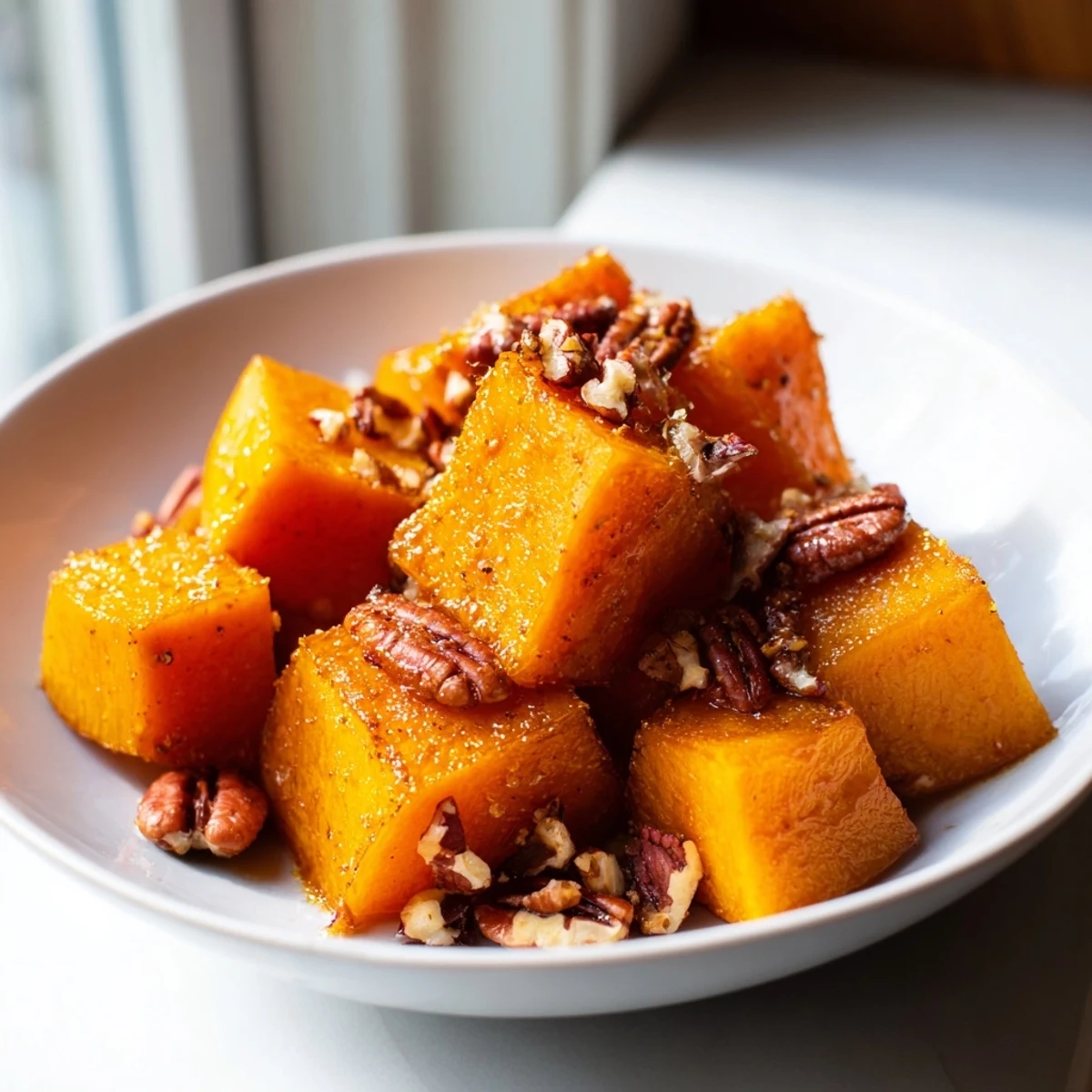
Save This dish features tender cubes of butternut squash roasted to golden perfection with a sweet maple glaze boosted by warm spices like cinnamon and nutmeg. A simple mix of olive oil and seasoning coats the squash before roasting, bringing out natural sweetness and richness. Toasted pecans and fresh parsley add texture and freshness, creating a delightful side that complements hearty seasonal meals and fits vegetarian and gluten-free diets.
I still remember the first time I roasted butternut squash with maple syrup. It was a crisp October afternoon, and my grandmother had just handed me a bottle of pure maple syrup from her pantry, insisting that this simple glaze would transform humble winter squash into something almost luxurious. I was skeptical until that first golden, caramelized cube melted on my tongue, and suddenly I understood why she made this every autumn without fail.
Last Thanksgiving, I brought this dish to my sister's house, and her kids actually asked for seconds of a vegetable. As someone who'd spent years negotiating with picky eaters, I felt like I'd discovered culinary gold. Now it's become the one side dish everyone expects, and I've perfected it through countless family gatherings.
Ingredients
- 1 medium butternut squash (about 2 lbs), peeled, seeded, and cut into 1-inch cubes: The star of the show. Choose one that feels heavy for its size, which means it's packed with flesh and will roast beautifully. I've learned that cutting it into uniform cubes ensures everything cooks at the same rate, so you get that perfect tender-but-not-mushy texture.
- 2 tbsp pure maple syrup: This is not the time to use the pancake syrup substitute. Pure maple syrup has a depth that makes all the difference. I keep a good bottle on hand from a local producer because it truly transforms the dish.
- 2 tbsp olive oil: This helps the squash crisp up and carry all those beautiful spices. Don't skip it or substitute with butter, as the higher smoking point matters for that perfect caramelization.
- 1/2 tsp ground cinnamon: It seems like a small amount, but it's just enough to whisper warmth without overpowering. Freshly ground if you can manage it.
- 1/4 tsp ground nutmeg: This is the secret note that makes people ask what you did differently. Don't be tempted to use more, as nutmeg can quickly become overwhelming.
- 1/2 tsp kosher salt and 1/4 tsp freshly ground black pepper: These aren't afterthoughts. The salt actually enhances the natural sweetness of the squash, and fresh pepper adds a subtle complexity.
- 2 tbsp chopped toasted pecans and 1 tbsp chopped fresh parsley (optional): The pecans add a satisfying crunch and richness, while the parsley brings a fresh brightness that cuts through the sweetness perfectly.
Instructions
- Get your oven ready and prep your canvas:
- Preheat your oven to 400°F and line a baking sheet with parchment paper. This temperature is the sweet spot where the squash will caramelize beautifully without burning. The parchment paper is your secret weapon for easy cleanup and to prevent sticking.
- Create the maple glaze:
- In a large bowl, whisk together the maple syrup, olive oil, cinnamon, nutmeg, salt, and pepper. Watch as the spices blend with the syrup and oil, creating an amber-colored coating that looks almost jewel-like. Smell it for a moment before the next step, because this aroma is a preview of what's coming.
- Dress the squash:
- Add your butternut squash cubes to the bowl and toss gently but thoroughly with two large spoons or your hands (I prefer hands so I can feel every piece getting coated). Make sure every cube gets a glossy coating of the glaze. This step takes about a minute, and it's worth doing it right.
- Arrange for success:
- Spread the coated squash in a single layer on your baking sheet. They should have a little room between each piece, not crowded together. This spacing lets the hot air circulate and gives you those caramelized edges instead of steamed squash.
- Let the oven do the magic:
- Roast for 30 to 35 minutes, stirring the squash halfway through (about the 15-minute mark). This stir ensures even cooking and more caramelization on all sides. You'll know it's ready when the cubes are fork-tender and the edges are deeply golden and slightly crispy. The kitchen will smell absolutely incredible.
- Bring it all together:
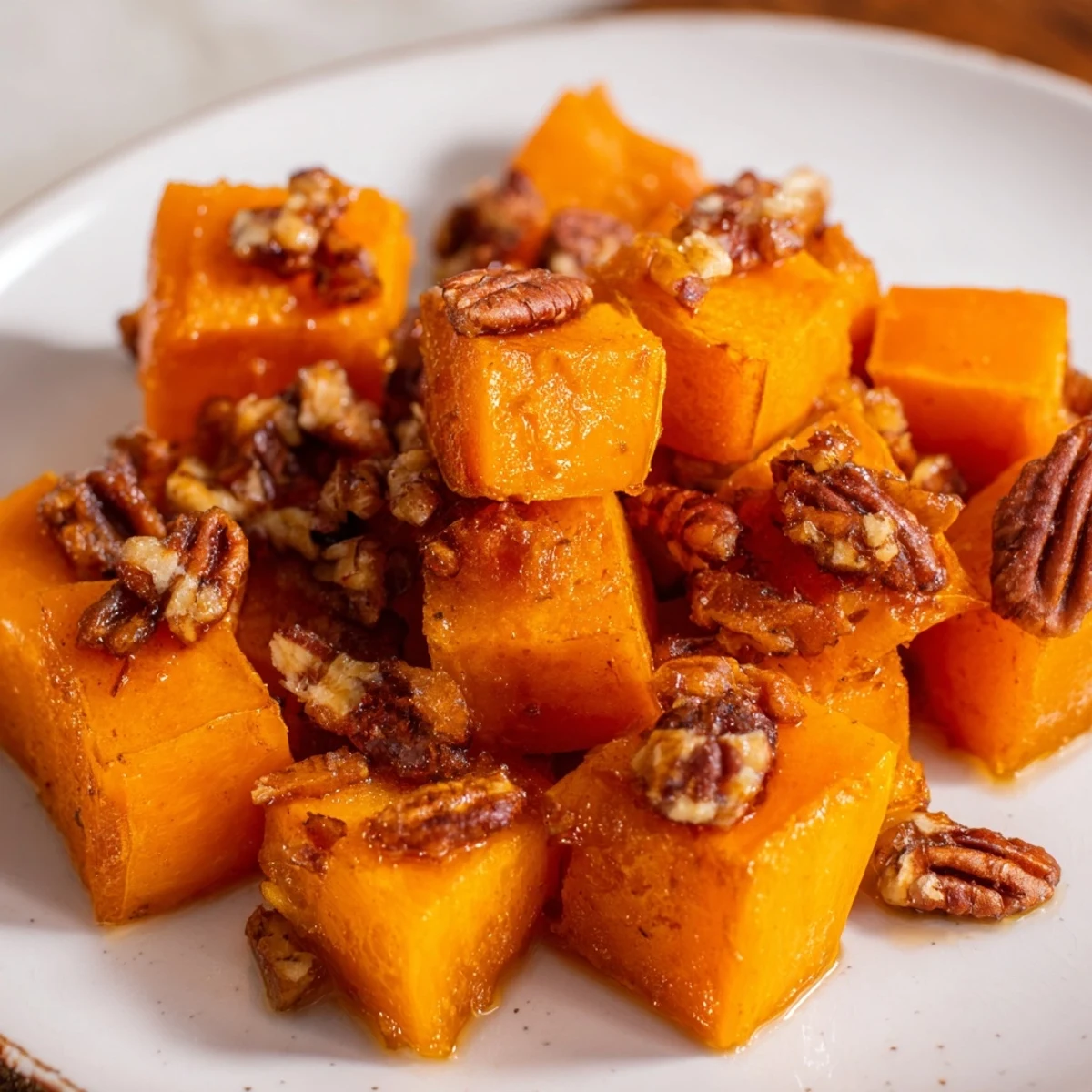
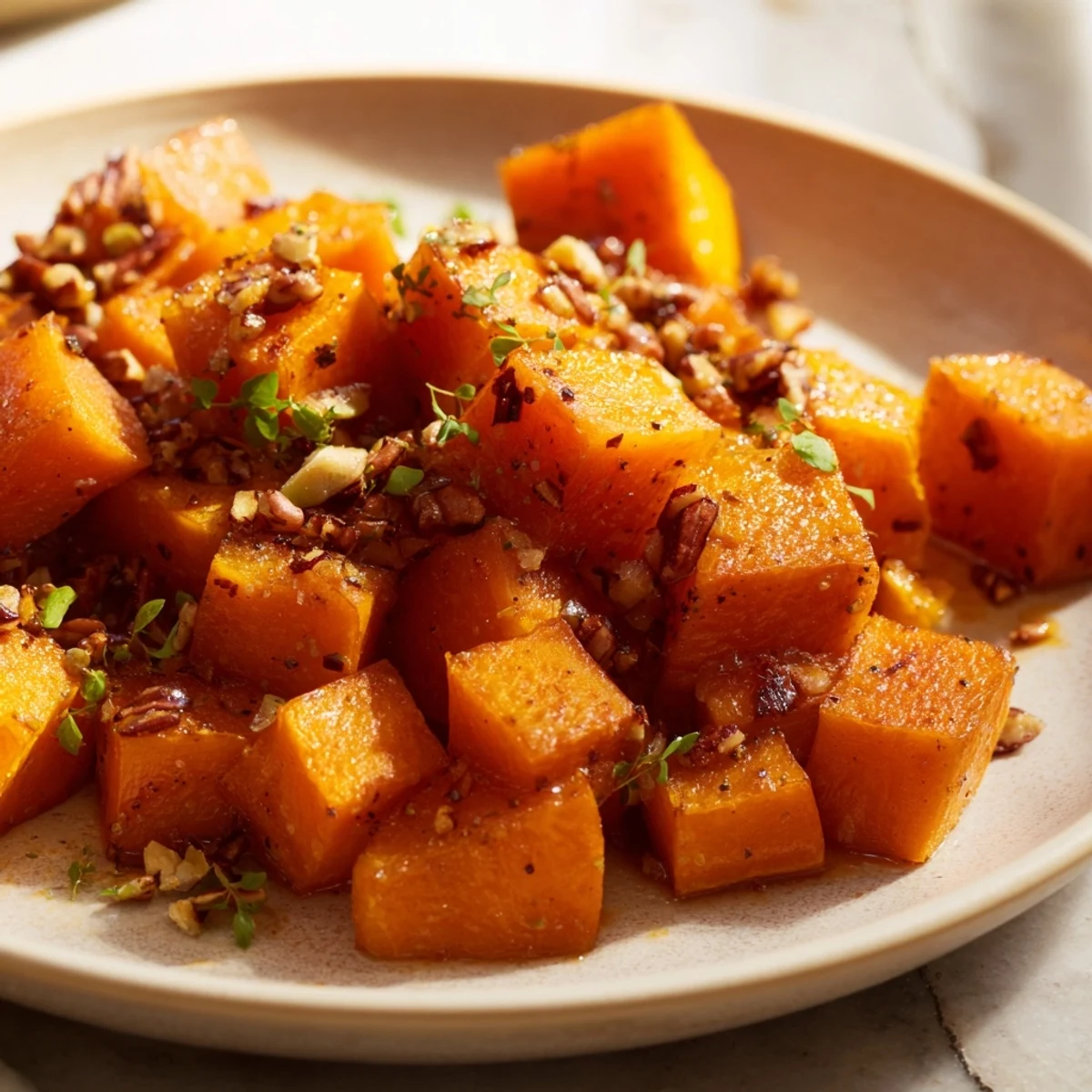
- Transfer your roasted squash to a serving dish and scatter the toasted pecans and fresh parsley on top while everything is still warm. The heat will slightly wilt the parsley, releasing its oils and adding that fresh note that balances the sweetness perfectly.
 Save
Save I'll never forget the quiet moment when my father took a bite and closed his eyes. He didn't say anything fancy, just ate three more cubes in contented silence. That's when I realized this dish had become more than just a side. It was comfort, it was family, it was love on a plate.
Why Maple Syrup Matters
There's a reason maple syrup is worth the extra cost. Unlike brown sugar or honey, pure maple syrup has this understated sophistication that brings out the squash's natural nuttiness rather than masking it. When it caramelizes in the oven, it creates a subtle glaze that tastes more like a discovery than an addition. I've tried every sweetener imaginable in this recipe, and pure maple syrup is the only one that feels complete.
Squash Varieties and How to Choose
While butternut squash is my go-to because of its perfect texture and flavor, I've had great success with acorn and delicata squash too. Acorn squash has a slightly more assertive flavor that pairs beautifully with the maple glaze, while delicata is sweeter and more delicate. The secret is choosing squash that feels heavy and dense when you pick it up. Avoid any with soft spots. If you're buying pre-cut squash from the store, that works too, though the flavor and texture won't be quite as vibrant.
Serving and Pairing Ideas
This roasted squash is infinitely versatile. I've served it alongside herb-roasted turkey, with grilled pork chops, and even as the star of a vegetarian Thanksgiving spread. The maple glaze and warm spices pair beautifully with sage, thyme, or rosemary from other dishes. Cold, it's a delicious addition to grain bowls or salads. Here are my favorite ways to bring it to the table:
- Serve it hot with roasted meats like duck, pork, or chicken for an elegant dinner that feels special without requiring hours in the kitchen
- Add it to a Buddha bowl with quinoa, roasted chickpeas, and a tahini dressing for a complete vegetarian meal that's both nourishing and satisfying
- Make it the day before and serve it at room temperature as part of a harvest spread with cheeses, nuts, and cured meats
 Save
Save This dish has taught me that the best recipes aren't about complexity or fancy techniques. They're about knowing exactly what you're making, trusting the ingredients, and bringing them together with intention. Every time I make Winter Maple Squash, I'm reminded that sometimes the simplest things become the most meaningful.
Recipe FAQs
- → What type of squash works best for this dish?
-
Butternut squash is ideal, but acorn or delicata squash can be used as substitutes for variation.
- → Can I prepare the squash ahead of time?
-
Yes, you can peel and cube the squash in advance and store it refrigerated until ready to roast.
- → How do the spices enhance the flavor?
-
Ground cinnamon and nutmeg add warmth and depth, complementing the natural sweetness of the maple glaze.
- → Are the toasted pecans necessary?
-
They’re optional, but provide a crunchy contrast and nutty flavor that enhances the dish’s texture.
- → What cooking tools are required?
-
A sharp knife, vegetable peeler, mixing bowl, baking sheet, and optionally parchment paper for easy cleanup.
- → Is this suitable for gluten-free and vegetarian diets?
-
Yes, this dish is naturally gluten-free and vegetarian, using simple wholesome ingredients.