
 Save
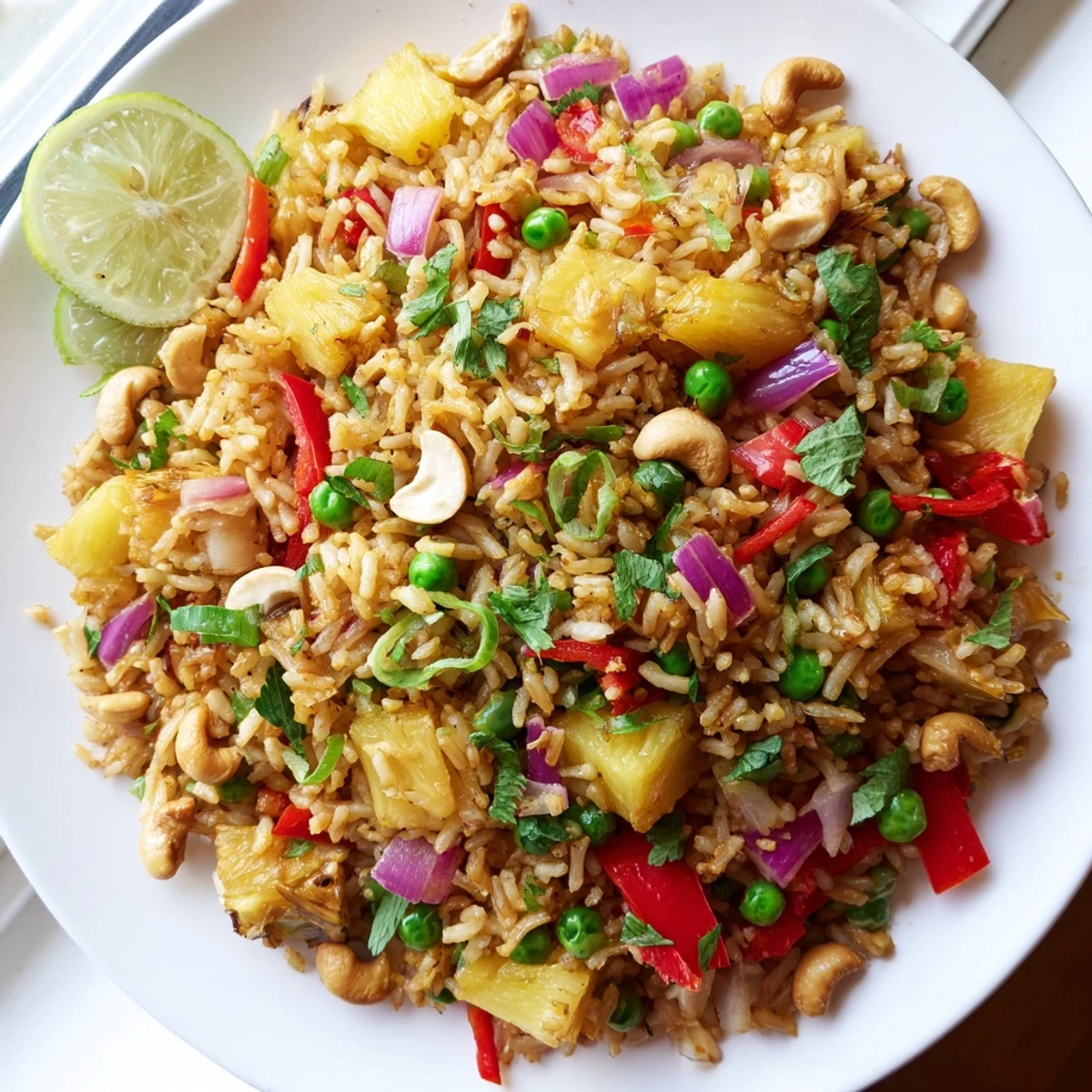
Save This chili lime pineapple fried rice brings together bold tropical flavors in just 35 minutes. Day-old jasmine rice gets tossed with caramelized pineapple, fiery red chilies, and a tangy lime-soy sauce that coats every grain.
Fresh cilantro and crunchy cashews finish the dish, making it a perfect weeknight main or a crowd-pleasing side. It's naturally vegetarian and dairy-free, with easy swaps for gluten-free diets.
The sizzle of pineapple hitting a screaming hot wok is one of those sounds that instantly pulls everyone into the kitchen, and this chili lime pineapple fried rice is the reason my wok rarely sits idle on weeknights. Sweet fruit caramelizes against fiery chilies while lime zest cuts through everything with a brightness that makes you reach for seconds before finishing firsts. It started as a desperate fridge clearing on a muggy July evening and became the most requested dinner in my house.
I once made a massive batch of this for a rooftop potluck, fully expecting to bring leftovers home, and watched every grain vanish while three different friends texted me for the recipe before they even left the building.
Ingredients
- Jasmine rice (3 cups, cooked and cold): Day old rice is the entire secret to fried rice that fries instead of steaming into a gummy mess.
- Vegetable oil (2 tbsp): A neutral oil lets the pineapple and lime flavors shine without competing.
- Red onion (1 medium, diced): Its slight sharpness balances the sweetness of the pineapple beautifully.
- Garlic (2 cloves, minced): Fresh garlic is nonnegotiable here, as the powdered stuff gets lost among all the bold flavors.
- Red bell pepper (1, diced): Adds crunch and a pop of color that makes the whole dish look as vibrant as it tastes.
- Fresh pineapple (1 cup, diced): Fresh is best because it caramelizes in the wok in a way canned pineapple simply cannot match.
- Frozen peas (1/2 cup, thawed): They bring a gentle sweetness and a lovely green contrast throughout the rice.
- Scallions (2, sliced): Scattered in at the end so they stay bright and barely cooked.
- Fresh red chilies (1 to 2, sliced): Control the heat level by adjusting how many you use and whether you keep the seeds.
- Lime (zest and juice of 1): The zest carries floral citrus notes while the juice adds a sharp tang that lifts every bite.
- Soy sauce (2 tbsp): Use tamari if you need gluten free, as it works just as well here.
- Light brown sugar (1 tbsp): Just enough to round out the acidity of the lime and saltiness of the soy sauce.
- Toasted sesame oil (1 tsp): A little goes a long way and adds a nutty depth that ties everything together.
- Salt and black pepper: Season to taste at the end because the soy sauce already contributes significant salt.
- Fresh cilantro (1/2 cup, chopped): Folded in off the heat so it stays fragrant and bright green.
- Roasted cashews or peanuts (1/4 cup, optional): A crunchy garnish that makes the dish feel complete and satisfying.
- Lime wedges: For serving, because an extra squeeze at the table is always a good idea.
Instructions
- Get your wok ripping hot:
- Pour the vegetable oil into a large wok or skillet set over medium high heat and let it shimmer until you see the first wisps of smoke, which tells you the pan is ready to work its magic.
- Build the aromatic base:
- Toss in the diced red onion and stir it around for about two minutes until the edges soften, then add the garlic, sliced chilies, and bell pepper, keep everything moving for another two minutes so nothing burns.
- Caramelize the pineapple:
- Stir in the diced pineapple and let it sit undisturbed for a moment so the edges catch some color and develop that gorgeous golden char before you toss it.
- Add the rice:
- Push the vegetables to one side of the pan, drop in the cold rice, and use your spatula to break apart any stubborn clumps before folding everything together so the rice toasts in the leftover oil.
- Toss in the finishing vegetables:
- Add the thawed peas and sliced scallions, stirring quickly so they warm through without losing their color or bite.
- Pour on the sauce:
- Whisk together the soy sauce, lime zest, lime juice, brown sugar, sesame oil, and a pinch each of salt and pepper in a small bowl, then drizzle it over the rice and stir fry for two to three minutes until every grain glistens.
- Taste and adjust:
- Give it a quick taste and add more soy sauce, lime juice, or chili as needed, since this is your last chance to balance the flavors.
- Finish with cilantro and serve:
- Take the wok off the heat, gently fold in the chopped cilantro so it wilts softly, scatter roasted cashews or peanuts over the top if you are using them, and serve right away with lime wedges on the side.
 Save
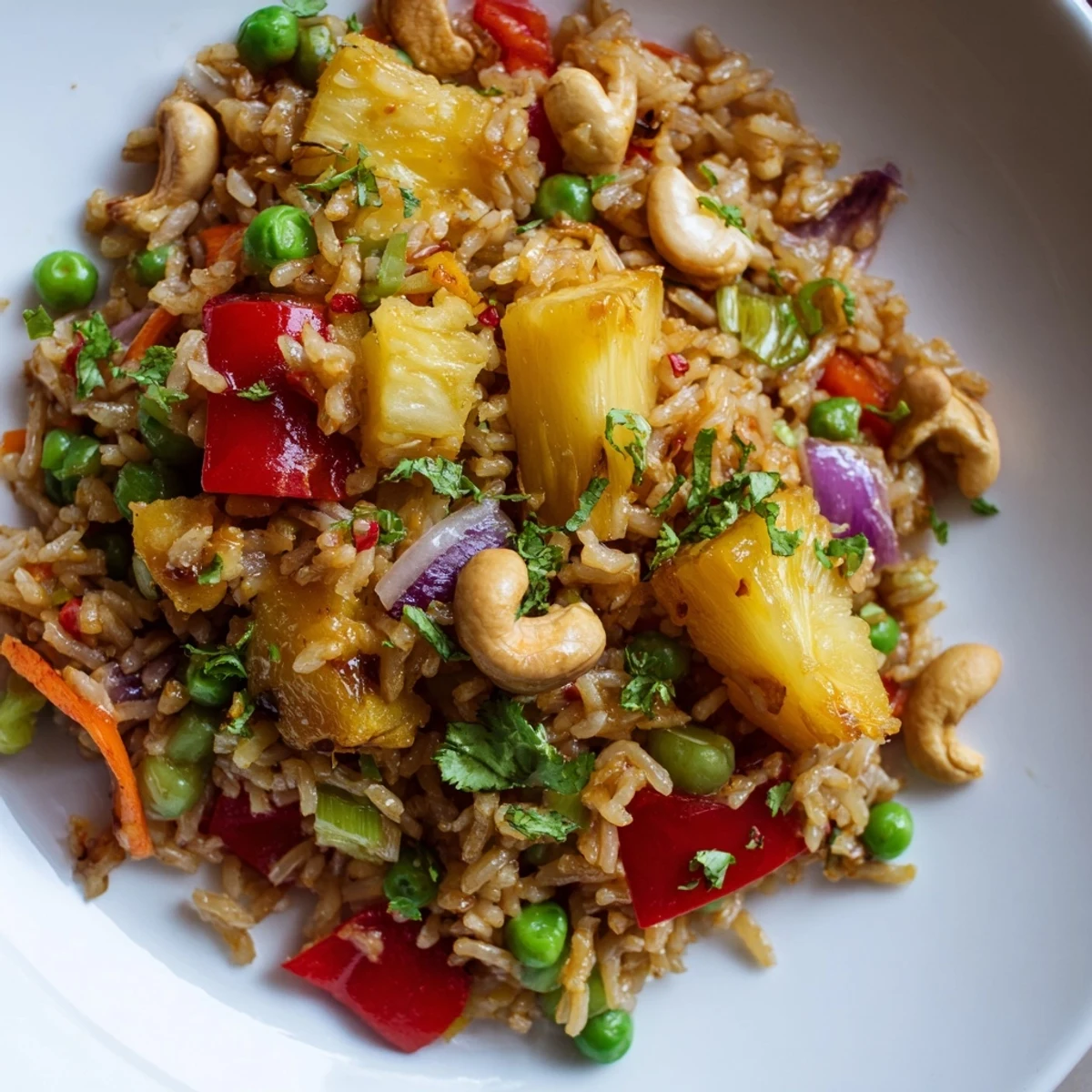
Save There was a rainy Tuesday when my neighbor knocked on my door to borrow an umbrella and ended up staying for a plate of this rice, and now she texts me every few weeks asking if I am making it again soon.
Choosing and Prepping Your Pineapple
A ripe pineapple should smell sweet at the base and give slightly when you press the skin, and if you pull a center leaf easily from the crown it is ready to go. Dice it into uniform pieces about the size of a pea so every forkful gets a bit of fruit without overwhelming the rice.
Making It Your Own
This recipe plays beautifully with additions like cubed tofu crisped in the wok before the vegetables, or leftover shrimp tossed in during the last minute of cooking. Cauliflower rice works as a lower carb swap but you will want to skip the initial caramelization step since it cooks much faster and turns mushy if overhandled.
Storing and Reheating Like a Pro
Leftovers keep well in an airtight container in the refrigerator for up to three days and actually taste even better the next day when the flavors have had time to mingle and settle.
- Reheat in a hot skillet with a splash of oil rather than the microwave to bring back some of that satisfying chew.
- Avoid adding extra cilantro before storing since it wilts and darkens overnight.
- Always squeeze fresh lime over the top when serving leftovers because that hit of acidity wakes everything back up.
 Save
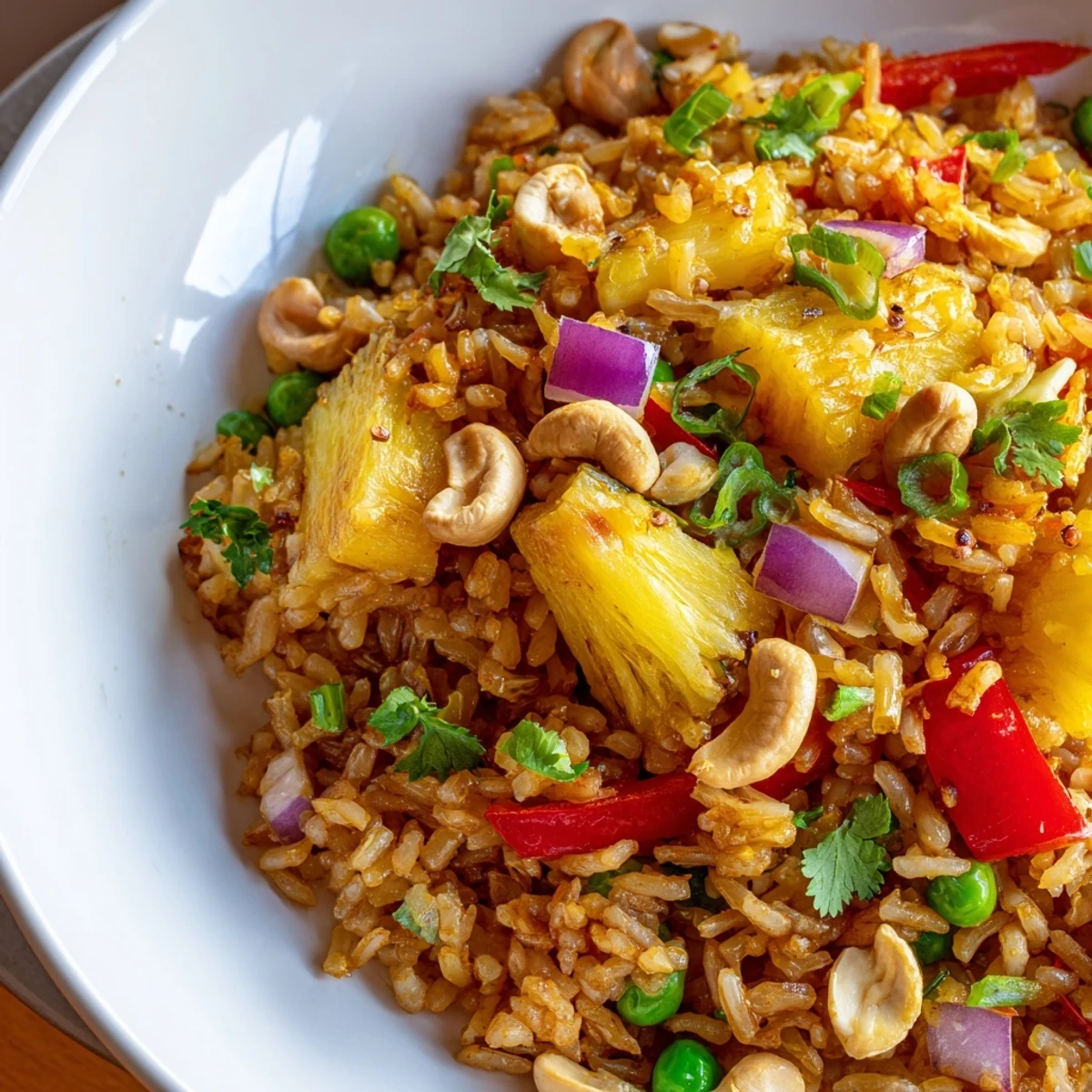
Save Some dinners are about nourishment and some are about joy, and this chili lime pineapple fried rice manages to be both without asking much of you at all. Share it with someone who lingers in the kitchen and you will understand why it became a staple.
Recipe FAQs
- → Can I use freshly cooked rice instead of day-old rice?
-
Day-old cold rice works best because the grains are firmer and less sticky, giving you that characteristic separated texture. If you only have fresh rice, spread it on a baking sheet and refrigerate for at least 30 minutes to dry it out before stir-frying.
- → How spicy is this fried rice?
-
The heat level is fully adjustable. Using one red chili gives a mild warmth, while two chilies bring noticeable heat. You can also remove the seeds from the chilies for a gentler kick or substitute with a dash of sriracha.
- → What protein can I add to make it heartier?
-
Diced tofu, shrimp, or chicken all work beautifully. Cook your protein first in the wok, then set it aside and add it back in when you combine everything. For tofu, press and cube it before pan-frying until golden.
- → Can I make this gluten-free?
-
Yes, simply swap the regular soy sauce for tamari, which is naturally gluten-free. Double-check that your sesame oil and other condiments are certified gluten-free as well.
- → Is canned pineapple acceptable if I can't find fresh?
-
Canned pineapple works fine as a substitute. Drain it thoroughly and pat the pieces dry with a paper towel so excess moisture doesn't make the rice soggy during cooking.
- → What should I serve with this dish?
-
It pairs well with a crisp citrusy white wine or Thai iced tea. You can also serve it alongside spring rolls, a light cucumber salad, or a simple miso soup for a complete Asian-inspired spread.